
Used Peterbilt Other Trucks For Sale in New York
Browse used Peterbilt other trucks for sale in New York. Compare specs, cab setups, powertrain options, and vocational applications.
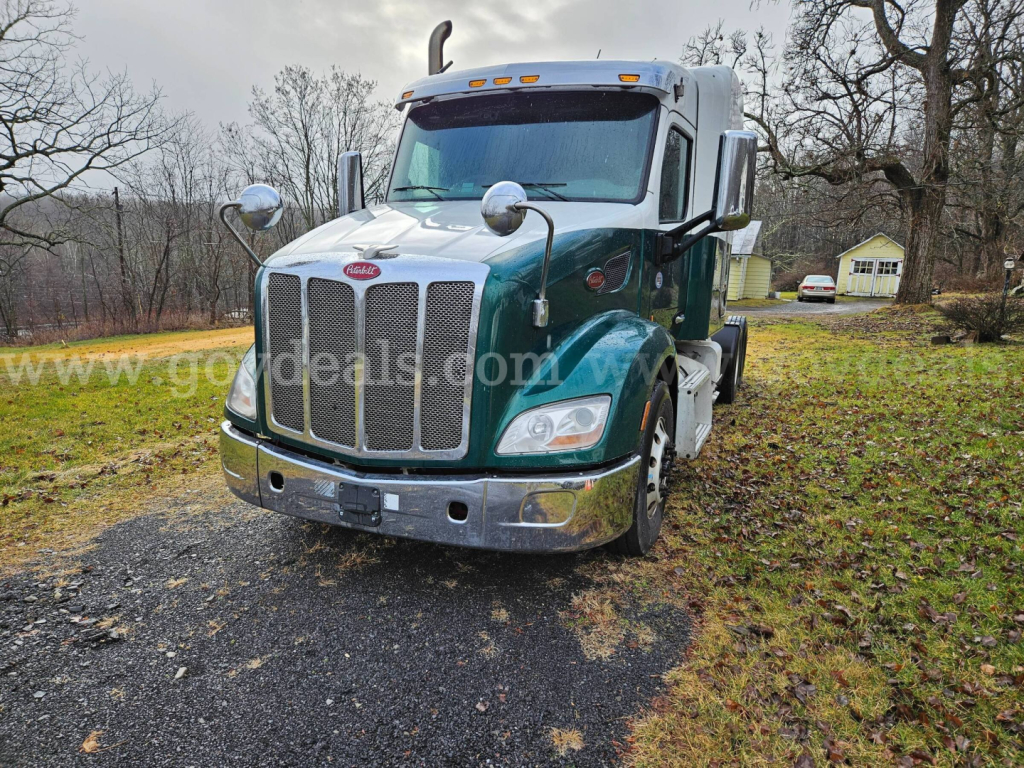
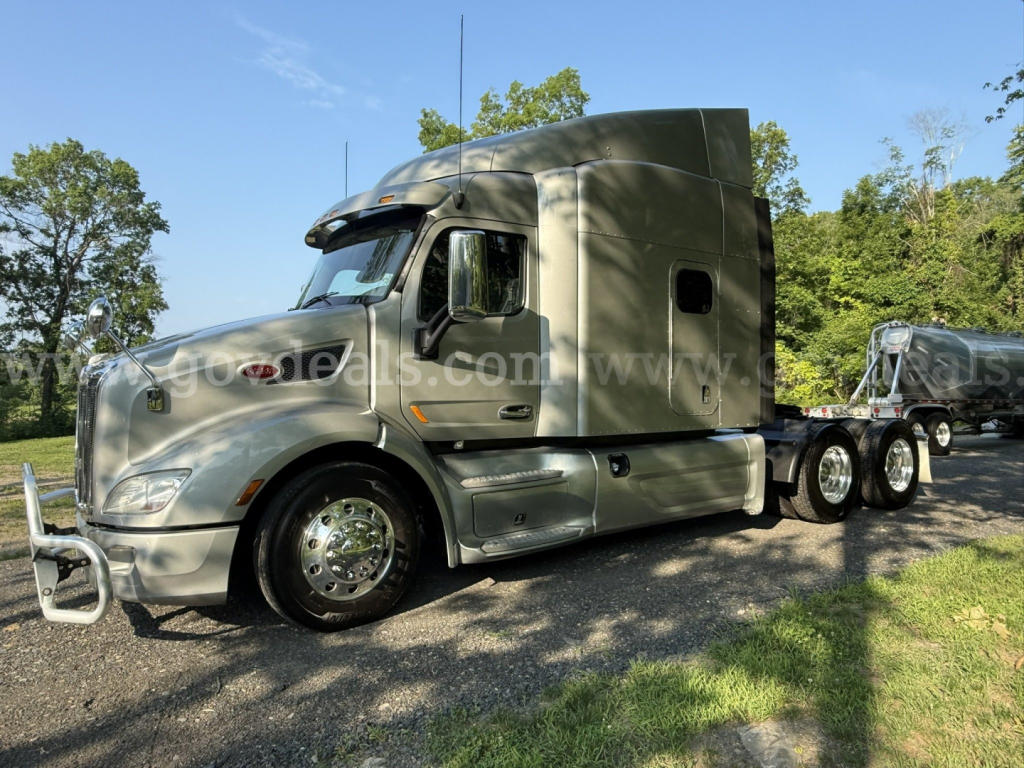

Have used peterbilt other truck to sell? List it here to reach thousands of buyers.
Used Peterbilt Other Trucks in New York
For many buyers, the powertrain is the deciding factor. Used Peterbilt trucks in this class may be equipped with PACCAR, Cummins, or older Caterpillar diesel engines depending on year and original application, paired with manual, automated, or automatic transmissions. Pay close attention to horsepower, torque, rear axle ratio, and gross vehicle weight rating, since these numbers determine how the truck will perform in city work, regional hauling, dump service, equipment transport, or municipal duty. In New York, stop-and-go traffic, bridge laws, winter operation, and local route density make turning radius, suspension condition, brake spec, and corrosion exposure especially important.
Peterbilt trucks are popular because of their driver-friendly cabs, strong parts support, and broad vocational flexibility. Common things to inspect on a used unit include frame modifications, PTO history, fifth wheel placement if applicable, front axle capacity, tire wear patterns, and signs of rust around cab mounts, crossmembers, battery boxes, and underbody components. If the truck has been repurposed, confirm that the wheelbase, frame rail length, and wiring are appropriate for the job you need today. A truck that worked well in one niche can become expensive quickly if the gearing, suspension, or chassis layout does not match your current operation.
Buyers comparing used Peterbilt other trucks should focus less on the label and more on the actual working spec. A day cab with a 10-speed and moderate rear ratio will suit a very different route profile than a heavier vocational chassis with low gearing and PTO provisions. The right truck is the one whose chassis, drivetrain, and service history line up with the load, terrain, and compliance demands of your business. On this type of category page, careful spec-by-spec comparison is what separates a good-looking truck from a productive one.
Frequently Asked Questions about Used Peterbilt Other Trucks in New York
What does "Peterbilt other trucks" usually mean in used listings?
In used truck listings, "other" usually means the unit does not fit neatly into a standard category such as sleeper tractor, day cab, dump truck, or box truck. It may be a specialized chassis, a truck with a custom body, a partially converted unit, or a model with an uncommon spec. The listing should be read closely for axle configuration, frame dimensions, PTO equipment, and intended application before judging fit.
What specs matter most when comparing a used Peterbilt truck in this category?
The most important specs are engine make and horsepower, transmission type, rear axle ratio, axle ratings, wheelbase, suspension, brake setup, and any PTO or hydraulic provisions. Those details tell you how the truck will launch, cruise, turn, carry weight, and support auxiliary equipment. The category label matters less than the actual chassis and drivetrain configuration.
Are used Peterbilt other trucks a good fit for New York operations?
They can be, but New York duty cycles are hard on trucks. Tight urban streets, frequent stops, winter salt exposure, and bridge or route restrictions make wheelbase, visibility, turning radius, and corrosion condition especially important. A truck that is well-suited for New York usually has the right gearing for mixed-speed work, solid brake condition, and a frame and undercarriage that have been checked carefully for rust.
How do I tell if a used Peterbilt has been modified for a different application?
Look for frame drilling, stretched or shortened rails, relocated crossmembers, added wiring, removed hydraulic components, or evidence that a body, hoist, or fifth wheel was changed. Modifications are not automatically a problem, but they should be inspected for workmanship and compatibility with your intended use. It is also smart to verify VIN-based original specifications against the truck’s current setup.