
Used International Other Trucks For Sale
Shop used International other trucks, including specialty, municipal, and vocational units with varied bodies, GVWRs, and job-specific upfits.
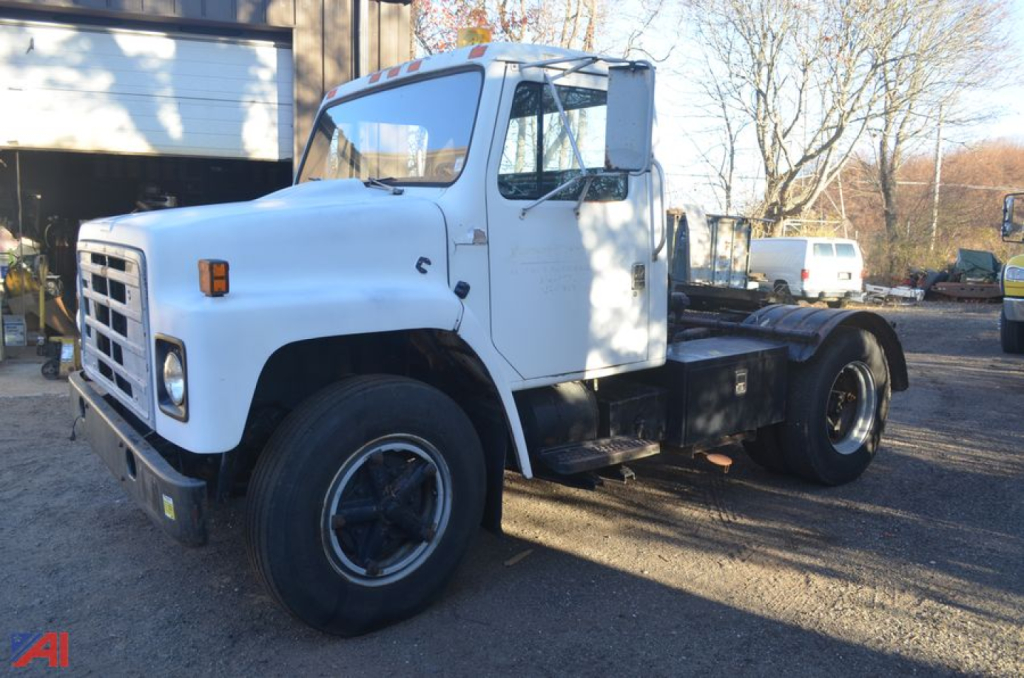

Selling a used international other truck? List your used international other truck for sale and reach thousands of commercial buyers.
Used International Other Trucks
International has long been a common choice for public works, utility, and fleet service applications because parts support is generally strong and the chassis is familiar to many municipal and commercial shops. In the used market, expect to see diesel engines paired with Allison automatic transmissions on many units, especially in stop-and-go duty cycles or operator-intensive applications. GVWR, rear axle ratio, suspension type, frame configuration, and brake setup should match the job. A traffic control or attenuator unit needs stable rear load management and safe body integration. A brush or emergency-support truck may place more emphasis on pump setup, compartment layout, hydraulic systems, scene lighting, or auxiliary electrical capacity.
Condition assessment on an International specialty truck should go beyond basic engine and transmission operation. Check idle hours if available, because many vocational trucks spend significant time stationary while powering lights, pumps, compressors, arrow boards, or hydraulic equipment. Inspect the frame for corrosion, drilled modifications, and signs of prior body swaps or repairs. Review the title status carefully on rebuilt or salvage units, and confirm that any replacement body or counterweight system was installed correctly. Electrical integrity is especially important on municipal and traffic-management equipment, since wiring additions over time can create reliability issues that are harder to diagnose than a straightforward chassis problem.
For buyers comparing listings, the best value usually comes from matching a truck's existing configuration to the work instead of planning a major conversion after purchase. Verify body manufacturer support, replacement part availability, and the condition of wear items such as hydraulic cylinders, pumps, liftgates, warning systems, and mounted safety equipment. Tire condition, brake life, and suspension wear still matter, but on an International other truck the real question is whether the complete package is roadworthy, job-ready, and compliant for its intended use. A well-maintained specialty International can be a practical choice for municipalities, contractors, utility crews, and roadside operations that need a proven vocational chassis with purpose-built equipment already in place.
Frequently Asked Questions about Used International Other Trucks
What kinds of vehicles are included in used International other trucks?
This category usually includes specialty and vocational trucks that do not fit standard box truck, dump truck, or tractor classifications. Common examples include attenuator trucks, brush trucks, municipal service trucks, traffic management units, utility-support trucks, and other custom-bodied International chassis. The defining factor is usually the upfit or job-specific equipment rather than the cab and chassis alone.
What should I inspect first on a used International specialty truck?
Start with the upfit because that is often the most expensive and application-specific part of the truck. Confirm the body, mounted equipment, hydraulics, warning systems, liftgate, pumps, or other specialty components are functional and properly integrated into the chassis. After that, review chassis fundamentals such as engine performance, Allison transmission operation, axle ratings, suspension condition, brake wear, and frame integrity. On fleet and municipal units, idle hours and electrical system condition are especially important.
Are International 7400 and similar models good for vocational applications?
Yes. International 7400 and comparable models are widely used in municipal, utility, and severe-service work because they are built for medium-duty to severe-duty vocational applications. They are commonly spec'd with diesel engines, automatic transmissions, PTO capability, and axle and frame options that support specialized bodies. The right fit depends on GVWR, wheelbase, rear axle capacity, and whether the existing upfit matches the intended job.
Is a salvage-title International specialty truck worth considering?
It can be, but only with careful inspection and documentation. A salvage-title truck may offer value if the damage history is clearly understood and repairs were completed correctly, especially on the cab, frame, wiring, and body mounting points. Buyers should verify title rules in their state, inspect for structural repairs, and confirm that replacement bodies or specialty equipment were installed safely. On attenuator and traffic-management units, rear structure and counterweight systems deserve close attention.
Why do miles alone not tell the whole story on used International other trucks?
Many vocational trucks spend long periods idling while operating job equipment, so mileage can understate actual engine and electrical system use. A truck used for traffic control, emergency support, or municipal service may have moderate road miles but substantial engine hours and wear on alternators, PTO systems, hydraulics, and auxiliary components. Service records, idle-hour data, and the condition of the specialty equipment usually provide a better picture of value than odometer reading alone.