
International Other Trucks For Sale
Shop International other trucks including specialty, municipal, utility, and vocational chassis with varied bodies, specs, and upfit options.
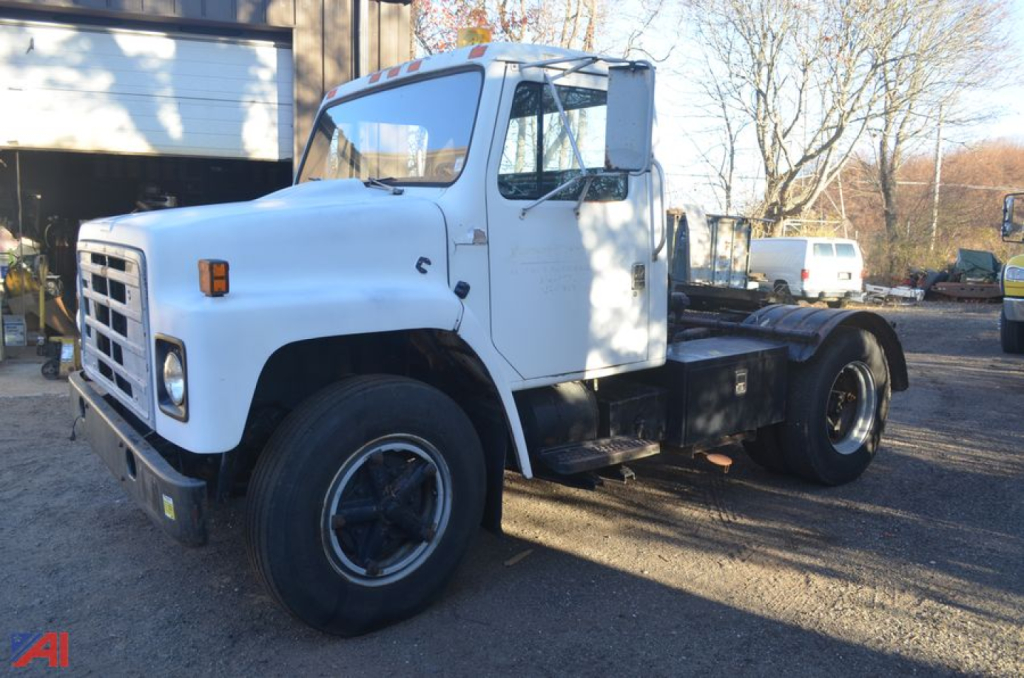
Selling a international other truck? List your international other truck for sale and reach thousands of commercial buyers.
International Other Trucks
On International specialty trucks, common decision points include engine type, transmission, brake system, wheelbase, PTO compatibility, and front and rear axle capacity. Older units may use gasoline V-8 engines and manual transmissions, while newer trucks often feature diesel power with an Allison automatic for easier operation in stop-and-go service. Buyers should pay close attention to GVWR, spring or air suspension, single-axle versus tandem configuration, tire and wheel type, and whether the frame has been modified for the body. On units like fire trucks, traffic control trucks, or municipal equipment, body builder integration matters as much as the chassis itself. Pump systems, warning packages, counterweight design, electrical controls, hydraulic circuits, and auxiliary lighting can all affect usability, serviceability, and compliance.
International has long been a practical choice for vocational fleets because parts support is broad and many technicians are familiar with the platform. For buyers comparing used specialty trucks, condition should be judged by application, not just miles. Idle hours, PTO hours, corrosion, body mounting integrity, wiring quality, and evidence of prior repairs often matter more than odometer readings. If the truck was built for public sector or utility use, inspect maintenance history, title status, and any changes made after the original upfit. A repurposed chassis can still be valuable, but frame condition, weight distribution, and legal operating configuration need to be verified before it goes back to work.
This category is often the right place to look when the job requires a truck built around a specific function instead of a general freight body. Buyers should match the truck to the route, crew size, equipment load, and operating environment. Urban traffic work may favor automatic transmissions, compact wheelbases, high-visibility lighting, and crash attenuator packages. Emergency or municipal applications may require dedicated storage, pump-and-roll capability, scene lighting, or specialized body compartments. The best International other truck is the one with a chassis and upfit that already align closely with the work, because custom changes after purchase can be costly and time-consuming.
Frequently Asked Questions about International Other Trucks
What types of vehicles are usually listed under International other trucks?
International other trucks usually include specialty vocational units that fall outside common truck categories. Examples include fire trucks, traffic management and TMA trucks, municipal service units, utility upfits, road maintenance trucks, and other custom-bodied chassis. The defining feature is that the body and equipment package are built for a specific operational task rather than general cargo hauling.
What should I inspect first on a used International specialty truck?
Start with the chassis-body relationship and the truck’s intended application. Verify GVWR, axle ratings, wheelbase, frame condition, and any visible modifications or repairs. Then inspect the body equipment itself, including PTO function, pumps, hydraulics, warning systems, electrical controls, compartments, and mounting points. On many specialty trucks, body condition, idle hours, and equipment service history matter more than mileage alone.
Are older International specialty trucks with gas engines still worth buying?
They can be, especially for seasonal, municipal, parade, facility, or low-mile local use where simplicity and lower acquisition cost matter. An older gas-engine International may be easier to maintain in some situations, but buyers should confirm parts availability, brake and steering condition, tire age, and whether the drivetrain is appropriate for current operating demands. For heavier daily use, diesel power and an automatic transmission are often more practical.
How important is title status on an International other truck?
Title status is critical because many specialty trucks are rebuilt, repurposed, or transferred between public agencies and commercial operators. A salvage or rebuilt title can affect financing, insurance, and resale value. It also signals the need for closer inspection of repairs, structural integrity, wiring, and legal roadworthiness. On unusual upfits, buyers should confirm that the chassis, body, and safety equipment are documented correctly and compliant for the intended use.
Why do axle ratings and weight distribution matter so much on these trucks?
Specialty bodies often place significant weight behind the cab or at the rear of the chassis, which changes handling, braking, and legal loading. Equipment such as tanks, pumps, crash attenuators, generators, and tool compartments can create uneven or application-specific weight distribution. Buyers should make sure the axle ratings, suspension, wheelbase, and frame setup match the installed body so the truck performs safely and remains compliant when fully equipped.