
Hino Other Trucks For Sale
No exact matches found for your search
Showing Other Trucks instead.
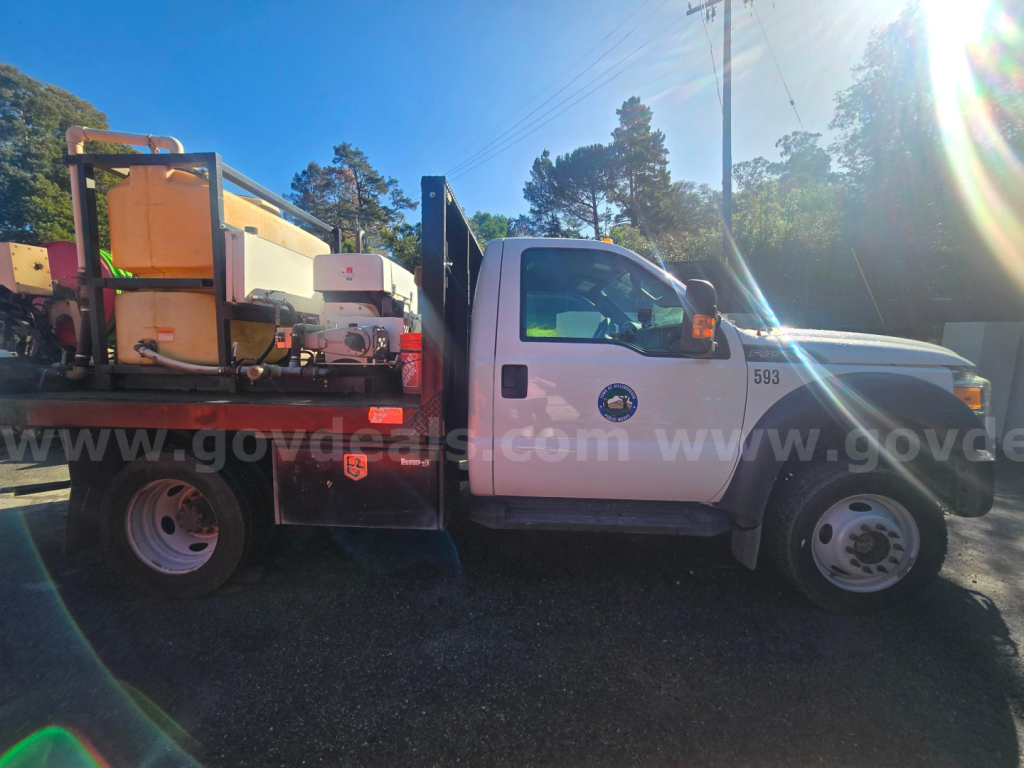
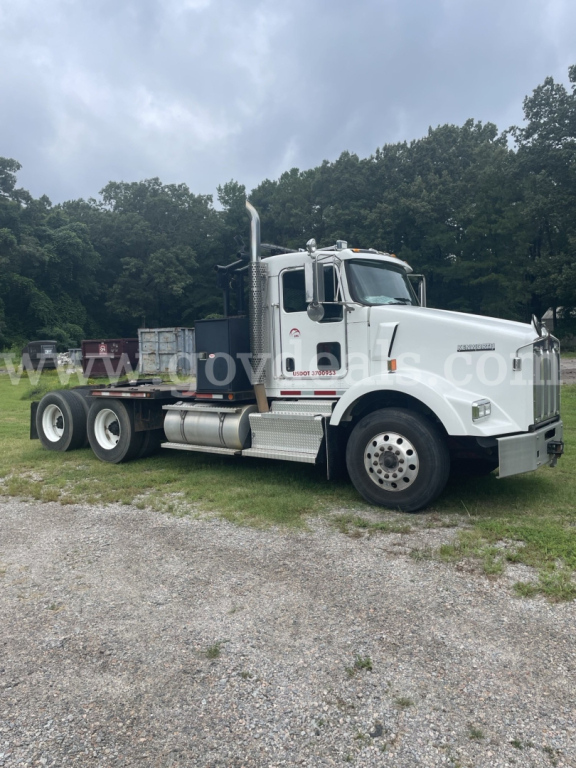
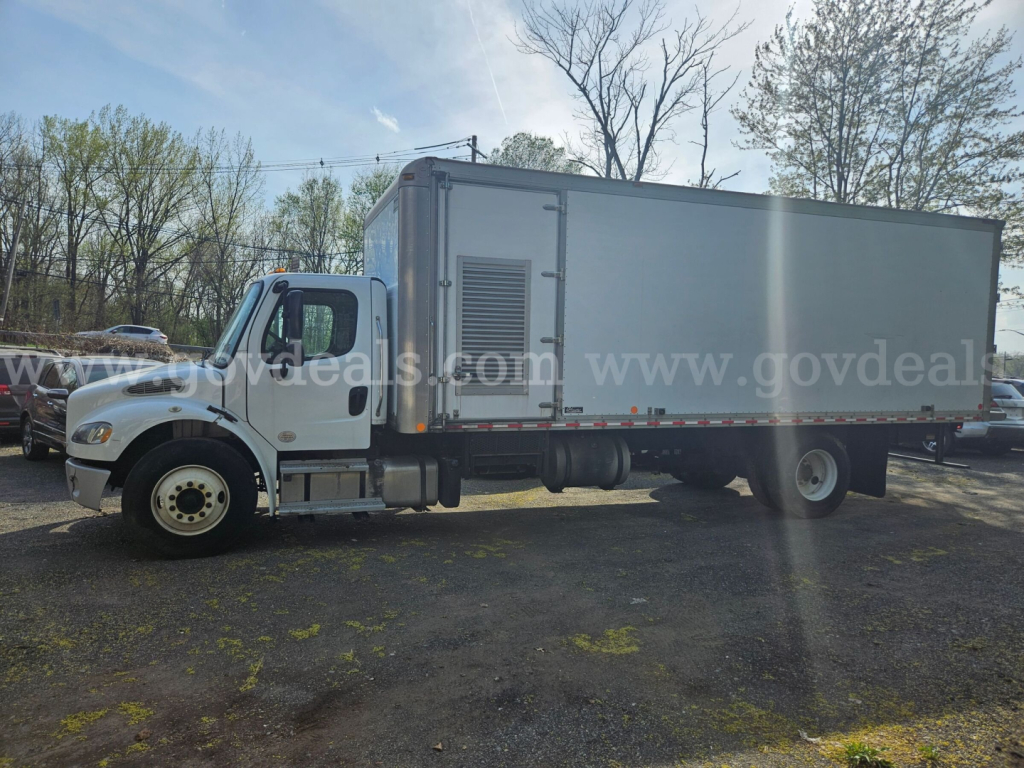
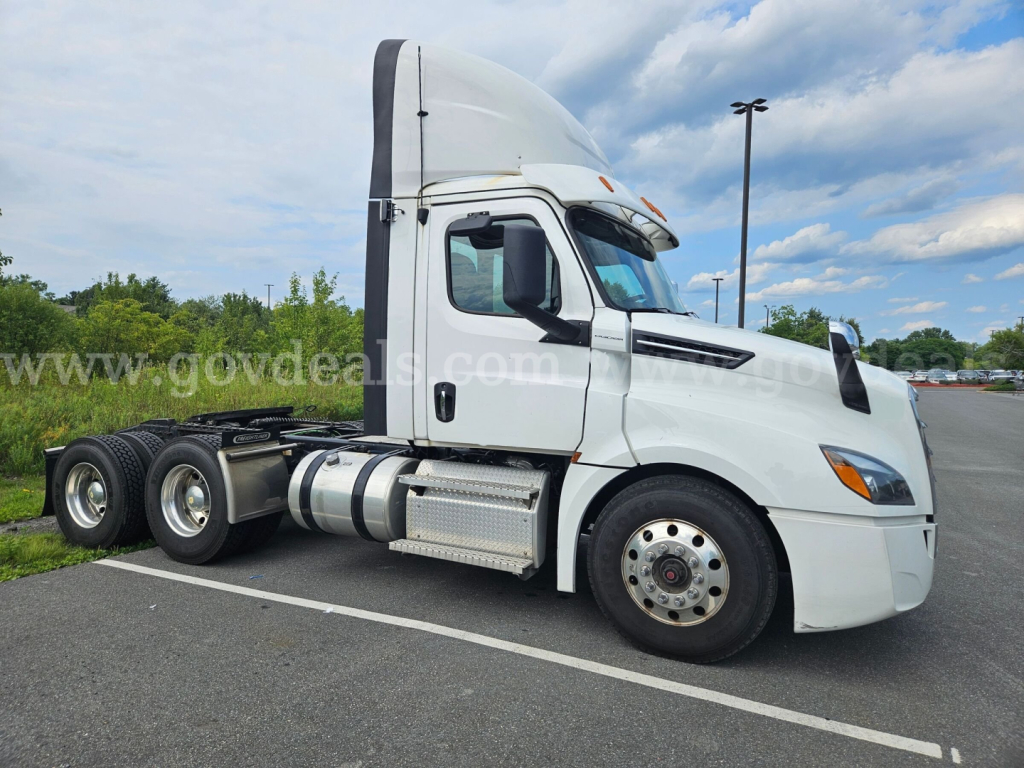
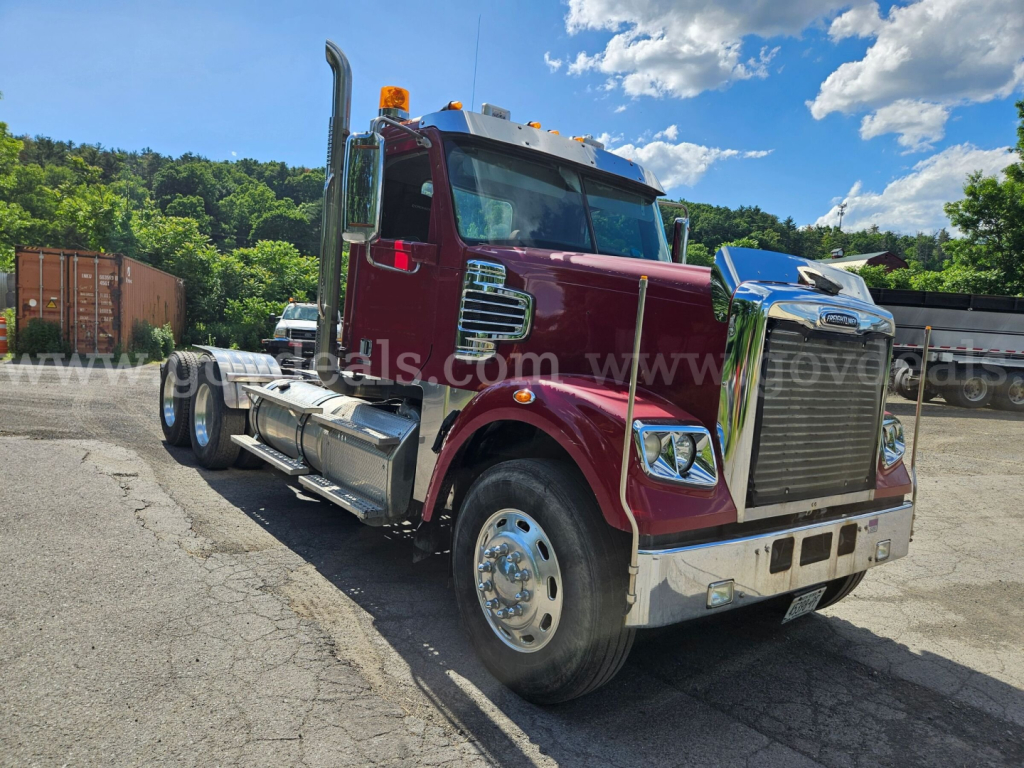
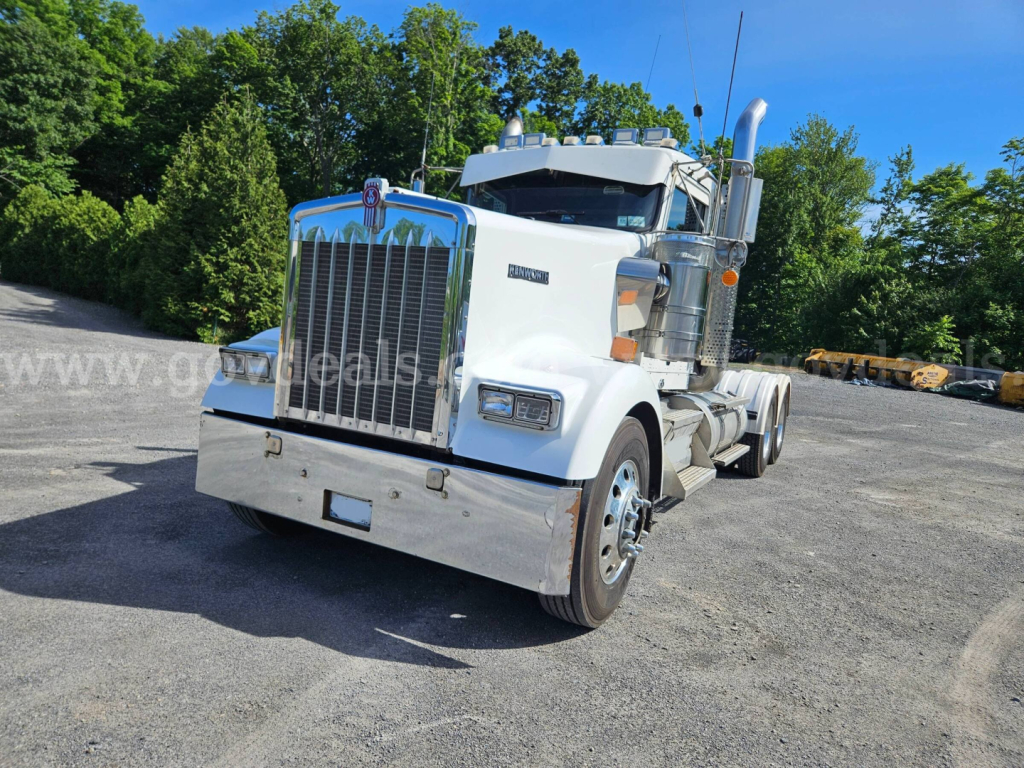
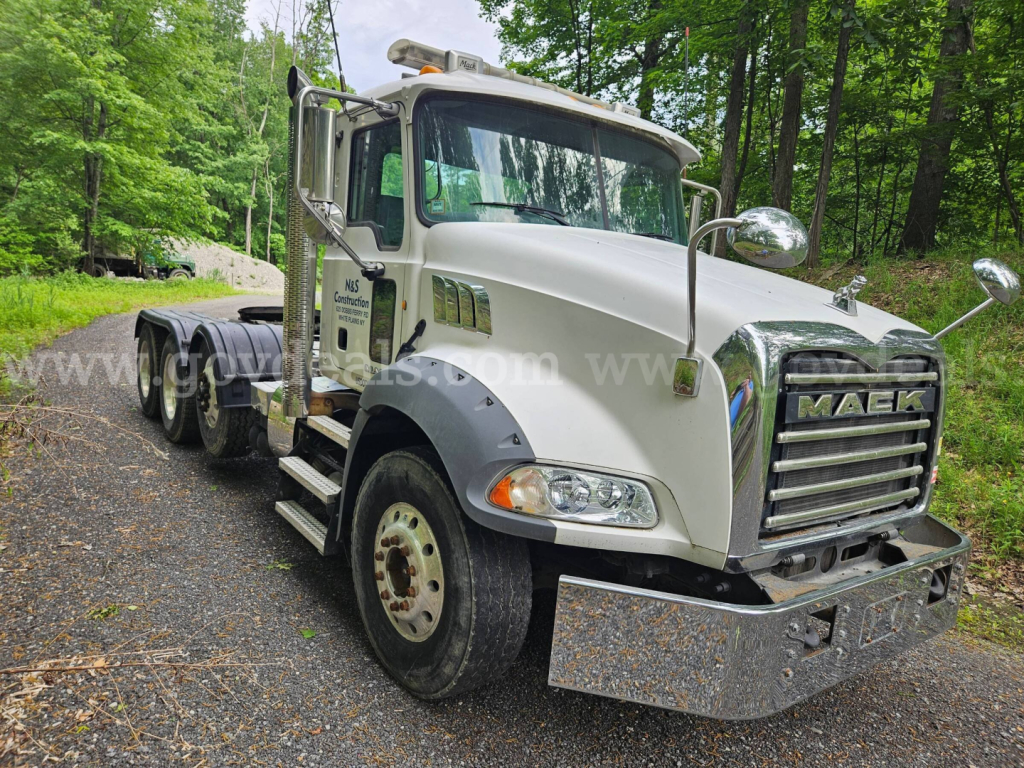

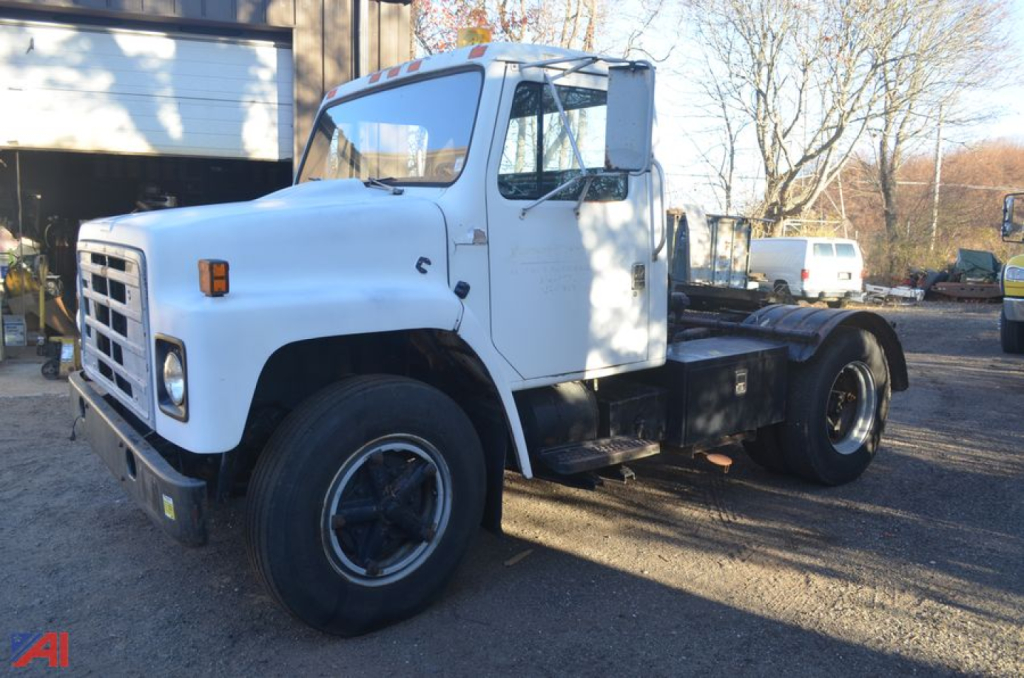
Showing 1 to 12 of 32 results
Have hino other truck to sell? List it here to reach thousands of buyers.
Hino Other Trucks
A lot of the buying decision comes down to how the truck will be built and what it needs to carry. Common checkpoints include GVWR, front and rear axle ratings, frame strength, suspension type, and wheelbase for body length or equipment placement. On newer Hino models, buyers may see Cummins diesel power paired with Allison automatic transmissions, including PTO provision for hydraulic-driven equipment. Tandem axle configurations, higher rear axle capacities, and air suspension setups are especially relevant for heavier vocational work, including hooklift, rollback, crane, mechanics body, tanker, dump, or utility applications. Rear ratio also matters because it affects launch performance, gradeability, and cruising rpm once the truck is loaded.
Hino has long been a strong fit for fleets that want straightforward serviceability, a comfortable cab, and predictable operating costs in regional and municipal service. For buyers comparing Hino specialty chassis to other Class 6, Class 7, or Class 8 vocational trucks, the real question is how well the truck’s specs match the finished application. A longer wheelbase can improve body fit and equipment spacing but may reduce maneuverability in city work. Air rear suspension can improve ride quality and protect certain loads or mounted equipment, while spring suspension may be preferred for simpler severe-duty use. If the truck will run a pump, hoist, compressor, winch, or other auxiliary gear, transmission PTO compatibility should be confirmed early.
The best way to evaluate a Hino other truck is to start with the final job and work backward through the chassis. Match horsepower and torque to terrain and payload, verify axle and suspension ratings against legal and practical operating weights, and confirm the frame and wheelbase will accept the intended body. Buyers should also check emissions system history, brake configuration, cab-to-axle measurement, and any existing body-builder prep. In this category, the value is rarely just the badge or model year. It comes from getting a Hino chassis that is correctly spec’d for the work it will do every day.
Frequently Asked Questions about Hino Other Trucks
What types of trucks usually fall under Hino other trucks?
Hino other trucks typically include specialty or vocational chassis that do not fit neatly into standard categories like dry van, flatbed, or day cab tractor. Examples can include chassis intended for dump bodies, hooklifts, tankers, rollback carriers, mechanics trucks, utility bodies, municipal builds, and other custom upfits. The common thread is that the buyer is usually purchasing the truck for its chassis specifications and body-builder suitability rather than for a standard factory body configuration.
What specs matter most when buying a Hino specialty chassis?
The most important specs are usually GVWR, axle ratings, wheelbase, cab-to-axle dimension, suspension type, frame strength, engine output, transmission type, and PTO capability. These determine whether the truck can legally carry the load, accept the intended body, and operate auxiliary equipment. Rear axle ratio is also important because it affects low-speed pulling power and highway drivability. For heavier applications, tandem axles and higher rear axle capacities can be a major advantage.
Why is PTO provision important on many Hino other trucks?
PTO provision matters because many vocational trucks power hydraulic or mechanical accessories through the transmission. A PTO can run equipment such as dump hoists, pumps, compressors, winches, cranes, or hooklift systems. If the application requires auxiliary power, the truck should be spec’d with a compatible transmission and the correct PTO setup from the start. Retrofitting later can be more expensive and may limit equipment choices.
Is air suspension a good choice for a Hino vocational truck?
Air suspension can be an excellent choice when ride quality, equipment protection, or load stability is a priority. It is often used on applications where the mounted body or cargo benefits from reduced vibration and better ride control. It can also help with driver comfort in regional service. For some severe-duty applications, buyers may still prefer a simpler spring suspension for durability, lower complexity, or familiarity within their maintenance operation.
How do I know if a Hino other truck is properly spec’d for my application?
Start by identifying the finished body, the expected payload, and the route conditions the truck will see every day. Then compare those needs against the truck’s GVWR, axle ratings, wheelbase, cab-to-axle measurement, engine horsepower, transmission, suspension, and PTO readiness. It is also smart to confirm body-builder requirements, bridge law considerations, and local operating rules before buying. A truck that looks strong on paper can still be a poor fit if the dimensions or drivetrain do not match the final job.