
Oshkosh Trucks For Sale in North Dakota
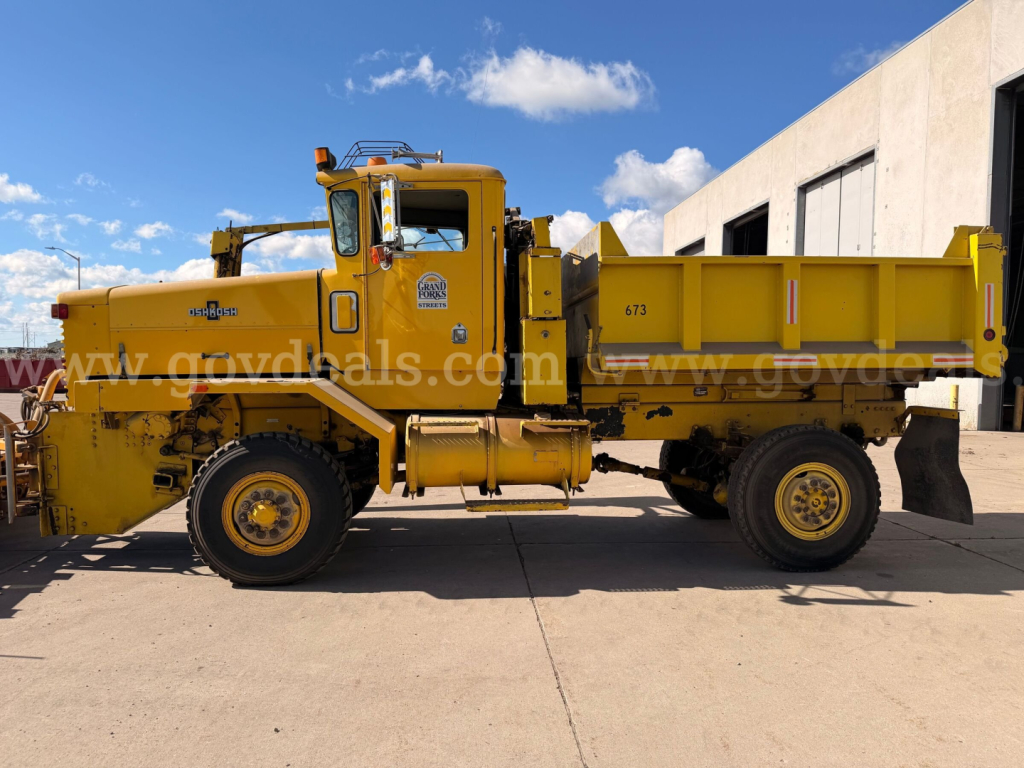
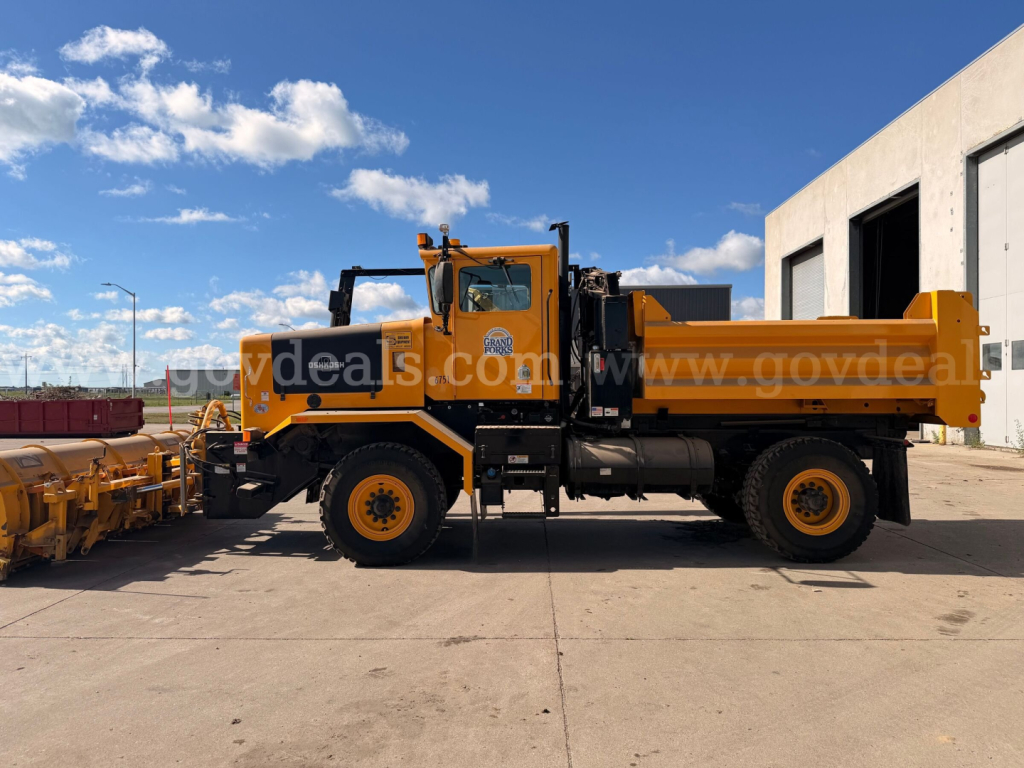
Browse Oshkosh trucks for sale in North Dakota, including heavy-duty plow trucks built for airport, municipal, and severe winter service.
Learn more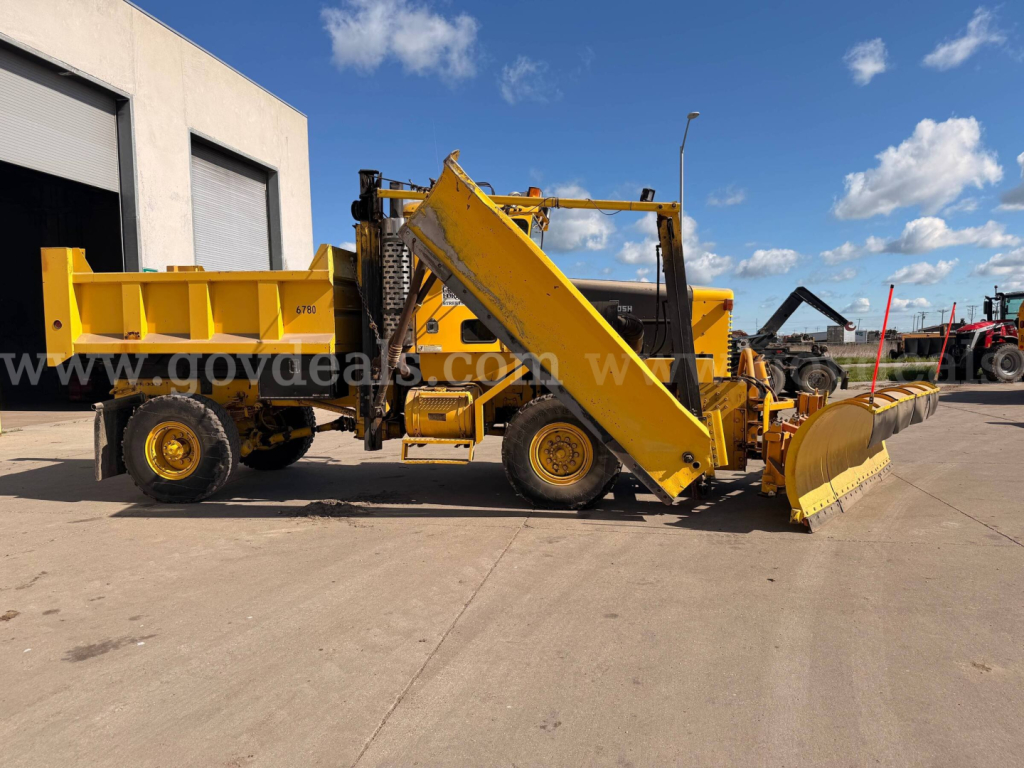
Have oshkosh truck to sell? List it here to reach thousands of buyers.
About Oshkosh Trucks in North Dakota
For a buyer comparing used Oshkosh trucks, the first decision is usually application, not model year. Municipal street plowing, county road work, and airfield snow removal can require very different setups. Key details include transfer case configuration, front axle capacity, wheelbase, hydraulic package, and whether the truck was spec'd for one-man plow duty or multi-function snow fighting. Automatic transmissions are common in this category because they simplify repeated directional changes and low-speed operation. A Hi-Lo transfer case is also a major feature on many Oshkosh plow trucks, especially where operators need controlled torque delivery in deep snow, slush, and low-friction conditions.
Condition matters more than cosmetics on this equipment class. Many Oshkosh units spend their lives in government or airport fleets, which can mean disciplined maintenance but also long exposure to salt, brine, vibration, and idle time. Buyers should look closely at frame corrosion, hydraulic leaks, transfer case operation, steering components, front suspension wear, and the condition of plow mounts and attachment points. On lower-mile trucks, engine hours can tell a more accurate story than the odometer because snow equipment often accumulates substantial idle and PTO-related operating time. Cab layout, visibility, heater and defrost performance, and backup camera integration can also matter more here than on a standard vocational truck because winter service is high-fatigue work done in poor visibility.
Oshkosh trucks tend to appeal to buyers who need a specialized severe-service platform rather than a general-purpose on-highway chassis. Parts support, attachment compatibility, and the truck's previous duty cycle should be weighed carefully before purchase. In North Dakota, that usually means focusing on cold-start reliability, all-wheel-drive or front-wheel-drive traction systems where applicable, and overall readiness for snow and ice operations. A well-maintained Oshkosh plow truck can still be a valuable asset for airports, DOT fleets, contractors, and municipalities that need heavy snow removal capability with durable running gear and proven winter-service engineering.
Frequently Asked Questions
What are Oshkosh trucks commonly used for in North Dakota?
Oshkosh trucks in North Dakota are commonly used for severe-duty winter service, especially snow plowing and airfield snow removal. Many units are configured for municipal roads, county highways, or airport operations where traction, front-end equipment capacity, and reliable low-speed performance are critical. Compared with a standard highway truck, an Oshkosh plow truck is typically built to carry heavier front-mounted equipment and operate in harsher weather for longer duty cycles.
What should I inspect first on a used Oshkosh plow truck?
Start with the frame, driveline, hydraulics, and front-end structure. Rust and corrosion are important because these trucks often work in salt and brine. Check transfer case engagement, axle operation, steering wear, hydraulic cylinder condition, hose integrity, and the mounting points for plows or other snow equipment. Mileage alone is not enough, so compare odometer readings with engine hours and maintenance history to understand how the truck was actually used.
Why do many Oshkosh snow trucks have automatic transmissions and Hi-Lo transfer cases?
Automatic transmissions are common because snow work involves frequent speed changes, repeated directional shifts, and sustained low-speed operation that would be tiring and less efficient with a manual. A Hi-Lo transfer case gives the operator better control over torque delivery in deep snow, on slick surfaces, and during heavy pushing conditions. That combination helps the truck stay productive in municipal and airport service where traction and control matter more than highway cruising efficiency.
Are older Oshkosh trucks still practical to own and operate?
They can be, provided the truck has been maintained properly and parts support is still workable for the exact model and configuration. Older Oshkosh trucks are often valued for their heavy construction and specialized winter-service design, but buyers need to verify component condition, attachment compatibility, and serviceability before purchase. An older truck with good fleet maintenance records can still perform well, while a neglected unit can become expensive quickly because of hydraulic, corrosion, and driveline repairs.
How important are engine hours on an Oshkosh plow truck?
Engine hours are very important because these trucks often spend significant time idling, powering hydraulics, or operating at low speeds during snow events. A truck with relatively low miles may still have substantial wear if it accumulated many hours in winter fleet service. Looking at both miles and hours gives a more accurate picture of engine use, drivetrain stress, and the likely maintenance needs of the truck.