
Oshkosh Trucks For Sale
Explore severe-duty Oshkosh trucks for sale, from front-discharge mixers to snow and ARFF 6x6 or 8x8 units. Compare AWD, engines, GVWR and specs.
Selling a oshkosh truck? List your oshkosh truck for sale and reach thousands of commercial buyers.
Oshkosh Trucks
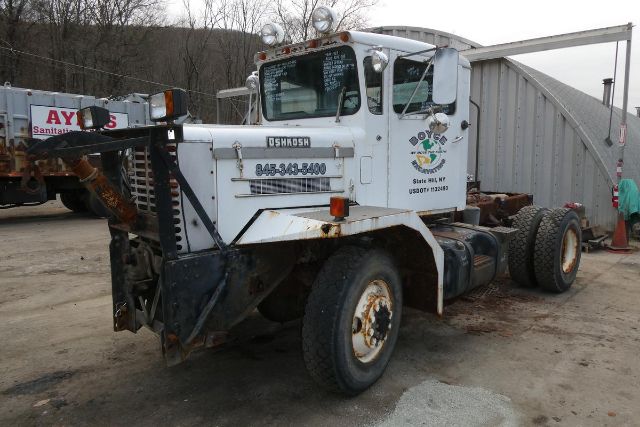
Front-discharge concrete mixers are a common civilian-spec offering under the Oshkosh S-Series. The operator faces the pour with in-cab chute and drum controls that improve placement speed and jobsite visibility. Typical drums are 10 to 12 cubic yards with hydraulic or electric chute options, multiple extension chutes and on-board water. Axle layouts often include 8x6 or 10x6 with pusher or tag axles to meet bridge weight laws. Look at drum life remaining, roller track condition, gearbox and hydraulic pump health, as well as steerable lift axles that help turning in tight urban pours.
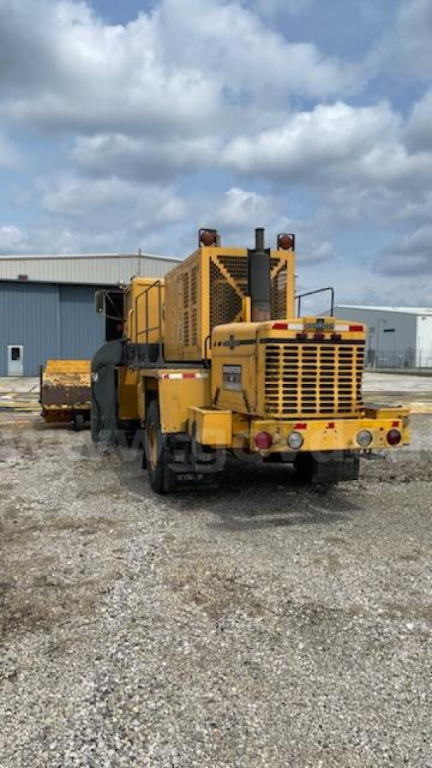
Municipal and airport snow equipment shows up frequently too. The H-Series is built for extreme snow service with high-horsepower engines, high-flow hydraulics, heavy front-axle ratings and quick-attach plow or blower heads. Airport ARFF units from Oshkosh Airport Products, like Striker 4x4, 6x6 or 8x8, feature large water and foam tanks, high GPM pumps and independent suspension on some models for speed on rough pavement. Surplus Oshkosh Defense trucks such as HEMTT or PLS variants can be excellent off-road haulers with CTIS, 24-volt electrical systems and super single tires. For highway use, verify DOT lighting, mirrors, speed rating, emissions compliance and title status since some examples were not originally certified for on-road service.
Buyers comparing Oshkosh trucks for sale should match axle configuration, wheelbase, GVWR and PTO capacity to the work. Confirm service records and weigh hours as heavily as miles on mixers, blowers and ARFF units. Inspect frames and crossmembers for corrosion if the truck lived in snowbelt duty. Check hydraulic systems for leaks or cavitation, transfer case engagement, planetary hub seals, brake condition and tire availability on specialty sizes. Parts support is strong through Oshkosh and component OEMs like Allison, Cummins, Caterpillar and Detroit, but lead times can vary on military-specific items. Align the spec with payload targets and local weight laws to protect productivity and uptime.
Frequently Asked Questions about Oshkosh Trucks
What types of Oshkosh trucks are commonly available and what are typical specs?
Common listings include S-Series front-discharge mixers with 10 to 12 cubic yard drums, 8x6 or 10x6 axle layouts and Allison 4500 to 4800 series automatics powered by Cummins, Caterpillar or Detroit engines. Snow units such as H-Series plow or blower carriers often appear in 4x4 or 6x6 with heavy front axles and high-flow hydraulics. Airport ARFF units like Striker come in 4x4, 6x6 or 8x8 with large water and foam capacities. Surplus Oshkosh Defense 6x6 or 8x8 trucks may include CTIS, planetary axles and 24-volt systems intended for off-road service.
Are ex-military Oshkosh trucks legal to operate on public roads?
It depends on the specific truck and your state. Some units were never certified for highway use and will require inspections, DOT lighting and mirror updates, mudflaps, speed-rated tires and proper titling to register. Emissions compliance can be a factor, especially in CARB states. Verify VIN, title status and axle ratings, and consult local regulations before purchase. Many buyers keep these trucks off-road on sites, farms or quarries when highway certification is not practical.
What should I inspect on a used Oshkosh front-discharge mixer before purchase?
Measure drum shell thickness and check for patch plates, examine the drum ring, roller track and rollers for flat spots, test the drum drive gearbox and hydraulic pump for noise or heat, and operate all chute and in-cab controls. Inspect water tanks, pumps and admixture systems, and confirm included chute sections. Review steerable lift axle bushings and cylinders, check frame rails around suspension hangers for cracking, and evaluate engine health with a blow-by and oil analysis. Verify bridge-law compliance for your routes.
How do Oshkosh 6x6 and 8x8 drivetrains perform compared with conventional tandems?
All-wheel drive with planetary axles delivers superior traction, ground clearance and approach angle for mud, snow and uneven terrain. Transfer case low ranges and locking diffs aid slow, controlled work with heavy PTO loads. Trade-offs include higher empty weight, more complex driveline service, specialty tire sizes and sometimes a larger turning radius. On-road top speeds may be lower on defense-derived models due to gearing and tire ratings.
Are parts and service available for older Oshkosh trucks?
Yes. Oshkosh maintains support for many legacy platforms and most powertrain components are from mainstream OEMs like Allison, Cummins, Caterpillar and Detroit. Wear items such as brakes, bearings and hydraulic components are widely sourced. Military-specific parts, CTIS components and unusual tire sizes can have longer lead times, so plan inventory accordingly. Service manuals and wiring diagrams are available through OEM channels or fleet support programs.