
Oshkosh Plow Trucks For Sale in North Dakota
Shop Oshkosh plow trucks for sale in North Dakota. Heavy-duty snow removal trucks built for airport, highway, and municipal winter service.
Learn more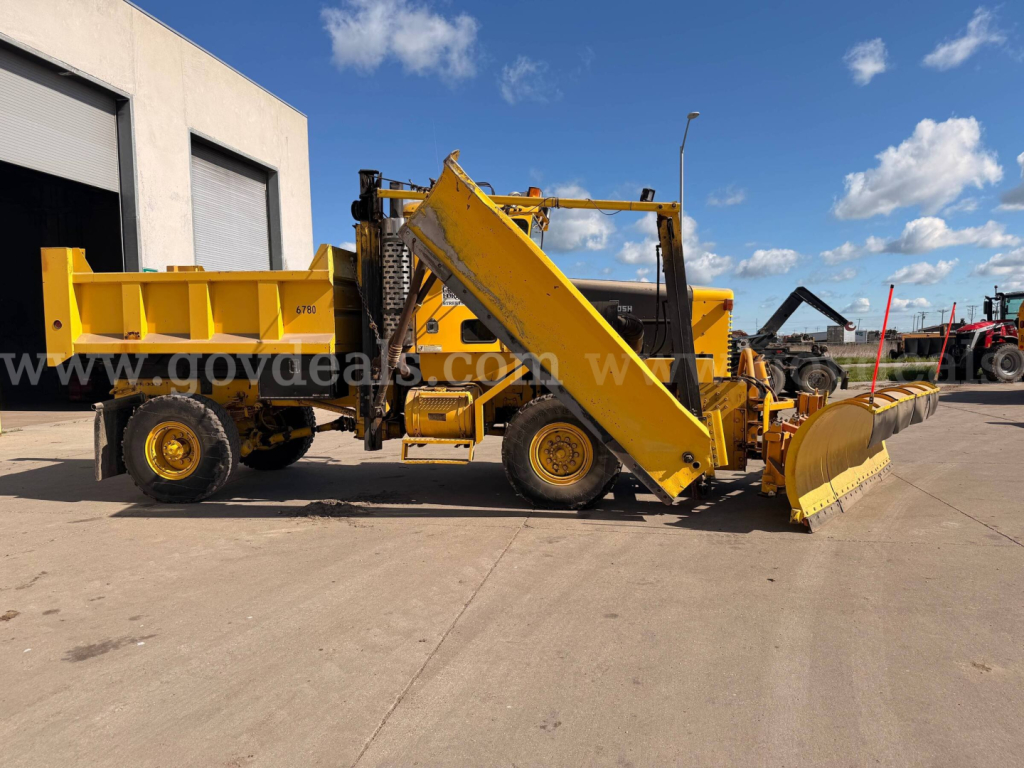
Have oshkosh plow truck to sell? List it here to reach thousands of buyers.
About Oshkosh Plow Trucks in North Dakota
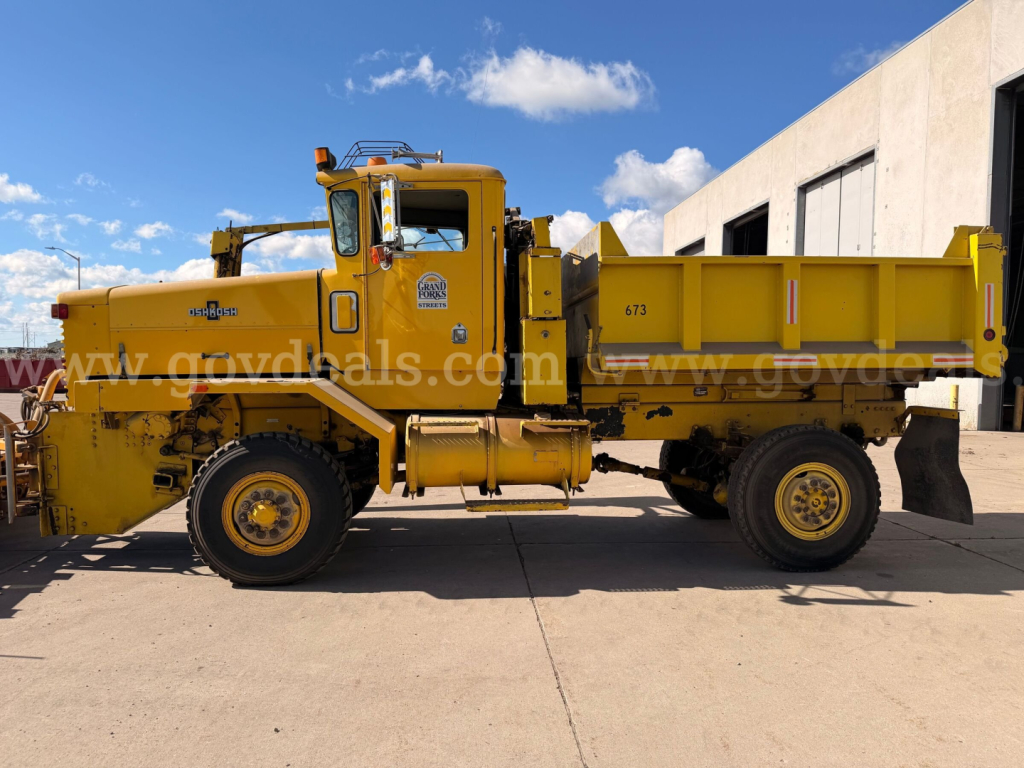
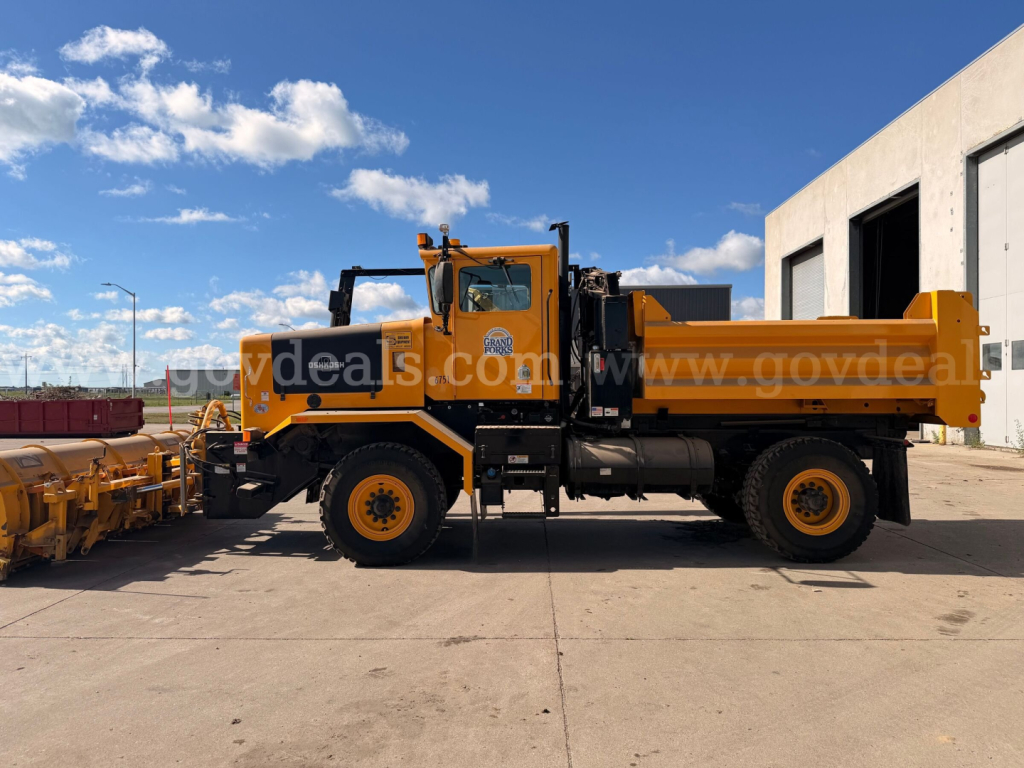
A lot of used Oshkosh plow trucks on the market are older government or municipal fleet units, often with relatively low miles for their age but substantial idle hours and seasonal use. That means miles alone do not tell the full story. Buyers should pay close attention to engine hours, transfer case operation, front frame and plow mount condition, hydraulic performance, steering components, and corrosion around the dump body, spreader chain, and cab floors. Automatic transmissions are common, and many units include Hi-Lo transfer cases to balance transport speed with low-speed pushing power. Front axle ratings, spring or suspension condition, and evidence of cracking near plow towers or wing posts are especially important on older heavy-spec trucks.
Configuration matters as much as brand. Some Oshkosh plow trucks are set up primarily for road clearing with a one-way front plow and underbody scraper, while others are built for multi-lane work with wing plows and large-capacity sand or salt bodies. Airport-oriented units may emphasize wide clearing passes, high-output hydraulics, and stable all-weather handling. Municipal buyers often look for simple mechanical systems, parts accessibility, and compatibility with existing spreader controls. If the truck will stay in North Dakota service, cab heat, defrost performance, lighting, visibility, and cold-weather starting should be evaluated just as closely as horsepower. A truck that starts reliably at low temperatures and keeps hydraulics responsive in subzero conditions saves time during storms.
The best Oshkosh plow truck for a buyer usually comes down to intended route size, average snowfall, road speed requirements, and maintenance capacity. A lighter-duty municipal route may not need the same axle, tire, and plow-frame spec as a state highway or airfield application. Buyers comparing listings should look for complete upfit details, including plow type, wing setup, spreader body material, hydraulic reservoir condition, tire size, and any evidence of fleet maintenance history. Oshkosh remains a strong name in dedicated snow and ice control because these trucks are built around the job, not adapted to it after the fact.
Frequently Asked Questions
What makes an Oshkosh plow truck different from a standard dump truck with a plow attached?
An Oshkosh plow truck is typically built as a severe-service snow removal platform with heavier front axle capacity, a purpose-designed frame, robust hydraulic systems, and drivetrain configurations such as all-wheel drive or front drive with a Hi-Lo transfer case. A standard dump truck can carry a plow and spreader, but it may not offer the same steering durability, traction, push capacity, or long-term structural strength under repeated winter service.
Are older Oshkosh plow trucks still a practical buy for North Dakota snow work?
Yes, many older Oshkosh plow trucks remain practical because they were originally built for demanding municipal or airport use, but condition matters more than age alone. Buyers should evaluate corrosion, hydraulic response, front-end wear, transfer case function, engine hours, and the condition of plow mounts and spreader systems. A well-maintained fleet truck can still be a productive machine, especially for seasonal use.
What should I inspect first on a used Oshkosh plow truck?
Start with the front frame, plow attachment points, wing tower areas, hydraulic system, and drivetrain. Then verify transfer case engagement, transmission shift quality, steering play, brake condition, and any rust in the cab, body, or spreader assembly. On snow equipment, idle time and cold-weather wear often matter as much as mileage, so service records and hour meter readings are valuable.
Is all-wheel drive necessary on an Oshkosh plow truck?
Not every operation requires all-wheel drive, but it is a major advantage in deep snow, drifting areas, steep grades, and rural highway work. For flatter municipal routes with shorter pushes, another drivetrain setup may be sufficient if tire spec, ballast, and plow configuration are correct. The right choice depends on route conditions, storm severity, and how much traction margin the operator needs during peak events.
What applications are Oshkosh plow trucks commonly used for?
Oshkosh plow trucks are commonly used for state and county highways, municipal street departments, airport snow removal, industrial sites, and other severe winter maintenance operations. They are often equipped to plow, scrape, and spread deicing material in one pass, which makes them useful for agencies and contractors responsible for keeping large road networks or airfields open during storms.