
Commercial Trucks For Sale in North Carolina

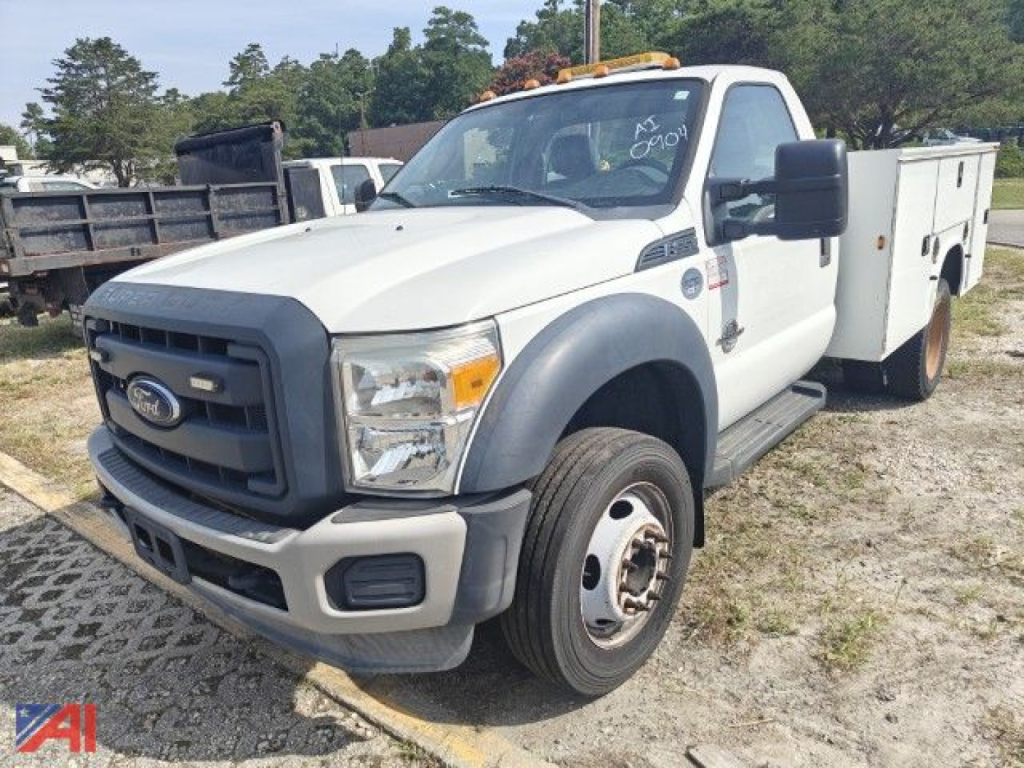
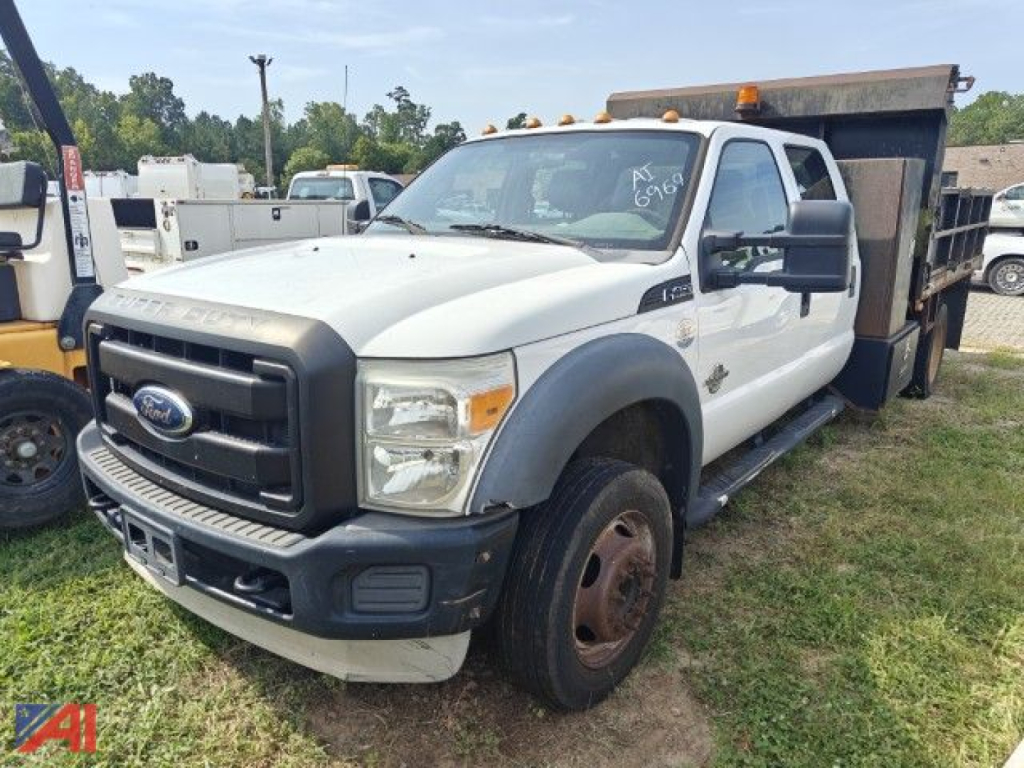
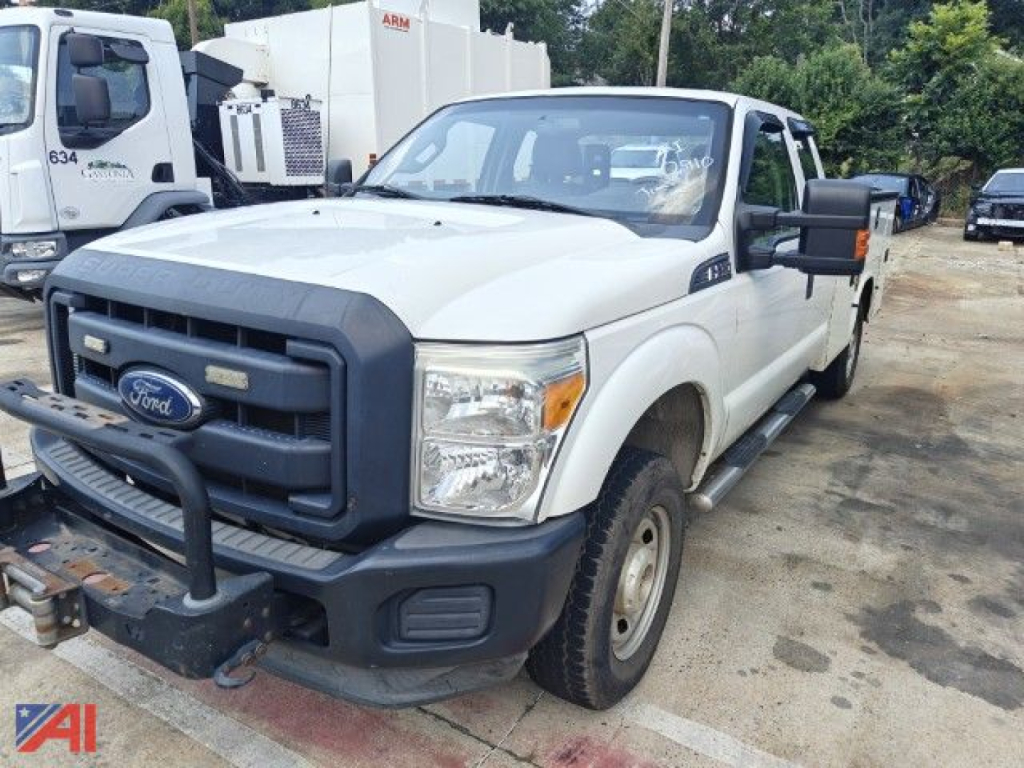
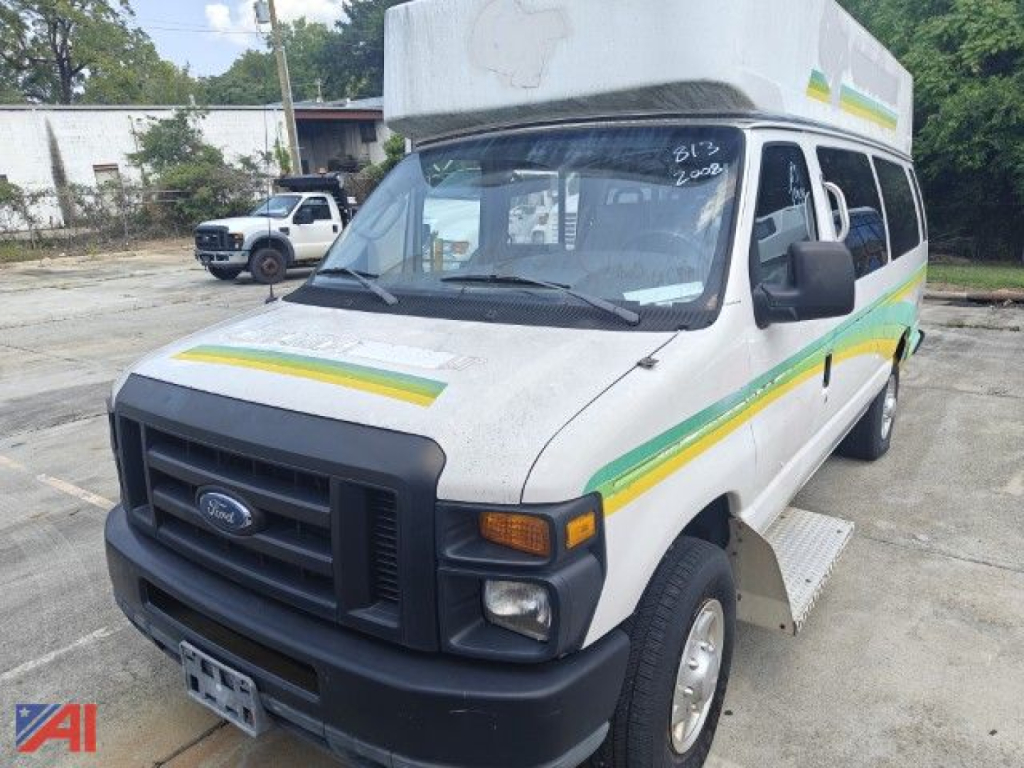
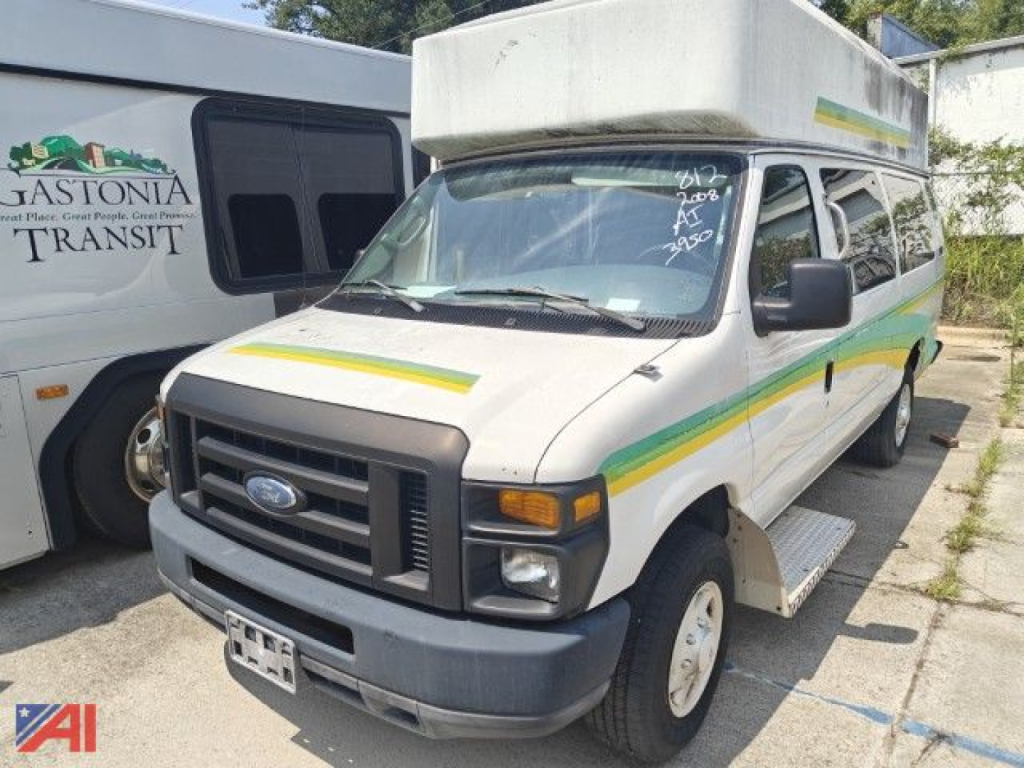
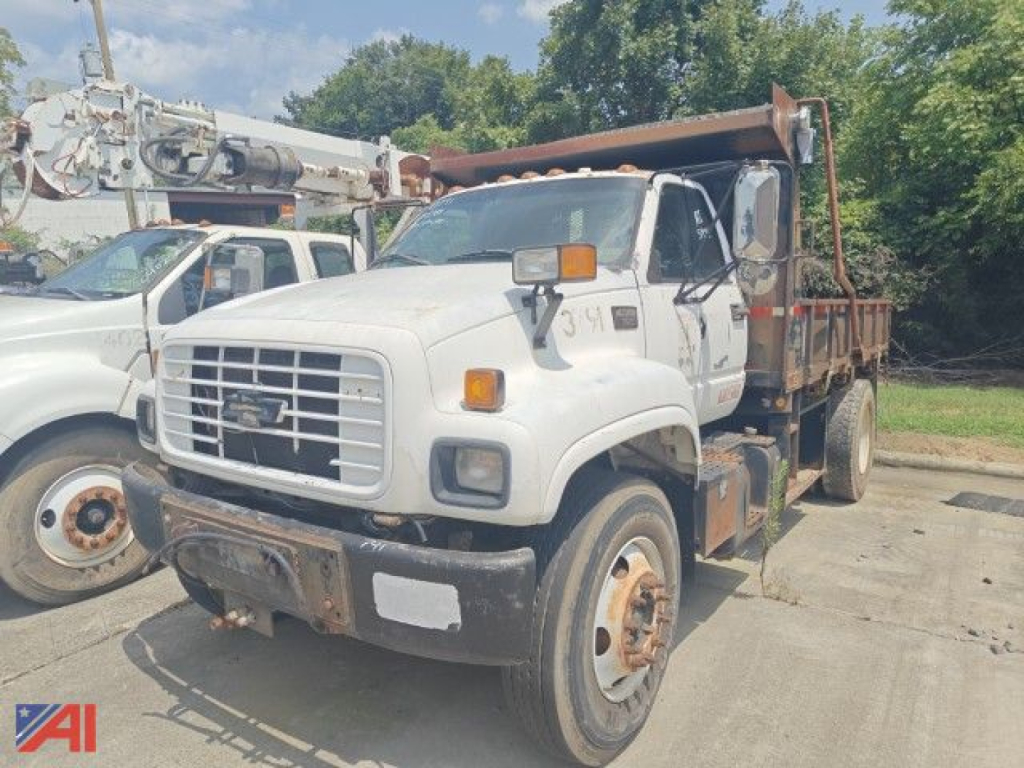
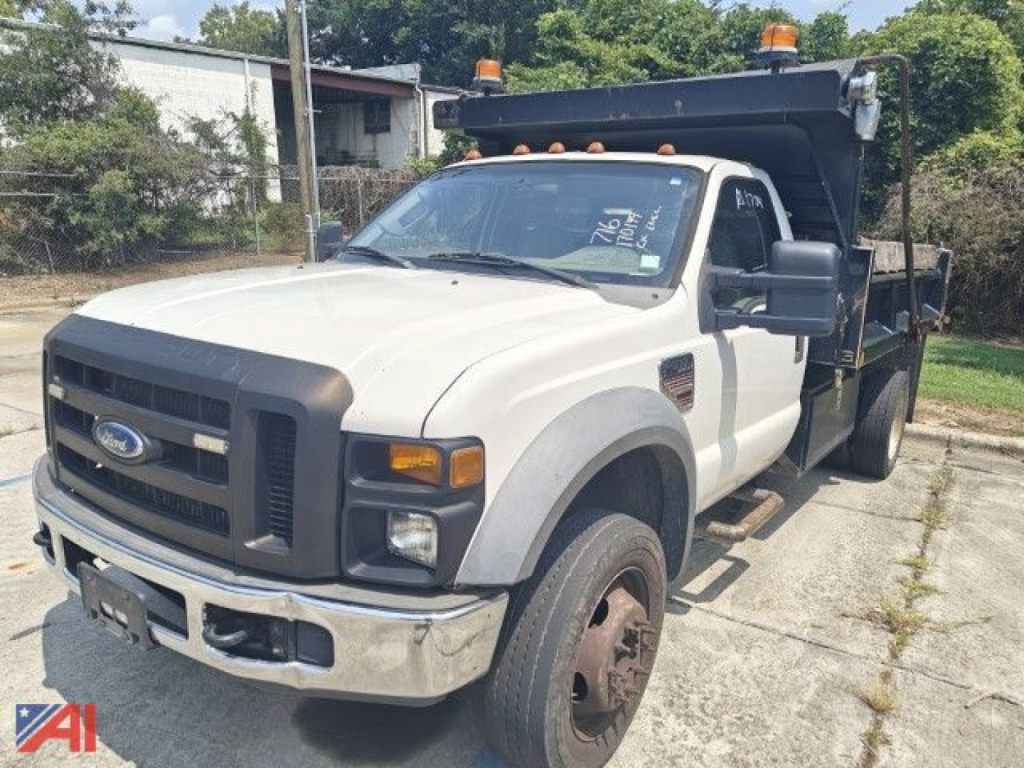
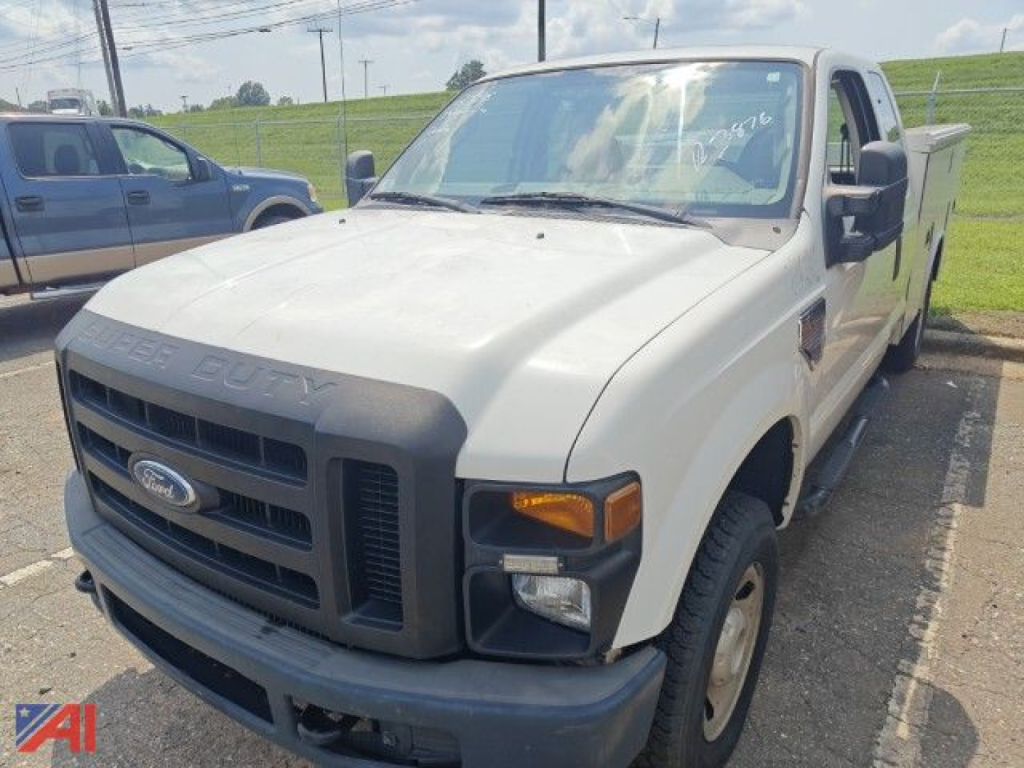
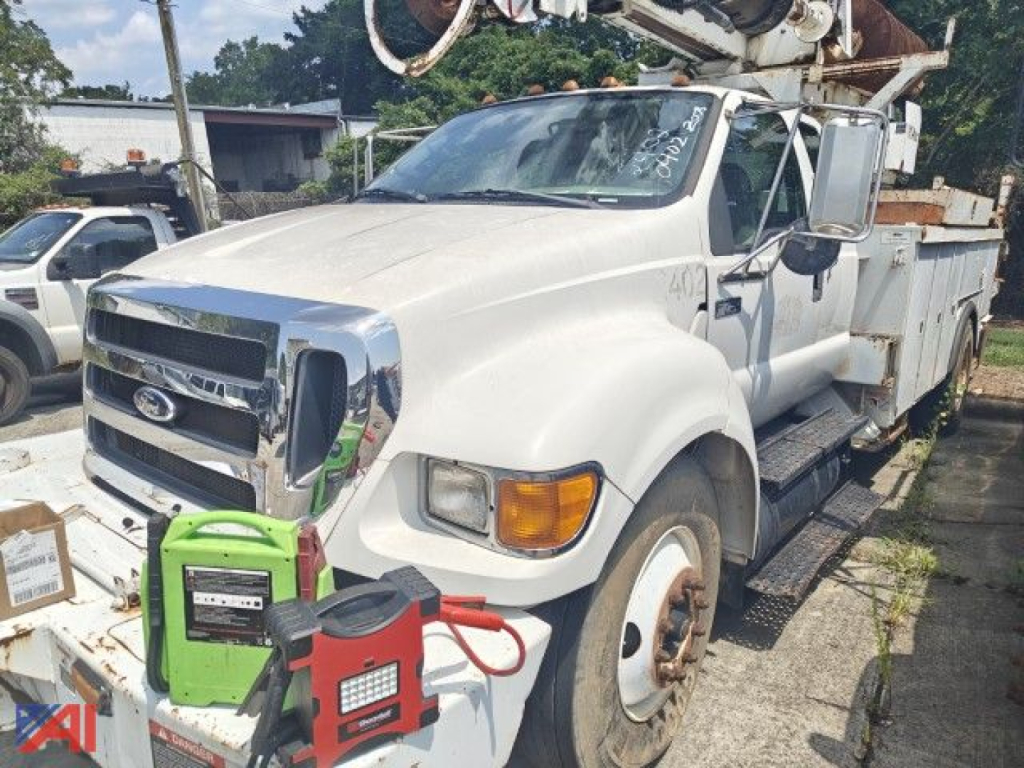
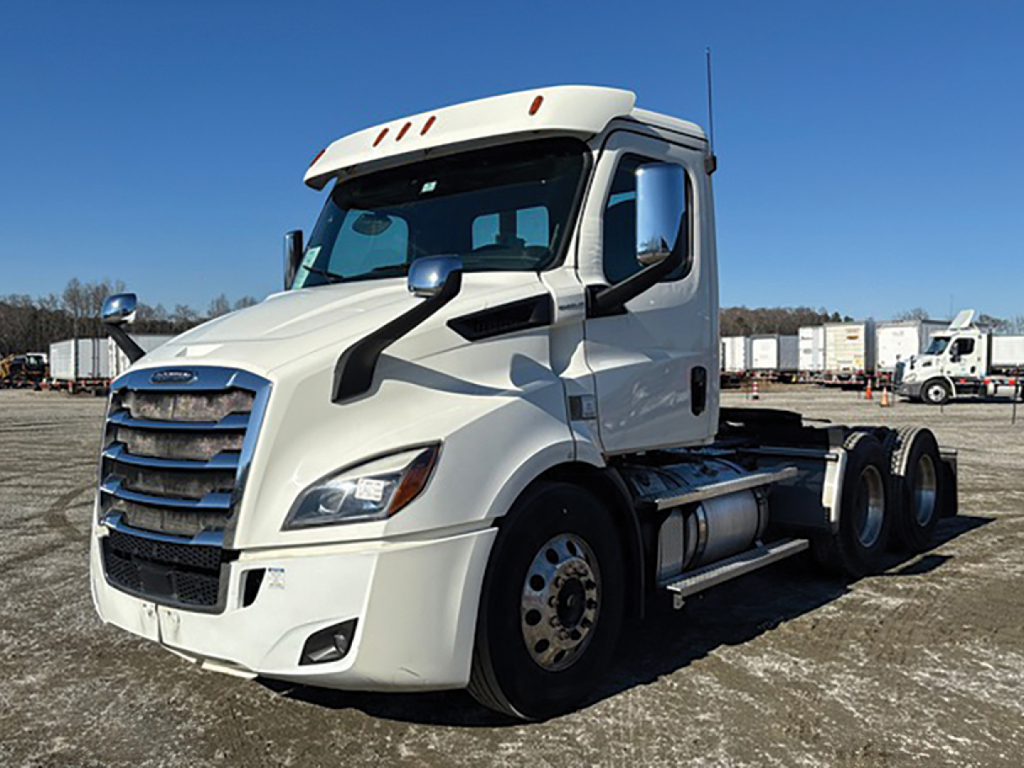
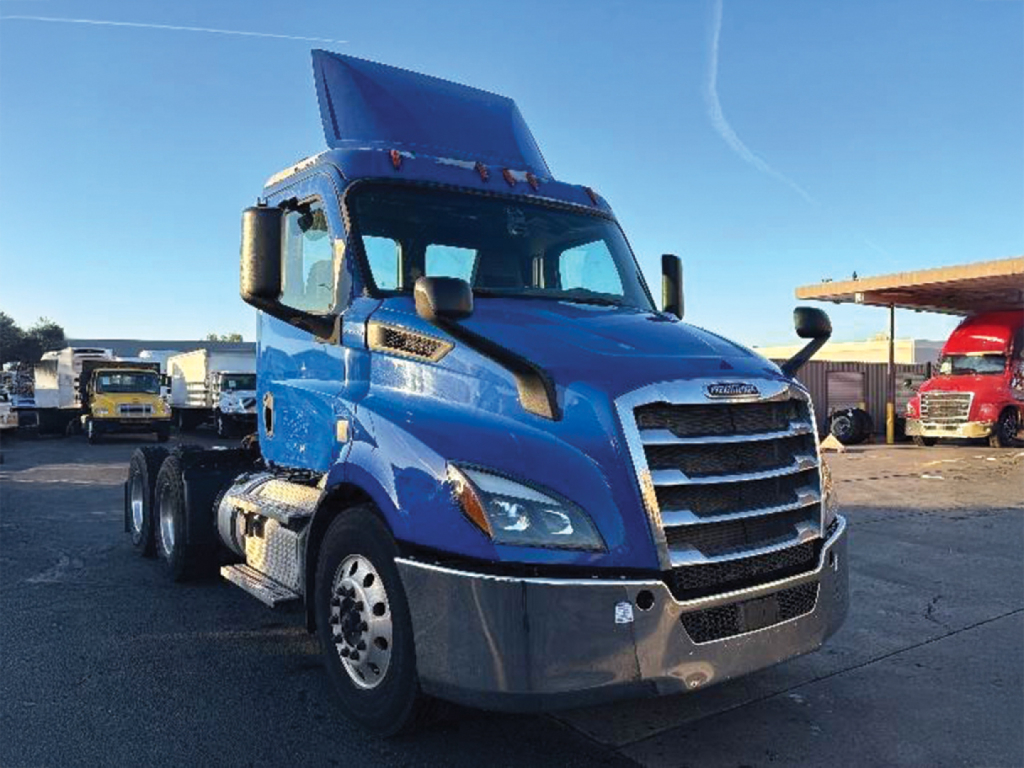
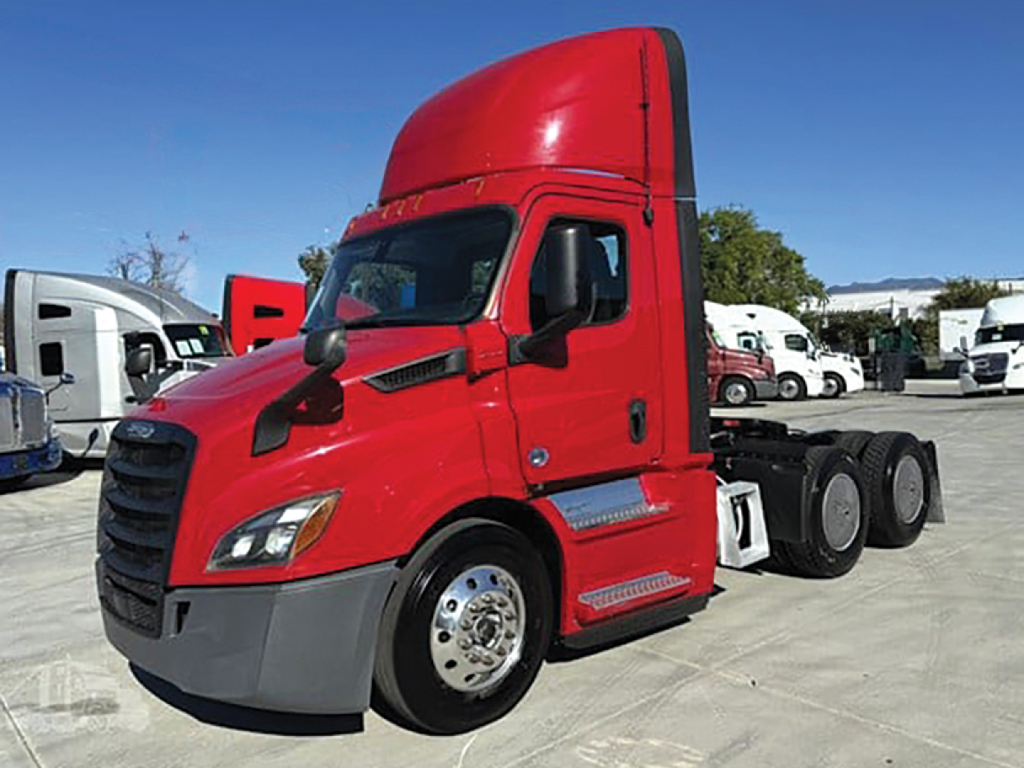
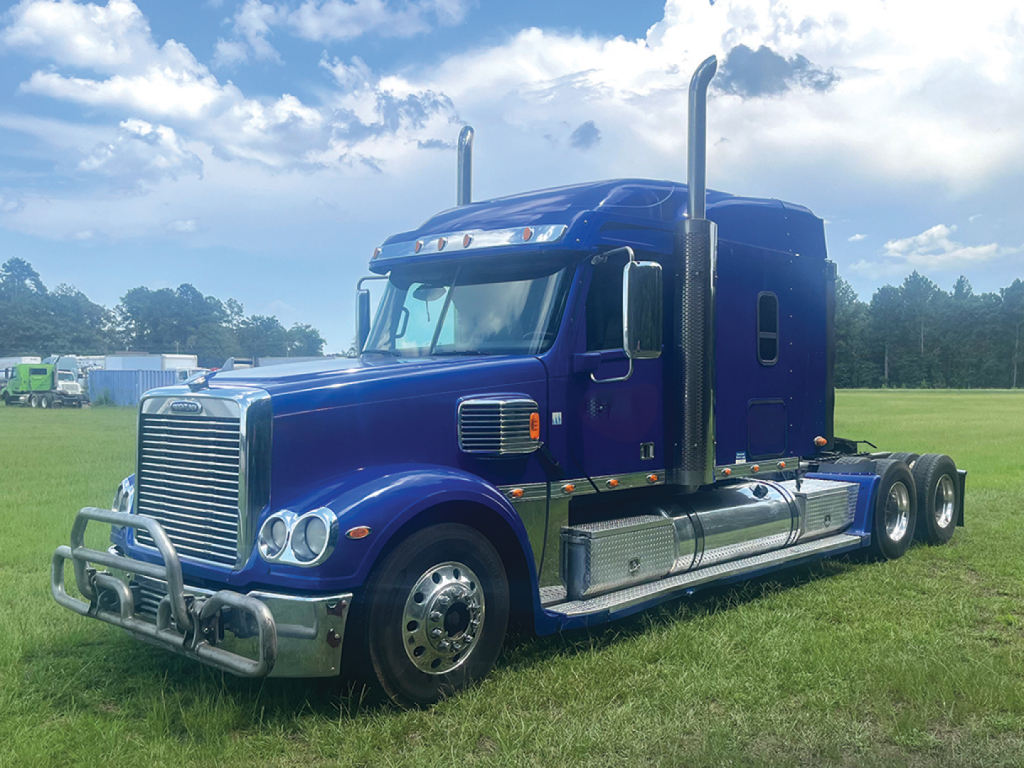
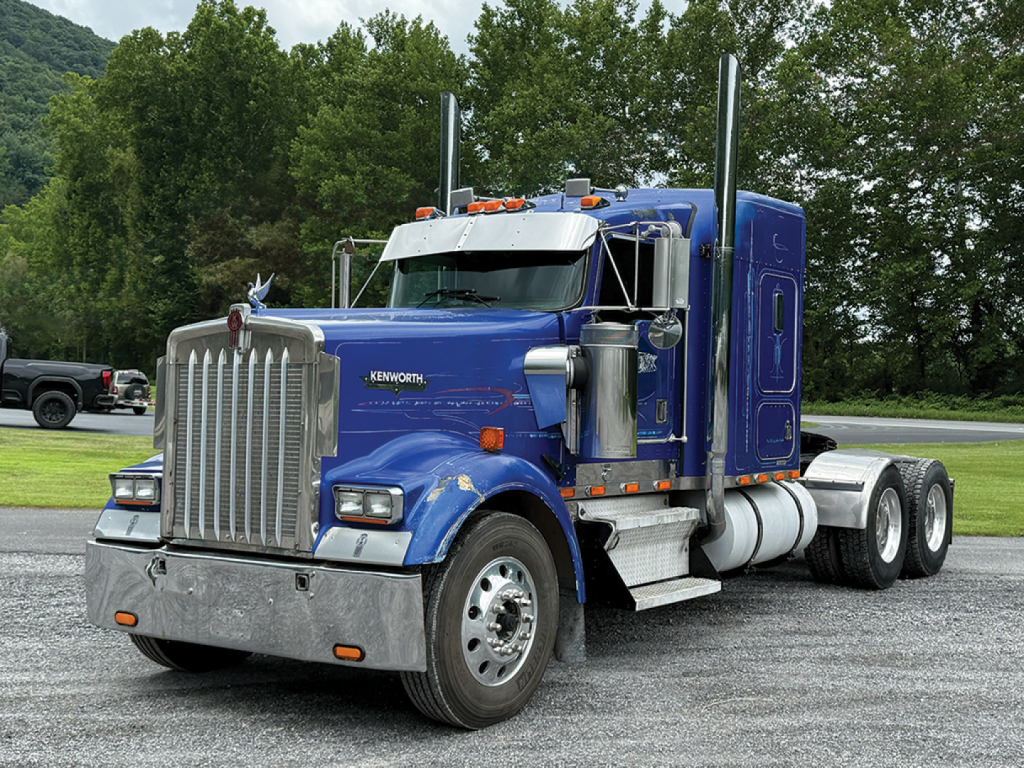
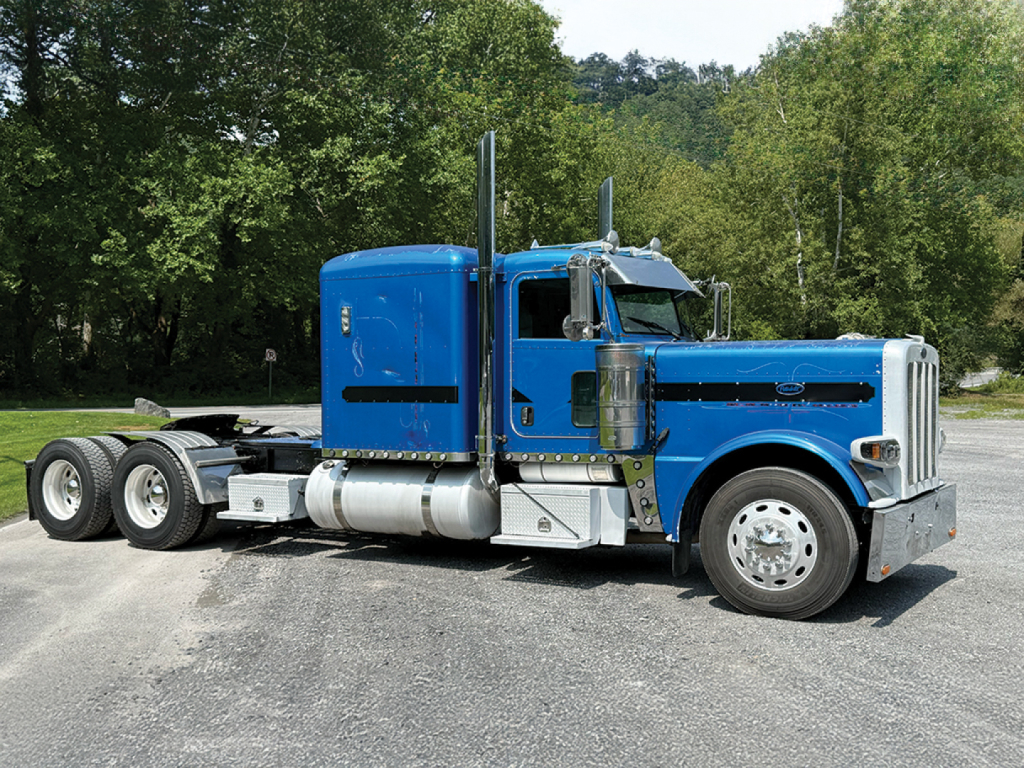
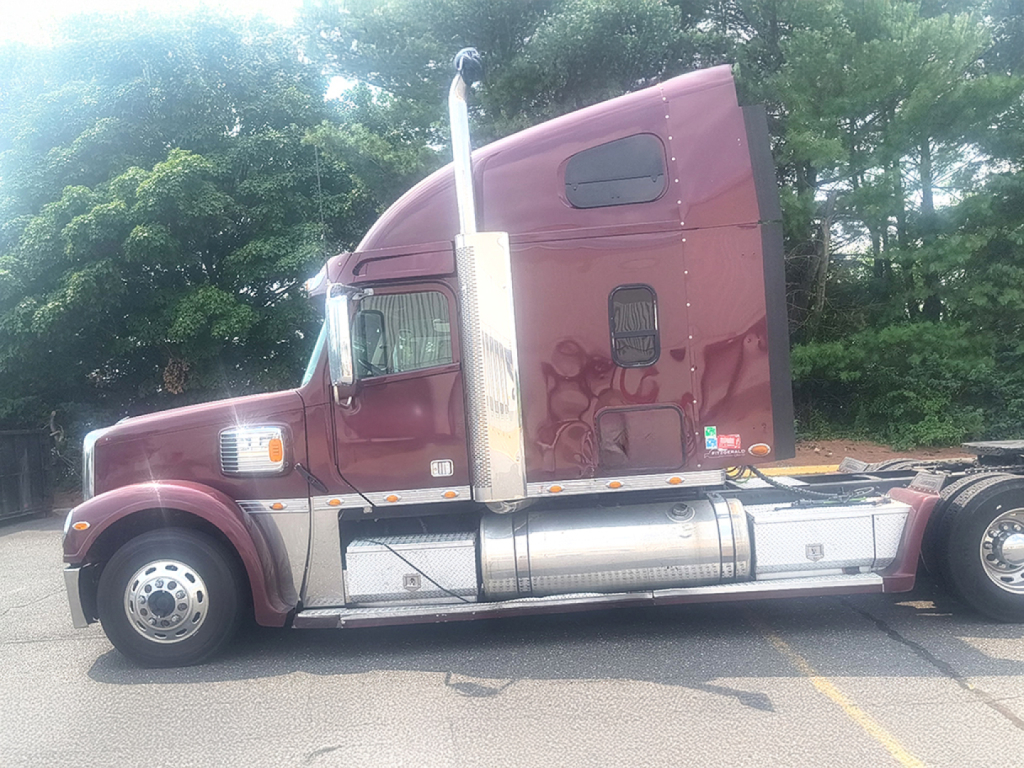
Showing 25 to 48 of 115 results
Have commercial truck to sell? List it here to reach thousands of buyers.
Commercial Trucks in North Carolina
For highway tractors, shoppers typically weigh day cabs for port drayage and regional runs against mid-roof or high-roof sleepers for Southeast lanes. Modern 12-speed AMTs paired with 13 liter engines deliver a strong mix of efficiency and 1550-1850 lb-ft torque, with common axle ratios in the 2.47-3.08 range depending on tire size and topography. Aerodynamic packages, dual 100-150 gallon tanks, disc brakes, and driver comfort features like APUs and heated mirrors make a difference over long miles. Look for rear suspensions matched to freight type, from ride-focused air ride for van and reefer to heavier duty setups if you occasionally haul bulk or steel.
Vocational buyers in the Piedmont and mountain regions often target dump, roll-off, grapple, mixer, and logging specs. Priorities include 16-20k steer axles, 40-46k rears, full-locking differentials, frame reinforcements, PTO wet kits, and body lengths sized to local quarries and mills. Lift axles help meet bridge formula on state routes and keep axle loads legal when hauling aggregates or debris. Gearing in the 3.70-5.38 range and robust cooling keep drivetrains happy on job sites and grades, while drum brakes offer durability and air disc brakes provide fade resistance on steep descents.
Medium-duty box and reefer trucks remain common for city and intrastate freight. Match box length to dock profiles and add liftgates for retail or foodservice work along the coast and in college towns. For any truck sourced near the coast, inspect frames, crossmembers, air tanks, and electrical connectors for corrosion. Verify aftertreatment health on 2010 and newer diesels, as many shippers and port facilities prefer or require late-model emissions systems even though North Carolina follows federal standards. Balance miles with engine hours, review maintenance records, and confirm recent DOT inspections to shorten the path from purchase to profit.
Frequently Asked Questions about Commercial Trucks in North Carolina
What specs work best for North Carolina linehaul routes?
A 13 liter engine at 455-505 hp with 1550-1850 lb-ft paired to a 12-speed AMT and a 2.47-2.85 axle ratio is a common sweet spot. Choose taller gearing for flatter I-95 corridors and slightly shorter ratios with strong engine braking for I-26 and I-40 mountain grades. Aerodynamic packages, dual fuel tanks, and disc brakes improve efficiency and control.
How do North Carolina weight limits affect axle choices on vocational trucks?
Interstate limits follow the federal 80,000 lb GVW with typical 20,000 lb steer and 34,000 lb tandem caps, and state routes apply the federal bridge formula. Dump, roll-off, and logging trucks often use lift axles to spread weight and maintain payload while staying legal. Always confirm commodity-specific tolerances and permitting with NCDOT before finalizing axle and body specs.
Are older diesel trucks restricted by emissions rules in North Carolina?
North Carolina follows federal EPA standards and does not impose California-style statewide requirements. However, many shippers, fleets, and port operations prefer or mandate 2010 and newer SCR/DPF-equipped trucks for access and contracting. If you plan to run into CARB states, choose a unit that complies with their deadlines and equipment rules.
What should I inspect on trucks sourced near the coast?
Check frame rails, crossmembers, spring hangers, brake hardware, and aluminum components for corrosion. Look closely at electrical connectors and grounds for green corrosion, and inspect radiator, charge-air cooler, and aftertreatment sensors and piping. Salt exposure accelerates wear, so strong maintenance records and recent undercarriage work add value.
Should I choose a day cab or sleeper for North Carolina operations?
Pick a day cab for port drayage, construction supply, and same-day regional work where maneuverability and weight savings matter. Choose a sleeper for multi-state Southeast lanes or dedicated routes that require overnight resets. Wheelbase, fuel capacity, and aerodynamic spec should align with your lane lengths, shipper docks, and driver comfort needs.