
Passenger Van Trucks For Sale in North Carolina
Browse passenger van trucks for sale in North Carolina, including shuttle and ADA-accessible vans built for group transport and fleet use.
Learn moreBrowse Passenger Van Trucks by Make
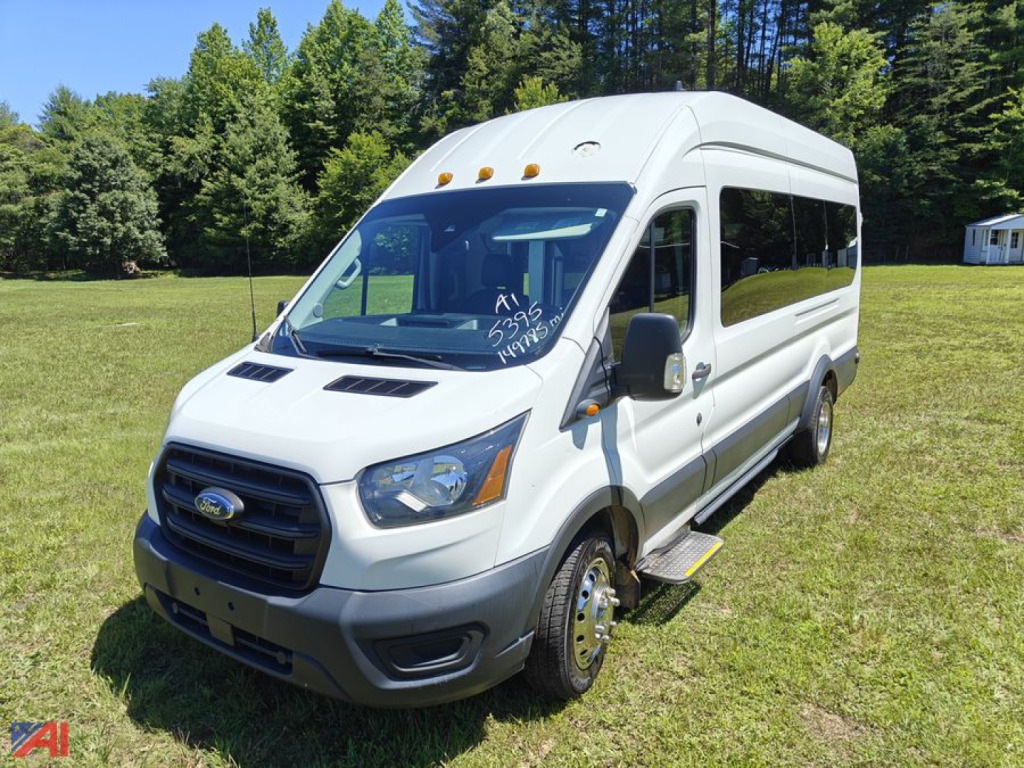
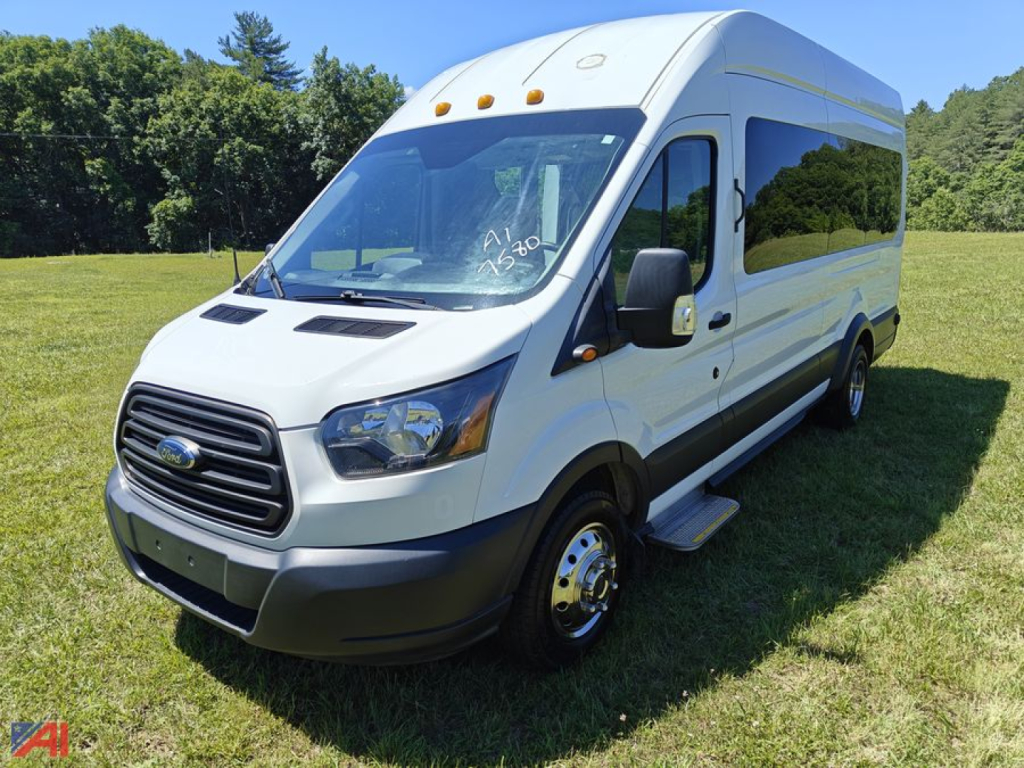

Have passenger van truck to sell? List it here to reach thousands of buyers.
About Passenger Van Trucks in North Carolina
A passenger van may be configured as a standard people mover or as an ADA-accessible unit with a wheelchair lift or ramp, mobility tie-downs, and modified seating. On accessible vans, inspect the lift cycle count, platform condition, hydraulic or electric operation, interlock system, and the condition of securement tracks and restraints. If the van is used for paratransit or medical transport, check door openings, floor height, handrails, step lighting, and HVAC performance in both front and rear zones. Seat mounting, flooring condition, and interior wear tell you a lot about how the van was used and maintained.
Powertrain and chassis specs still matter because these units spend a lot of time in stop-and-go service. Common priorities include a dependable gasoline or diesel engine, automatic transmission behavior under load, rear axle ratio, braking feel, tire condition, and suspension wear. A van that regularly carried full passenger loads will show stress in brakes, shocks, sliding door hardware, and A/C components before it shows major drivetrain issues. For fleet buyers, idle hours, telematics history, maintenance records, and upfitter documentation are often as important as mileage. If the van has been modified for wheelchair access, verify that the conversion components and safety systems are still compliant and functioning as intended.
Passenger vans used in North Carolina often need to balance urban maneuverability with highway comfort, especially on routes connecting rural communities to medical centers, schools, or regional airports. Shorter wheelbase units are easier to place in tight lots and older downtown areas, while longer and high-roof vans improve passenger flow and accessibility. Buyers comparing listings should look closely at seating count, ADA equipment, rear climate control, side and rear entry configuration, and the availability of parts and service support for the chassis and conversion package. A well-matched passenger van can lower per-trip cost, improve rider safety, and hold up better in repetitive fleet service than a lightly adapted cargo van.
Frequently Asked Questions
What should I check first on a used passenger van?
Start with seating capacity, accessibility configuration, and maintenance history. Then inspect the items that wear fastest in passenger service, including brakes, tires, suspension, sliding or hinged side doors, rear climate control, and seat mounting points. If the van has a wheelchair lift, verify lift operation, interlocks, platform condition, and securement hardware before focusing on cosmetic issues.
Are wheelchair lift passenger vans different from standard passenger vans?
Yes. ADA-accessible passenger vans are typically modified with a lift or ramp, mobility securement points, altered seating layouts, and safety interlock systems that prevent unsafe operation during boarding. These units need closer inspection because the conversion equipment adds maintenance requirements beyond the base chassis, especially for lifts, door systems, electrical components, and floor-mounted restraint tracks.
Which specs matter most when comparing passenger vans for shuttle or medical transport?
The most important specs are passenger count, roof height, wheelbase, door configuration, GVWR, rear HVAC capacity, and available space for luggage or mobility devices. For shuttle and medical transport, easy entry and exit often matter as much as engine choice. A van that fits the route, rider mix, and parking environment will usually perform better than one chosen only for model year or price.
Is mileage the most important factor on a passenger van?
Not always. A lower-mile van can still be a poor choice if it has high idle time, weak maintenance records, or heavily worn accessibility equipment. Passenger vans often spend long periods idling for loading, climate control, or route staging, so service records, drivetrain condition, brake wear, and HVAC performance are often better indicators of fleet value than odometer reading alone.
What makes a passenger van a good fit for North Carolina operations?
A good fit depends on the route and passenger type. Operators in cities may prefer shorter vans for tighter turning and easier parking, while rural and regional routes often benefit from longer wheelbase vans with better ride quality and more interior room. In North Carolina, dependable air conditioning, corrosion condition, lift reliability, and access to chassis and conversion service support are all practical buying considerations.