
Service/Utility Trucks For Sale in North Carolina

Have service/utility truck to sell? List it here to reach thousands of buyers.
Service/Utility Trucks in North Carolina
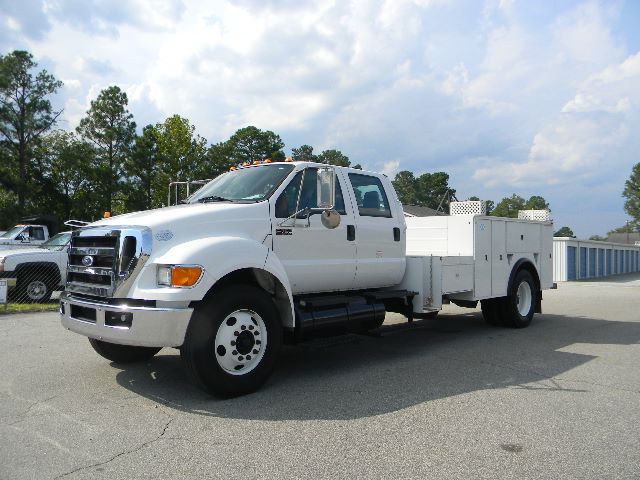
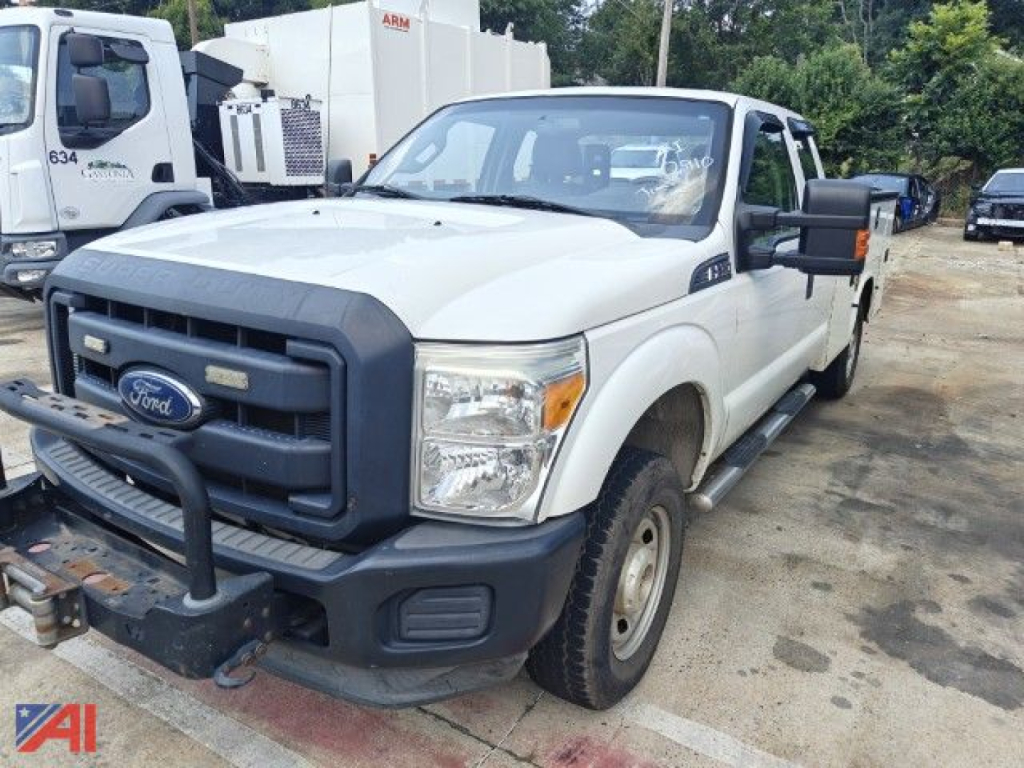
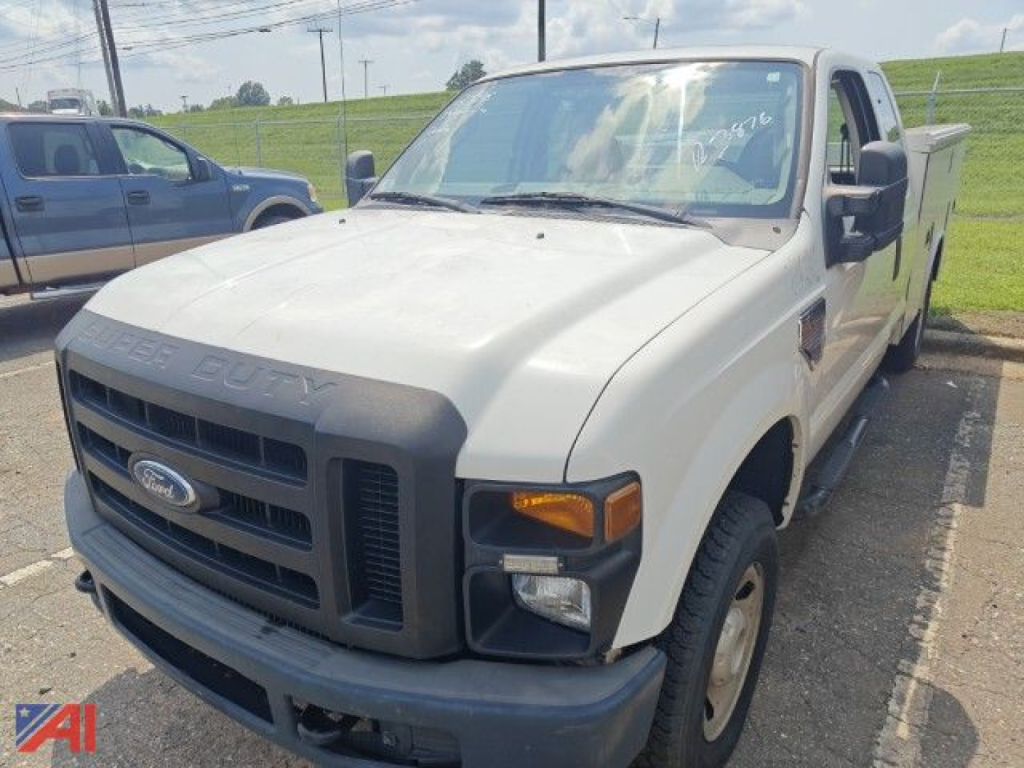
The chassis decision usually comes down to operating weight, crew size, and how much equipment stays on the truck full time. Single-rear-wheel and dual-rear-wheel models suit lighter contractor work, while heavier Class 6 and Class 7 trucks are common for municipalities, electric co-ops, telecom fleets, and field service operations that need air brakes, larger GVWR ratings, and room for cranes or hydraulic tools. Regular cab units maximize body length in a shorter wheelbase. Crew cab service trucks trade some body space for extra seating and are popular for utility crews. Common powertrains include diesel engines from Cummins, Power Stroke, DT-series, and similar medium-duty platforms, paired with automatic or manual transmissions depending on fleet preference and PTO requirements.
A good service truck should be evaluated as both a truck and an upfit. Check compartment condition, door seals, latch function, shelving integrity, rust in the body floor, and whether the cabinets fit the work being done. If the truck has a crane, compressor, generator, welder, or hydraulic reel setup, verify operating hours, lift ratings, stability equipment, and PTO engagement. On utility-body trucks that have spent time in municipal or local fleet service, idle hours can matter almost as much as mileage. Suspension type, brake system, wheelbase, tire size, and axle ratings all affect how well the truck handles a loaded body with tools and mounted equipment. In North Carolina, corrosion is usually less severe than in salt-heavy northern states, but utility bodies still need careful inspection around hinges, outriggers, underbody mounts, and any drilled or welded attachment points.
Buyers comparing service and utility trucks should match the truck to the trade. HVAC, plumbing, electrical, and general construction fleets often want secure compartment storage, easy access, and moderate GVWR without overbuying chassis. Line service, mechanics, road service, and public works applications may need cranes, air systems, heavier suspensions, and higher-output charging systems. The most useful listings are the ones that clearly identify body length, GVWR, engine, transmission, brake type, cab configuration, PTO equipment, and any mounted accessories. When those details line up with the intended workload, a service truck becomes a mobile shop instead of just a truck with boxes.
Frequently Asked Questions about Service/Utility Trucks in North Carolina
What is the difference between a service truck and a utility truck?
The terms are often used interchangeably, but service trucks usually refer to mechanic-style trucks or contractor units with enclosed side compartments and space for tools, parts, and repair equipment. Utility trucks can include that same body style, but the term is also used more broadly for municipal, telecom, electric, and public works applications. In listings, the real difference is usually in the upfit. A lighter contractor body, a crane body, a reel-body setup, or a municipal fleet configuration can all fall under service or utility.
What specs matter most when buying a used service or utility truck?
GVWR, axle ratings, wheelbase, cab style, body length, and payload capacity are the starting point. After that, buyers should look closely at the upfit itself, including compartment layout, crane rating, PTO operation, compressor or generator setup, and any fuel or reel systems. Engine and transmission choice still matter, but the truck has to support the body and equipment without being overloaded. A well-matched chassis and body combination is more important than simply choosing the newest model year.
Are crew cab service trucks better than regular cab models?
Crew cab service trucks are better when the truck carries a full work crew and needs to move people and equipment together. Regular cab models usually provide more usable body length on a similar wheelbase and can be easier to maneuver in tighter jobsite or urban conditions. The better choice depends on whether seating capacity or storage space has higher value for the operation. Many contractor fleets prefer crew cabs, while some mechanic and field service applications still favor regular cabs for maximum body efficiency.
Should I be concerned about idle hours on a utility truck?
Yes. Idle hours can be important on service and utility trucks because many spend long periods running PTO equipment, charging tools, powering compressors, or supporting work crews without accumulating road miles. A truck with modest mileage can still show meaningful engine wear if it has spent years idling on jobsites or in municipal service. If available, compare engine hours to odometer miles and inspect the condition of PTO-driven systems, charging components, and the emissions system on newer diesel trucks.
What body features are most useful on a service truck?
The best body features depend on the trade, but buyers commonly prioritize locking compartments, adjustable shelving, ladder or material racks, interior lighting, work lights, and durable latches and seals. Mechanics and road service operators often want cranes, compressor mounts, and welder or generator provisions. Utility and telecom applications may need reel carriers, outriggers, inverter systems, and dedicated storage for traffic control gear. A body that organizes tools well and protects them from weather usually improves uptime more than cosmetic features do.