
Pickup 2wd Trucks For Sale in North Carolina
Shop Pickup 2WD trucks for sale in North Carolina. Compare cab styles, bed lengths, payload, towing, gas and diesel work-truck options.
Learn more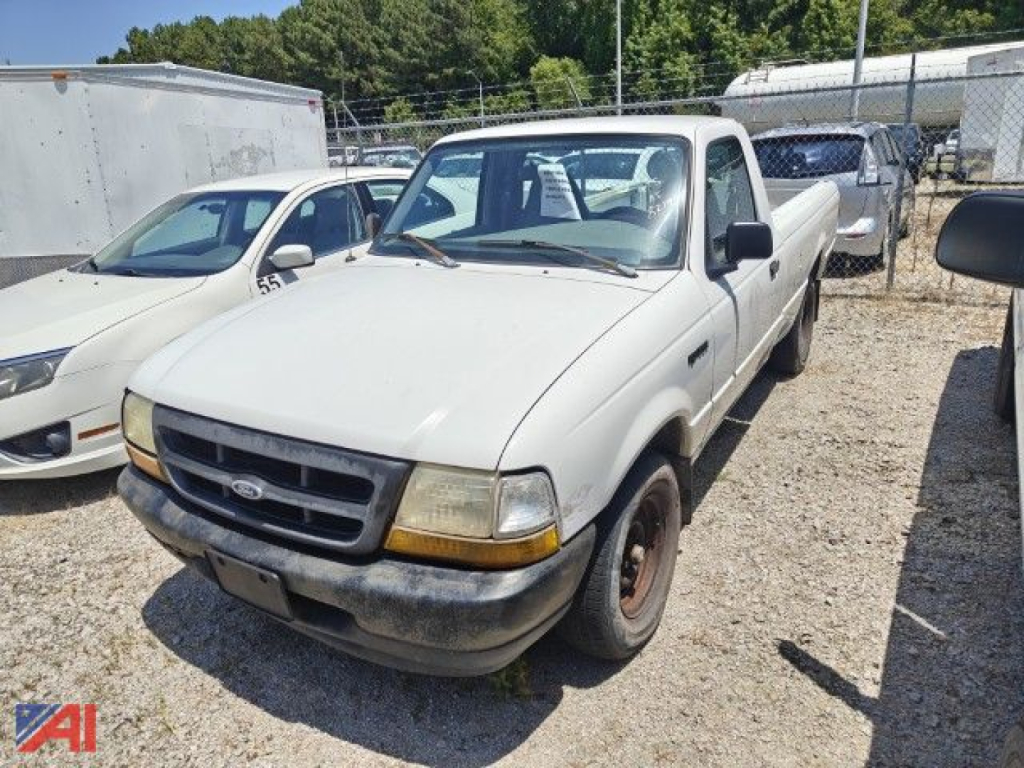
Have pickup 2wd truck to sell? List it here to reach thousands of buyers.
About Pickup 2wd Trucks in North Carolina
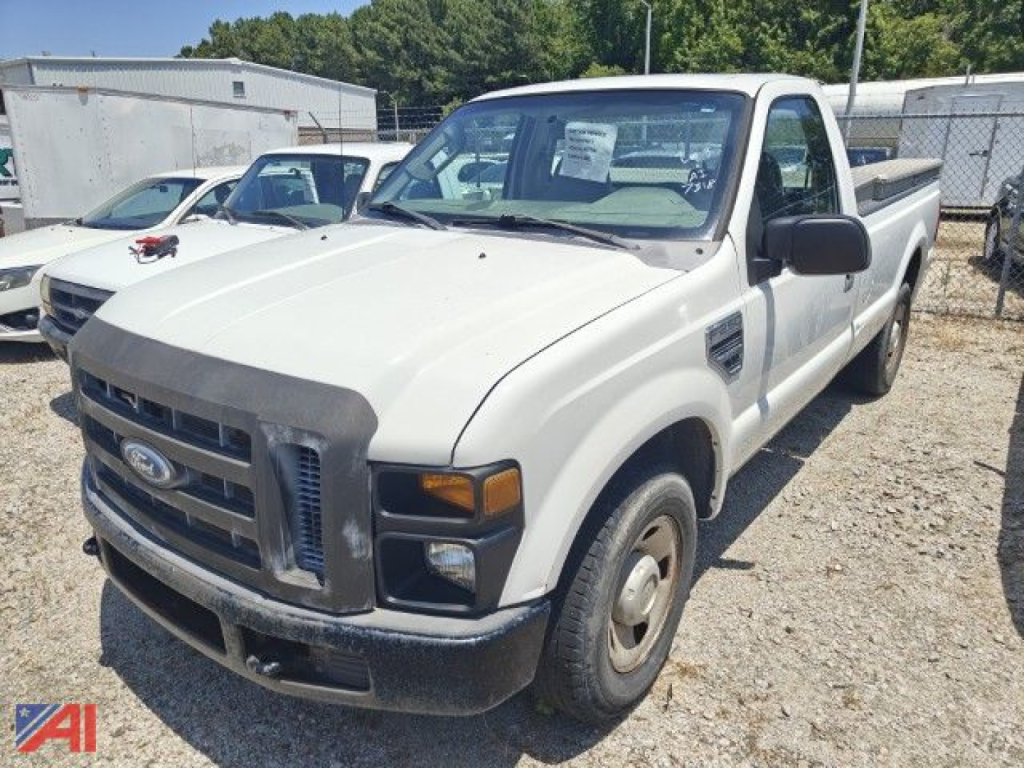
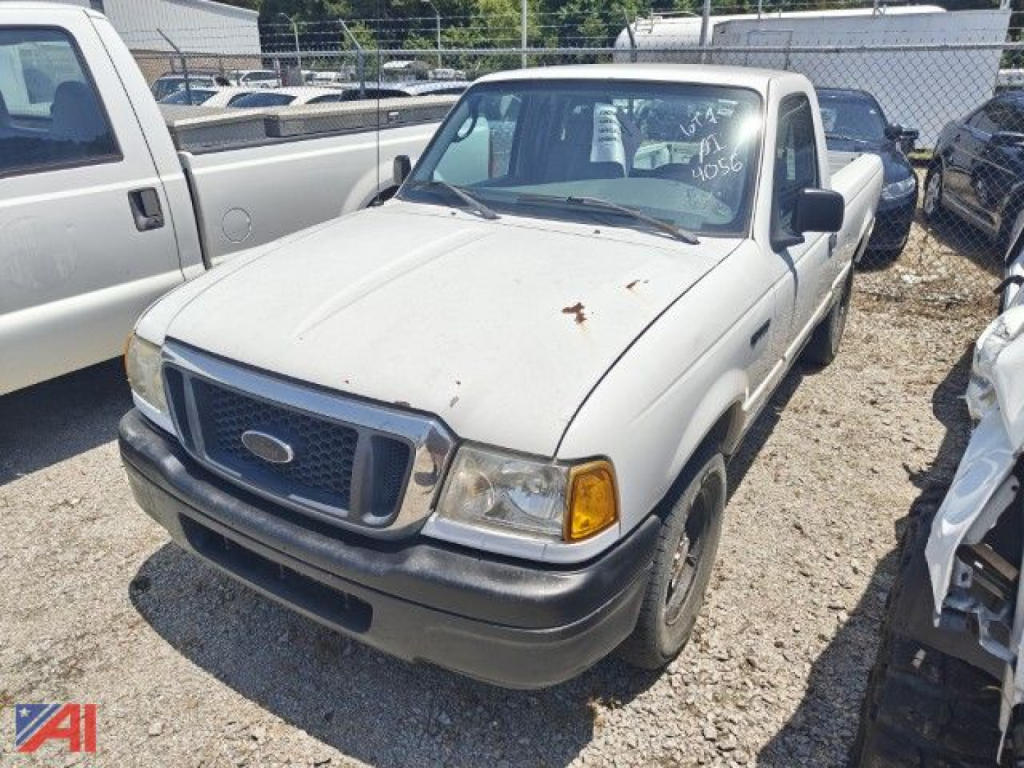
The first buying decision is usually truck size. Half-ton models such as a Ford F-150 are common for lighter payloads, mixed personal and commercial use, and frequent city driving. Three-quarter-ton pickups like an F-250 Super Duty step up chassis strength, rear axle capacity, suspension, brakes, and towing capability for heavier trailers, tools, and material loads. Compact pickups such as the Ford Ranger remain popular for fleets that want a smaller footprint, simpler maneuvering, and lower operating costs. Cab configuration also matters. Regular cabs maximize bed length in a shorter overall truck, extended cabs balance storage and passenger space, and crew cabs favor crews and service teams that carry people as often as cargo.
On a used 2WD pickup, pay close attention to engine and transmission pairing, axle ratio, bed condition, hitch setup, and signs of commercial use. Common gas V6 and V8 platforms are usually preferred for lower repair costs and straightforward service, while some heavy-duty 2WD pickups may be equipped with diesel engines for higher torque and better performance under sustained towing. Check payload and GVWR on the door label instead of assuming capacity by model badge alone. It is also smart to inspect frame condition, leaf springs, front suspension wear, brakes, tire condition, differential noise, and any rust or corrosion around cab corners, rockers, bed supports, and underbody components. If the truck has served in fleet or municipal duty, idle hours, upfit holes, electrical add-ons, and maintenance records can tell you a lot about remaining service life.
For buyers in North Carolina, 2WD pickups make sense in coastal markets, metro routes, and regional work where traction demands are moderate and operating costs matter. They are well suited for utility departments, parks crews, plumbers, electricians, inspectors, and small construction teams that need an open bed, trailer capability, and easy entry into tighter parking areas. The best choice comes down to matching wheelbase, bed length, cab style, payload, and tow rating to the work you actually do. A correctly spec'd 2WD pickup can be a practical, durable truck that carries lower ownership cost while still covering a wide range of daily commercial tasks.
Frequently Asked Questions
What is the main advantage of a 2WD pickup truck over a 4x4?
A 2WD pickup usually costs less to buy, weighs less, and has fewer driveline components to maintain than a comparable 4x4. That can translate into lower fuel use, lower repair exposure, and simpler long-term ownership. For buyers whose trucks spend most of their time on paved roads, maintained yards, or light-duty routes, a 2WD often delivers the capability they need without paying for extra traction hardware they rarely use.
Is a 2WD pickup truck good for towing and hauling?
Yes, many 2WD pickups are strong towing and hauling platforms, especially when properly matched to the job. A heavy-duty 2WD pickup can tow very well because rear-wheel drive provides solid traction under load, and these trucks often have robust frames, axles, and suspension packages. The key is to verify the specific truck's GVWR, payload sticker, axle ratio, receiver rating, and manufacturer tow rating instead of relying only on the model name.
What should I inspect first on a used 2WD work pickup?
Start with the basics that affect service life and operating cost: frame condition, engine performance, transmission shift quality, rear differential noise, front-end wear, brakes, tires, and signs of hard commercial use. Then look at the bed floor, tailgate, hitch area, and any electrical modifications from prior equipment or fleet service. Maintenance records, idle time, and evidence of consistent servicing are often more important than cosmetic appearance on a used work truck.
Which cab and bed configuration is best for commercial use?
The best configuration depends on how the truck is used day to day. A regular cab with a long bed is efficient for carrying tools, parts, and material while keeping overall cost lower. An extended cab offers a useful middle ground for crews that occasionally carry extra passengers or secure gear inside the cab. A crew cab is usually the better fit when the truck regularly transports multiple workers, even though it may reduce bed length unless paired with a longer wheelbase.
Are 2WD pickups a good choice in North Carolina?
For many North Carolina buyers, yes. A 2WD pickup fits well in urban service routes, coastal areas, municipal fleets, and general contractor use where roads are paved and severe off-road traction is not a daily requirement. Buyers who frequently work on muddy sites, steep unpaved access roads, or remote land-clearing projects may still prefer 4x4, but for routine road-based work a 2WD pickup is often the more cost-effective choice.