
New 2027 Trucks For Sale in Oklahoma
Shop new 2027 trucks for sale in Oklahoma, including sleeper, day cab, and vocational models with current powertrain and axle specs.
Learn more

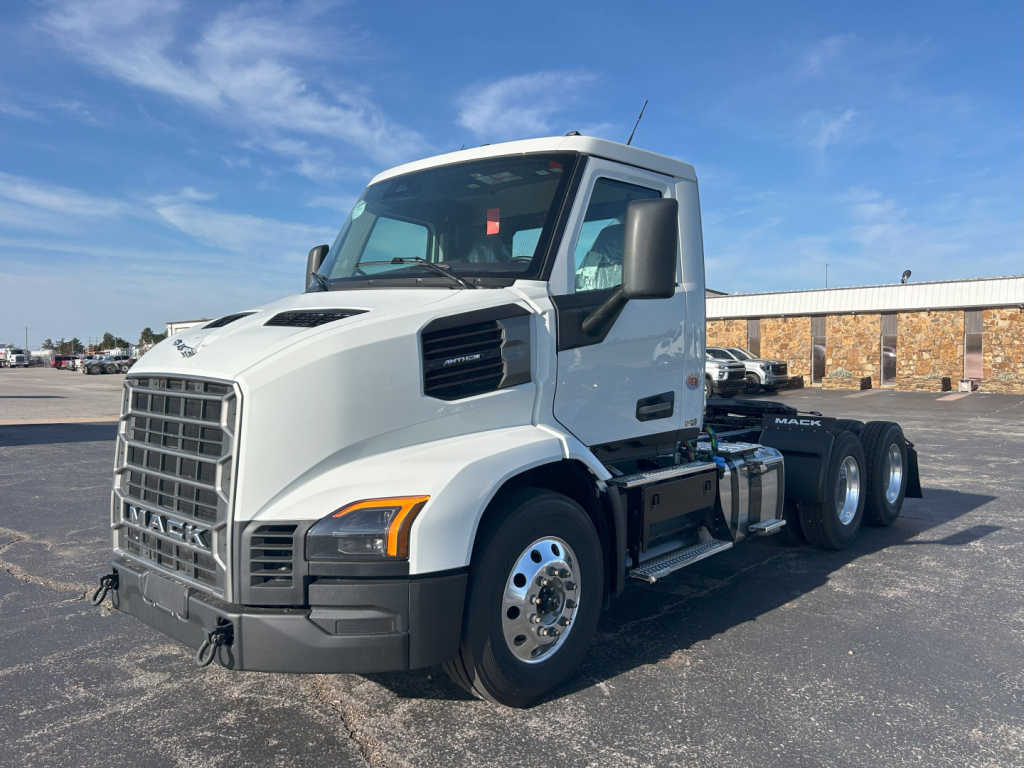
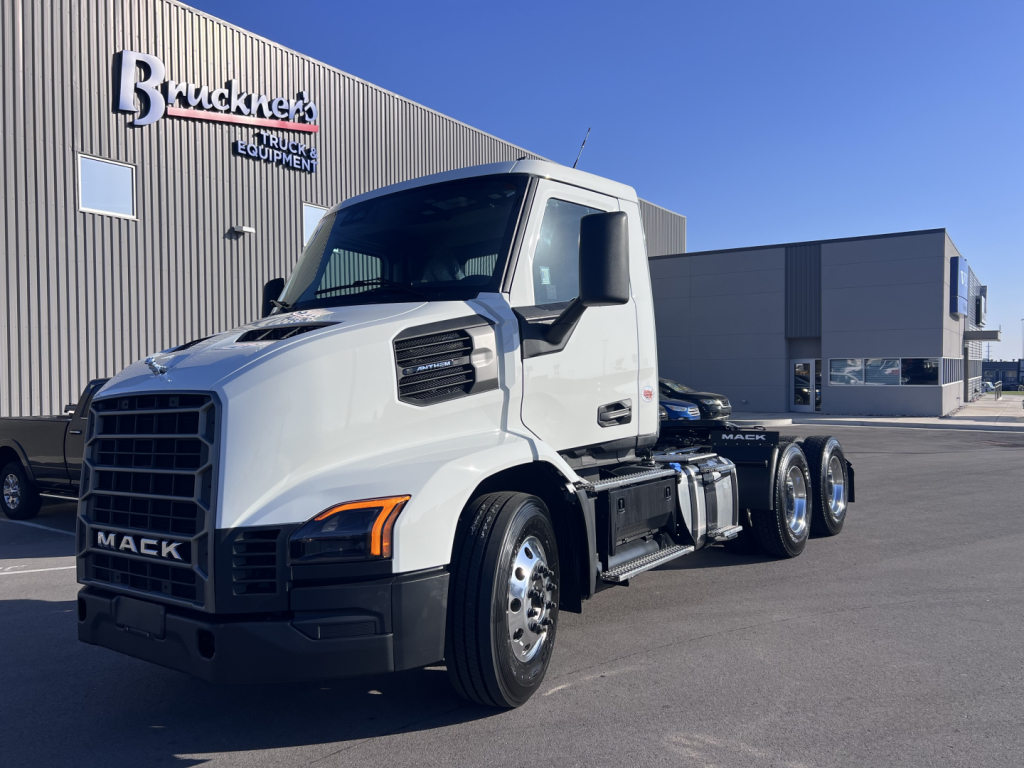
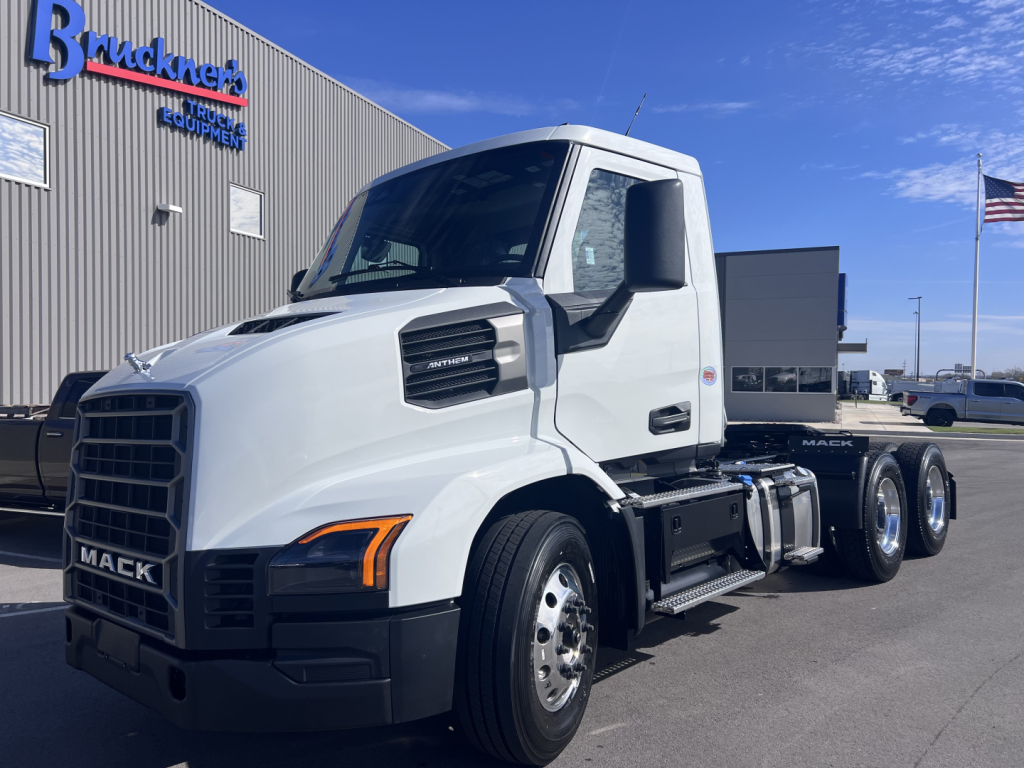
Showing 73 to 80 of 80 results
Have new 2027 truck to sell? List it here to reach thousands of buyers.
About New 2027 Trucks in Oklahoma
A buyer should start with application and axle package before looking at cab trim. Oklahoma fleets often need trucks that can handle a mix of interstate miles, oilfield traffic, agricultural support, and municipal duty, so axle ratings, suspension type, and gearing matter. Tandem drive tractors in this class commonly carry 40,000 lb rear axles, front axles in the 12,000 to 14,600 lb range for highway units, and much heavier front axle ratings on vocational configurations. Engine ratings can range from mid-300 hp in specialized refuse or local work up to 500-plus hp in premium highway tractors. Automated manual transmissions such as Mack mDrive and torque-converter automatics such as Allison remain common choices depending on whether the truck is intended for linehaul efficiency or repeated stop-and-go service.
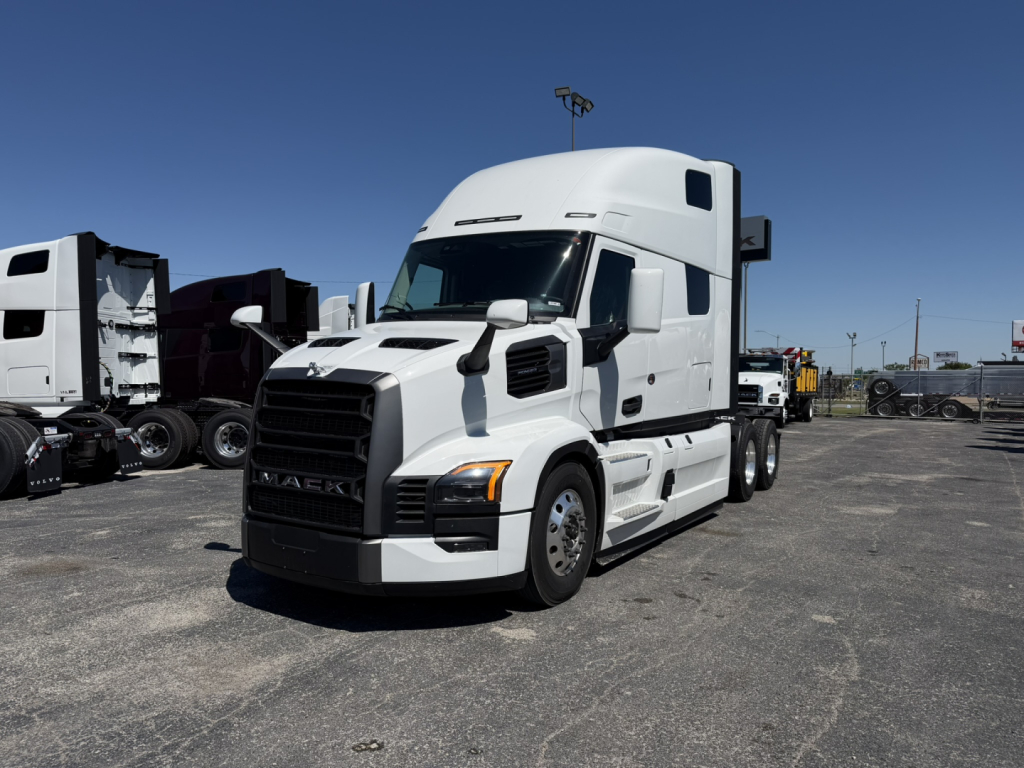
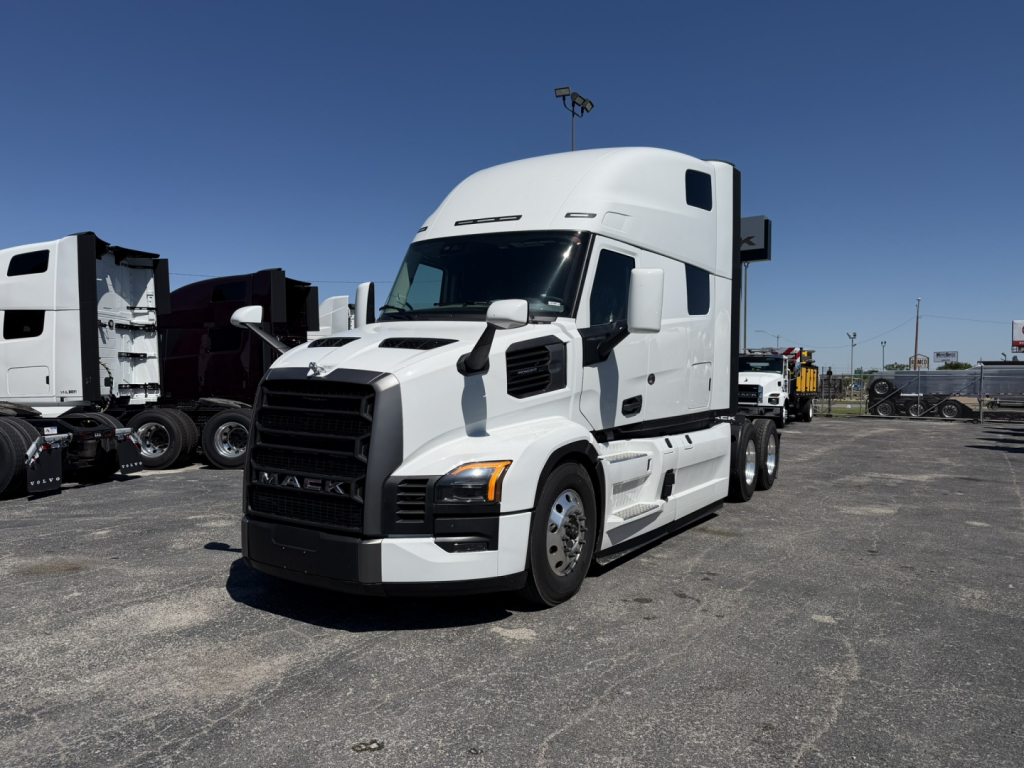
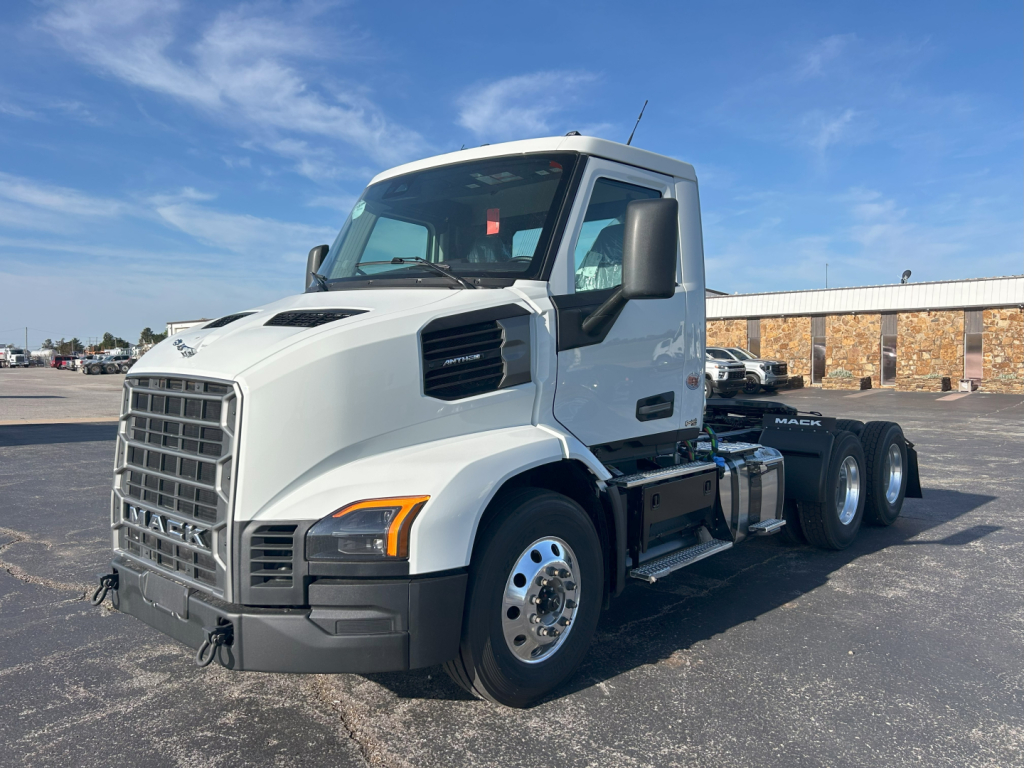
For sleeper and day cab tractors, buyers should compare wheelbase, rear ratio, fuel capacity, and cab layout against the trailer set and operating speed. A 6x4 conventional sleeper, also known as a road tractor or semi truck, is generally built for long-distance freight and driver comfort, while a conventional day cab prioritizes payload, maneuverability, and lower tare weight for regional lanes, drayage, or dedicated route work. Vocational trucks shift the conversation toward PTO compatibility, body upfit space, frame strength, lift axle options, and suspension design. Camelback and other severe-service suspensions still have a place in heavy vocational work, while air ride remains popular for ride quality and freight protection on highway tractors.
New-truck buyers should also pay close attention to warranty coverage, service network support, and how the factory spec affects lifecycle cost. Features such as adaptive cruise, collision mitigation, disc brakes, telematics, premium infotainment, and idle-reduction packages can improve uptime and driver acceptance, but the core buying decision still comes back to duty cycle. A properly spec'd new 2027 truck should have the right horsepower, transmission calibration, axle ratio, and wheelbase for the job on day one, with enough reserve capacity to stay productive as the operation grows.
Frequently Asked Questions
What types of new 2027 trucks are commonly available in Oklahoma?
New 2027 trucks in Oklahoma typically include conventional sleeper tractors, conventional day cab tractors, and vocational trucks such as refuse, municipal, or construction units. The exact mix varies by dealer and fleet demand, but buyers can usually expect both highway-focused 6x4 tractors and heavier chassis with higher axle ratings, shorter or body-ready wheelbases, and transmission options tailored to severe-duty service.
What specs matter most when buying a new 2027 truck?
The most important specs are the ones tied directly to the truck's job. Buyers should focus on engine horsepower and torque, transmission type, front and rear axle ratings, suspension, rear ratio, wheelbase, and GVWR. For highway tractors, fuel economy, sleeper size, and driver comfort are major considerations. For vocational trucks, frame spec, PTO provisions, body compatibility, and durability under stop-and-go or off-pavement use usually matter more than cab amenities.
Is a day cab or sleeper better for Oklahoma operations?
A day cab is usually the better fit for local, regional, port, dedicated route, and short-haul work where overnight accommodations are not needed. A sleeper is the better choice for over-the-road freight, irregular dispatch, or operations that keep drivers out for multiple days. In Oklahoma, fleets running a mix of interstate and regional lanes often choose based on average trip length, trailer type, and how much flexibility they need for backhaul or long-distance dispatch.
Are automated manual transmissions common in new 2027 trucks?
Yes. Automated manual transmissions are now common in new highway tractors because they improve shift consistency, reduce driver fatigue, and can help fuel economy when matched with the right axle ratio and engine calibration. Fully automatic transmissions such as Allison units are also common in vocational applications where frequent starts, stops, and PTO-related work make smooth low-speed operation and durability more important than highway cruise efficiency.
Why do axle ratings and rear ratio matter so much on a new truck?
Axle ratings determine how much weight the truck can legally and practically carry, while rear ratio affects launch performance, gradeability, cruising rpm, and fuel consumption. A truck with a 40,000 lb tandem and a highway-friendly ratio may be ideal for general freight, but a vocational truck hauling heavy loads or working in urban stop-and-go conditions may need heavier axle capacity and a deeper ratio. Matching these specs to the duty cycle is one of the biggest factors in long-term operating cost and driver satisfaction.