
New 2027 Trucks For Sale in Louisiana
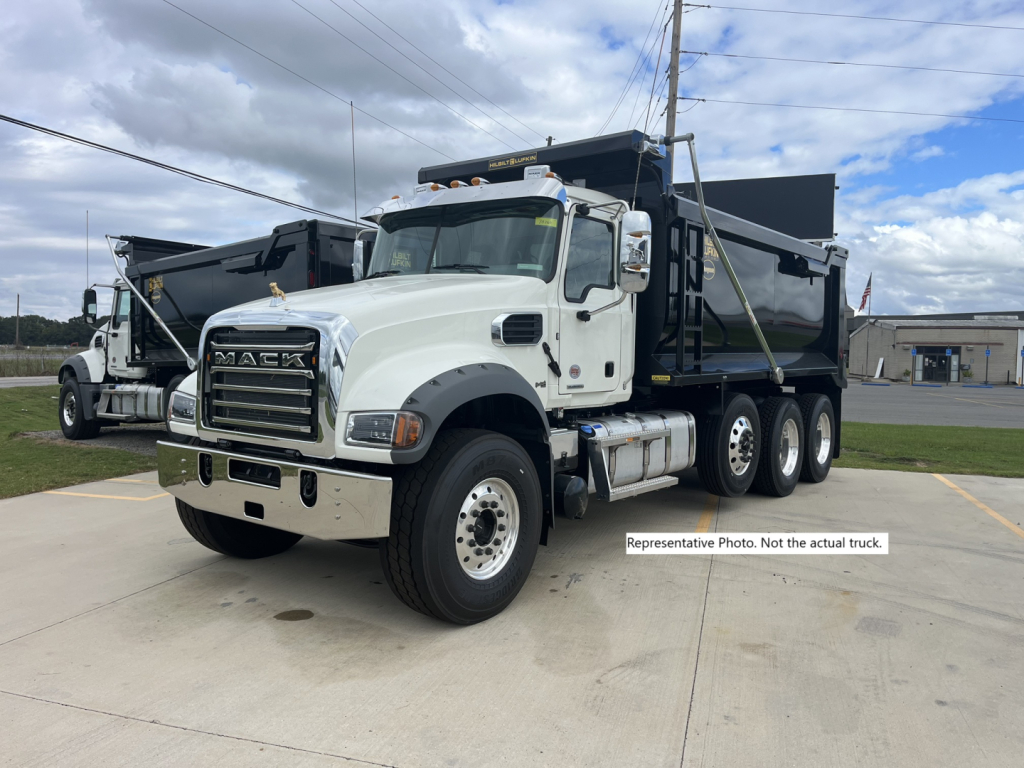
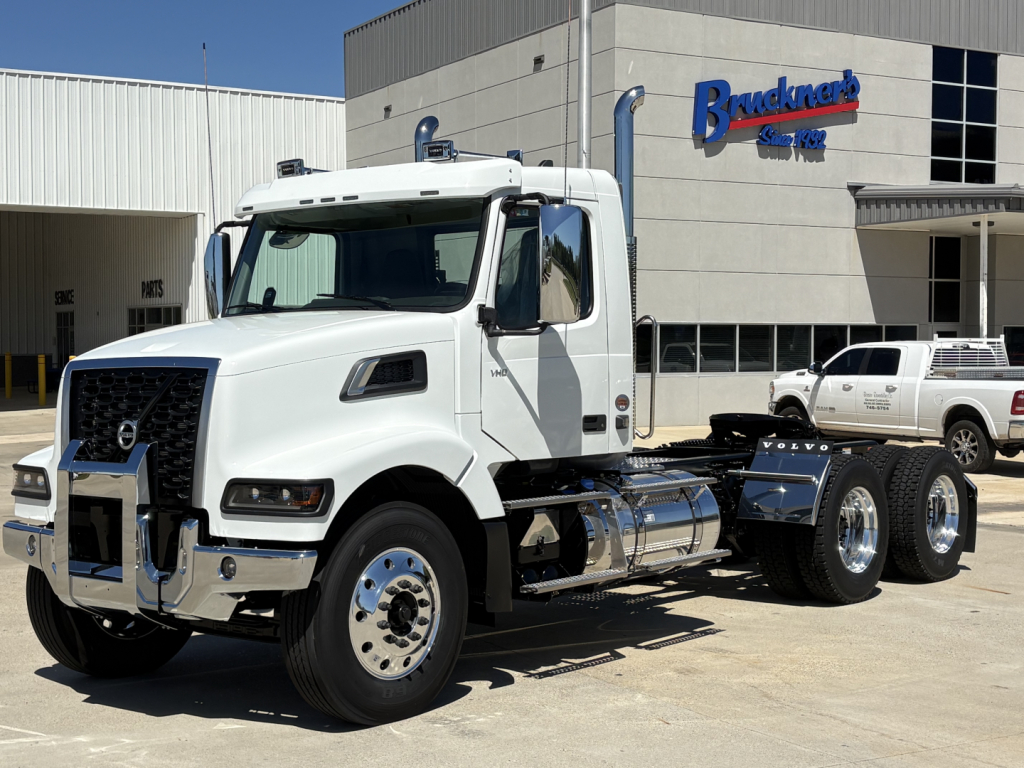
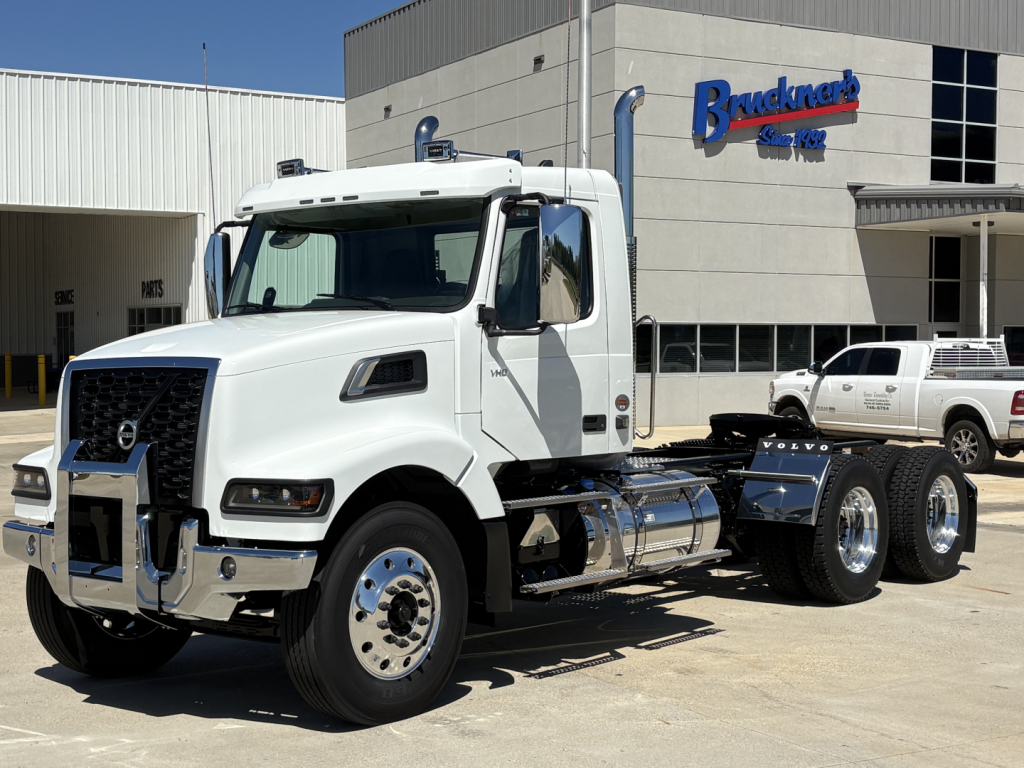
Shop new 2027 trucks for sale in Louisiana, including vocational and highway specs with current powertrain, axle, and body-ready options.
Learn more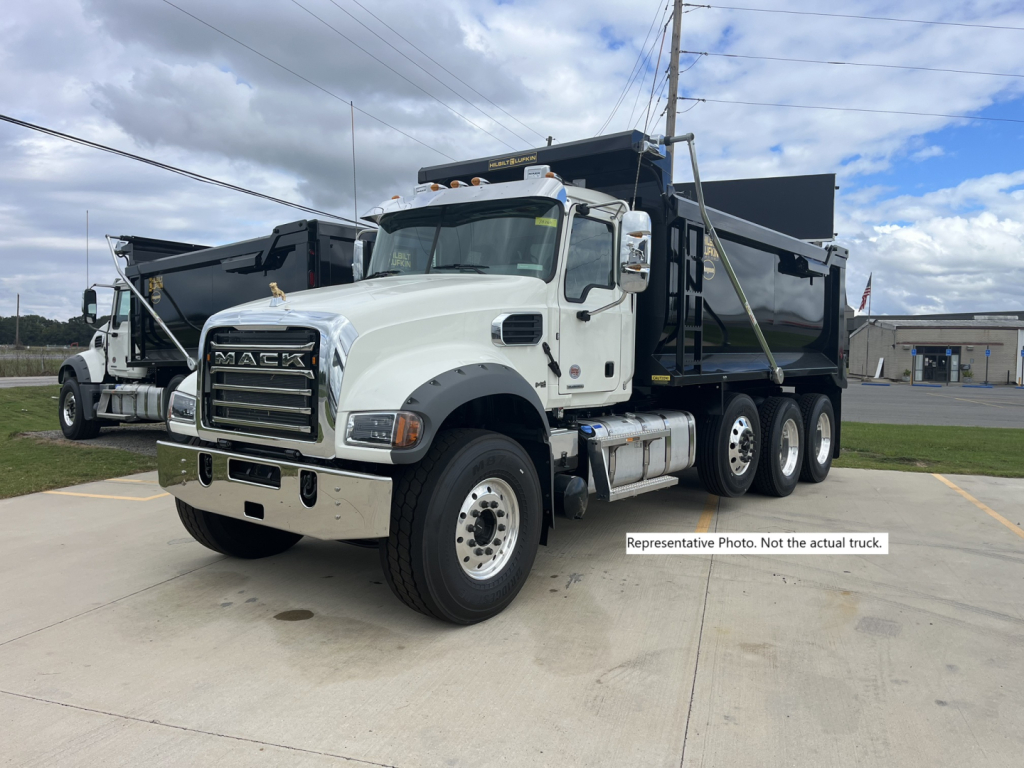

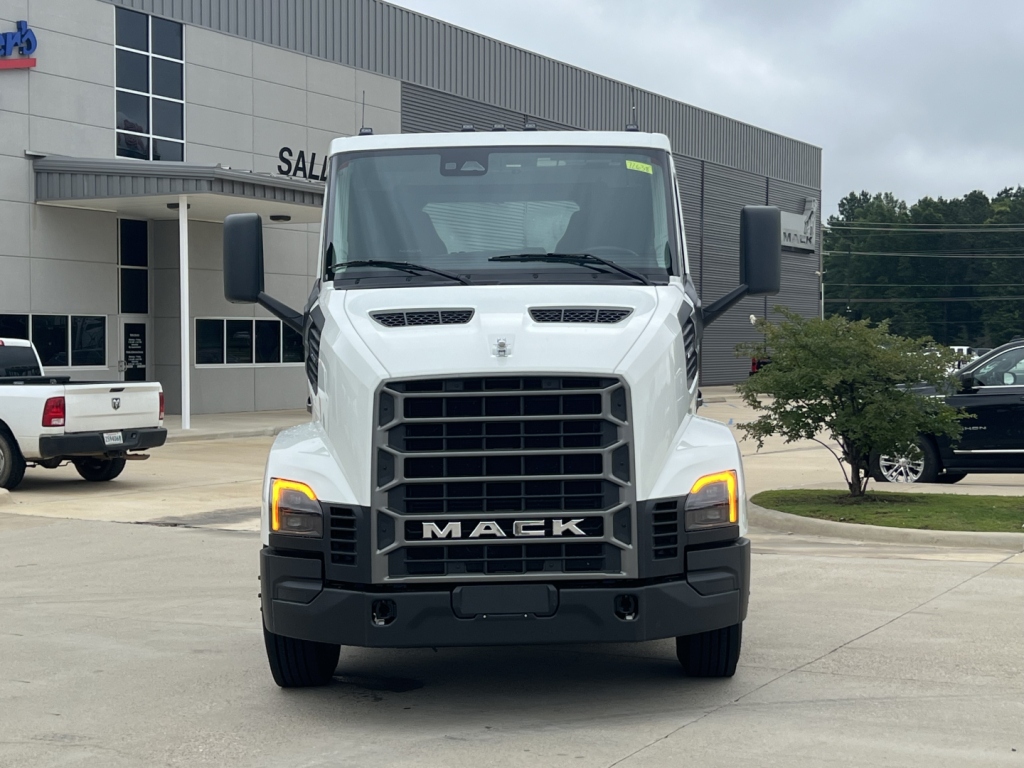
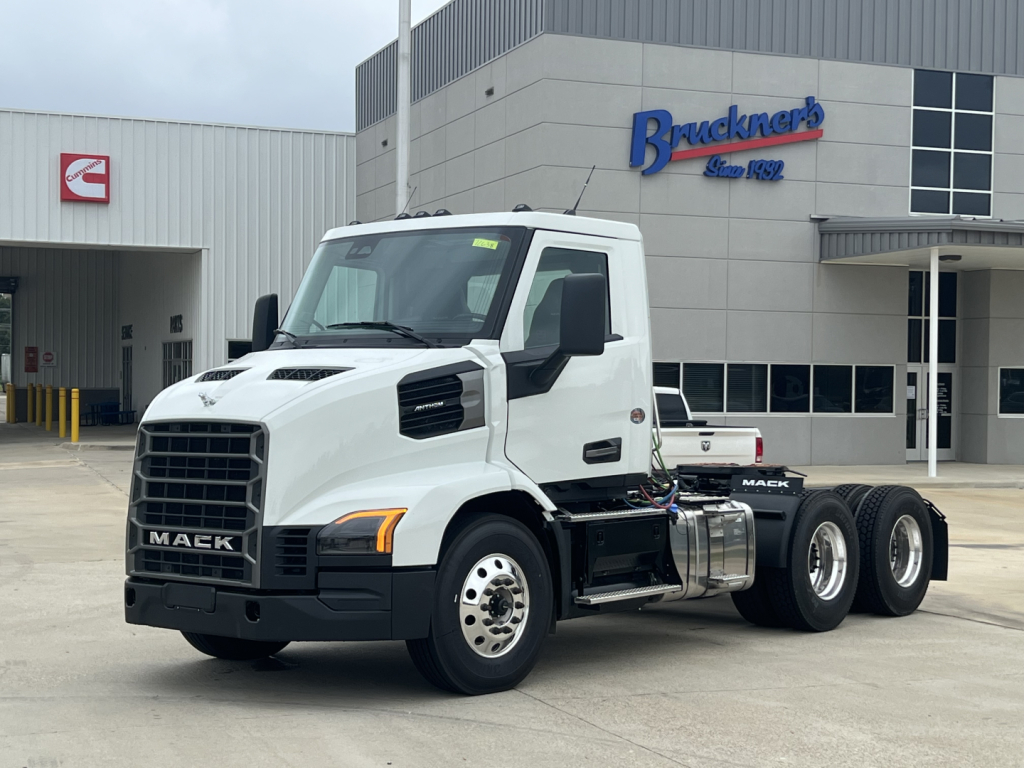
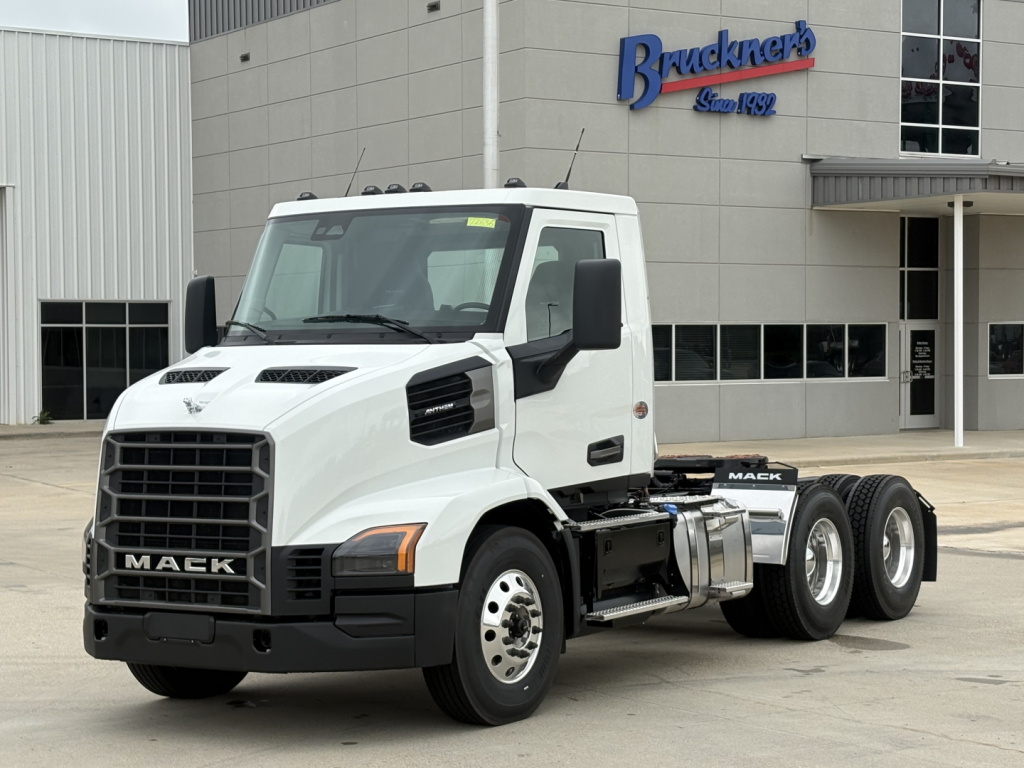

Showing 25 to 33 of 33 results
Have new 2027 truck to sell? List it here to reach thousands of buyers.
About New 2027 Trucks in Louisiana
Louisiana operating conditions matter when comparing 2027 truck specs. Hot weather, stop-and-go routes, jobsite access, bridge formula considerations, and municipal or refuse-style duty cycles all push buyers toward cooling capacity, axle spread, suspension choice, and brake configuration. Camelback and other heavy mechanical suspensions still appeal in severe-duty service because of durability and stability under concentrated loads, while air ride remains common for highway and regional tractors that need ride quality and traction. Wheelbase is another key decision because it directly affects body fit, bridge compliance, turning radius, and how the truck performs in tighter urban routes or on crowded jobsites.
Powertrain selection in new 2027 trucks typically comes down to balancing fuel economy, drivability, and PTO or vocational performance. Automated manual transmissions are now standard in many specs because they reduce driver fatigue and improve consistency, but buyers running specialized equipment should still confirm PTO compatibility, hydraulic provisions, and transmission programming. Engine ratings in the mid-300 to mid-400 horsepower range are common in this class, with torque, rear axle ratio, and intended payload doing more to shape real-world performance than horsepower alone. For buyers looking at mixer, roll-off, or other body-builder applications, factory PTO prep, frame strength, and clear back-of-cab packaging can be as important as the engine badge.
A strong 2027 truck spec is one that matches the job on day one and stays serviceable over the long haul. That means checking GVWR, front and rear axle capacity, suspension type, brake package, cab configuration, and body or trailer compatibility before comparing price. In Louisiana, many buyers also prioritize dealer support, emissions service capability, and parts commonality across the fleet because uptime has more value than a marginal spec advantage on paper. New trucks in this model year are often equipped with updated safety systems, cleaner wiring integration for body equipment, and more refined driver-assist features, so the best choice is usually the truck that fits your route, payload, and maintenance plan without needing to be reworked after delivery.
Frequently Asked Questions
What should I look for first when comparing new 2027 trucks in Louisiana?
Start with the intended application, then match the truck's axle ratings, wheelbase, suspension, and powertrain to that work. A regional day cab, a roll-off, and a mixer may all be trucks, but they need very different front axle capacities, rear suspensions, frame specs, and transmission programming. Louisiana buyers should also consider heat, traffic, jobsite access, and local weight requirements because those factors affect cooling, turning radius, bridge compliance, and long-term durability.
Are automated transmissions a good choice for new vocational and highway trucks?
In most cases, yes. Automated transmissions are common in both highway and vocational service because they improve shift consistency, reduce driver fatigue, and help protect the driveline from poor shift habits. The key is making sure the transmission is calibrated for the truck's actual use, especially if the truck will run a PTO, hydraulic pump, heavy stop-and-go routes, or severe-duty body equipment. PTO availability and body-builder integration should be confirmed before purchase.
How do I choose between air ride and heavy-duty mechanical rear suspension?
Air ride is typically preferred for highway tractors and regional hauling because it improves ride quality, traction, and cargo protection. Heavy-duty mechanical suspensions such as Camelback are still popular in severe-duty applications because they are rugged, stable under hard loading, and well suited for rough jobsites and high-abuse environments. The right choice depends on payload type, terrain, body equipment, and how much time the truck spends on pavement versus off-road or construction surfaces.
Why does wheelbase matter so much on a new truck?
Wheelbase affects more than overall length. It drives body fit, trailer swing clearance, bridge-law compliance, turning radius, weight distribution, and how the truck handles in tight yards or on urban routes. A shorter wheelbase can improve maneuverability, while a longer wheelbase may be necessary for body installation, lift axle placement, or proper axle spread. Buyers should confirm wheelbase against the exact body, hoist, tank, or hydraulic setup they plan to use.
What are common specs for new 2027 trucks in this class?
Common specs include engines in the mid-300 to mid-400 horsepower range, automated 12-speed to 14-speed transmissions, tandem or tri-axle layouts, and GVWRs ranging from highway tractor ratings into heavy vocational capacities near 66,000 to 69,000 pounds and beyond depending on configuration. Front axles often range from about 13,000 pounds on lighter day cabs up to 20,000 or 23,000 pounds on vocational units. Rear suspensions, axle ratios, brake packages, and PTO provisions vary widely based on whether the truck is intended for linehaul, construction, refuse, roll-off, or mixer service.