
New 2024 Commercial Trucks For Sale in Texas
Shop new 2024 trucks for sale in Texas, including highway tractors, day cabs, mixers, and vocational chassis with modern diesel powertrains.
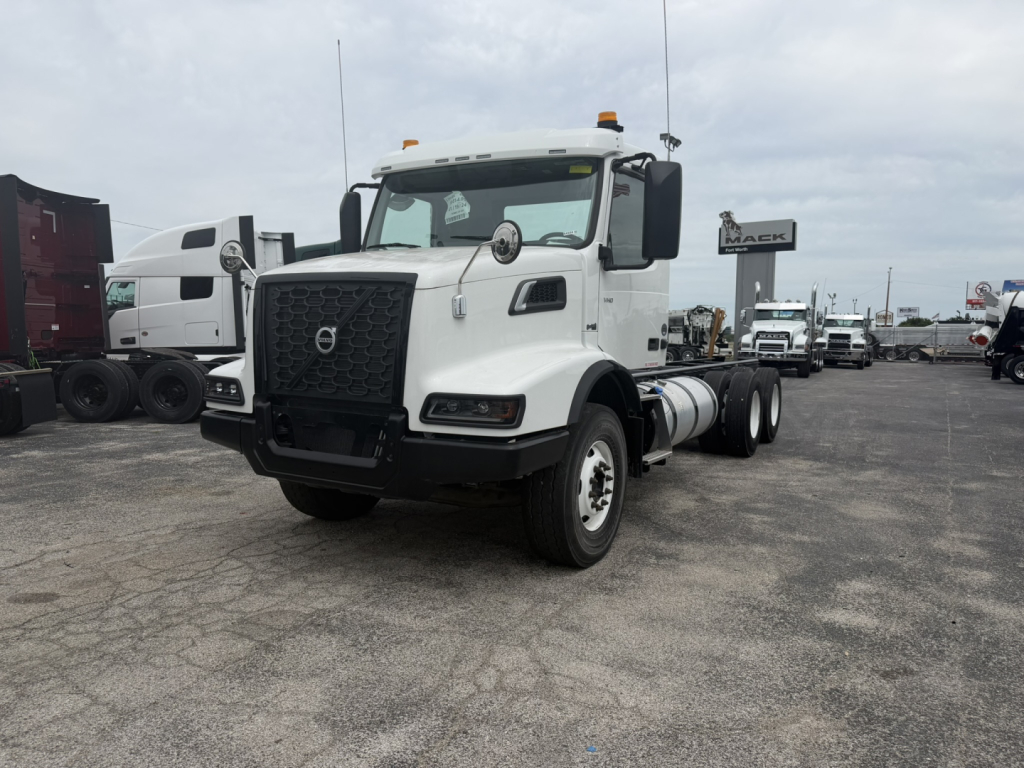
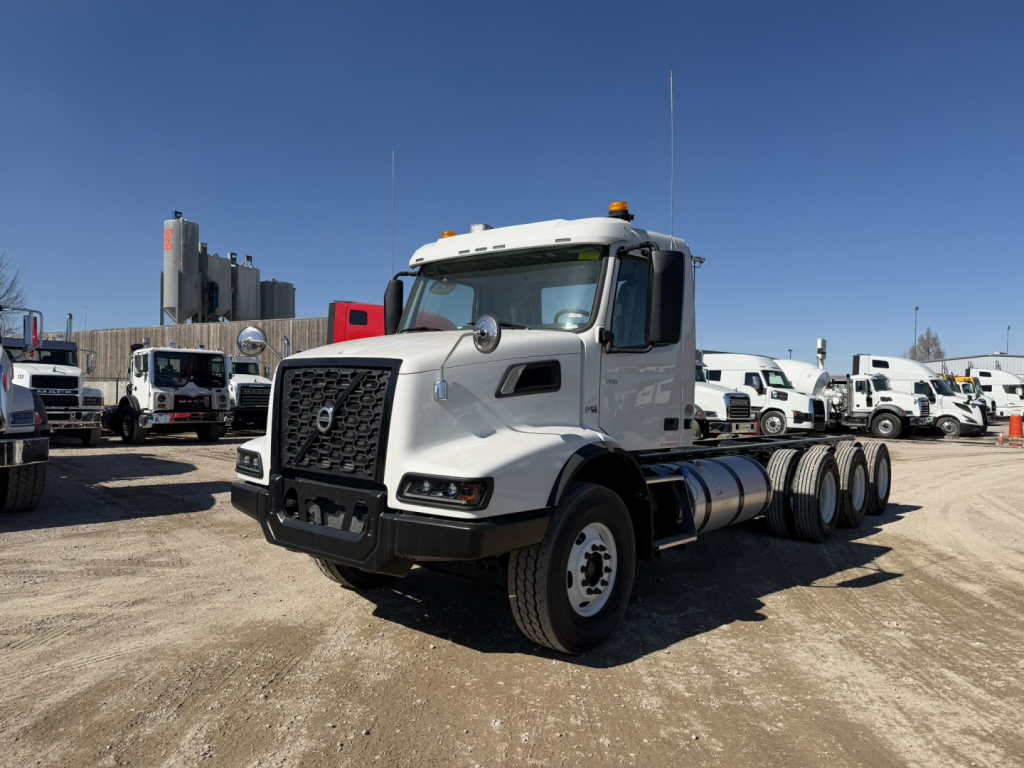
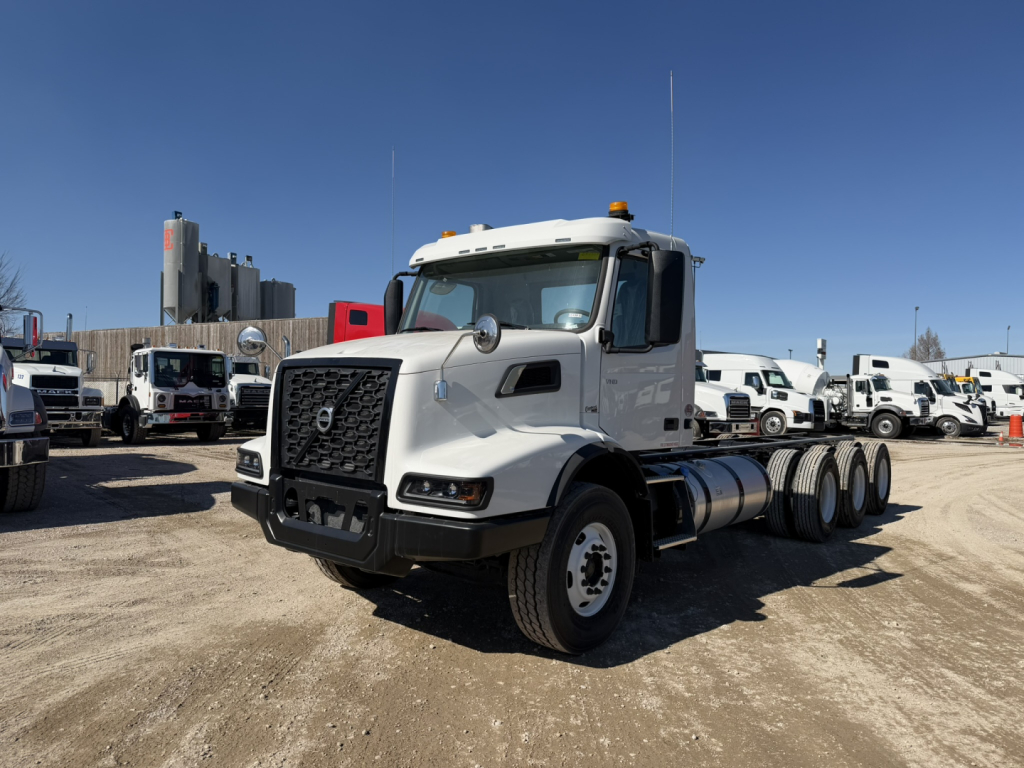
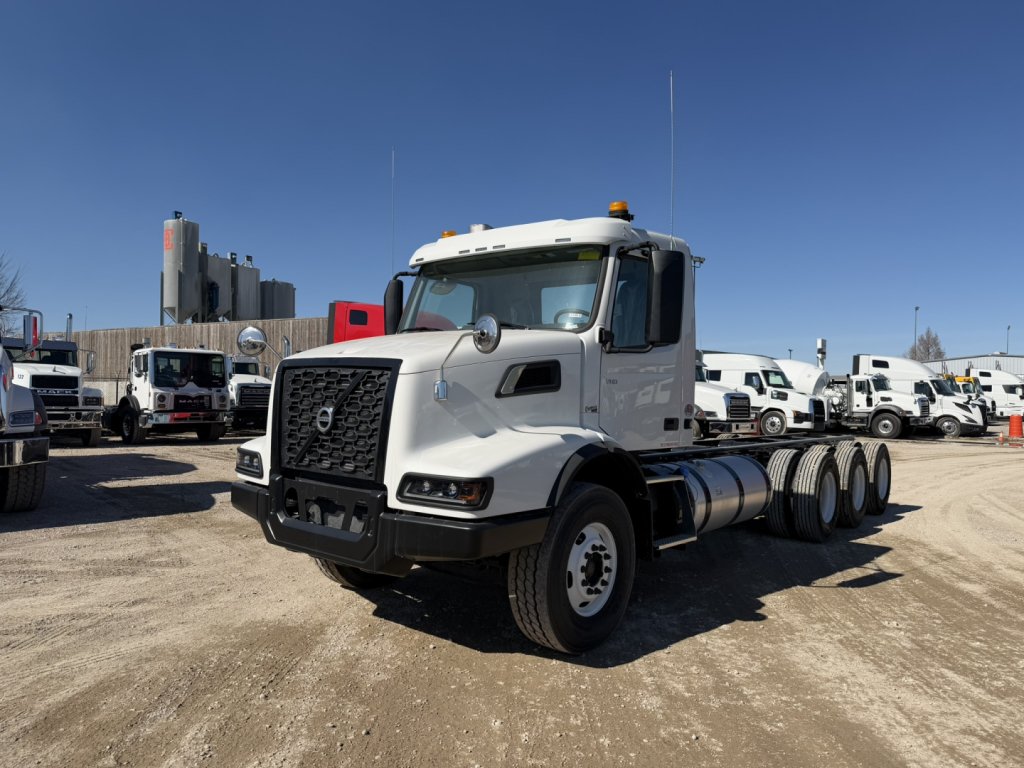
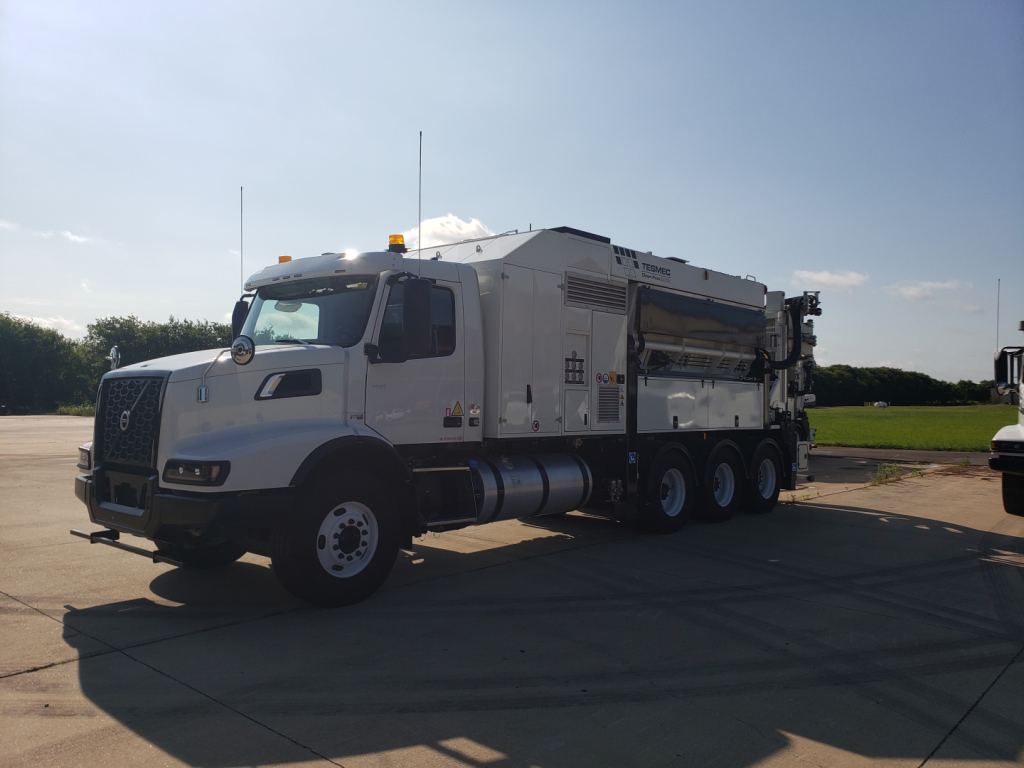
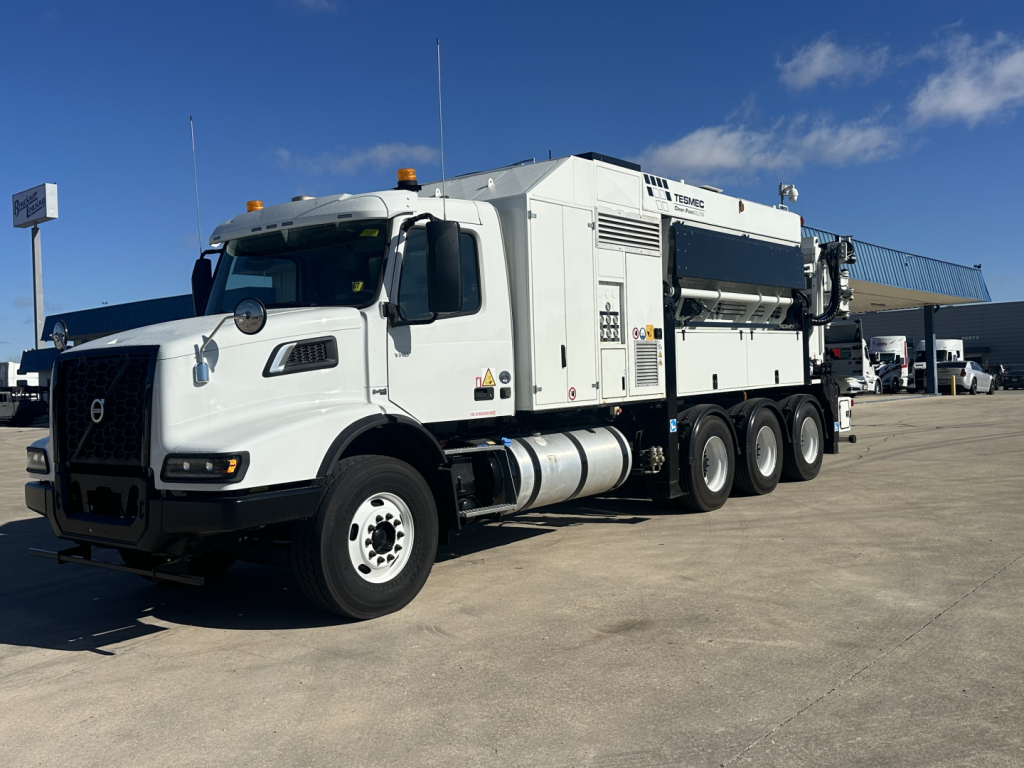
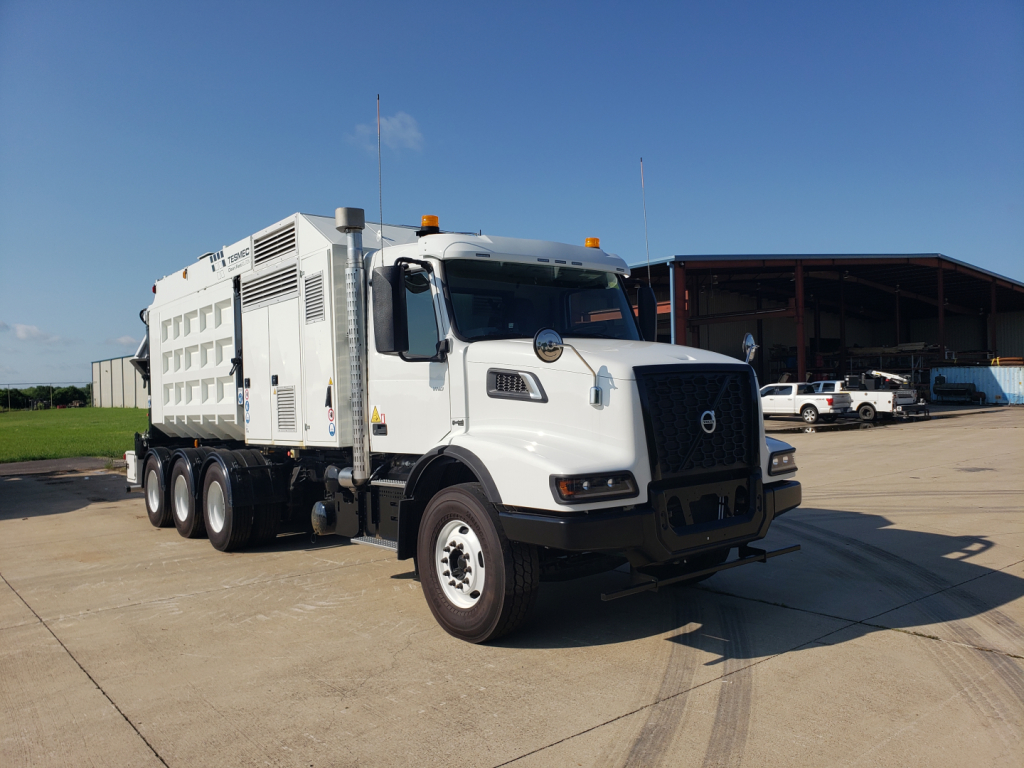
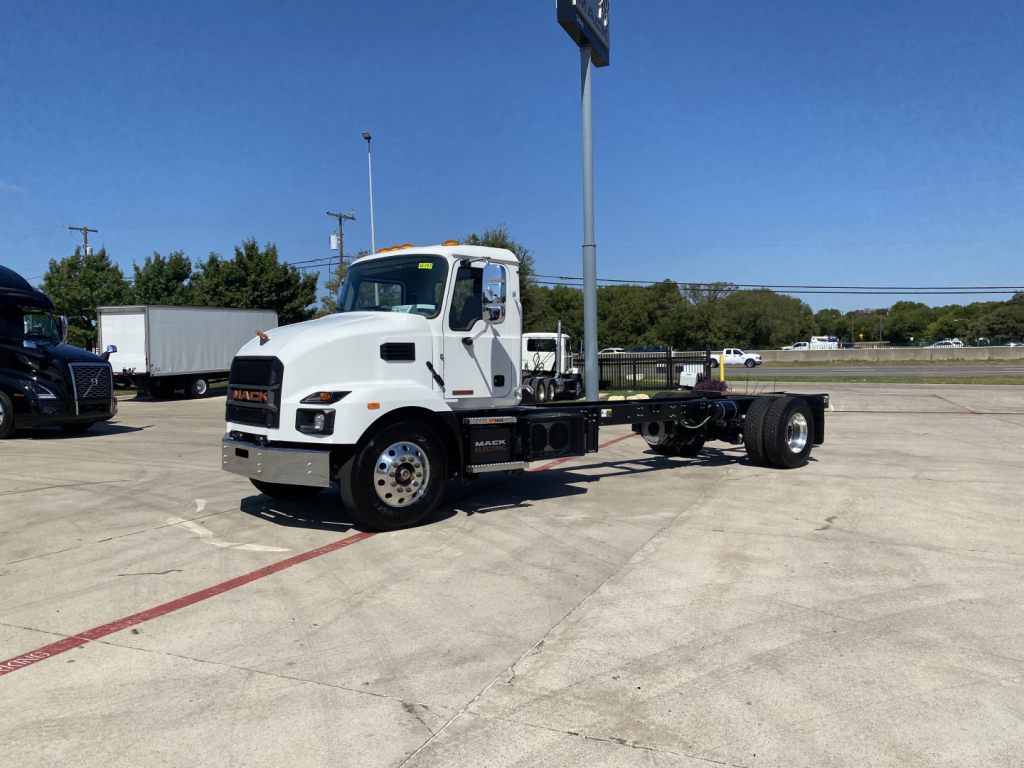
Selling a new 2024 commercial truck? List your new 2024 commercial truck for sale and reach thousands of commercial buyers.
New 2024 Commercial Trucks in Texas
For buyers comparing new 2024 semi trucks, engine and transmission pairing matters as much as brand. Current builds commonly use diesel platforms in the 385 to 455 horsepower range, with torque and rear axle ratio chosen around payload, terrain, and average speed. Automated manual transmissions are standard in many sleeper and day cab tractors because they improve consistency and reduce driver fatigue, while full automatic transmissions remain common in mixer and construction applications where stop-and-go work is constant. Tandem rear axles, 40,000 to 46,000 lb rear ratings, 13,200 lb to 22,800 lb front axles, and air or heavy-duty vocational suspensions are typical specs buyers should compare closely.
Texas operating conditions also shape a smart truck spec. Long interstate runs favor aerodynamic conventional sleepers with wheelbases around the mid-220 inch range, overdrive transmissions, and rear ratios designed for fuel economy. Local haul, oilfield support, municipal service, and ready-mix work often call for stronger brake packages, higher GVWR, shorter or purpose-built wheelbases, PTO readiness, and easier access for drivers making frequent stops. Buyers should also pay attention to disc versus drum brakes, fuel tank capacity, safety systems, and emissions configuration, especially if the truck may cross state lines or run in mixed regulatory environments.
A new 2024 truck appeals to buyers who want current safety technology, cleaner emissions systems, and less uncertainty around previous use. Factory-spec details like sleeper size, kingpin setting compatibility, frame layout, pusher or lift axle prep, body-builder provisions, and telematics can have a direct effect on uptime and resale. For fleet buyers, standardizing around one engine family, transmission type, or cab layout can simplify maintenance and driver training. For owner-operators and small contractors, the right new truck is usually the one spec'd tightly around the work, not the one with the most features on paper.
Frequently Asked Questions about New 2024 Commercial Trucks in Texas
What types of new 2024 trucks are most common in Texas?
The most common new 2024 trucks in Texas include conventional sleeper tractors for long-haul freight, day cab tractors for regional and local work, and vocational trucks such as mixers, dump chassis, and construction-spec tractors. Texas demand is broad because the state supports port freight, interstate linehaul, oilfield service, agriculture, and heavy construction. That means buyers often see a mix of aerodynamic highway trucks and severe-duty vocational units in the same model year.
What specs matter most when buying a new 2024 truck?
The most important specs are cab type, engine horsepower and torque, transmission type, front and rear axle ratings, suspension, wheelbase, rear axle ratio, and GVWR. Those numbers determine how the truck will perform under load and how well it matches the route or job. A sleeper tractor built for highway use will usually prioritize fuel economy and low-RPM cruising, while a vocational truck will prioritize durability, PTO compatibility, braking, and maneuverability.
Are automated manual transmissions or full automatics better in new trucks?
Automated manual transmissions are the standard choice for many highway and regional tractors because they improve fuel efficiency, shift consistency, and driver acceptance. Full automatic transmissions are often preferred in mixers and other vocational trucks that spend the day in traffic, on jobsites, or in repeated stop-start service. The better choice depends on duty cycle, terrain, body equipment, and how much low-speed maneuvering the truck will do.
Why do axle ratings and wheelbase matter so much on a new truck?
Axle ratings determine legal and practical load capacity, while wheelbase affects ride, bridge law flexibility, body fitment, turning radius, and weight distribution. A heavier front axle may be necessary for vocational equipment, larger engines, or front-end accessories. A highway tractor may use a wheelbase that balances aerodynamics, fuel capacity, and trailer swing clearance, while a body-builder truck must be spec'd around the intended body length and axle placement.
Is a new 2024 truck a good choice for fleet standardization?
A new 2024 truck can be a strong fleet standardization choice because it gives managers the opportunity to align engine platforms, transmission types, safety systems, telematics, and service procedures across multiple units. Standardization can reduce parts complexity, simplify technician training, and make driver onboarding easier. It also helps with resale planning because a consistent spec is easier to evaluate and remarket than a fleet made up of mixed configurations.