
New 2024 Commercial Trucks For Sale in Florida
Shop new 2024 trucks for sale in Florida, including medium-duty and vocational models with diesel power, automatic transmissions, and work-ready upfits.
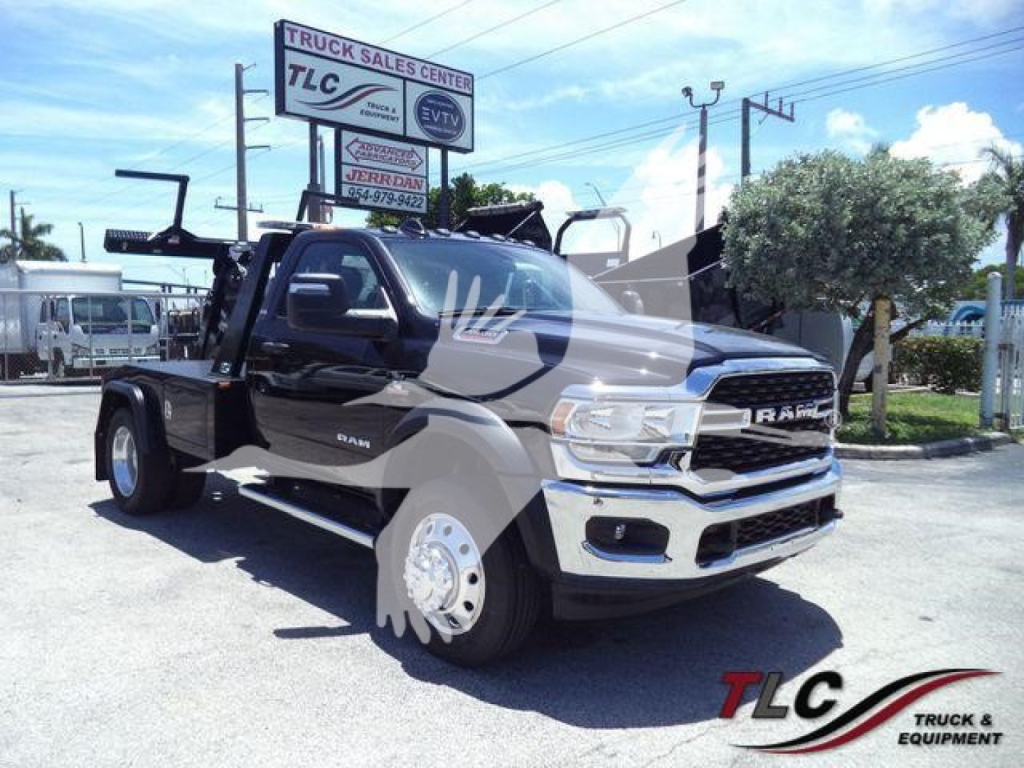
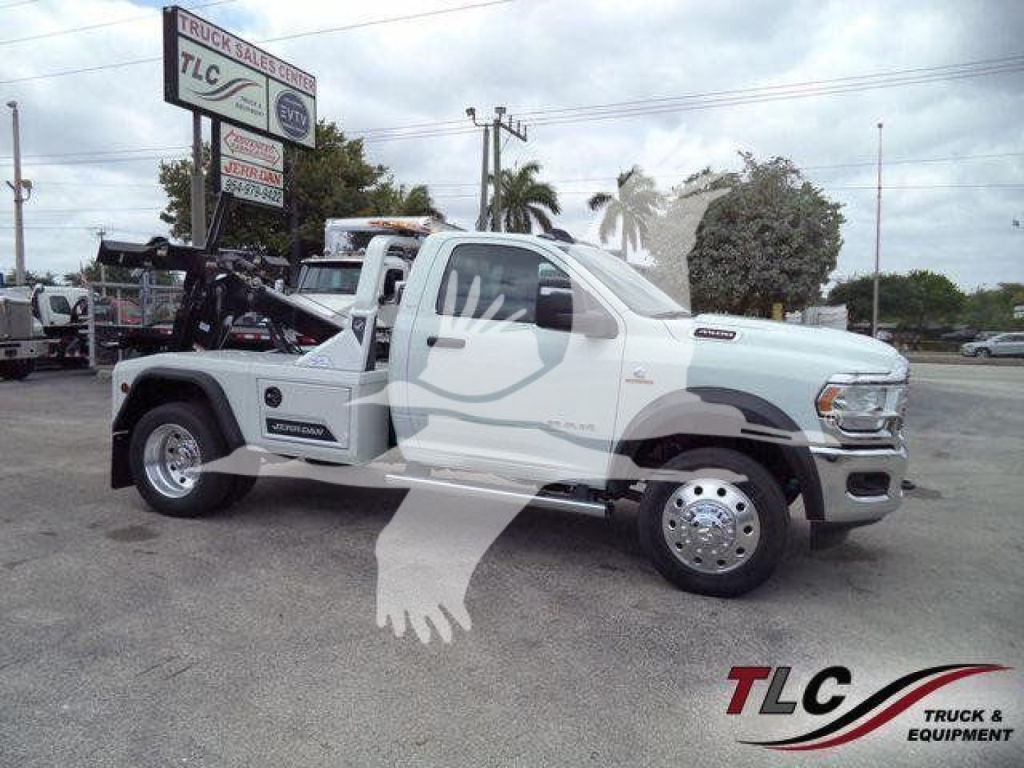
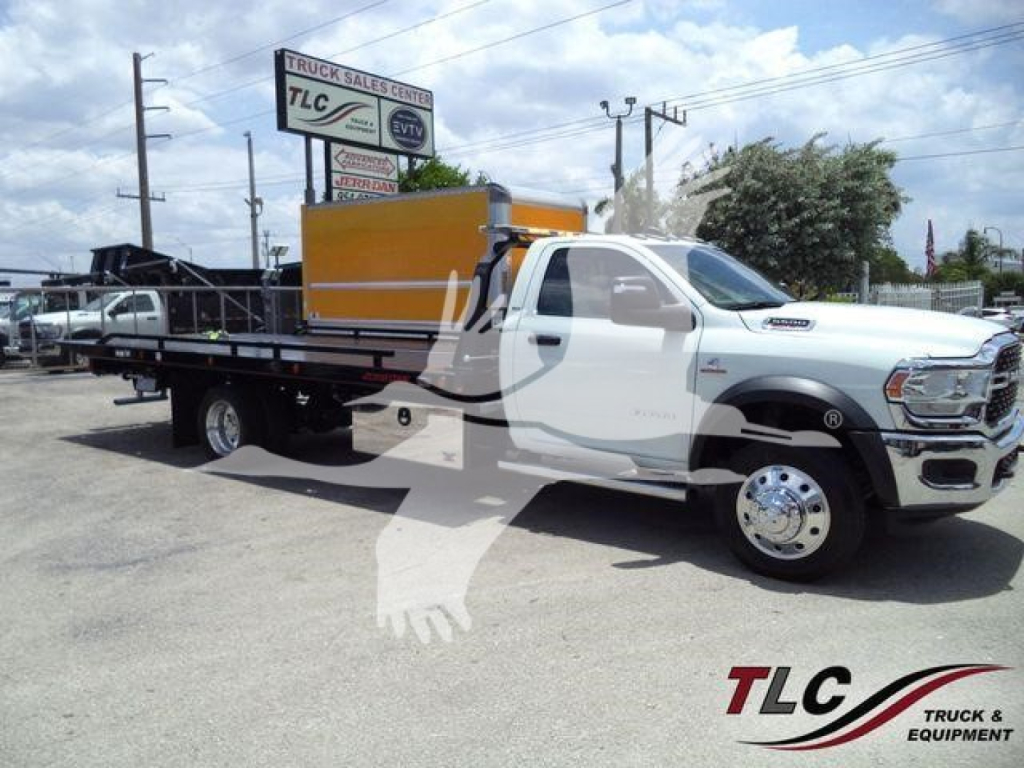
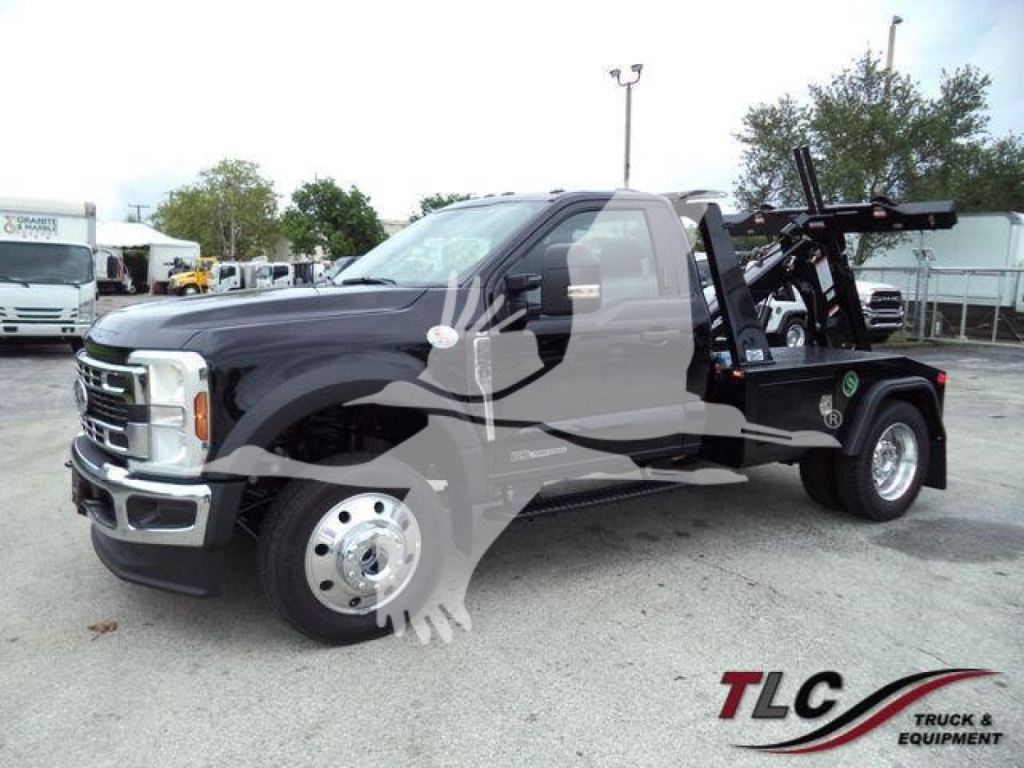
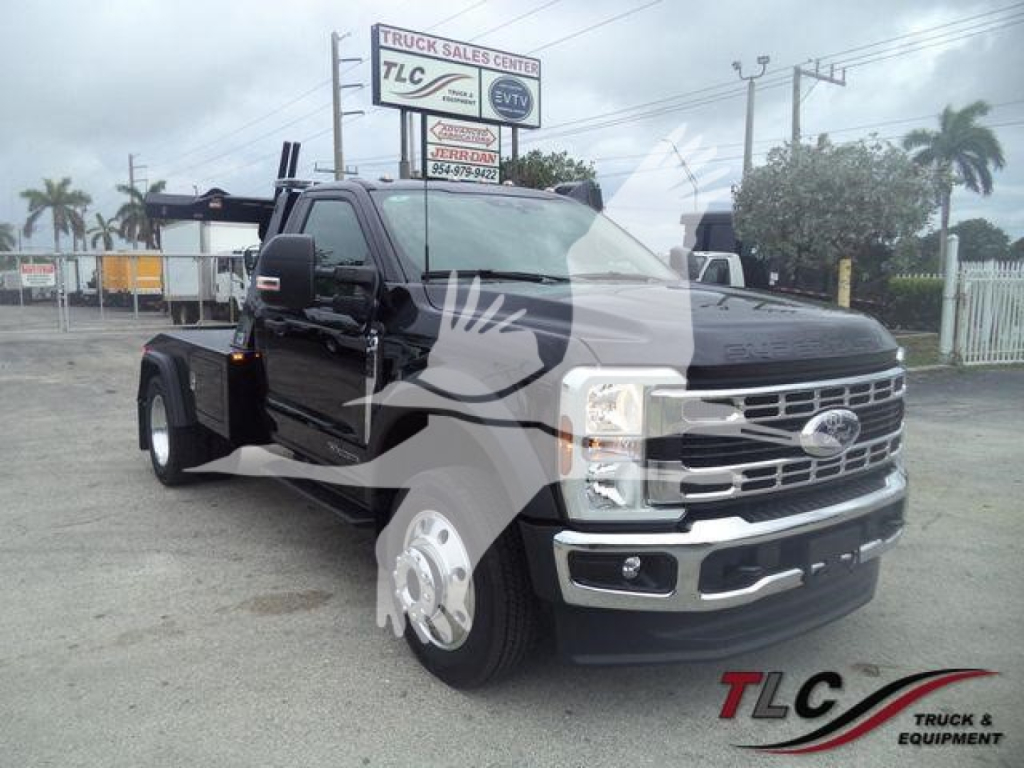
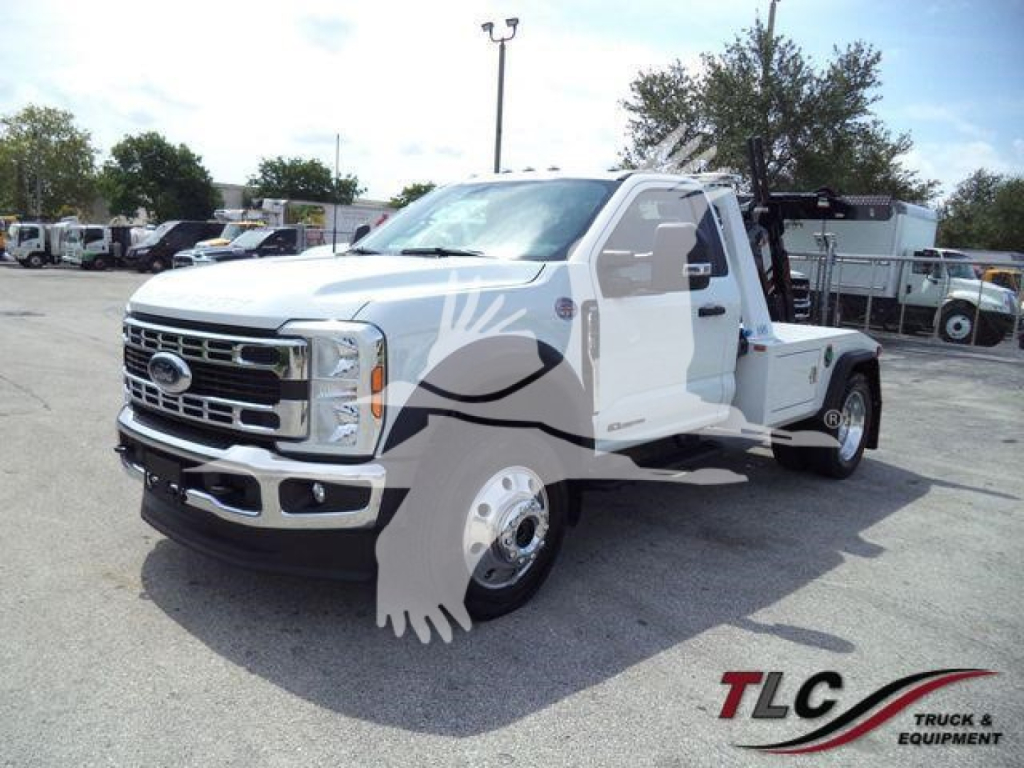
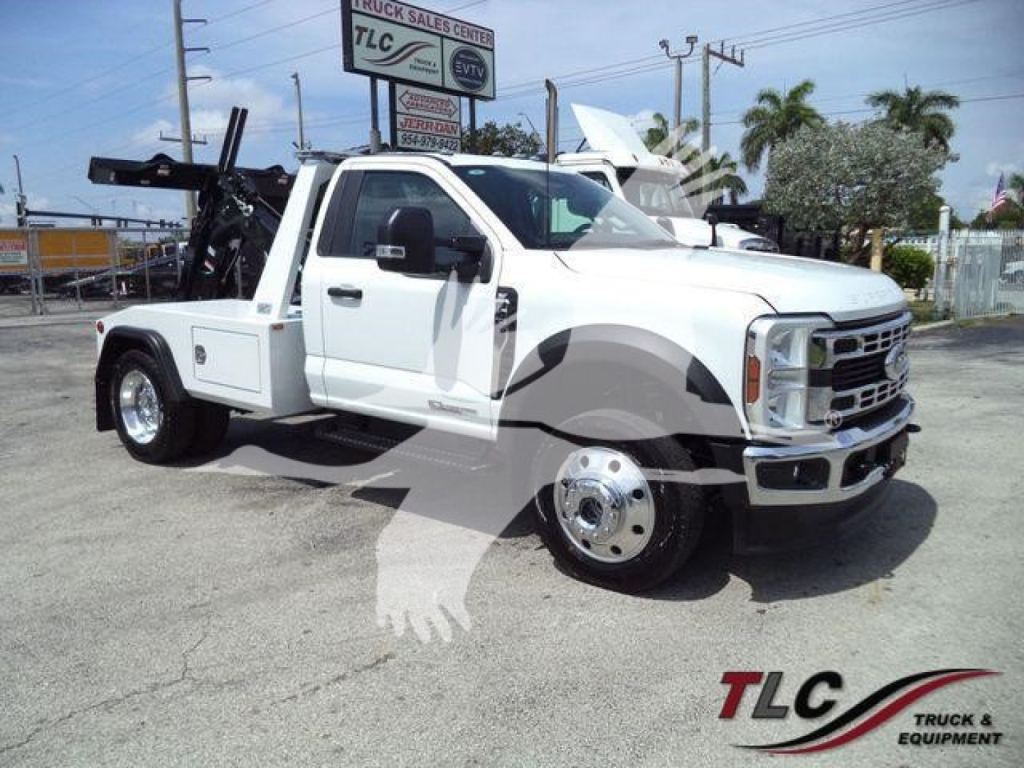
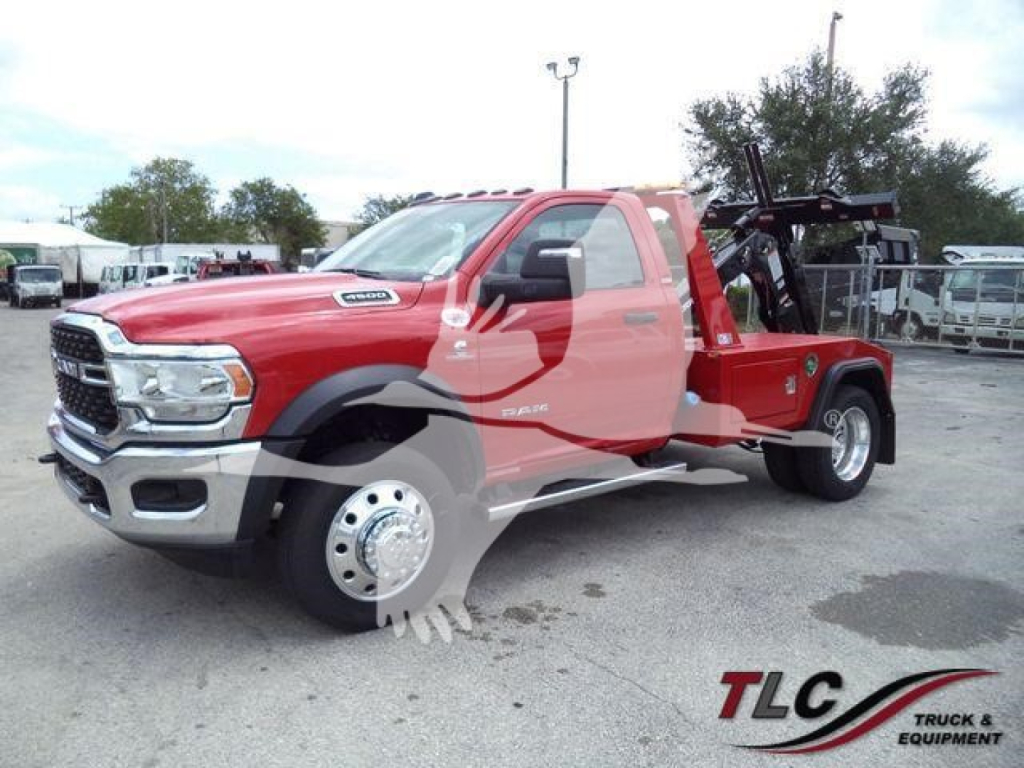
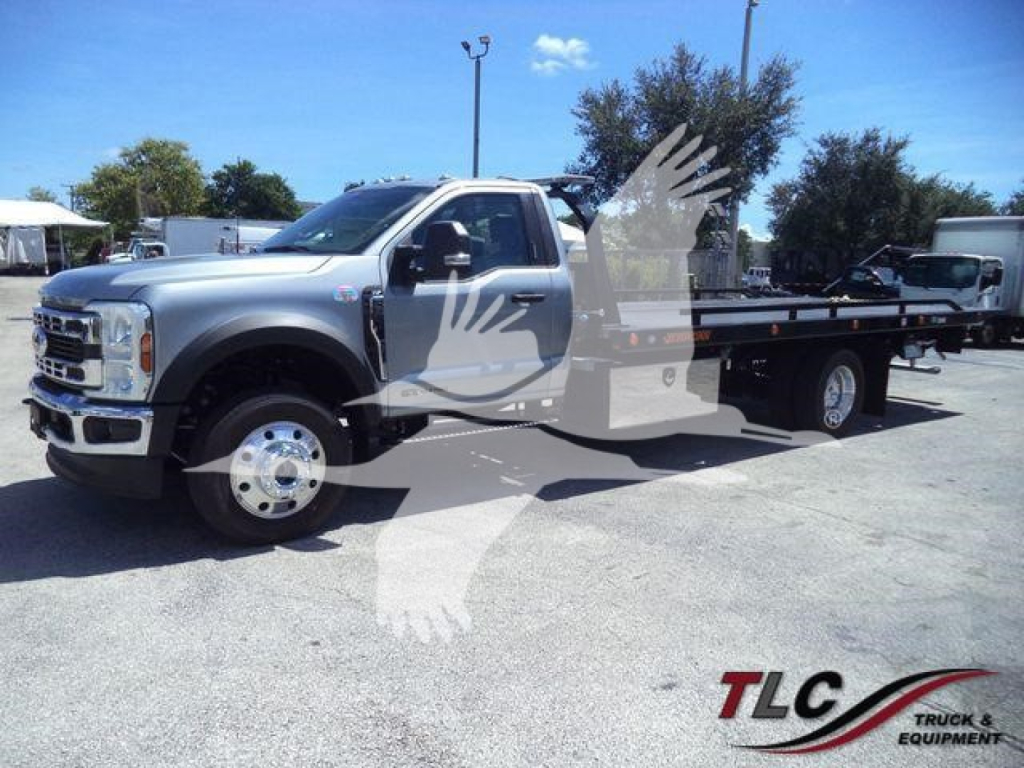
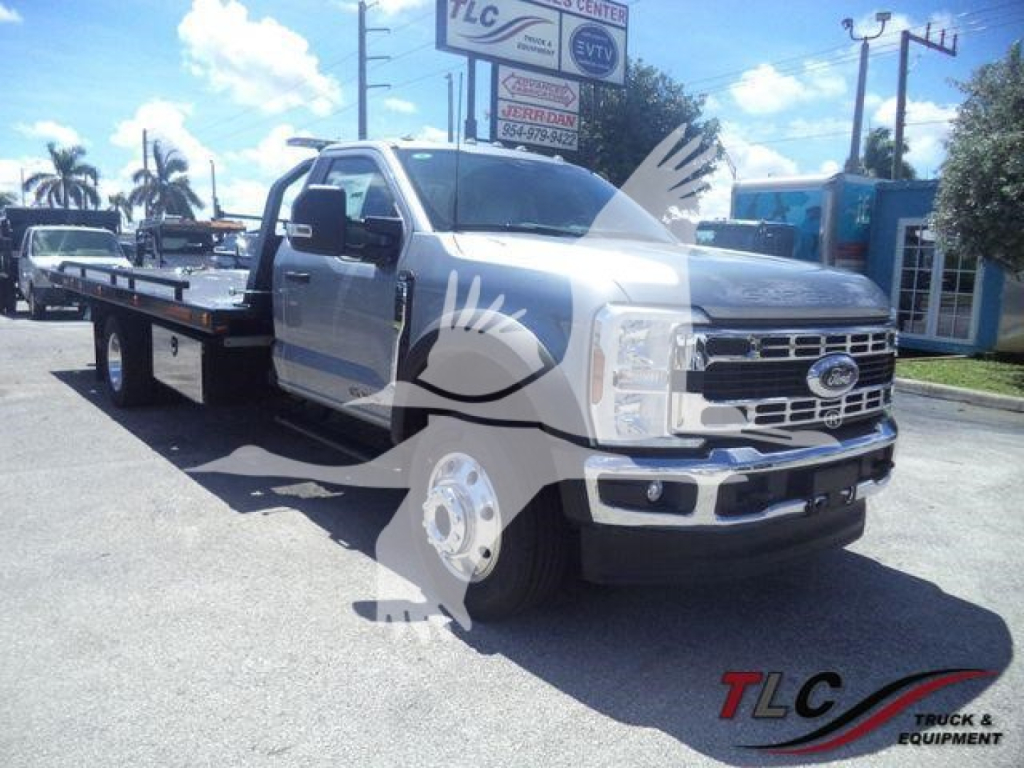
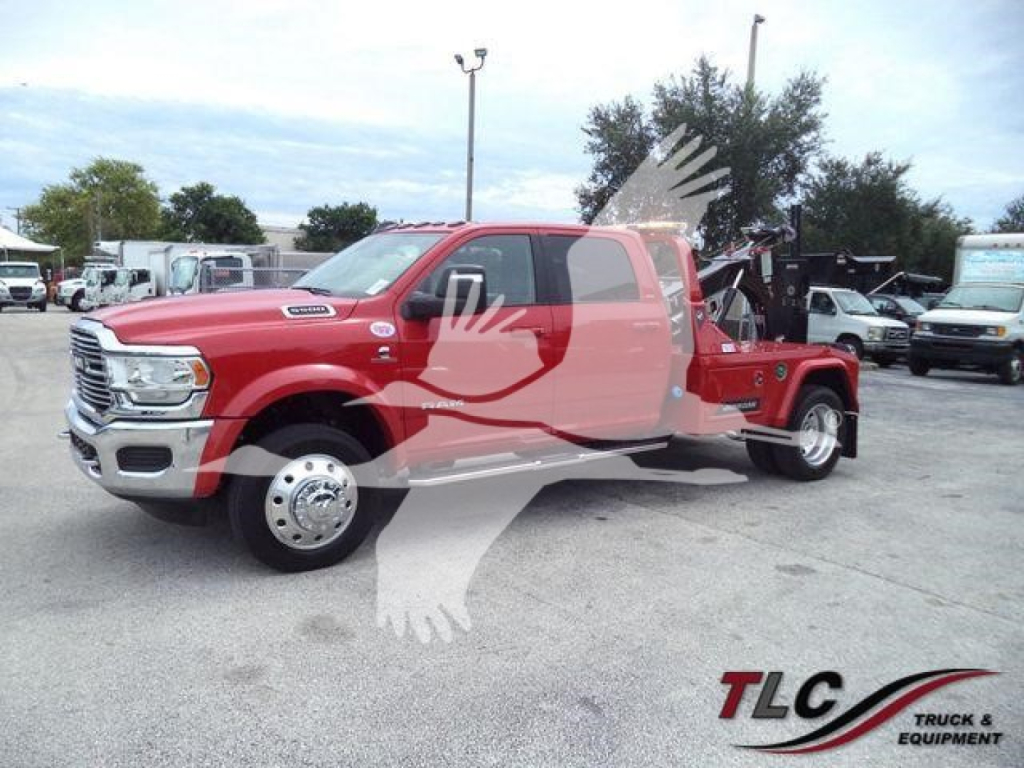
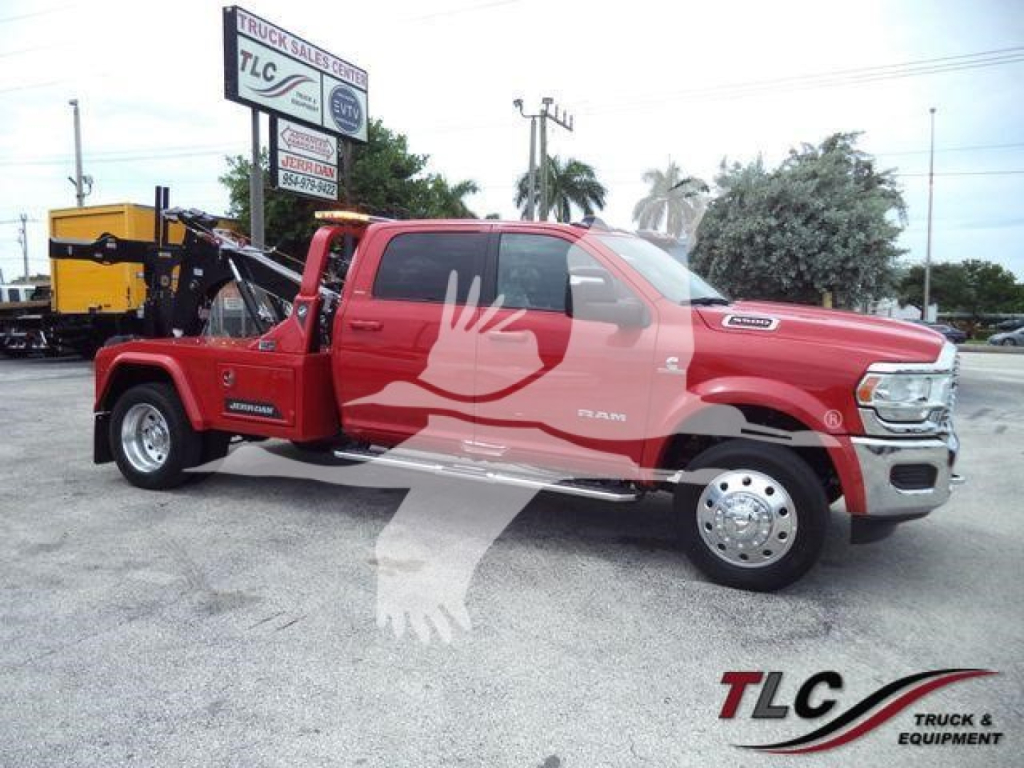
Showing 1 to 28 of 73 results
Selling a new 2024 commercial truck? List your new 2024 commercial truck for sale and reach thousands of commercial buyers.
New 2024 Commercial Trucks in Florida
On the chassis side, 2024 trucks in this segment are commonly spec'd with 4x2 or 4x4 drivetrains, regular cab, standard cab, crew cab, or extended cab layouts, and GVWR ratings ranging from about 19,500 to 26,000 pounds. Diesel power remains the standard for towing, hauling, and municipal or contractor work, with popular engine and transmission combinations built around Duramax, Cummins, Allison, and other proven medium-duty packages. Buyers comparing new trucks should look closely at front and rear axle ratings, brake type, wheelbase, fuel tank size, tire size, and turning radius, because those details matter as much as horsepower once the truck is upfitted. Air brakes, engine brakes, power windows and locks, backup cameras, and factory infotainment are now common on many new commercial truck specs.
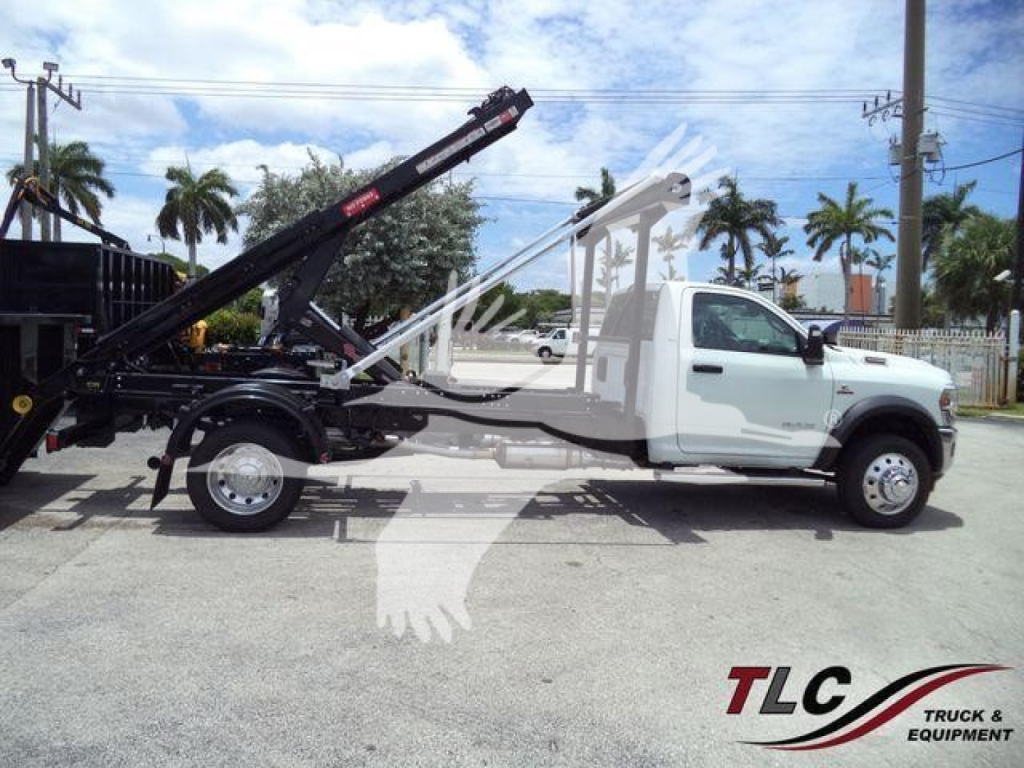
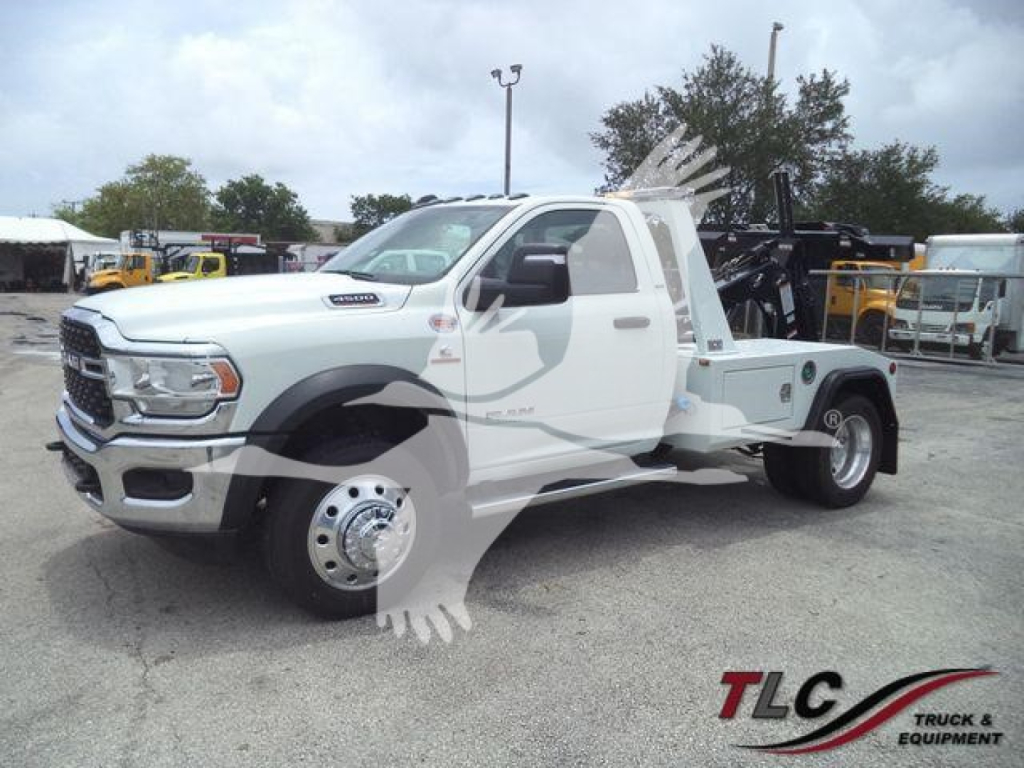
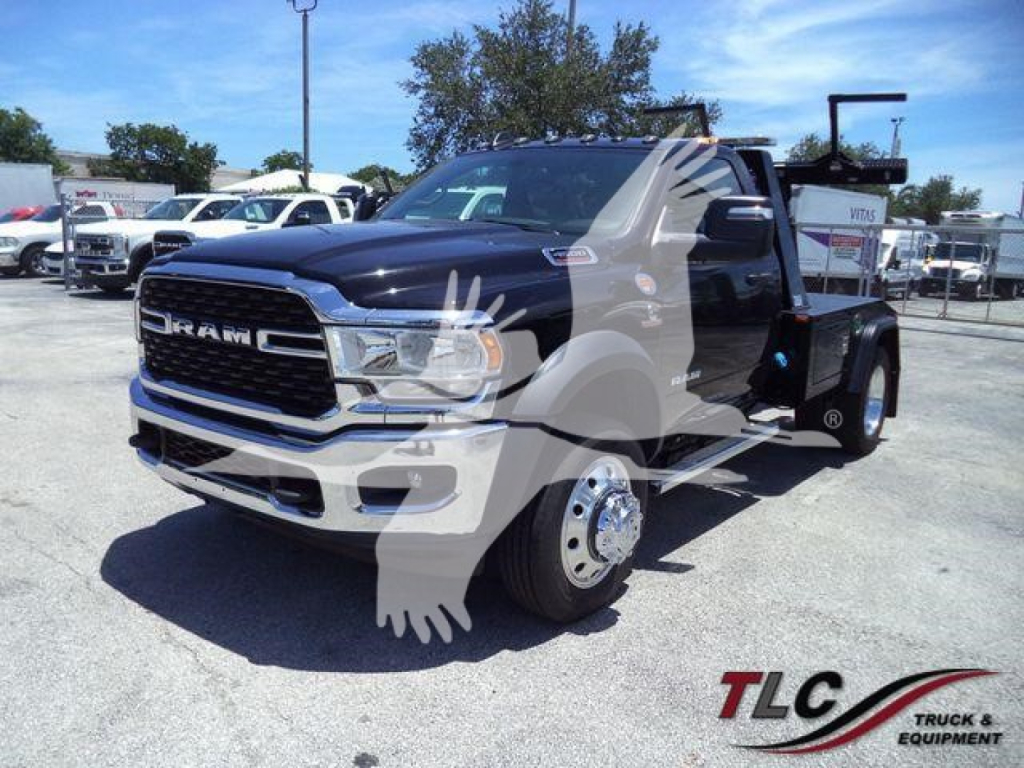
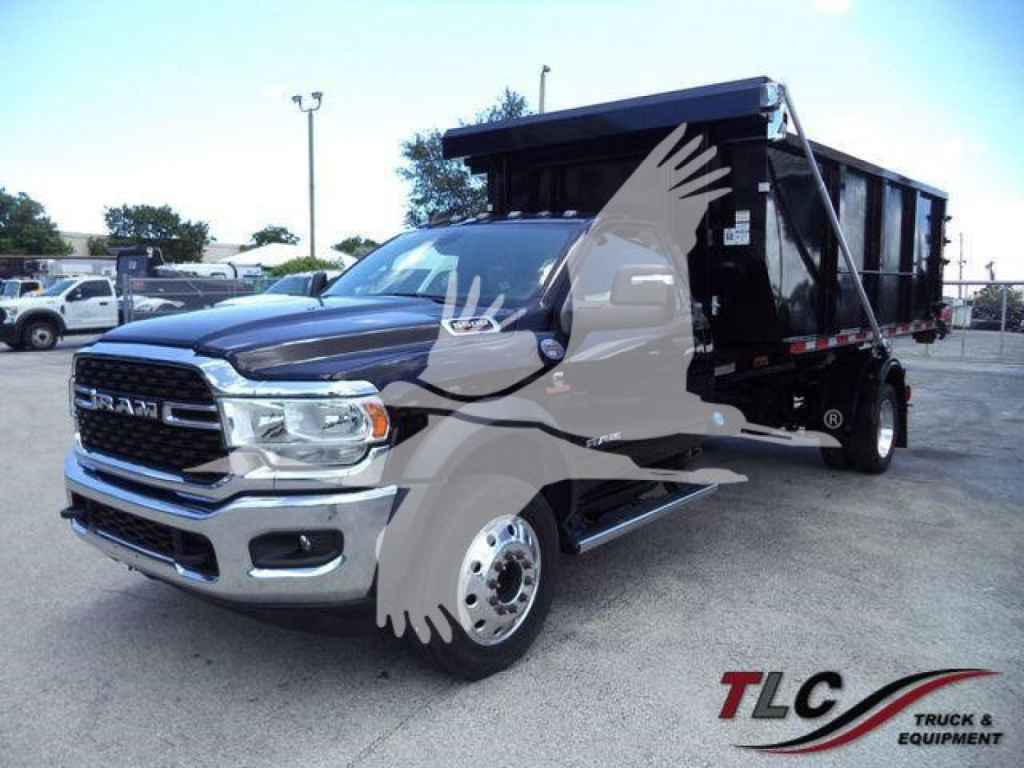
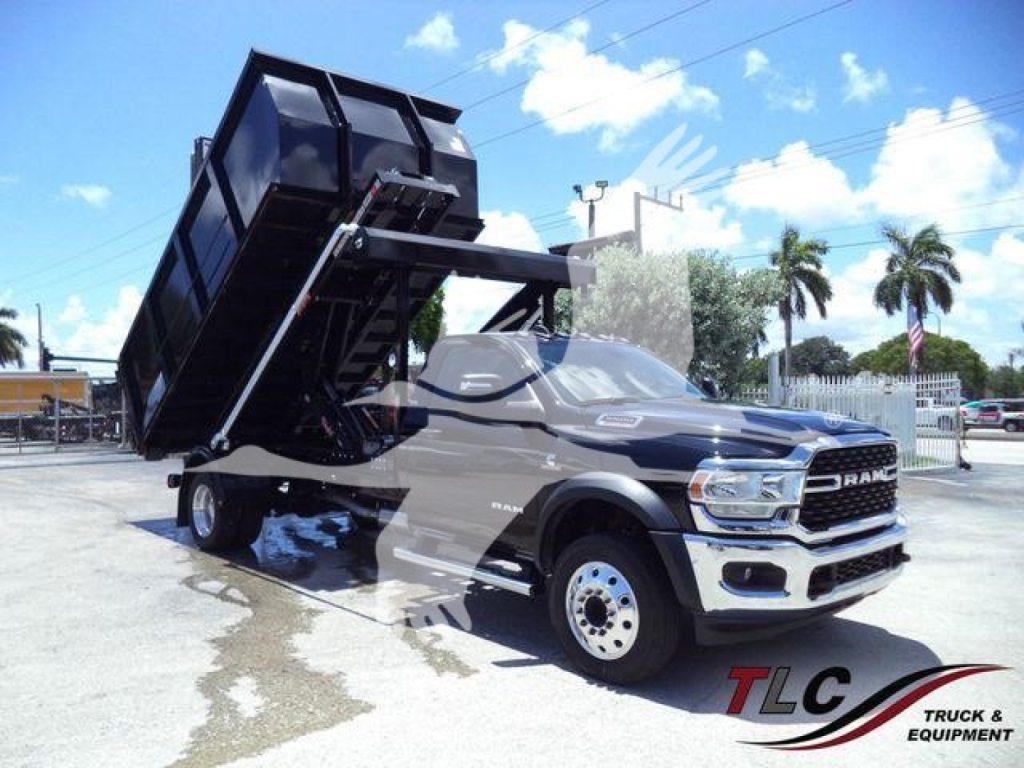
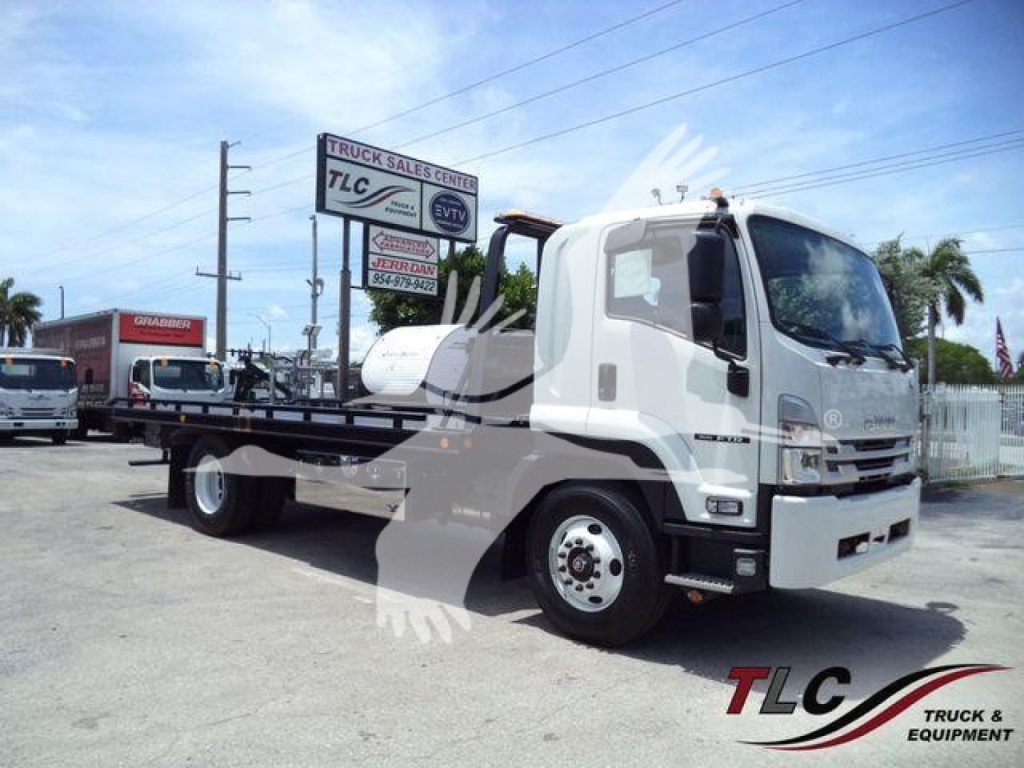
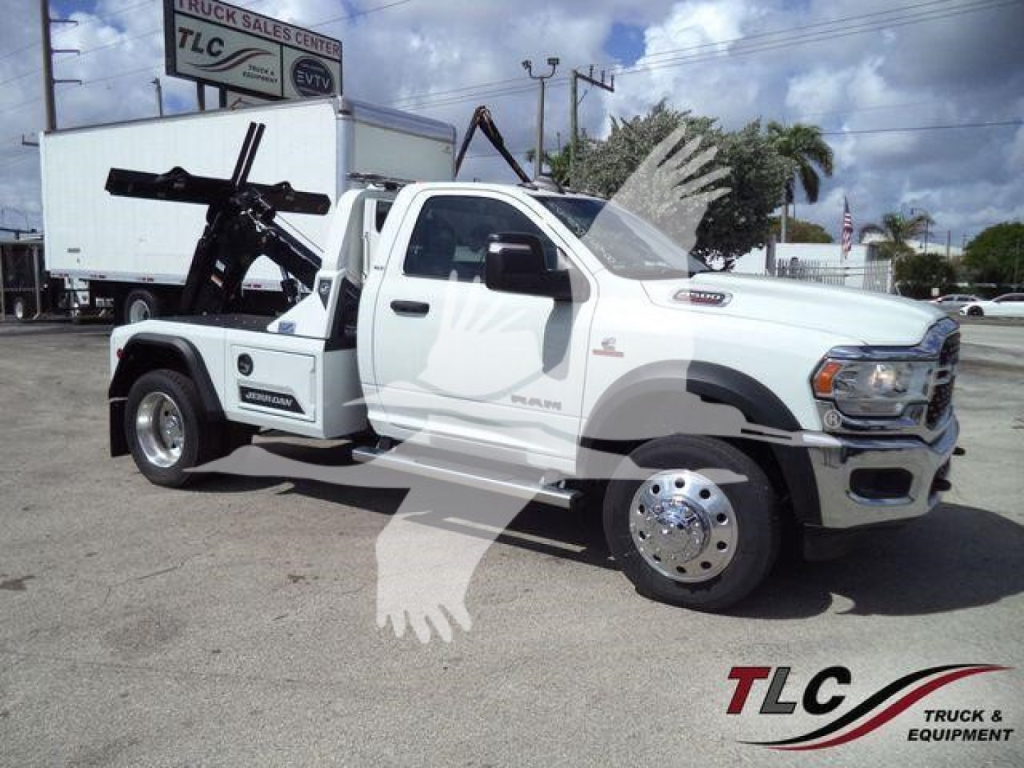
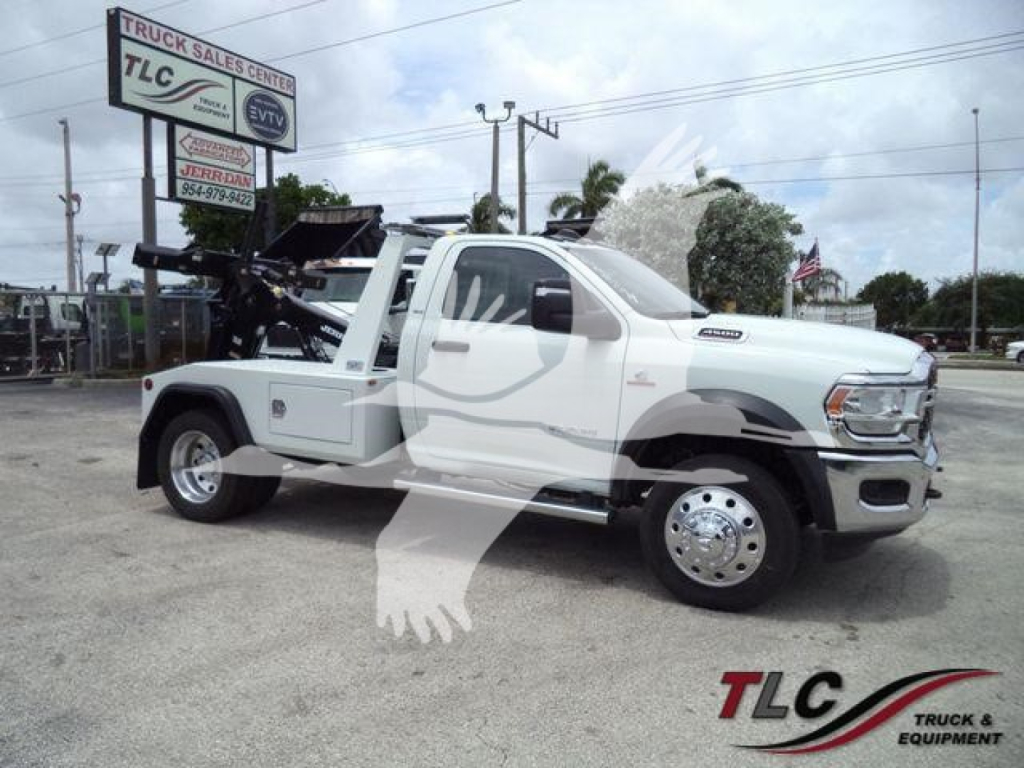
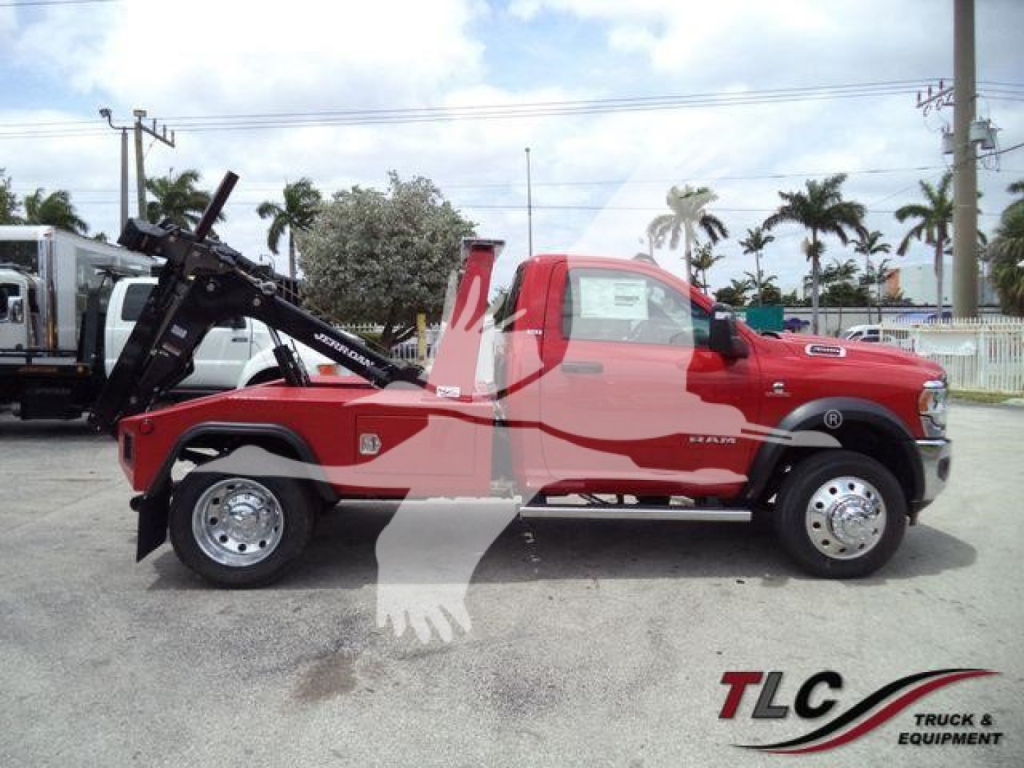
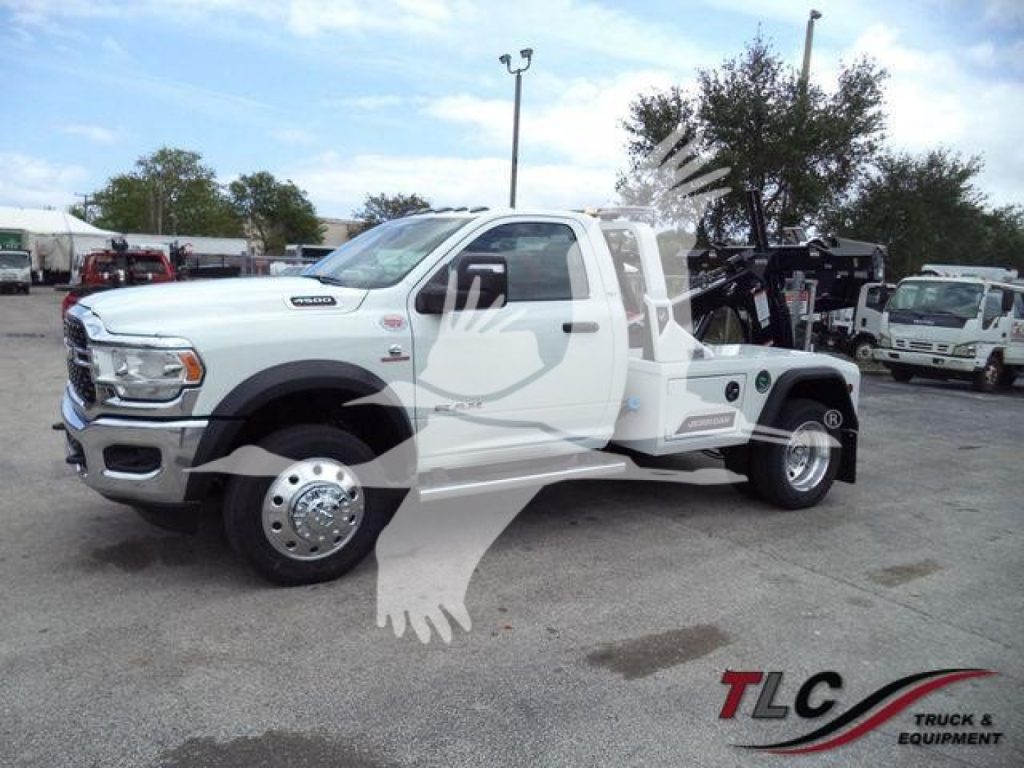
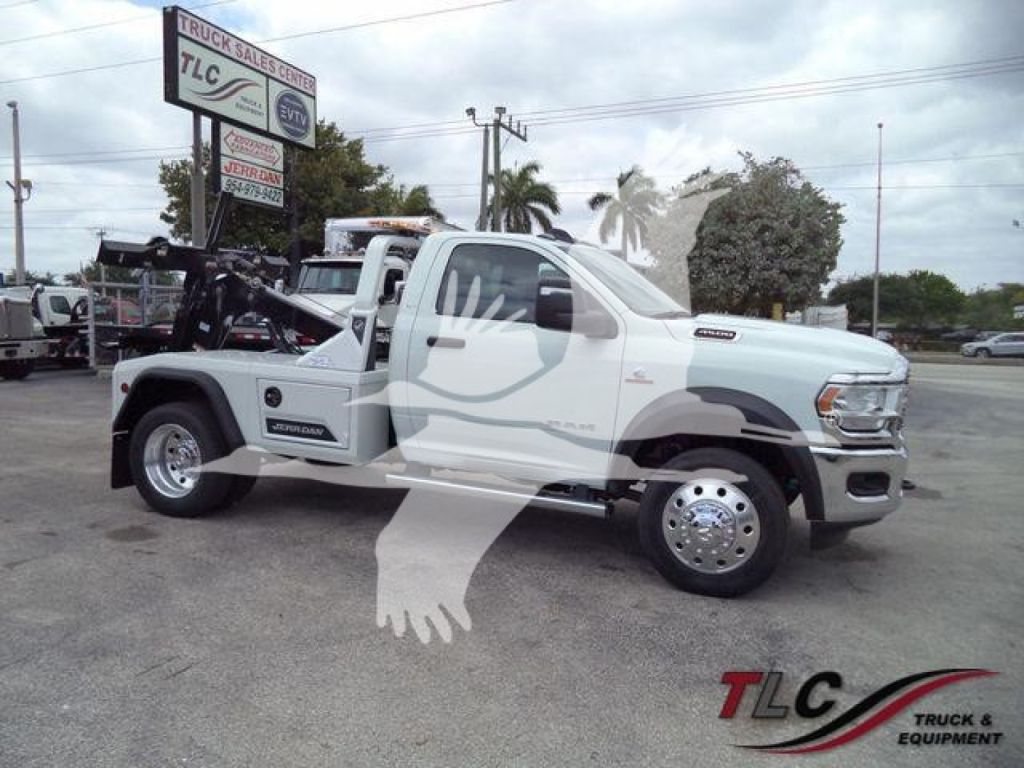
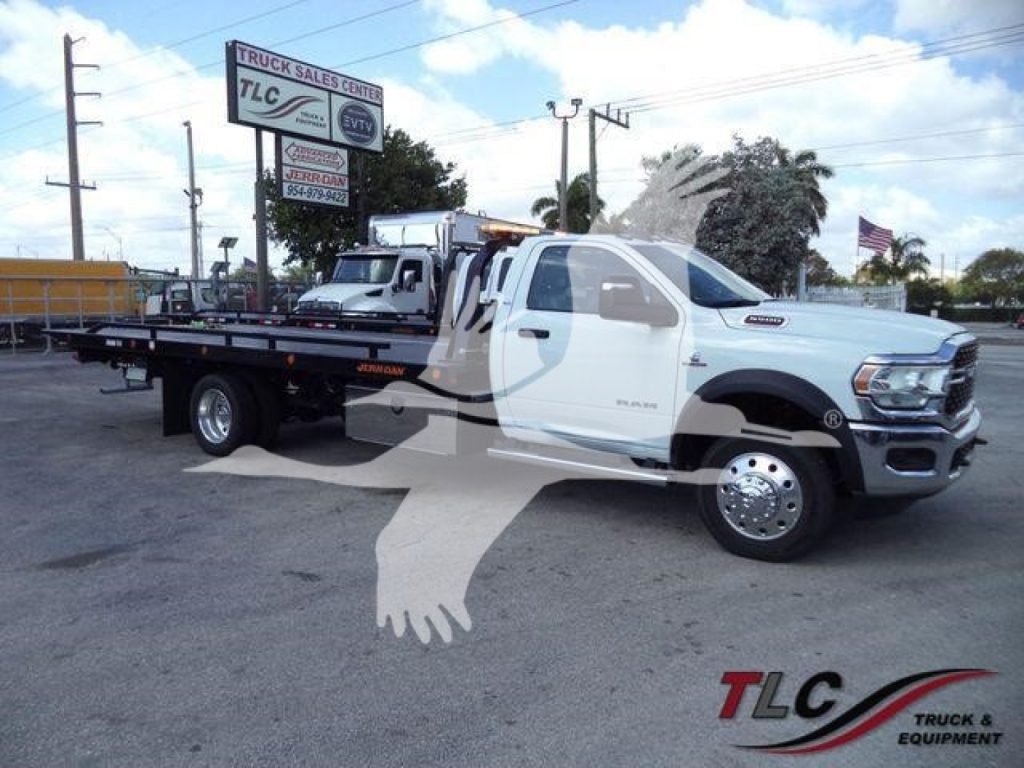
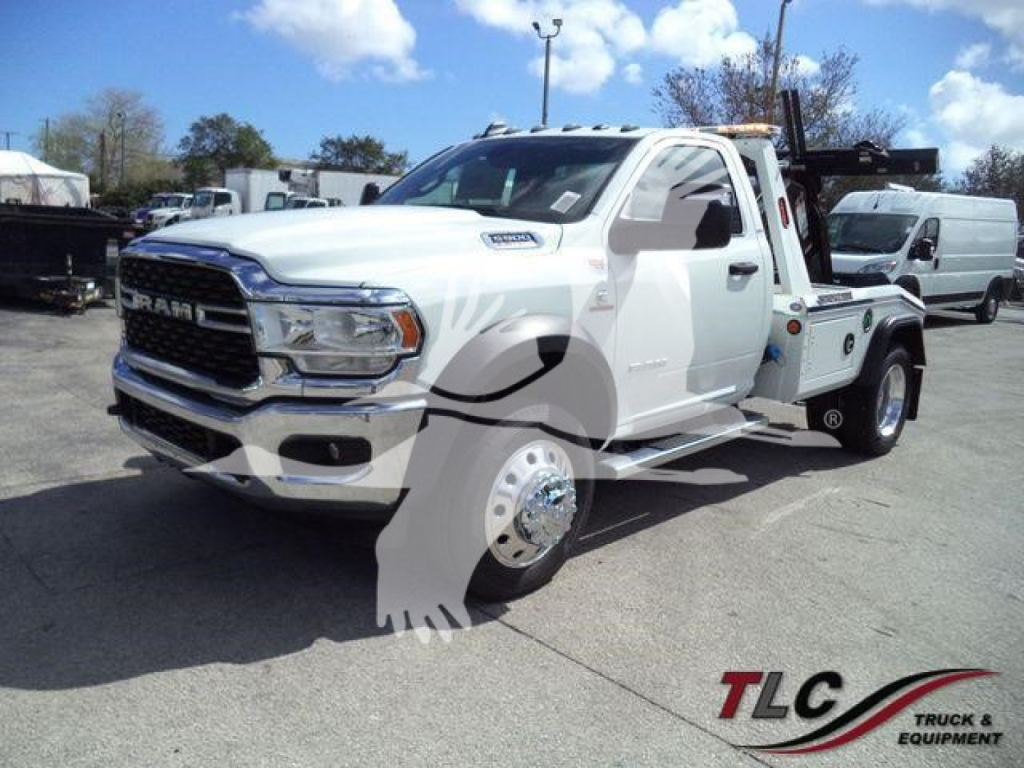
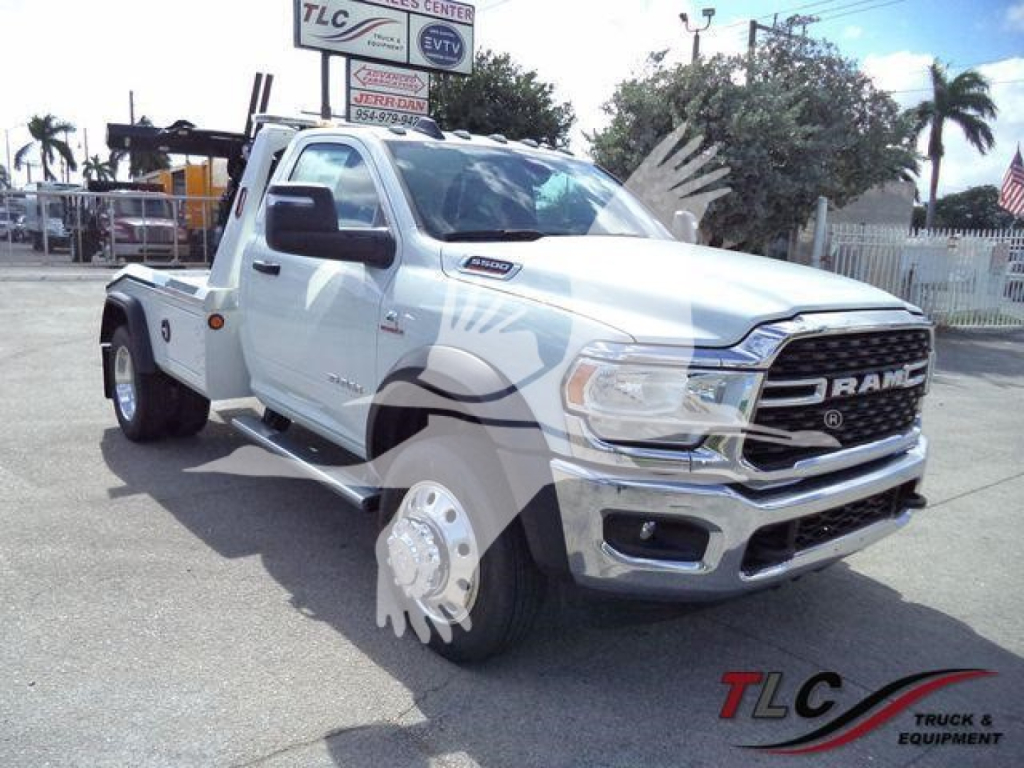
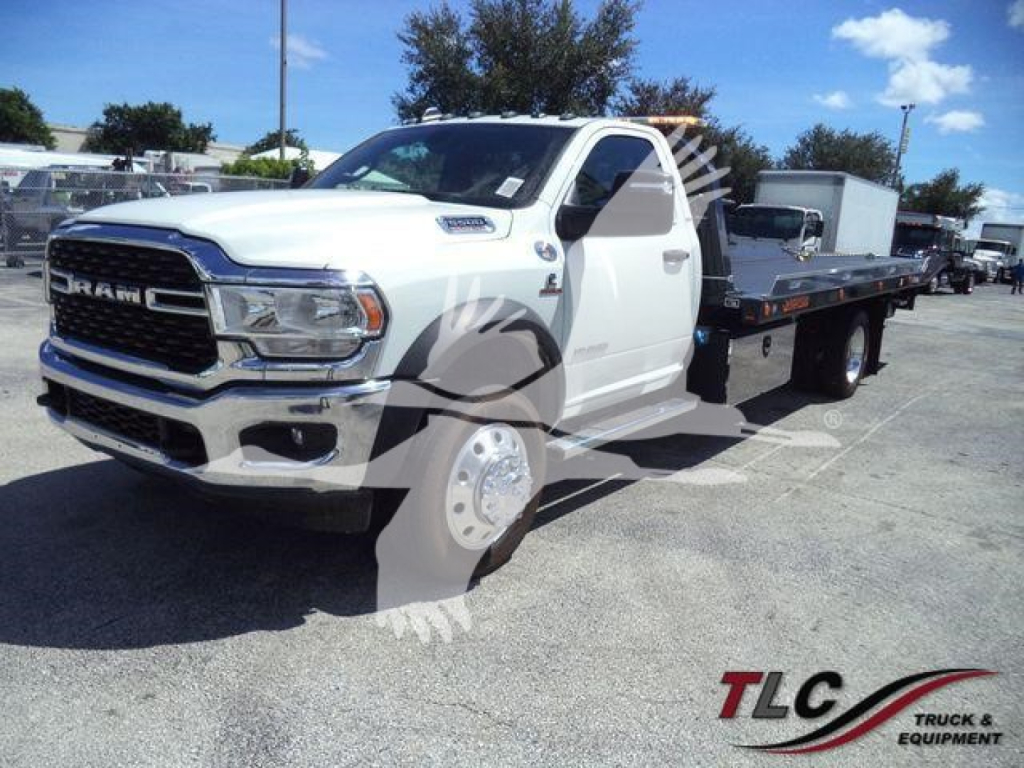
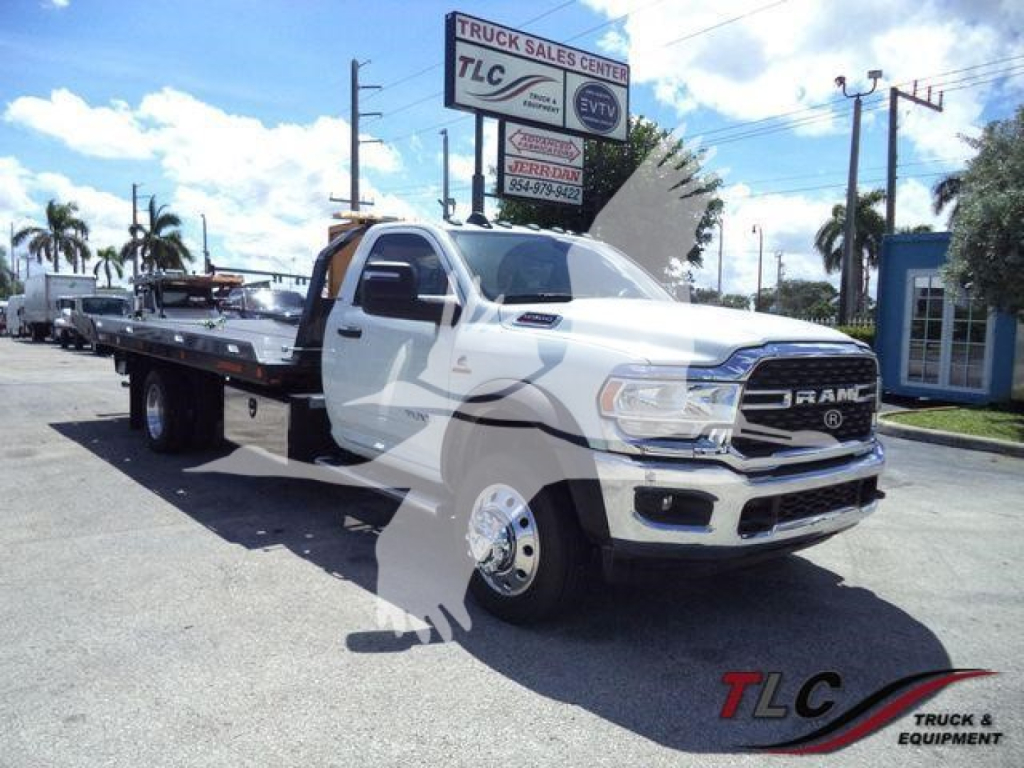
For vocational buyers, the body and equipment package usually drive total value. Rollback and car carrier trucks often feature extra low profile decks, steel or aluminum beds, hydraulic wheel lifts with L-arms, winches, removable rails, LED light bars, and side toolboxes. Refuse and roll-off applications may include cable hoists, PTO-driven hydraulic systems, tarp systems, ICC bumpers, receiver hitches, and container compatibility. Flatbeds and equipment haulers may add beavertails, spring-assisted ramps, stake pockets, headboards, and diamond plate decking. A buyer should confirm deck length, usable deck width, wheel-lift rating, winch capacity, PTO setup, and body manufacturer warranty before comparing price alone.
Florida operating conditions make spec discipline important. Trucks that spend time in stop-and-go metro traffic, recovery work on shoulders, or contractor service in soft ground may benefit from 4x4, aggressive tire choices, and simpler spring suspension. Highway-oriented hauling and carrier work may justify air ride, larger fuel capacity, and a roomier cab. New 2024 trucks also appeal to buyers who want current emissions systems, factory warranty coverage, updated safety electronics, and a fresh maintenance baseline. The right truck in this category is the one whose chassis, body, and weight ratings match the actual work cycle without leaving you overloaded, over-spec'd, or paying for features that do not improve uptime.
Frequently Asked Questions about New 2024 Commercial Trucks in Florida
What should I look for first when comparing new 2024 trucks for sale in Florida?
Start with the truck’s intended application, GVWR, and body or upfit configuration. A rollback tow truck, roll-off truck, and flatbed may all look similar on paper, but axle ratings, wheelbase, PTO requirements, suspension, and cab layout can be very different. In Florida, buyers should also factor in heat management, corrosion resistance, and whether the truck will run mostly in urban traffic, on highways, or on unpaved job sites.
Are diesel engines still the best choice for new medium-duty vocational trucks?
For most towing, hauling, and equipment-carrying applications, diesel remains the preferred choice because it delivers strong low-end torque, better durability under load, and broad support in the medium-duty market. Diesel trucks are especially common in Class 4 through Class 6 chassis used for rollback carriers, contractor bodies, and roll-off applications. The best engine choice still depends on duty cycle, annual mileage, payload, and maintenance planning.
Is 4x2 or 4x4 better for a new work truck in Florida?
A 4x2 truck is often the better fit for paved-road use, lower acquisition cost, and simpler maintenance. A 4x4 truck makes more sense for recovery work, soft shoulders, construction access, storm response, and jobs that regularly involve mud, sand, or uneven ground. Buyers should weigh traction needs against added weight, higher ride height, and reduced payload that can come with a 4x4 spec.
What body specs matter most on a rollback or carrier truck?
The key specs are deck length, deck width, bed material, wheel-lift capacity, winch rating, deck angle, and the overall low-profile design of the carrier. Buyers should also check toolbox size, rail configuration, lighting, hydraulic system design, and whether the body includes features like removable rails or dual free spool winches. These details affect the types of vehicles you can load, how quickly you can work, and how well the truck fits recovery versus transport work.
Why do axle ratings and GVWR matter so much on new trucks?
Axle ratings and GVWR determine what the truck can legally and safely carry after the body, tools, fuel, and crew are onboard. A truck with a strong engine and a large bed can still be the wrong choice if the front axle, rear axle, or suspension is undersized for the actual load. Matching payload needs to the complete chassis-and-body rating is one of the most important steps in buying a vocational truck.