
Used 2014 Mack Trucks For Sale
Shop used 2014 Mack trucks with specs buyers want most, including MP engines, mDrive options, axle setups, vocational and highway applications.
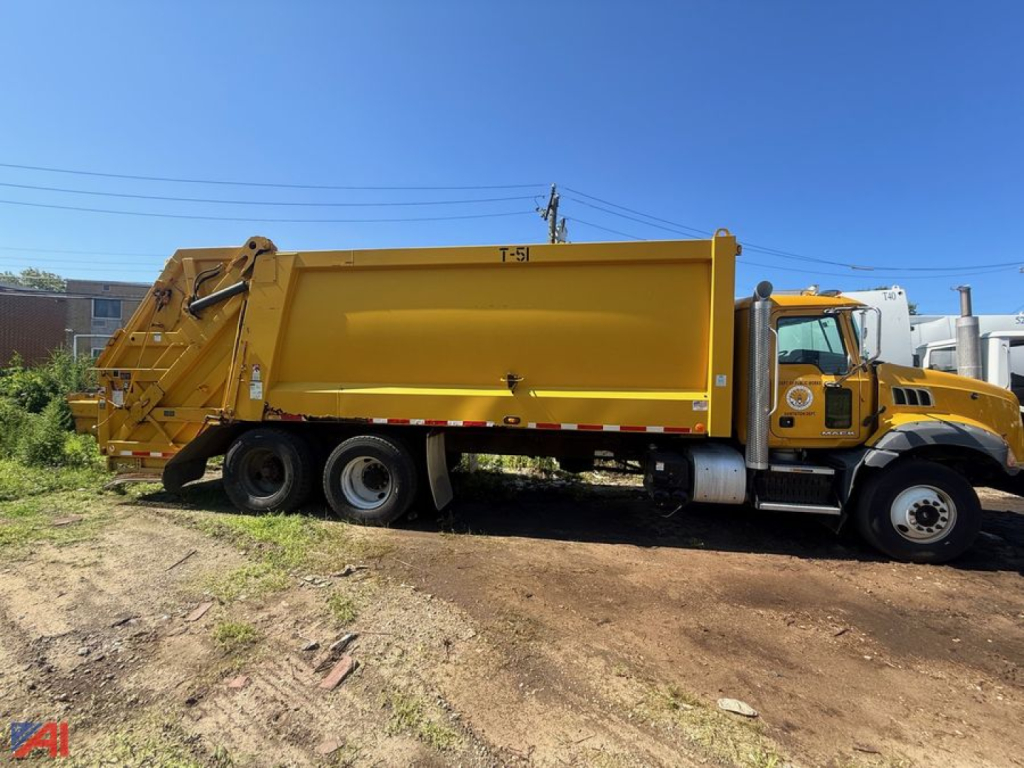
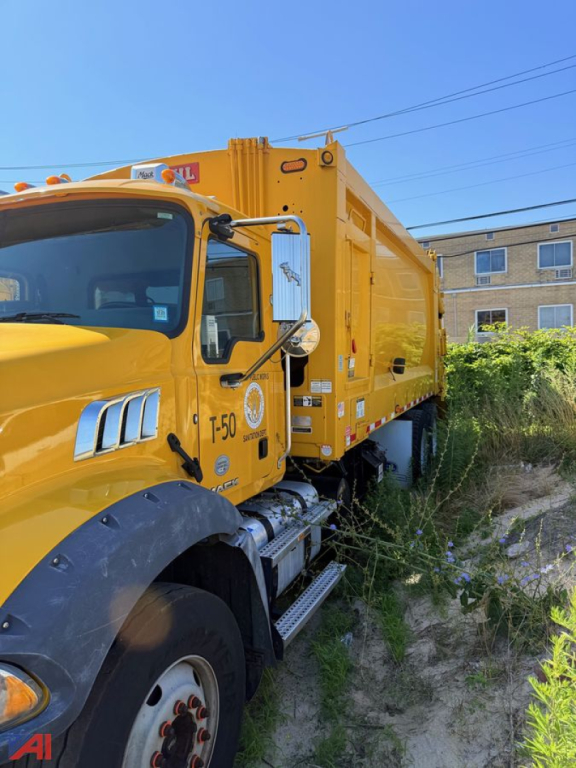
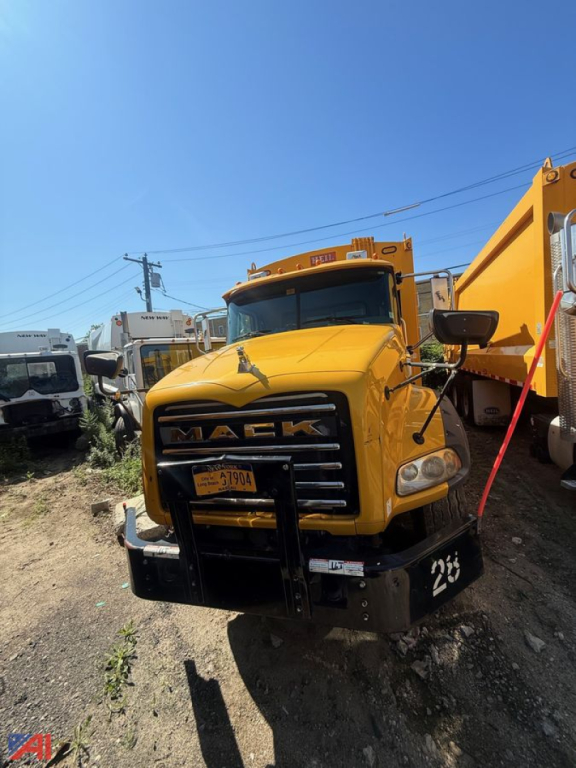

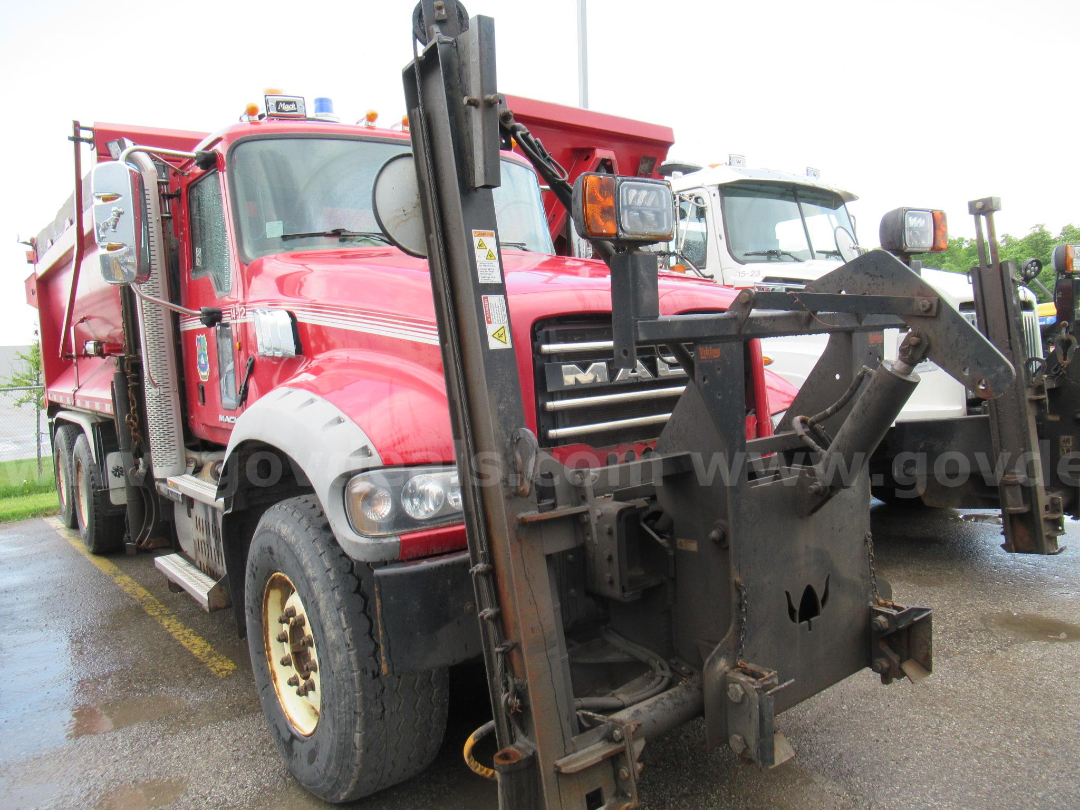
Have used 2014 mack truck to sell? List it here to reach thousands of buyers.
Used 2014 Mack Trucks
Powertrain choice matters more on a 2014 Mack than the badge on the hood. Many trucks from this year were spec'd with Mack MP7 or MP8 engines, often paired to the Mack mDrive automated manual or a traditional manual transmission. For linehaul and heavier GCW work, the MP8 typically offers the torque and horsepower range buyers want, while MP7-equipped trucks are common in regional haul, day cab, and vocational service. Rear axle ratios can vary widely depending on prior use, from fuel-economy highway specs to lower gearing for stop-and-go or off-road work. If the truck is a tandem axle vocational unit, pay close attention to suspension type, frame rail condition, PTO setup, hydraulic plumbing, and any evidence of body or attachment removal. On road tractors, focus on fifth wheel wear, kingpin setting compatibility, fairings, fuel capacity, and whether the chassis was built for van, tanker, flatbed, or heavy haul service.
A used 2014 Mack also deserves a closer look at emissions and maintenance history. This is a DPF and DEF-era truck, so service records on the aftertreatment system, injector work, EGR components, and software updates carry real value. Mack's integrated driveline can be a plus when it has been maintained correctly, especially for fleets that prefer matched engine, transmission, and axle calibration. Cab condition matters too. Check for electrical add-ons, corrosion around battery boxes and cab mounts, steering play, suspension bushing wear, and signs of hard vocational use such as pitted frames, plow hardware, spreader controls, or heavy auxiliary lighting. Mileage alone does not tell the full story on a 2014 unit. Idle hours, PTO hours, and previous application often matter just as much.
For buyers shopping this category, the best used 2014 Mack truck is the one with a spec that fits the route and payload without carrying extra complexity. A highway sleeper should be evaluated for fuel economy gearing, sleeper size, and long-wheelbase maneuverability tradeoffs. A day cab should be judged on axle rating, turning radius, and ease of coupling across trailer types. A vocational Mack should be checked for frame integrity, front axle capacity, lift axle equipment, and hydraulic readiness. Mack trucks from this period are known for a solid driver feel, durable vocational reputation, and strong presence in construction, refuse, municipal, and regional-haul operations, which keeps them relevant in the secondary market when the spec is right and maintenance has been consistent.
Frequently Asked Questions about Used 2014 Mack Trucks
What engines are common in a used 2014 Mack truck?
The most common engines in a used 2014 Mack truck are the Mack MP7 and Mack MP8. The MP7 is frequently found in regional-haul, day cab, and some vocational applications, while the MP8 is more common in higher-horsepower highway tractors and heavier-duty jobs. The right choice depends on torque needs, gross combined weight, terrain, and duty cycle more than the model name alone.
Is a 2014 Mack truck a good choice for vocational work?
Yes, many 2014 Mack trucks are well-suited for vocational service, especially Granite and similar severe-duty configurations. Buyers should verify front axle rating, rear suspension type, frame condition, PTO capability, and any existing hydraulic or auxiliary equipment. A truck that spent time in plowing, construction, or municipal service may have the right heavy-duty spec, but it should be inspected carefully for corrosion, attachment wear, and signs of frame stress.
What should I inspect on the emissions system of a used 2014 Mack truck?
A 2014 Mack truck should be checked for DPF, DEF, and EGR system condition, along with fault history and repair records. Ask about injector replacement, regen frequency, sensor work, SCR components, and software updates. A truck with complete aftertreatment service documentation is generally a better risk than one with limited records, because emissions repairs can be expensive and downtime-related problems are often tied to maintenance gaps.
Are 2014 Mack trucks commonly equipped with mDrive transmissions?
Many 2014 Mack trucks were spec'd with the Mack mDrive automated manual, though manual transmissions are also found in this year range. The mDrive can be a strong fit for fleet and regional applications because it is integrated with the engine and axle calibration. Buyers should still review clutch actuator history, calibration records, shifting behavior under load, and any stored transmission faults before making a decision.
How do I choose between a 2014 Mack day cab, sleeper, or vocational chassis?
The decision should be based on route length, payload, trailer type, and the amount of time spent on paved versus off-road surfaces. A sleeper makes sense for over-the-road use and longer regional lanes, while a day cab is better for local and dedicated runs with frequent drops and tighter turning requirements. A vocational chassis is the better choice when the job requires PTO operation, heavy front axle capacity, body mounting, or severe-service suspension and frame specs.