
1999 Mack Trucks For Sale in New York
Browse 1999 Mack trucks for sale in New York, including vocational and highway models known for durable drivetrains and heavy-duty chassis.
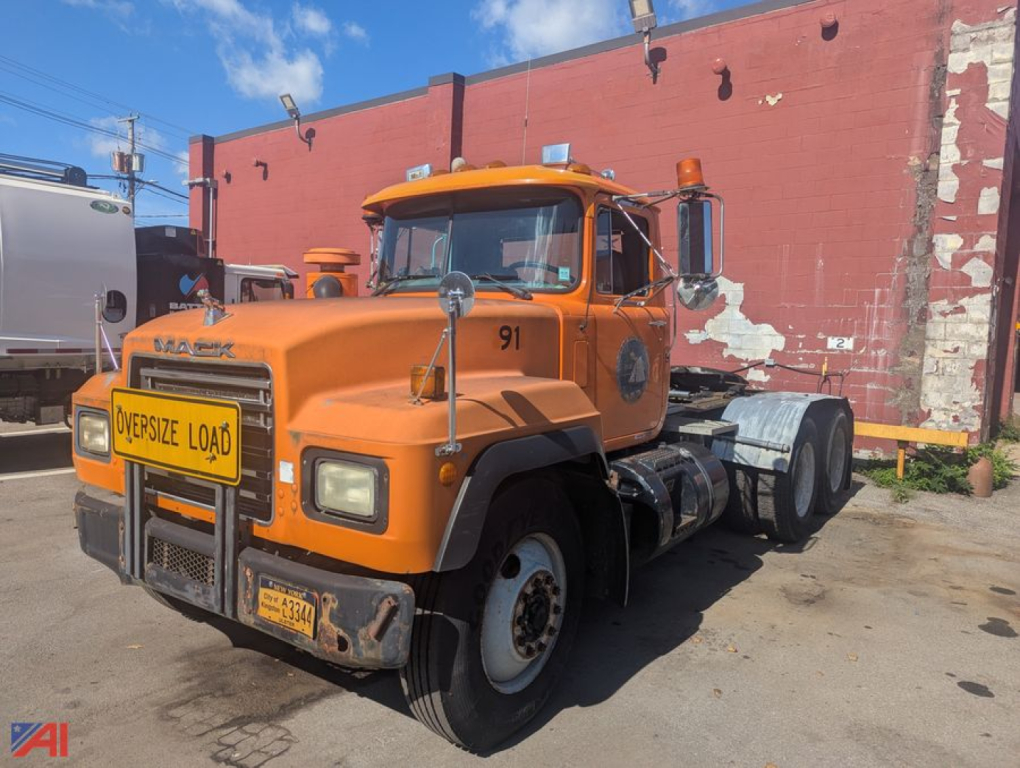
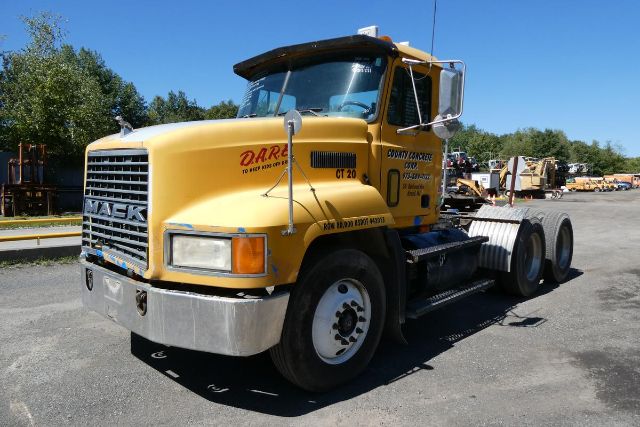
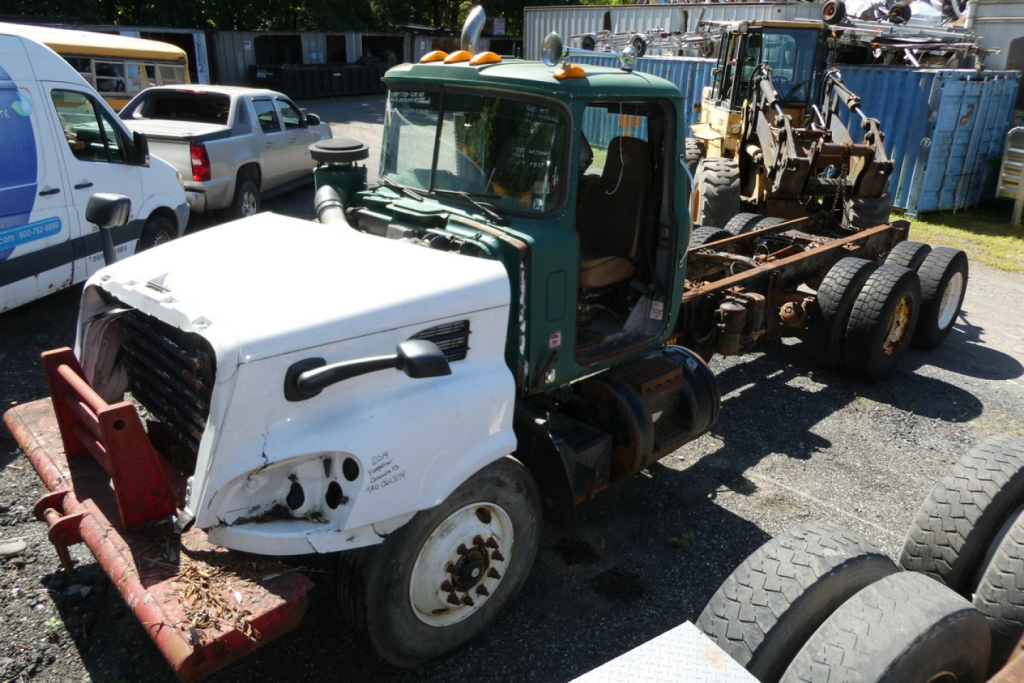
Have 1999 mack truck to sell? List it here to reach thousands of buyers.
1999 Mack Trucks in New York
The most important buying decision is matching the truck’s original build to the job you need it to do. Many 1999 Mack trucks were spec’d with heavy vocational components such as Camelback suspensions, double frames, high-capacity rear axles, and lower rear ratios suited for stop-and-go work or off-road pulling power. Engines and transmissions vary by model and prior use, but buyers commonly look for a combination that supports PTO operation, body upfit compatibility, and acceptable parts support. Wheelbase, cab-to-axle, front axle rating, rear axle rating, and GVWR matter just as much as horsepower, especially if the truck will carry a hoist, hooklift, dump body, mixer, or winter equipment.
Condition is everything on a 1999 unit. A clean older Mack can still make sense for municipal work, farm use, seasonal hauling, or as a platform for a secondary fleet truck, but it should be evaluated closely for engine blow-by, transmission shifting quality, suspension wear, brake system condition, steering play, and signs of frame repair. Buyers should also inspect PTO setup, hydraulic plumbing, wetline components, and any body mounting points if the truck has already been used in a specialty application. On higher-mile or higher-hour trucks, service records and evidence of clutch, injector, cooling system, differential, or suspension work can be more valuable than cosmetic appearance.
Mack’s appeal in this year range is simple: these trucks were built to work, and many are still attractive to buyers who want mechanical simplicity over newer emissions-era complexity. The right 1999 Mack truck can still serve well in regional vocational service if the specs line up and the truck has been maintained. Focus on rust, frame integrity, axle capacities, gearing, and intended body fitment first. Those factors usually determine long-term value more than badge, paint, or odometer reading alone.
Frequently Asked Questions about 1999 Mack Trucks in New York
What should I inspect first on a 1999 Mack truck in New York?
Start with rust and structural condition. On a New York truck, frame rails, crossmembers, spring mounts, cab supports, brake lines, fuel tanks, and electrical connections deserve close attention because road salt can shorten the life of a vocational chassis. After that, inspect suspension wear, steering components, air system condition, and any signs of prior frame or body mounting repairs.
Are 1999 Mack trucks good for vocational applications?
Yes, many 1999 Mack trucks were built specifically for demanding vocational work. Common specs from this era include heavy front axles, high-capacity rears, Camelback suspensions, double frames, PTO capability, and gearing suited for low-speed pulling power. That makes them a practical choice for dump, roll-off, mixer, plow, refuse, and cab-and-chassis applications when the truck’s condition supports continued service.
Does mileage matter as much as hours on a 1999 Mack?
On older vocational trucks, hours can be just as important as mileage and sometimes more important. A truck used in stop-and-go municipal or jobsite service may show moderate miles but high engine and PTO hours, which can mean more wear on the engine, cooling system, hydraulics, and transmission. The best evaluation combines mileage, hours, maintenance history, and visible mechanical condition.
What specs matter most when buying a used 1999 Mack truck?
Axle ratings, wheelbase, cab-to-axle, rear ratio, suspension type, frame configuration, and PTO provisions are usually the key specs. Those details determine what body the truck can carry, how it performs under load, and whether it fits your route or jobsite requirements. Horsepower matters, but on a vocational truck the chassis and gearing often have a bigger effect on real-world usefulness.
Are older Mack trucks easier to maintain than newer emissions-era models?
Many buyers prefer pre-DEF and earlier electronically managed trucks because they are generally more mechanically straightforward than newer emissions-equipped models. That can simplify troubleshooting and reduce some aftertreatment-related concerns. Even so, age introduces its own maintenance needs, so parts availability, wiring condition, cooling system health, and drivetrain wear should all be considered before purchase.