
Commercial Trucks For Sale Near Lowell, Arkansas
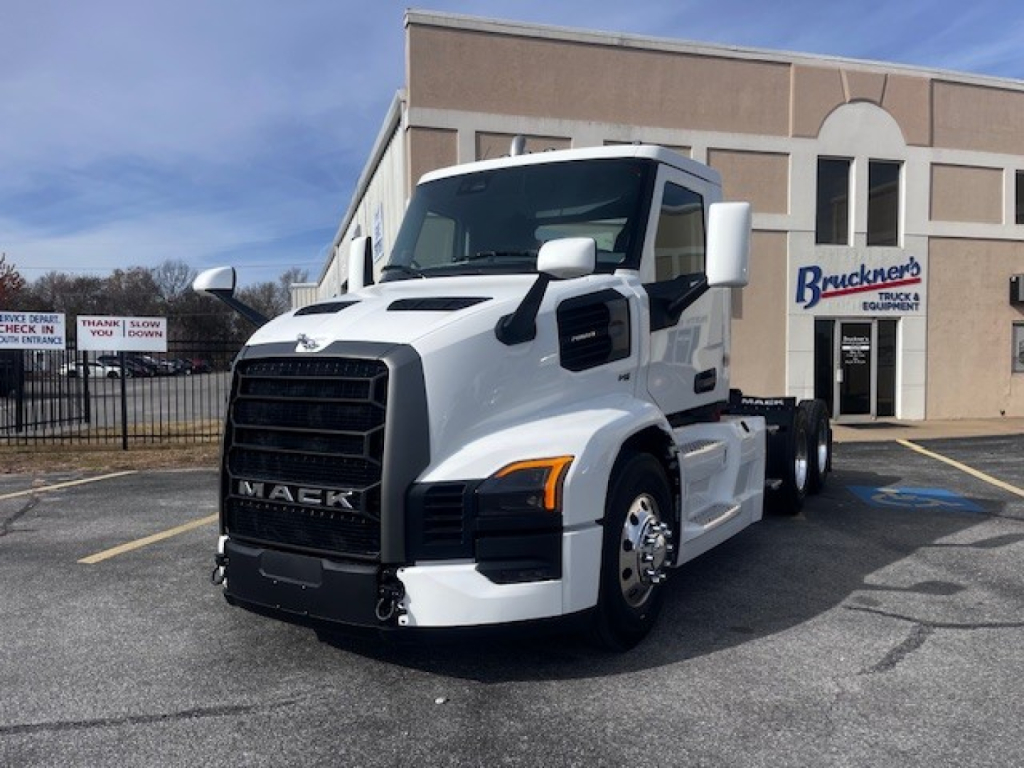

Have commercial truck to sell? List it here to reach thousands of buyers.
Commercial Trucks Near Lowell, Arkansas
Chassis and powertrain choices drive operating cost. Engines in the 350 to 500 hp range with 1250 to 1850 lb ft torque cover most regional tractor work, while medium duty box trucks typically run 200 to 300 hp with torque tuned for urban starts. Automated manual transmissions reduce clutch wear and can trim tare weight compared to older 10 speed manuals, and axle ratios from about 2.26 to 3.55 are selected around cruise speed and gradeability. Air ride drives protect freight and reefer floors, steel leaf suspensions add durability for construction sites, and disc brakes shorten stops while saving weight. Spec aluminum wheels, single wide tires where appropriate, and a 6x2 or liftable pusher on certain routes to shed pounds, then pair with TPMS and auto lube to protect wheel ends and bushings.
For dry and temperature controlled box bodies, floor strength and thermal integrity separate a solid work truck from a problem child. Look for aluminum plank or laminated hardwood floors with crossmembers on 12 inch centers for heavy pallet and forklift traffic, and on 16 inch centers for lighter parcel work. Scuff liners at 12 to 24 inches protect sidewalls, logistics posts and e track simplify load securement, and rear frames with stainless or galvanneal resist dock rash. On reefers, thermal integrity comes from closed cell foam insulation with consistent thickness, bonded walls that prevent voids, thermal breaks at door frames, insulated bulkheads for multi temp, and tight overlapping door seals. Ducted floors or T floors maintain even return air, and a clean evaporator, straight chute, and calibrated door switches prevent short cycling and temperature swings.
Corrosion resistance protects resale value and uptime. Frames with e coat or hot dip galvanizing on crossmembers, aluminum or composite cabs, stainless hardware at high wash zones, sealed harnesses with Deutsch style connectors, and underbody coatings all slow rust. In mixed climate operations that see brine in winter and humidity in summer, spec powder coated body subframes, sealed LED lighting, and polymer air tanks where allowed. Keep DEF and aftertreatment serviceable, verify easy access to filters and SCR components, and confirm that battery boxes and fairing mounts have drain paths so trapped moisture does not attack fasteners. The right mix of coatings, materials, and service friendly layouts keeps trucks working longer with fewer corrosion related repairs.
Frequently Asked Questions about Commercial Trucks Near Lowell, Arkansas
How should I choose axle ratios and transmissions for regional haul around Lowell, Arkansas?
Match the ratio to your cruise speed and terrain. If you cruise at 65 to 70 mph on I-49, a downsped setup with an AMT and a ratio near 2.26 to 2.64 keeps the engine in its peak torque band while cutting fuel burn. Steeper grades or heavier GCWs may call for ratios up to 3.08 or 3.36 to maintain startability and gradeability. AMTs improve shift consistency and reduce clutch wear, and direct drive versus overdrive should be selected based on your target cruise rpm and tire size.
What defines a strong cargo floor in a dry van or reefer box truck?
Focus on floor material, crossmember spacing, and forklift rating. Aluminum plank or laminated hardwood with 12 inch crossmember spacing handles heavy palletized freight and frequent dock loading better than lighter constructions on 16 inch centers. Ask for a published forklift point load rating, verify hardwood thickness or aluminum gauge, and check that thresholds and rear sills are reinforced. Scuff liners and wear bands keep sidewalls from transferring impact loads into the floor structure.
What features indicate good thermal integrity on a reefer truck body?
Consistent foam insulation thickness, bonded panels without voids, and thermal breaks at door frames are key. Look for tight overlapping door gaskets, stainless rear frames that resist warping, and a ducted or T floor that keeps supply and return air balanced. Multi temp setups should use insulated bulkheads and properly sealed pass throughs. Reviewing unit performance data, checking evaporator cleanliness, and inspecting for light leaks at doors help confirm real world temperature control.
How can I reduce tare weight without giving up durability?
Select high strength steel frames with optimized section modulus, aluminum wheels, and single wide tires where traction demands allow. An AMT often weighs less than a traditional manual with add ons, and a 6x2 or liftable pusher can save several hundred pounds on certain routes. Composite or aluminum body panels and bonded roofs reduce weight while maintaining stiffness. Balance every pound saved against traction, puncture resistance, and serviceability so the truck still meets your route and dock requirements.
What corrosion protection details matter for long service life and resale value?
E coat on frames and brackets, hot dip galvanized crossmembers, stainless rear frames and door hardware, and sealed harnesses with quality connectors all slow corrosion. Powder coated body subframes, underbody wax or asphaltic coatings, and polymer air tanks reduce rust points. Aluminum cabs and fuel tanks save weight and resist oxidation when isolated from steel with proper bushings. Regular wash cycles, attention to drain paths, and dielectric grease on electrical connections extend the benefit of those specs.