
Used 2024 Landscape Trucks For Sale in Florida
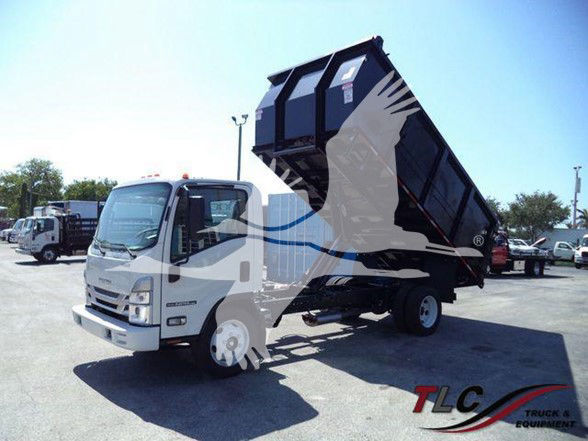
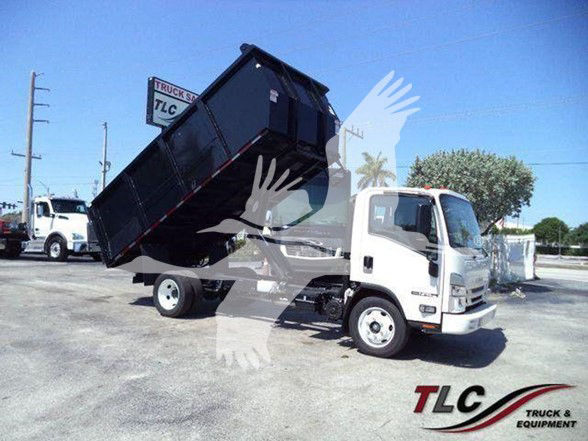
Browse used 2024 landscape trucks in Florida, including dump and trash body setups with high sides, tarp systems, and towing capability.
Learn more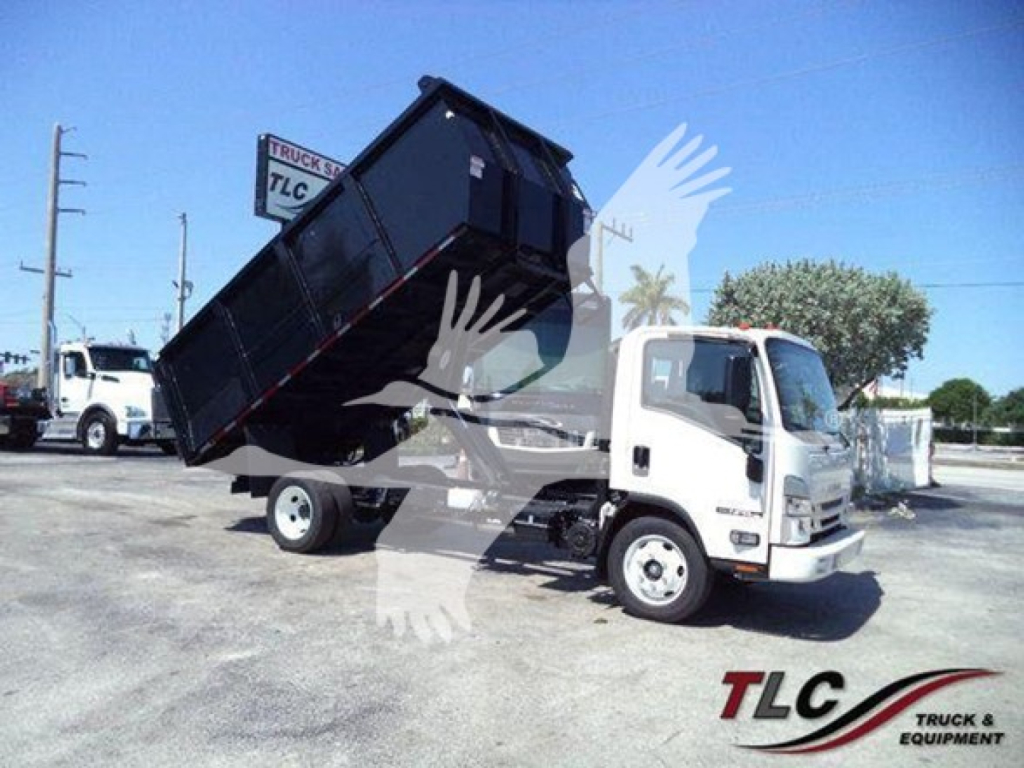
Have used 2024 landscape truck to sell? List it here to reach thousands of buyers.
About Used 2024 Landscape Trucks in Florida
The key buying decision is matching GVWR and body construction to the type of material being hauled. Many landscape trucks are set up for mulch, brush, yard waste, palm fronds, storm debris, and bagged material rather than dense aggregates. Aluminum bodies reduce tare weight and help maximize legal payload on lower-GVWR chassis, while steel bodies hold up well in mixed-use service and rough loading conditions. Side wall height often falls in the 48 to 54 inch range, which matters for cubic capacity and loader compatibility. A PTO hydraulic hoist is common on diesel chassis, while electric-over-hydraulic hoists are often seen on lighter gas units.
Florida buyers should pay close attention to corrosion exposure, cooling performance, and the truck's ability to handle stop-and-go route work in heat and humidity. Gas-powered low-cab-forward trucks can make sense for urban landscape crews because of their tight turning radius, lower entry height, and straightforward maintenance. Medium-duty conventionals with air brakes, air ride suspension, and 22.5-inch rubber are better suited for larger bodies, heavier daily cycles, and longer drives between jobs. Hitch rating, brake controller setup, and 7-way plug configuration also matter if the truck will tow mowers, mini skid steers, or enclosed equipment trailers.
Body details are what separate one landscape truck from another. Look at hoist brand and capacity, floor thickness, crossmember spacing, rear door style, tarp operation, and how the sides are reinforced. Check if the body is purpose-built for landscape service or simply a general dump body with added height. On used 2024 models, buyers should still inspect for hoist leaks, door alignment, hinge wear, cab-to-body integration, and any signs of overload stress. A well-spec'd landscape truck saves labor every day by loading easier, carrying more cubic volume, dumping cleanly, and towing the support equipment a crew needs.
Frequently Asked Questions
What is the difference between a landscape truck and a standard dump truck?
A landscape truck is usually configured to carry bulky, lighter materials such as mulch, brush, leaves, and yard debris, while a standard dump truck is more often set up for dense material like gravel, sand, or asphalt. Landscape trucks typically have taller side walls, larger cubic capacity relative to chassis size, rear swing or barn doors, and tarp systems designed for loose debris. The body may be steel or aluminum depending on payload goals and durability needs.
What GVWR is common for a landscape truck?
Common GVWR ranges depend on body length and material type, but many landscape trucks fall between 14,500 and 26,000 pounds. Lower-GVWR trucks are popular for local route work, tighter neighborhoods, and crews that want easier maneuverability. Trucks near 25,950 to 26,000 pounds are common when buyers need larger 16 to 18 foot bodies, more cubic volume, or stronger chassis components without moving into CDL territory in some applications.
Is an aluminum or steel landscape body better?
Aluminum is often the better choice when maximizing payload and resisting corrosion are priorities, especially in humid or coastal Florida conditions. Steel is typically preferred when the truck will see harder use, rougher loading methods, or mixed-duty work beyond landscape debris. The right choice depends on what the truck hauls every day, how long it will be kept, and whether body weight or impact resistance matters more to the operation.
What features should I look for on a used 2024 landscape truck?
Focus on body and hoist condition first, then confirm the chassis matches the intended job. Important features include body length, side wall height, rear door style, tarp system, hitch setup, brake controller, and whether the hoist is PTO hydraulic or electric-over-hydraulic. Buyers should also verify GVWR, axle ratings, tire size, turning radius, and service access, especially if the truck will be used for daily crew routes with frequent stops.
Are cabover landscape trucks a good fit for Florida crews?
Cabover models are a strong fit for Florida landscape work when maneuverability is a priority. They are easier to position in residential neighborhoods, commercial lots, and tight service areas, and they often have lower step-in height for drivers making repeated stops. Buyers should still compare ride quality, engine access, cooling performance, and body capacity against a conventional chassis if the truck will cover longer distances or heavier duty cycles.