
Used 2024 Landscape Trucks For Sale
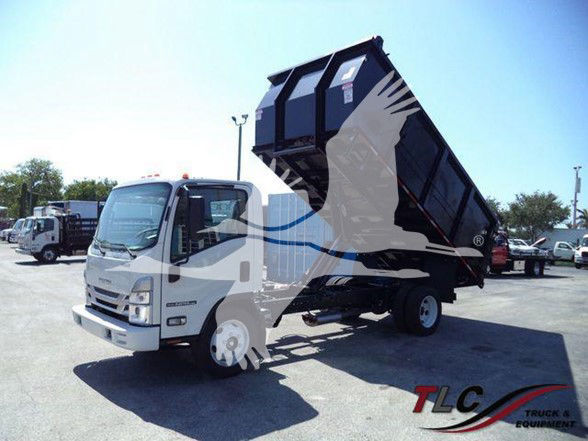
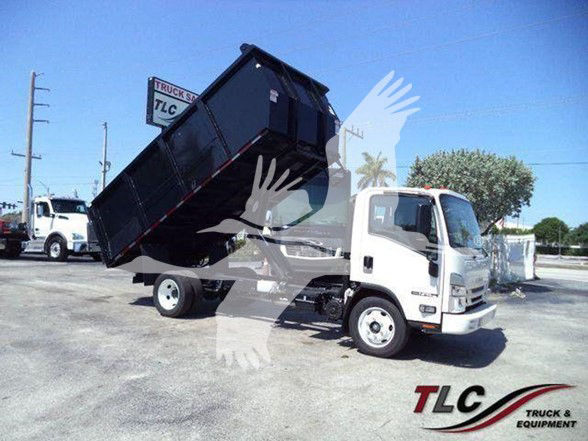
Used 2024 landscape trucks for sale, including dump body setups with tall sides, tarp systems, hitch packages, and contractor-ready chassis.
Learn more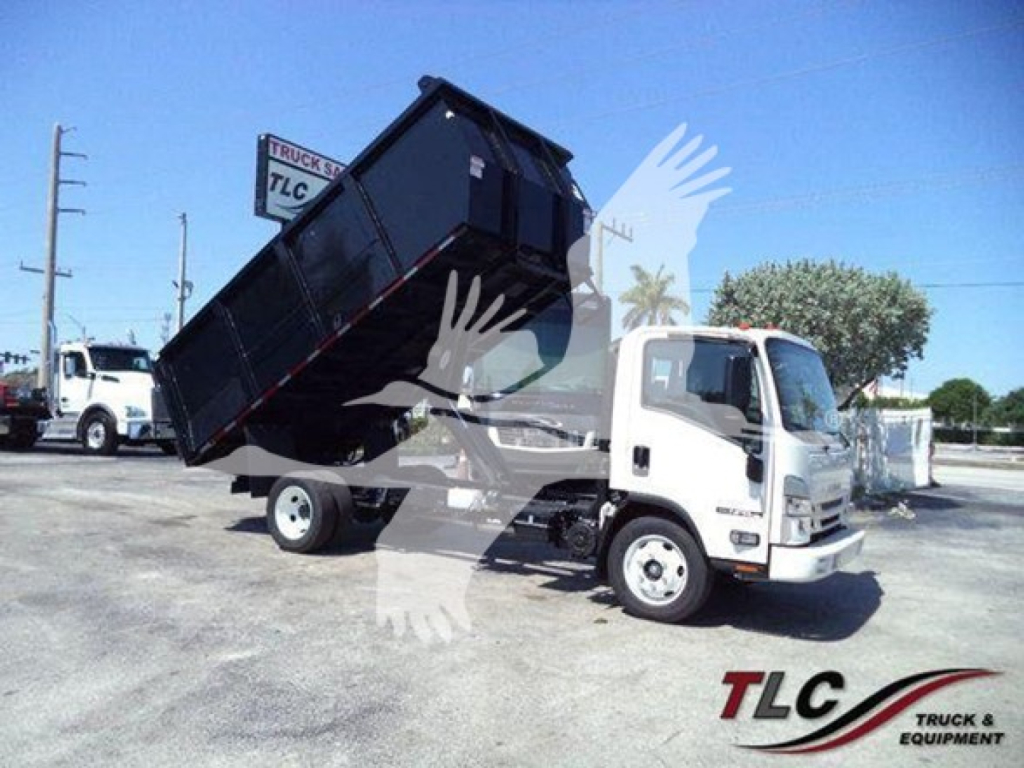
Have used 2024 landscape truck to sell? List it here to reach thousands of buyers.
About Used 2024 Landscape Trucks
In the 2024 used market, Isuzu NPR HD and similar Class 4 and Class 5 chassis are common, often around a 14,500 lb GVWR. Gas and diesel powertrains both show up. Gas V8 trucks are usually simpler for mixed local-duty fleets and can be easier to service in some markets. Diesel versions tend to offer stronger low-rpm torque, which matters when the truck regularly pulls a trailer or operates at max payload. Automatic transmissions dominate this category, and cabovers remain popular because they shorten overall length, improve maneuverability, and give crews better visibility in urban routes, apartment complexes, and narrow access roads.
Body construction deserves a close look on a landscape truck. Aluminum bodies reduce empty weight and help preserve payload, while steel bodies can be attractive for harder debris service and lower initial cost. Check crossmember spacing, longsill design, hoist type, floor thickness, and hinge construction if the truck will see daily dumping cycles. Buyers should also inspect the canopy or bulkhead area, tunnel boxes, shovel racks, tarp arms, LED lighting, and DOT equipment. A clean dump body upfit on a 2024 chassis can be valuable because it gives you current-model age with less exposure than an older contractor truck, but the body spec still needs to match the work. Tall solid sides help with leaf and brush volume, while a smoother floor and durable hoist setup matter more for wet mulch, soil, and repeated discharge.
The best used 2024 landscape trucks are the ones spec'd for local payload, trailer duty, and crew workflow at the same time. Verify hitch rating, electric brake hookup, rear door access, and how easily the tarp can be operated from ground level. Review service records for engine, transmission, brakes, and hydraulic components, then inspect the hoist, pivot points, latch hardware, and body mounting. If the truck will spend most of its time in stop-and-go service, turning radius, cab access, and visibility are just as important as engine output. A well-matched landscape dump truck can replace a pickup-and-trailer combination, reduce loading time, and keep a lawn, tree, or site-cleanup crew moving with fewer trips.
Frequently Asked Questions
What is a landscape truck used for?
A landscape truck is used to haul loose materials and jobsite debris for landscaping, lawn care, tree service, and property maintenance work. Most are equipped with a landscape dump body with tall sides, a rear door or barn doors, and a hydraulic hoist so the truck can carry mulch, brush, leaves, soil, and light demolition debris, then unload quickly at the jobsite or dump location. Many also include a hitch and trailer plug so the truck can tow mowers, mini skid steers, or other compact equipment.
What should I look for on a used 2024 landscape truck?
Start with the body and chassis match. Confirm the GVWR, engine type, transmission, body length, side height, and whether the floor and body are aluminum or steel. Inspect the hoist, hydraulic pump, cylinder, hinges, latch hardware, tarp system, rear door design, hitch setup, and trailer brake wiring. On a used 2024 unit, buyers should also review maintenance records and look for signs of hard contractor use such as floor damage, bent side panels, hoist leaks, uneven tire wear, or overloading stress at the body mounts.
Is an aluminum or steel landscape dump body better?
Aluminum is usually preferred when payload and corrosion resistance matter most. It keeps curb weight lower, which can help crews carry more mulch, brush, or bagged material within legal weight limits. Steel can make sense when the truck handles rougher debris, heavier contact loading, or buyers want a lower upfront cost. The better choice depends on what the truck hauls every day, how often it dumps, and whether the priority is maximum payload, durability against abuse, or long-term body appearance.
Are gas or diesel engines better in a landscape truck?
Gas engines are common in local landscape fleets because they are straightforward to operate, widely serviceable, and often well-suited for short-route work. Diesel engines usually provide more low-end torque and can be a better fit for regular trailer towing, heavier payloads, or routes with more sustained load. The right decision depends on duty cycle, local fuel and maintenance costs, and whether the truck spends more time hauling volume, pulling equipment, or running fully loaded day after day.
What body features matter most on a landscape dump truck?
The most important features are the ones that improve loading volume, dumping efficiency, and crew safety. Buyers usually focus on side height, body length, door style, hoist capacity, floor material, and tarp operation. A canopy bulkhead, tunnel toolbox, shovel rack, hitch with electric brakes, and 7-way plug are also valuable for contractor use. If the truck is handling brush and leaf volume, tall sides and easy rear access matter most. If it is carrying denser material like soil or wet mulch, floor strength, hoist performance, and payload capacity become more important.