
KW Trucks For Sale
Browse KW trucks for sale, including Kenworth highway and vocational models known for driver comfort, durability, and strong resale value.
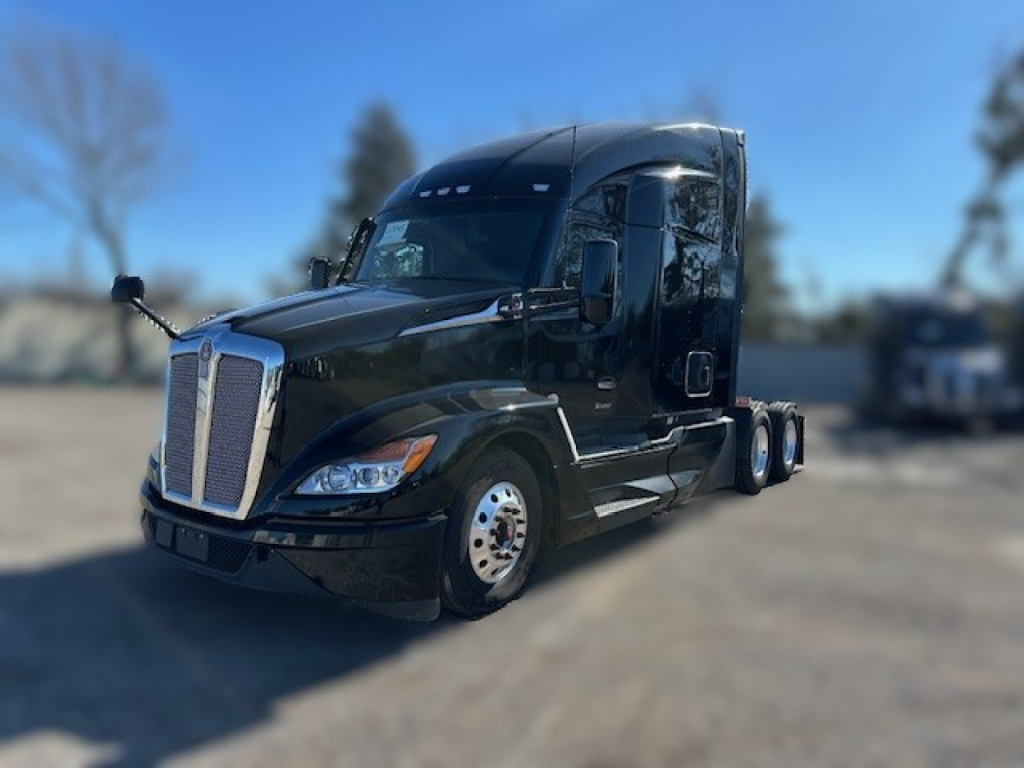
Selling a kw truck? List your kw truck for sale and reach thousands of commercial buyers.
KW Trucks
A buyer should start with application and powertrain. For over-the-road use, the most common combinations include PACCAR MX or Cummins diesel engines paired with Eaton automated transmissions or traditional manuals, with horsepower typically ranging from the low 400s into the 500-plus range. Sleeper size, wheelbase, fuel capacity, and rear axle ratio all affect payload, ride quality, and fuel economy. For regional haul or local delivery, a day cab KW may make more sense than a sleeper, especially where maneuverability, lower tare weight, and easier yard access are priorities. For vocational trucks, front axle capacity, suspension type, double frame options, and locking differentials are often more important than sleeper amenities.
Kenworth trucks are well regarded for cab ergonomics, visibility, and a solid parts and service network, which can make a real difference in uptime. Late-model highway trucks often include collision mitigation, adaptive cruise, lane departure warning, APUs, bunk heaters, and integrated telematics. Buyers comparing used KW trucks should pay attention to emissions system history, idle hours, maintenance records, transmission calibration updates, and any signs of frame modification if the truck has been repurposed. Interior wear, suspension condition, tire pattern, and aftertreatment performance can tell you a lot about how a truck was operated.
Resale value is typically strongest on well-maintained specs with broad market appeal, especially aerodynamic sleepers and clean day cabs with desirable engine and transmission combinations. A KW truck with the right kingpin-to-axle setting, fairing package, and fuel tank configuration can fit into a fleet more easily and reduce rework after purchase. The best choice comes down to lane, body style, axle configuration, and operating cost over time, not just model year or mileage.
Frequently Asked Questions about KW Trucks
What are the most common KW trucks used for long-haul freight?
The most common KW trucks in long-haul service are aerodynamic conventional models such as the Kenworth T680. These trucks are typically spec'd as sleeper tractors with efficient diesel engines, automated manual transmissions, fairings, and larger fuel capacity to support fuel economy and driver retention. They are popular in fleet and owner-operator operations because they combine modern cab amenities with broad parts support and good resale demand.
What should I check when buying a used KW truck?
Focus on maintenance history, engine and aftertreatment performance, transmission service records, and signs of hard-use duty cycles. Review idle hours along with mileage, inspect suspension and steering components, check tire wear for alignment issues, and verify any collision mitigation or electronic safety systems are functioning correctly. On vocational units, confirm frame integrity, PTO setup, axle ratings, and any upfit work was done properly.
Are KW trucks good for owner-operators?
KW trucks are often a strong fit for owner-operators because they are known for driver comfort, premium interiors, and flexible spec options. Many buyers prefer them for long-haul work due to sleeper comfort, noise control, and brand recognition in the resale market. The right value depends on engine choice, emissions history, fuel economy, and how well the truck's configuration matches the freight being hauled.
What engine and transmission options are common in KW trucks?
Common engine choices in KW trucks include PACCAR MX series engines and Cummins heavy-duty diesel engines, with horsepower commonly ranging from around 400 to over 500 depending on the application. Transmissions often include Eaton automated manuals such as the Endurant, though manual gearboxes are still seen in certain fleets and vocational specs. The best combination depends on terrain, gross weight, maintenance preference, and driver familiarity.
How do I choose between a KW day cab and sleeper?
A KW day cab is generally better for local, regional, port, and dedicated routes where overnight accommodations are unnecessary and lower weight or tighter turning is important. A sleeper is the better choice for over-the-road lanes, team operations, and runs that require layovers or extended time away from home. Beyond the bunk itself, compare wheelbase, fuel capacity, storage, and axle placement because those factors affect maneuverability and payload just as much as cab style.