
Used 2026 Kenworth Trucks For Sale
Browse used 2026 Kenworth trucks with specs buyers compare most, including engine, sleeper, axle, wheelbase, and vocational setup.
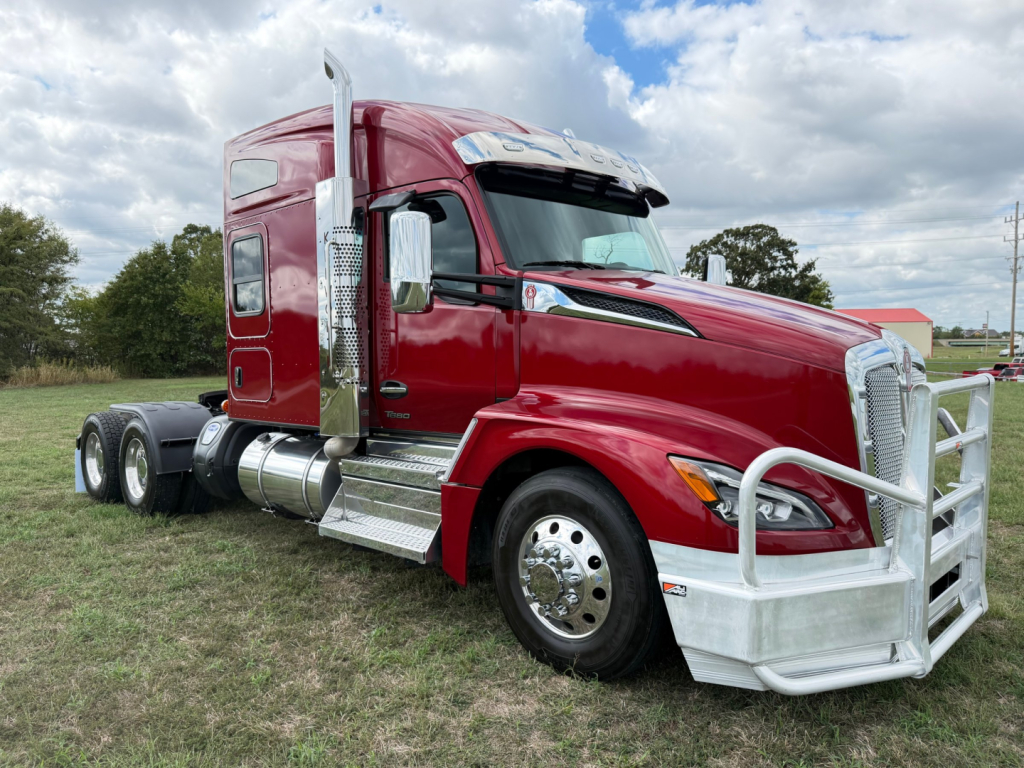
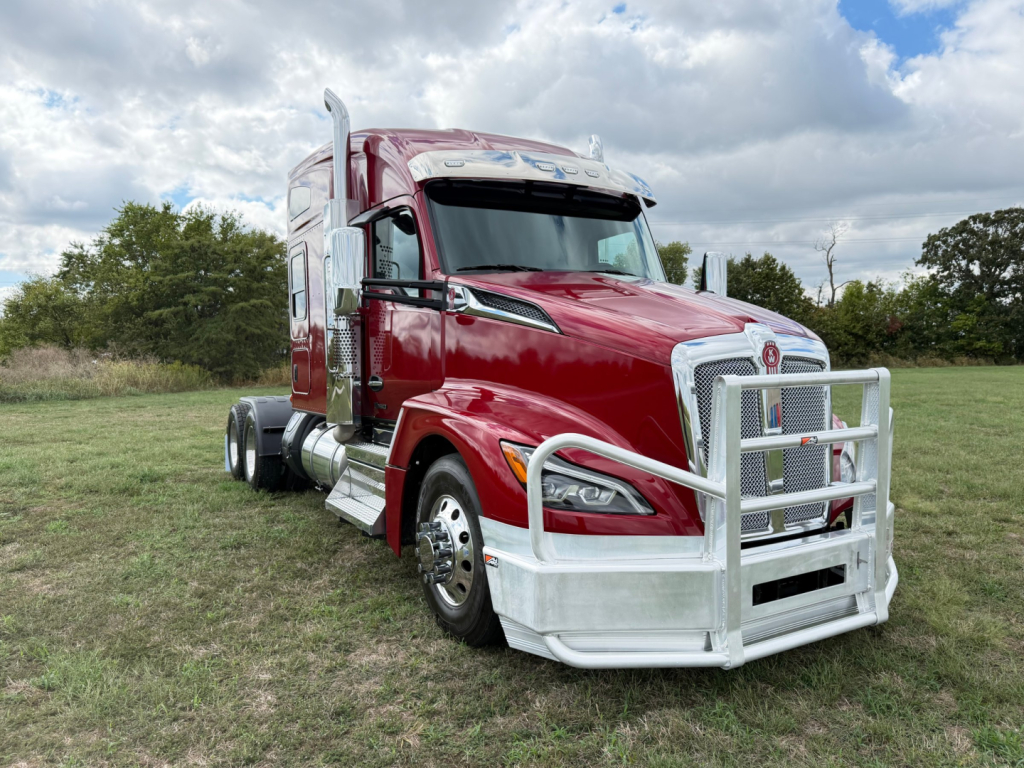
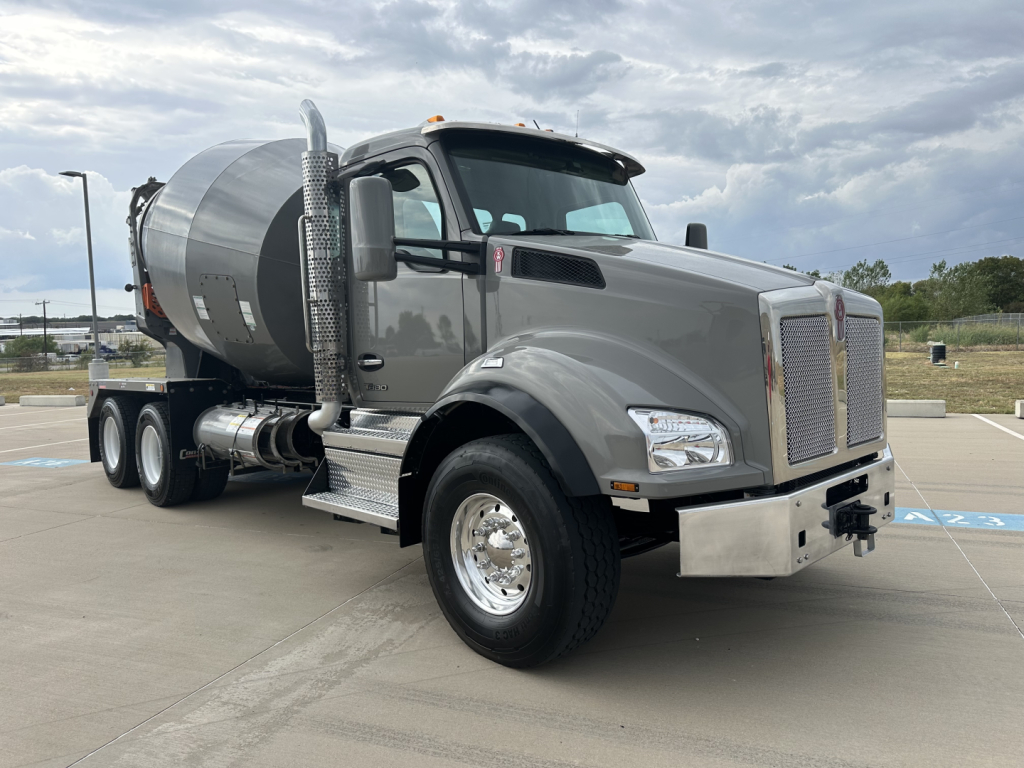
Selling a used 2026 kenworth truck? List your used 2026 kenworth truck for sale and reach thousands of commercial buyers.
Used 2026 Kenworth Trucks
Powertrain selection drives operating cost and resale. In this class, buyers commonly compare PACCAR MX-series engines with Cummins options, along with automated manual transmissions versus traditional manuals. For linehaul use, rear axle ratios such as 2.64 or 2.79 are often paired with downsped drivetrains to keep cruise RPM low and improve fuel economy. For heavier payloads, regional haul, or mixed terrain, buyers may prefer more horsepower, a shorter rear ratio, and a transmission calibration better suited for gradeability and startability. It is worth checking horsepower and torque ratings, engine brake performance, transmission model, axle ratings, and any maintenance records tied to emissions components, aftertreatment service, and software updates.
Cab and chassis specs should match the freight and lane. Sleeper trucks are often equipped with 76-inch high-roof sleepers, dual aluminum fuel tanks, air ride suspension, fairings, cab extenders, and air slide fifth wheels. Wheelbase affects trailer gap, bridge laws, ride quality, and maneuverability, so it should be evaluated with your trailer length and loading pattern in mind. Buyers running dense regional freight may want a more maneuverable wheelbase and day cab layout, while long-haul operators often prioritize bunk space, bunk heaters, APUs, collision mitigation, and driver comfort features that support retention. Brake type, tire size, wheel material, and suspension spec also matter because they affect tare weight, maintenance cost, and downtime.
A good used 2026 Kenworth truck is not just a clean cab with low miles. It is a truck with a spec that fits the work, a powertrain that matches the duty cycle, and a service history that supports uptime. Review ECM data when available, look for signs of consistent preventive maintenance, and pay attention to front axle wear, suspension condition, aftertreatment history, and any driveline vibration or alignment issues. Kenworth trucks remain popular because they are easy to place into many freight applications, hold value well in the secondary market, and offer a wide range of sleeper, day cab, and vocational configurations for fleets and owner-operators alike.
Frequently Asked Questions about Used 2026 Kenworth Trucks
What should I look for first when buying a used 2026 Kenworth truck?
Start with the truck’s intended application, then work backward through the spec. A linehaul sleeper should be evaluated for engine rating, transmission type, rear axle ratio, wheelbase, fuel capacity, and driver comfort features. A vocational truck should be checked for frame strength, front axle capacity, PTO compatibility, suspension, and body or upfit history. After that, review mileage, idle hours, maintenance records, fault history, and any emissions-system repairs. A late-model Kenworth can be a strong buy, but only if the original spec fits your freight and operating area.
Are PACCAR MX and Cummins engines both common in Kenworth trucks?
Yes. Kenworth buyers commonly compare PACCAR MX engines and Cummins engines, depending on model, application, and buyer preference. PACCAR MX engines are often chosen for integrated highway specs and fuel-focused fleet operations, while Cummins engines remain popular for broad service familiarity, strong support, and buyer preference in many owner-operator and heavy-duty applications. The best choice comes down to power rating, torque curve, service access in your lanes, and documented maintenance on the specific truck.
Is an automated transmission better than a manual in a used Kenworth?
For most current highway applications, an automated manual transmission is the more common choice because it improves driver accessibility, supports fuel-economy programming, and reduces clutch-related wear from inconsistent shifting. A manual transmission can still make sense for buyers who prefer direct control, operate in demanding terrain, or want a familiar spec for a specific driver base. The key is to evaluate the transmission against the duty cycle, driver pool, and repair support rather than assuming one style is always better.
Why do rear axle ratio and wheelbase matter so much on a Kenworth tractor?
Rear axle ratio affects cruise RPM, fuel economy, launch performance, and how well the truck handles grades and heavy loads. Wheelbase influences ride quality, turning radius, bridge compliance, and trailer spacing. A truck with a fuel-efficient ratio and longer wheelbase may work well in long-haul service but be less ideal for urban or regional operations. Matching those two specs to your lanes, trailer type, and payload profile is one of the most important parts of buying any used tractor.
Do used 2026 Kenworth trucks hold resale value well?
Kenworth trucks generally hold value well because of strong brand recognition, driver acceptance, broad dealer support, and consistent demand in both fleet and owner-operator channels. Resale still depends heavily on specification, miles, maintenance history, and overall condition. Popular configurations such as aerodynamic sleepers, clean day cabs, and well-spec'd vocational chassis usually attract the strongest interest, especially when they have documented service records and desirable powertrain combinations.