
Used 2017 Kenworth Trucks For Sale
Shop used 2017 Kenworth trucks including T680 and other popular models. Compare sleepers, day cabs, engines, specs, and applications.
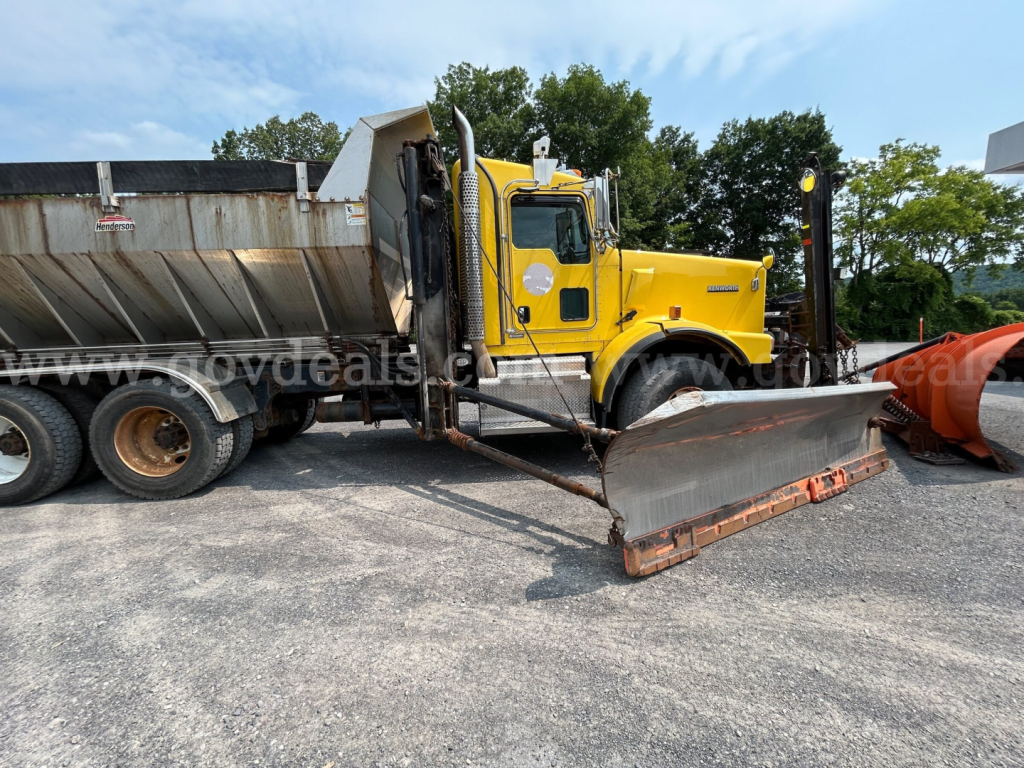
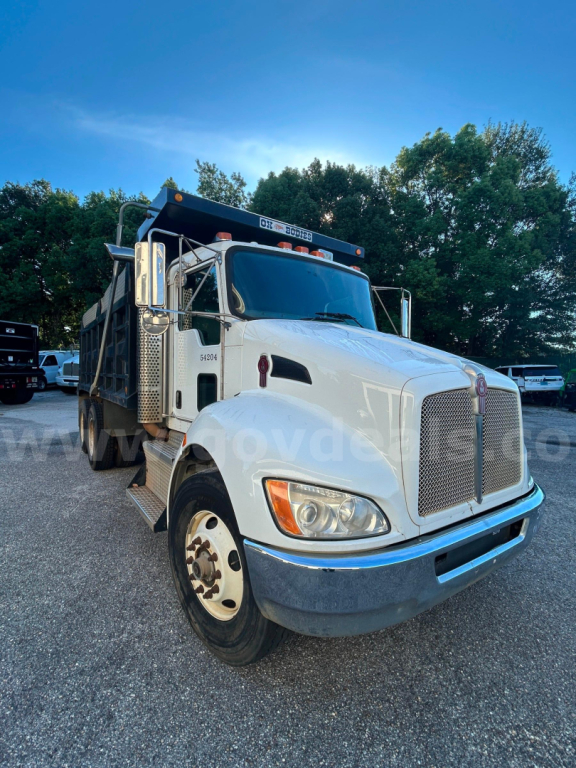
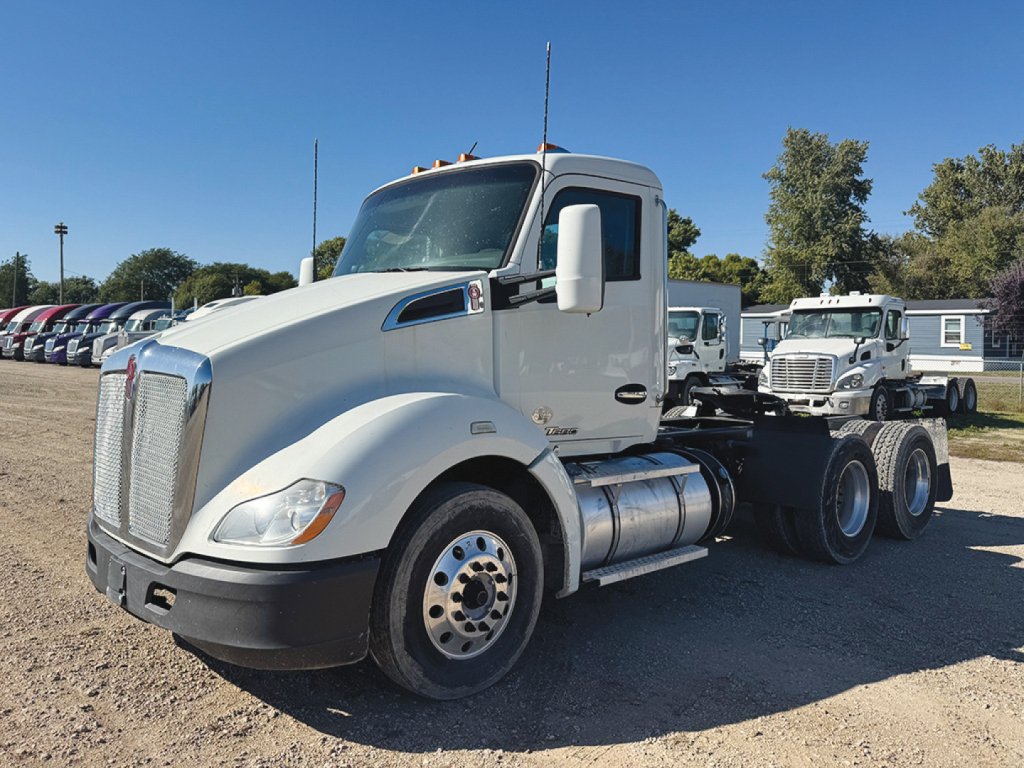
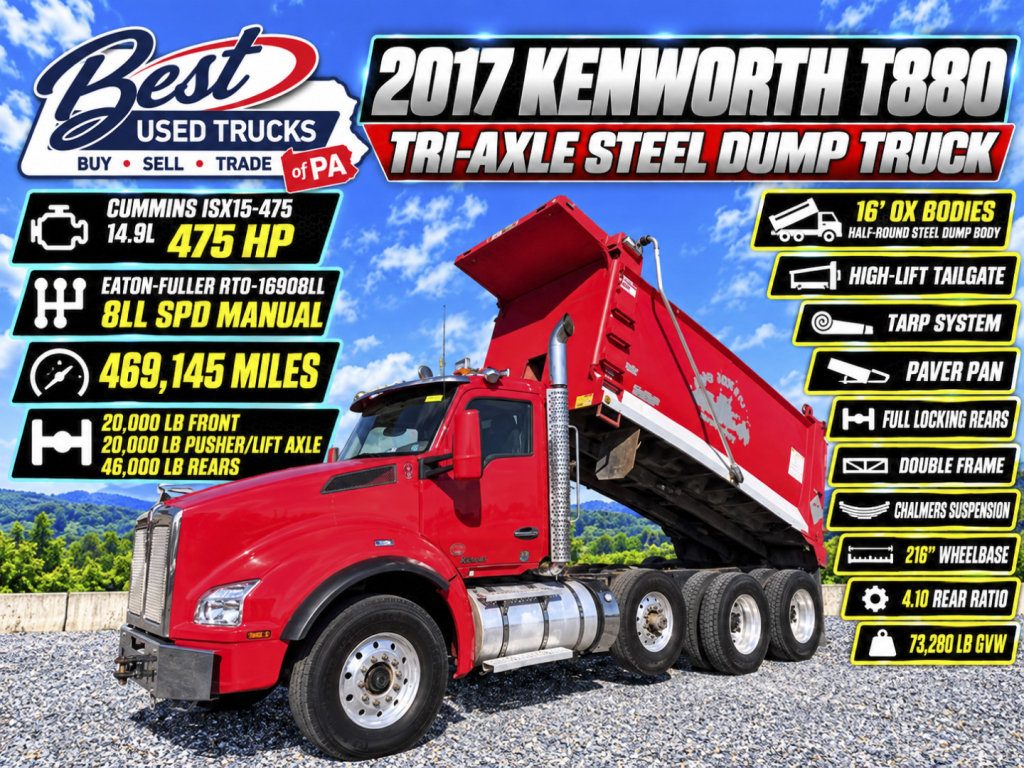

Selling a used 2017 kenworth truck? List your used 2017 kenworth truck for sale and reach thousands of commercial buyers.
Used 2017 Kenworth Trucks
For over-the-road use, 2017 Kenworth sleeper trucks commonly show up with 70-inch to 76-inch high-roof sleepers, air ride suspension, sliding fifth wheels, and fuel-saving axle ratios. Engines in this year range often include Cummins power, with ratings frequently landing in the 400 to 500 horsepower range on linehaul tractors. Transmission choices can vary from 10-speed and 13-speed manuals to automated manuals, and that matters for both driver preference and maintenance planning. Buyers should pay close attention to rear axle rating, wheelbase, bunk configuration, fuel capacity, and emissions system service history. On a 2017 truck, documentation on DPF cleaning intervals, DEF system repairs, and any EGR or aftertreatment work is especially important.
Kenworth trucks from this era are known for driver-focused interiors, good visibility, and a spec sheet that can be tailored heavily around the job. A used 2017 Kenworth day cab may be a fit for regional haul, port work, tanker, flatbed, or local delivery, while a sleeper tractor is typically aimed at longer runs and better driver retention. If the truck is a straight truck or medium-duty model, check body length, GVWR, suspension type, PTO provisions, and door configuration just as closely as engine and transmission specs. The right ratio and suspension setup can be the difference between a truck that is efficient on highway lanes and one that is better suited for stop-and-go urban service.
Condition matters more than branding alone in this age range. Service records, idle hours, tire wear patterns, frame condition, and signs of prior collision or corrosion should carry real weight in the buying decision. A well-maintained 2017 Kenworth can still be a productive asset, but the best value usually comes from matching the truck’s original spec to the freight it will actually pull. Buyers comparing used 2017 Kenworth trucks should focus on engine family, sleeper or day cab layout, transmission type, axle ratio, mileage, and maintenance history before narrowing down on appearance or trim level.
Frequently Asked Questions about Used 2017 Kenworth Trucks
What are the most common 2017 Kenworth truck models buyers look for?
The most commonly searched 2017 Kenworth trucks are highway tractors such as the T680, along with day cab and medium-duty models depending on the operation. The T680 is especially common in long-haul and regional fleets because of its aerodynamic design, sleeper options, and wide range of powertrain specs. Buyers should search by model and configuration together, since a 2017 Kenworth sleeper tractor and a 2017 Kenworth day cab serve very different jobs.
What engine and transmission options are common in used 2017 Kenworth trucks?
Used 2017 Kenworth trucks often carry Cummins engines in heavy-duty applications, with horsepower ratings commonly ranging from the low 400s to around 500 horsepower in linehaul tractors. Medium-duty trucks may use smaller displacement PACCAR or Cummins engines depending on the chassis. Transmission options in this year range include manual, automated manual, and automatic units, and the best choice depends on route type, driver pool, and maintenance strategy.
Is a used 2017 Kenworth T680 still a good choice for over-the-road freight?
A used 2017 Kenworth T680 can still be a solid over-the-road truck if the spec matches the lane and the maintenance history is strong. Buyers should verify mileage, engine hours, emissions repairs, suspension condition, and sleeper equipment before making a decision. The T680 remains popular because it offers a comfortable cab, good aerodynamics, and a driveline package that was commonly spec'd for fuel economy and highway use.
What should buyers inspect first on a used 2017 Kenworth truck?
The first areas to inspect are maintenance records, engine and aftertreatment history, transmission operation, axle and suspension condition, and any signs of frame damage or corrosion. On a 2017 model, emissions components deserve close attention because repair costs can be significant if DPF, DEF, or EGR systems have been neglected. Tire wear, brake condition, steering play, and uneven ride height can also reveal whether the truck has been maintained consistently.
How do I choose between a 2017 Kenworth sleeper and day cab?
A sleeper is the right fit for longer runs, team operations, or any lane where the driver needs onboard living space and larger fuel capacity. A day cab is usually better for local, regional, drayage, and dedicated routes where lower weight, easier maneuverability, and simpler spec are more important than bunk space. The decision should be based on freight length of haul, driver schedule, and axle ratio or wheelbase requirements, not just purchase price.