
2024 Kenworth Trucks For Sale in Texas
Compare 2024 Kenworth trucks for sale in Texas by engine, axle ratings, and application. Know what to inspect for heat damage and aftertreatment wear.
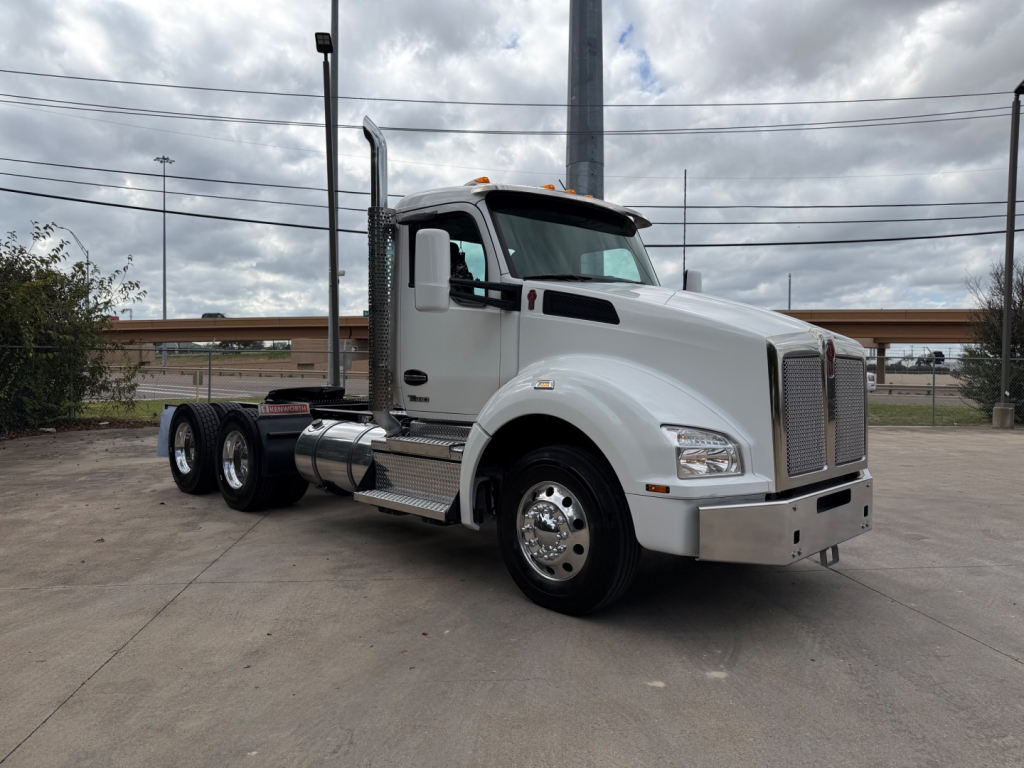
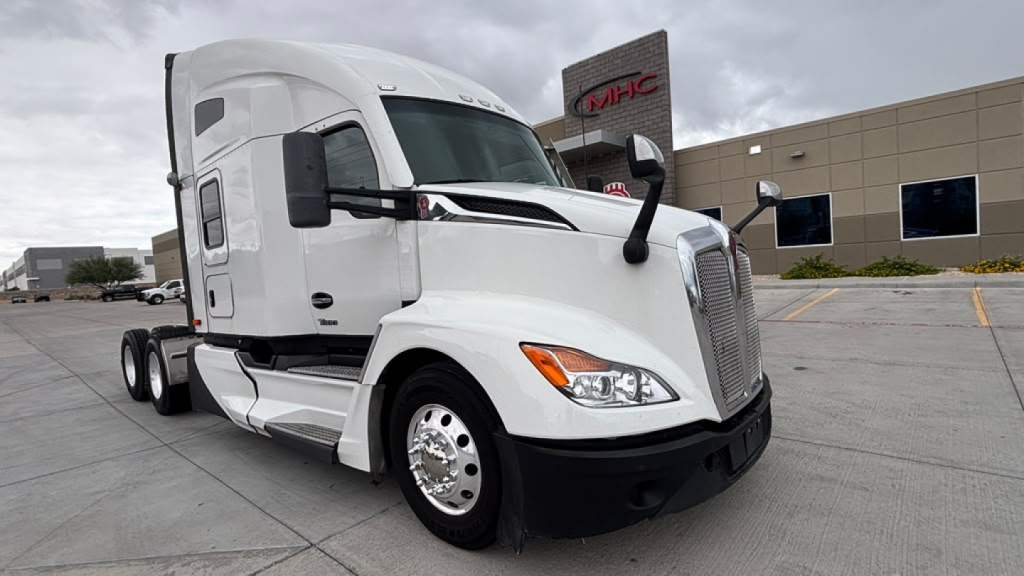
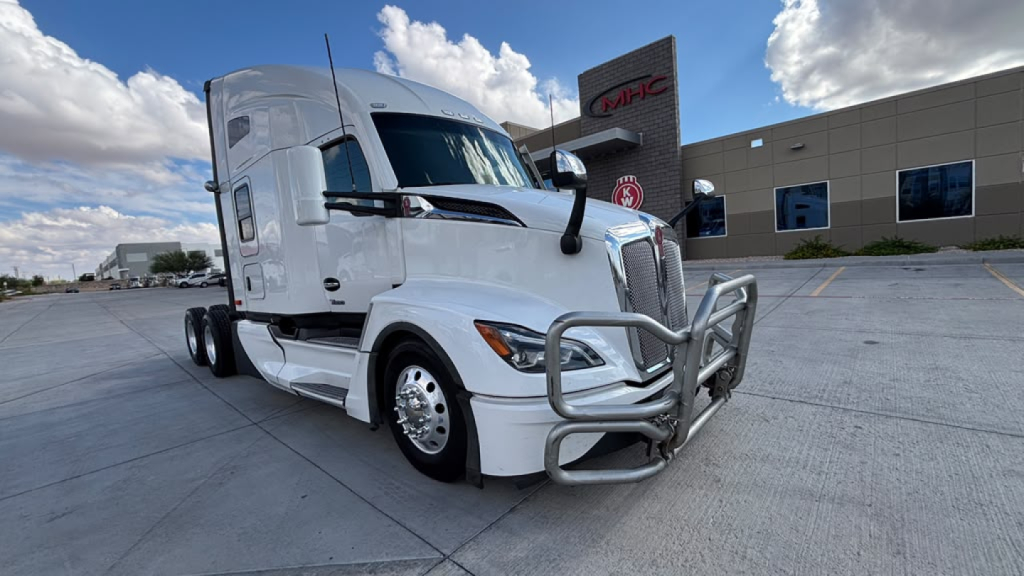
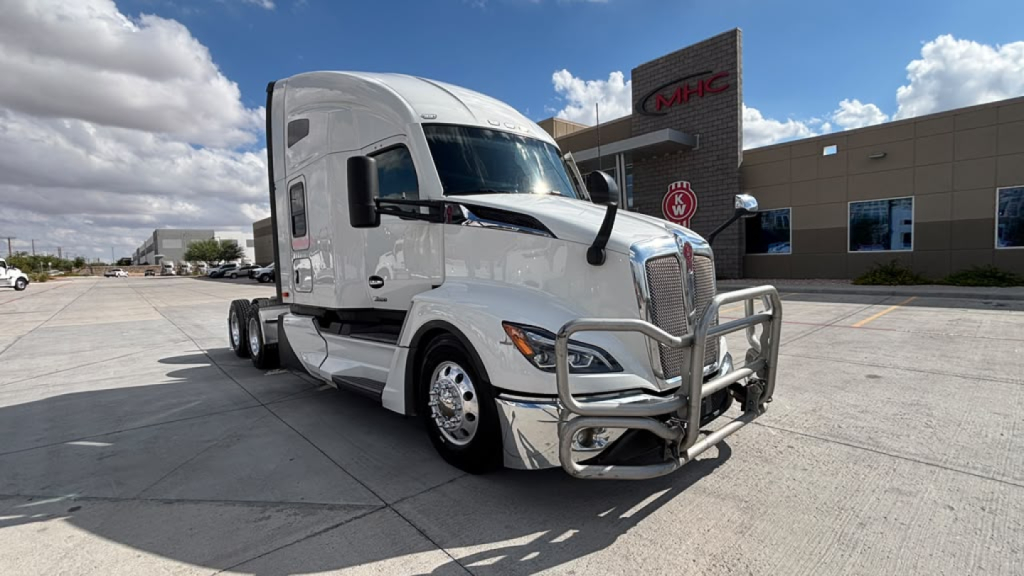
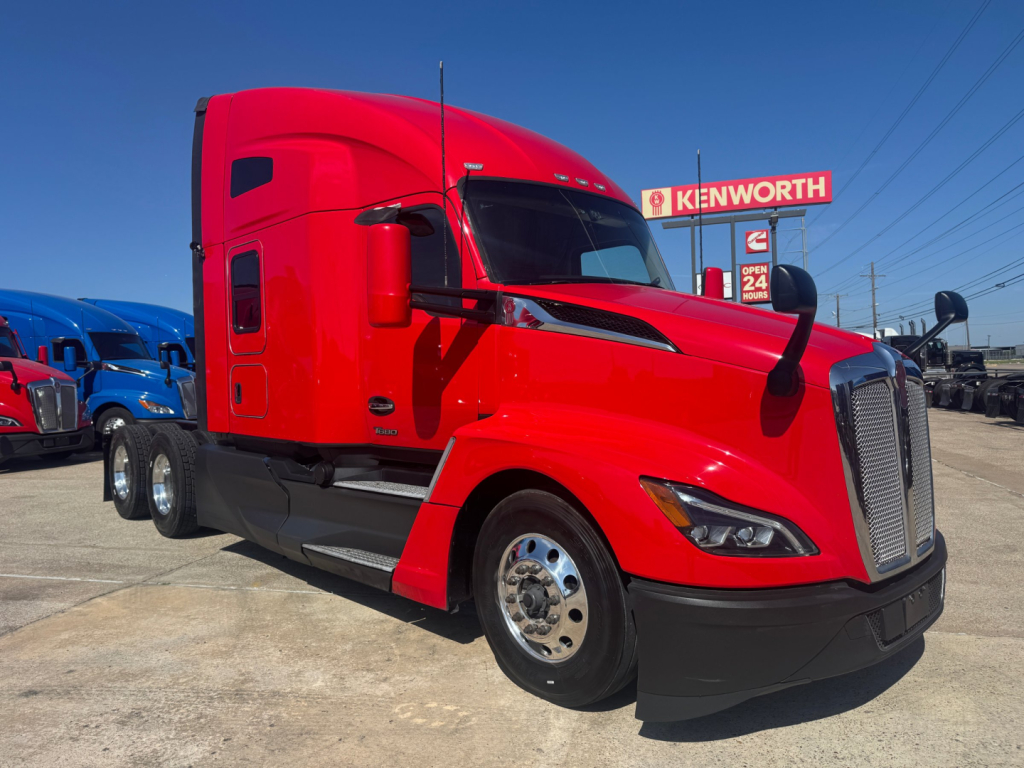
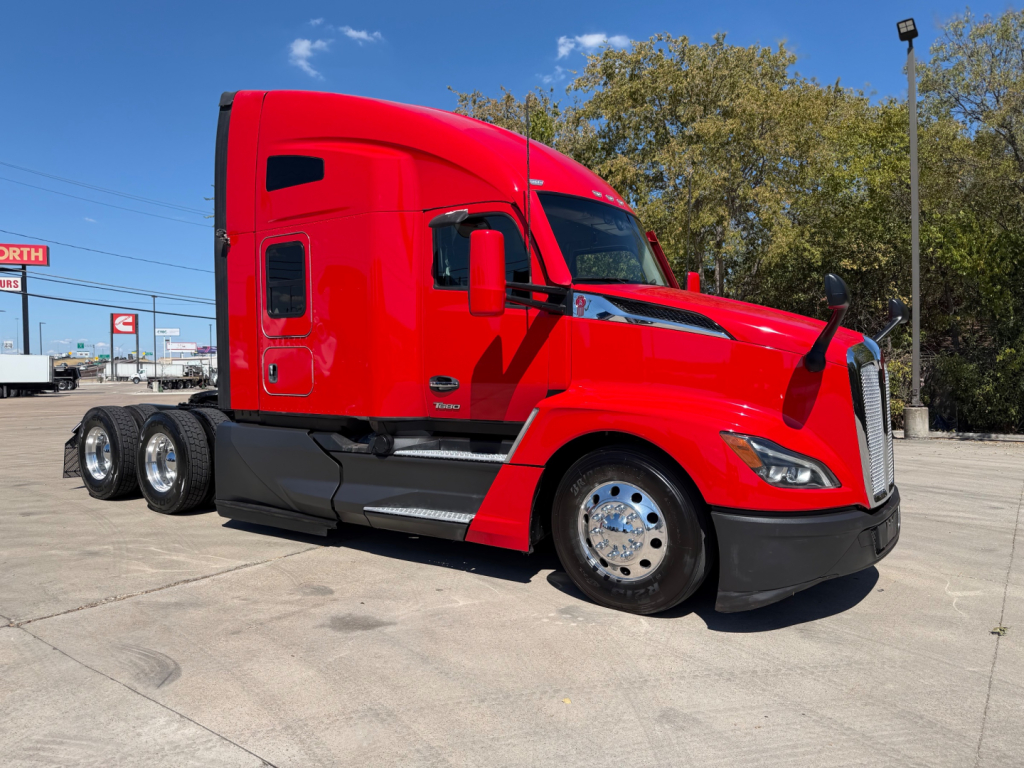
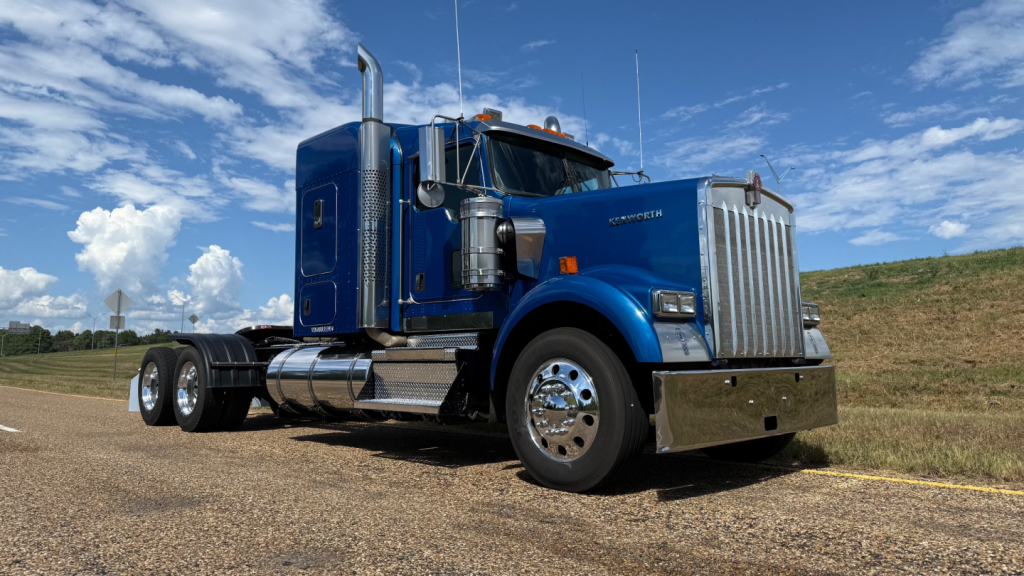
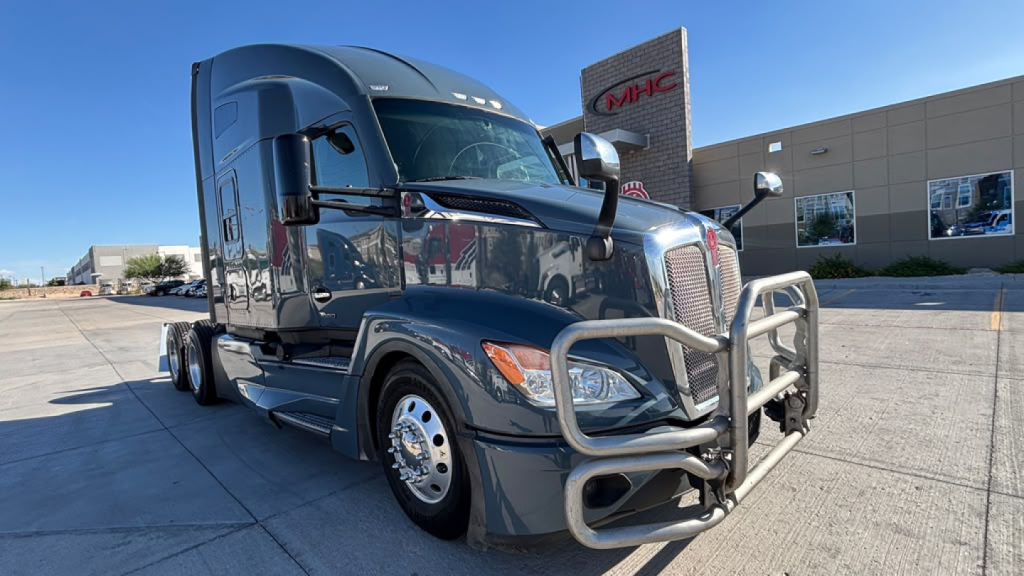
Selling a 2024 kenworth truck? List your 2024 kenworth truck for sale and reach thousands of commercial buyers.
2024 Kenworth Trucks in Texas
Model-year 2024 diesels use DPF and SCR aftertreatment with DEF, so used-truck inspections should include ECM mileage, idle hours, fault history, and documented aftertreatment service. Inspect fifth-wheel wear on tractors and body mounts, PTO operation, and frame modifications on vocational trucks. Texas heat makes radiator cleanliness, fan operation, and air-conditioning performance priorities; Gulf Coast service also warrants corrosion checks. For a new 2024 truck, confirm body and PTO compatibility, factory warranty start date, and applicable 12% federal excise tax on qualifying heavy trucks before purchase.
Frequently Asked Questions about 2024 Kenworth Trucks in Texas
Do I need a CDL to drive a 2024 Kenworth T280 in Texas?
A 2024 Kenworth T280 generally requires a Class B CDL when its GVWR or actual gross weight is 26,001 pounds or more. A combination at that threshold generally requires Class A when the trailer exceeds 10,000 pounds. A lighter T280 may not require a CDL unless passenger or placarded hazardous-material rules apply. Air brakes alone do not establish the CDL requirement.
What rear axle ratio should I choose for a 2024 Kenworth T680 running Texas highways?
A numerically lower rear axle ratio is usually the better starting point for a 2024 Kenworth T680 running steady highway miles. Ratios such as 2.79 and 2.93 must be evaluated with transmission top gear, tire size, cruising speed, and engine torque. Frequent heavy starts or demanding grades can justify a higher numerical ratio. Compare cruise rpm and startability calculations rather than treating a lower ratio as automatic fuel savings.
Does PTO-ready mean a 2024 Kenworth can run my hydraulic body?
No, a PTO-ready 2024 Kenworth T280 or T880 still needs a compatible PTO and hydraulic system for the intended body. Verify transmission provisions, PTO torque capacity, pump flow, operating pressure, reservoir size, and controls. A dump body and equipment requiring hydraulics while moving can need different arrangements. Confirm stationary or mobile operation with the transmission and body manufacturers before committing to the chassis.
Can a 2024 Kenworth tractor legally haul more than 80,000 pounds in Texas?
Exceeding 80,000 pounds on Texas Interstate routes generally requires an applicable permit or statutory exception. A conventional five-axle Kenworth tractor-trailer must also satisfy axle limits and the federal bridge formula, with standard limits of 20,000 pounds on a single axle and 34,000 pounds on a tandem. Higher axle ratings alone do not authorize heavier loads. Confirm permit eligibility, axle spacing, dimensions, and route restrictions before selecting a heavy-haul configuration.
Is a high-mileage 2024 Kenworth automatically worn out?
No, a high-mileage 2024 Kenworth needs a condition assessment rather than rejection based on its model year or odometer alone. Request maintenance records showing service intervals against both mileage and engine hours. A loaded road test can expose weak pulling power, cooling problems, and poor shift quality. Inspect steering play, driveline vibration, wheel-end leakage, and suspension wear, and use oil-analysis trends rather than relying on one fresh sample.