
Trucks For Sale Near Jefferson, Georgia
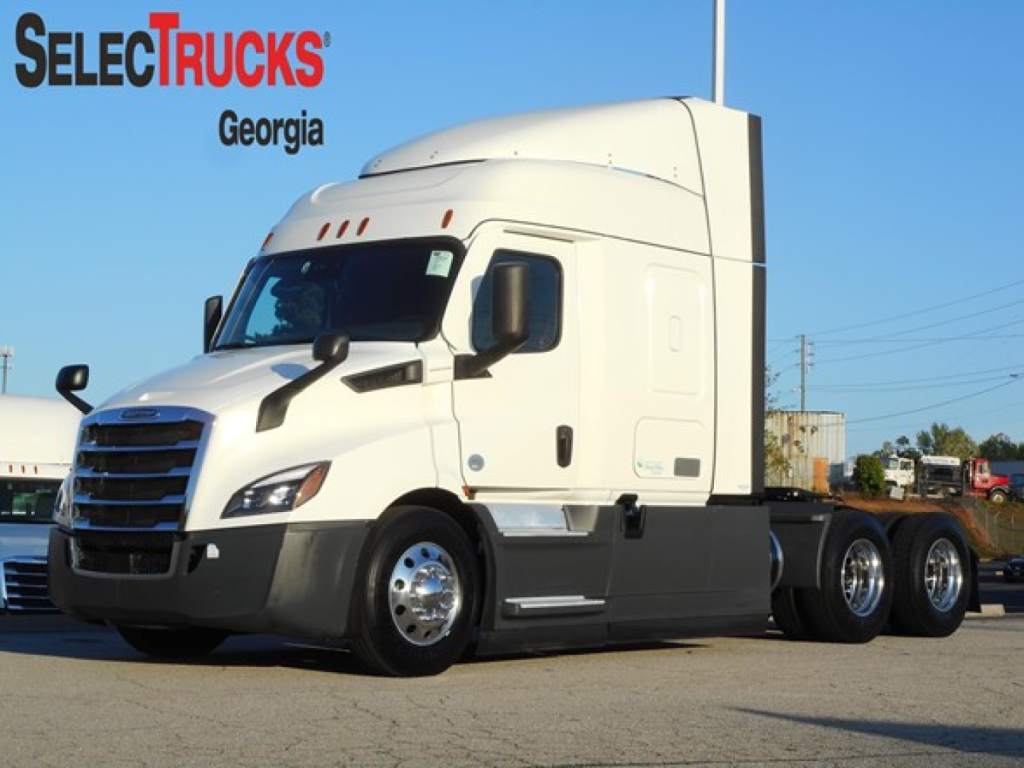
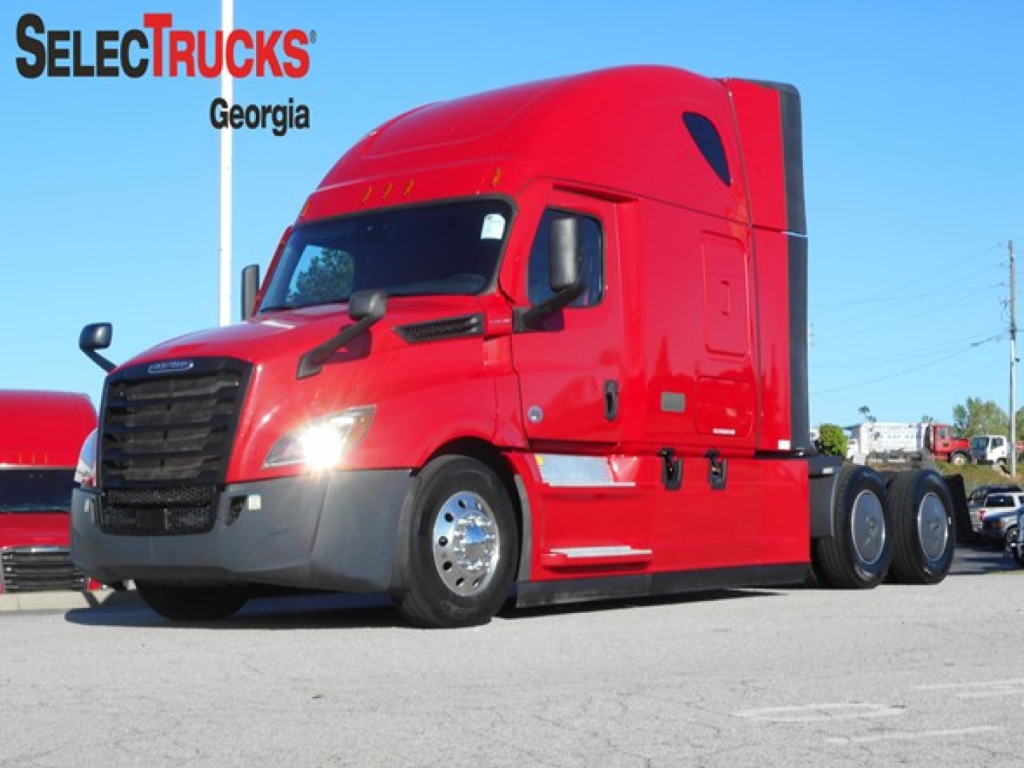
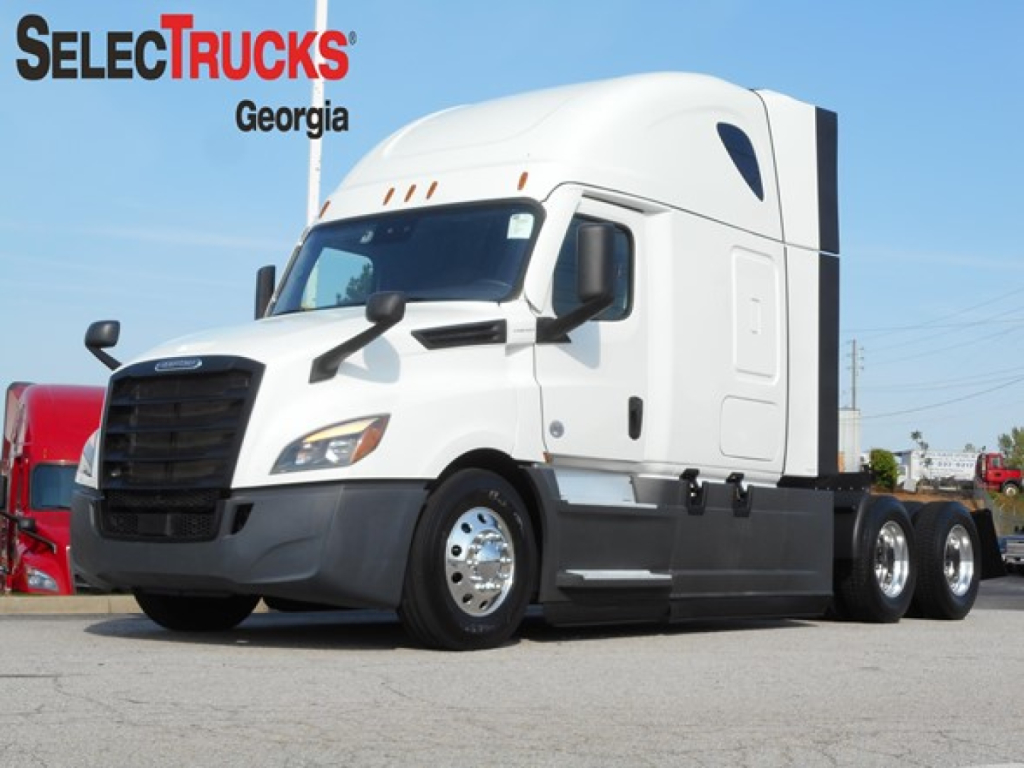
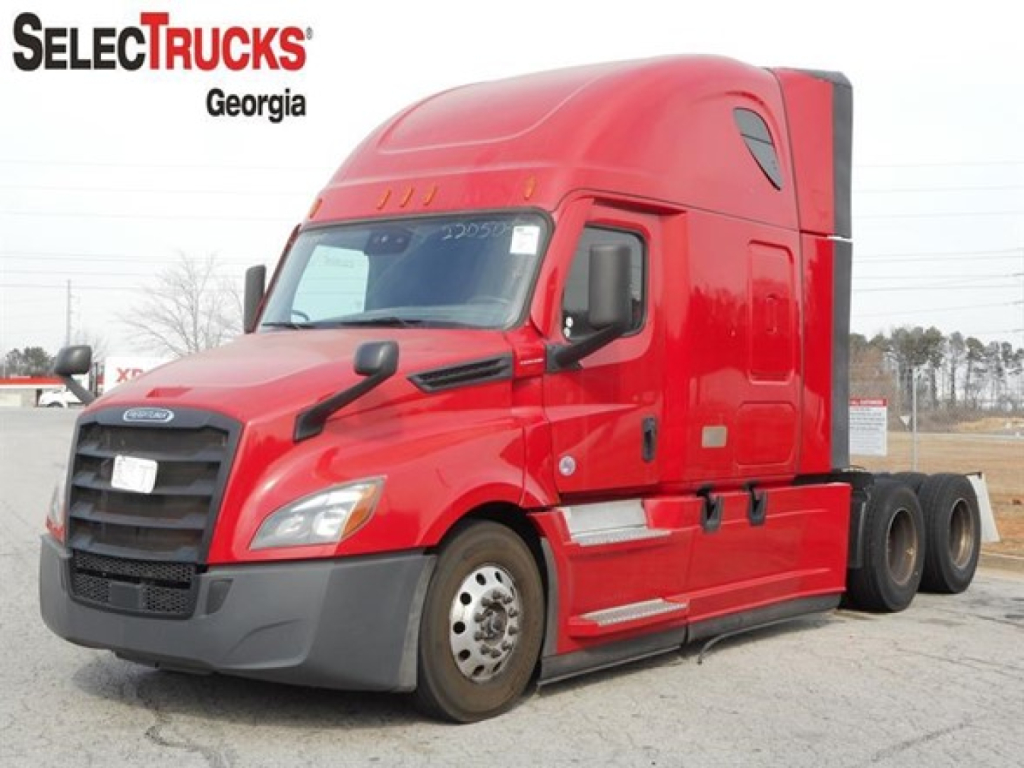
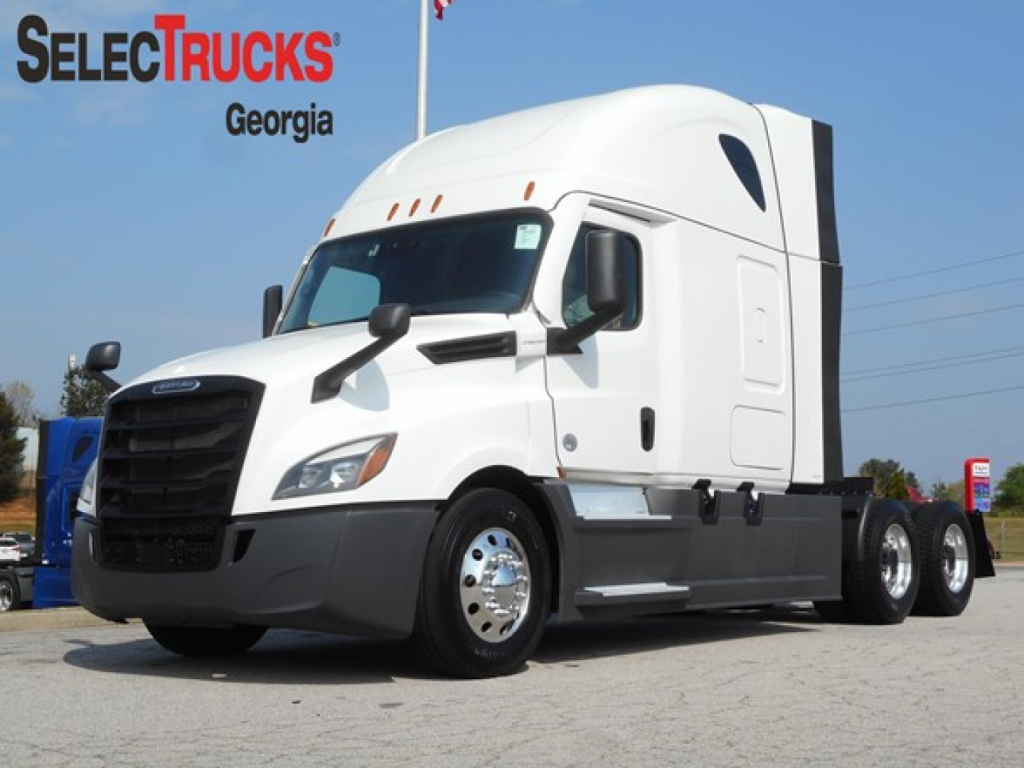
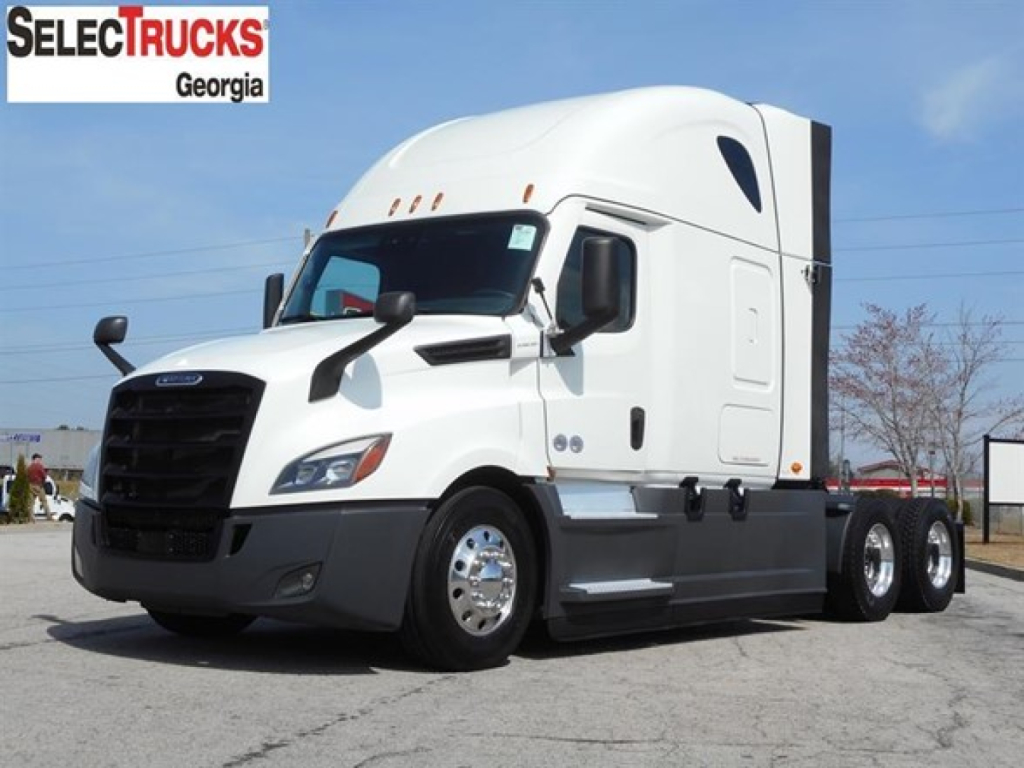
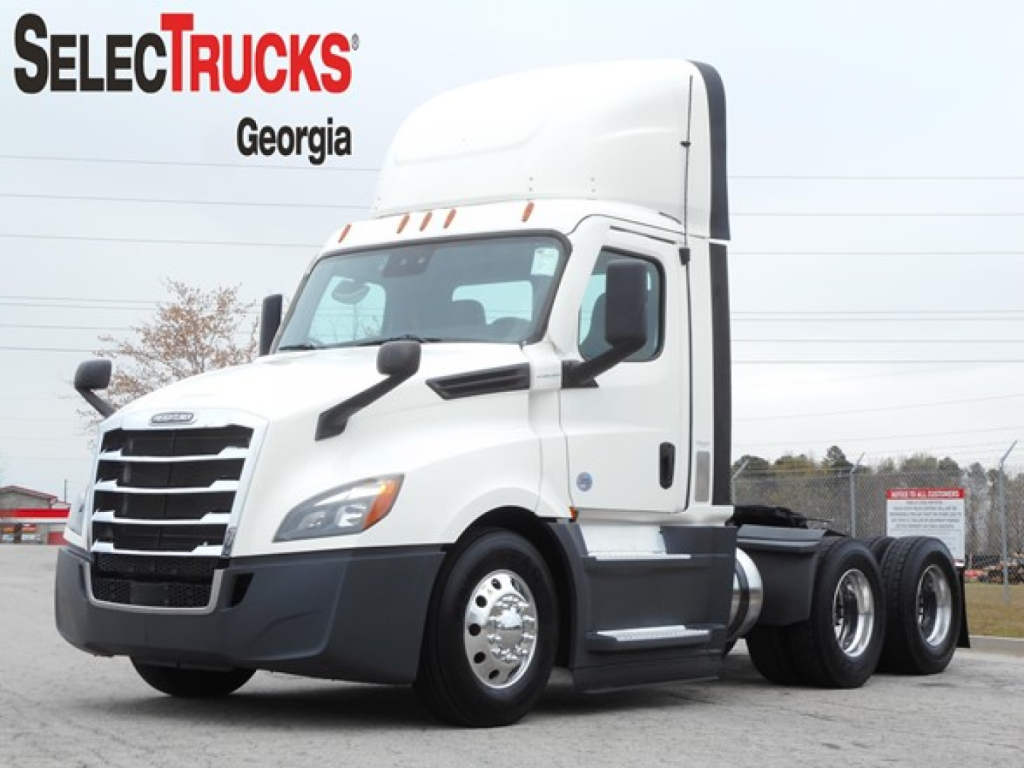
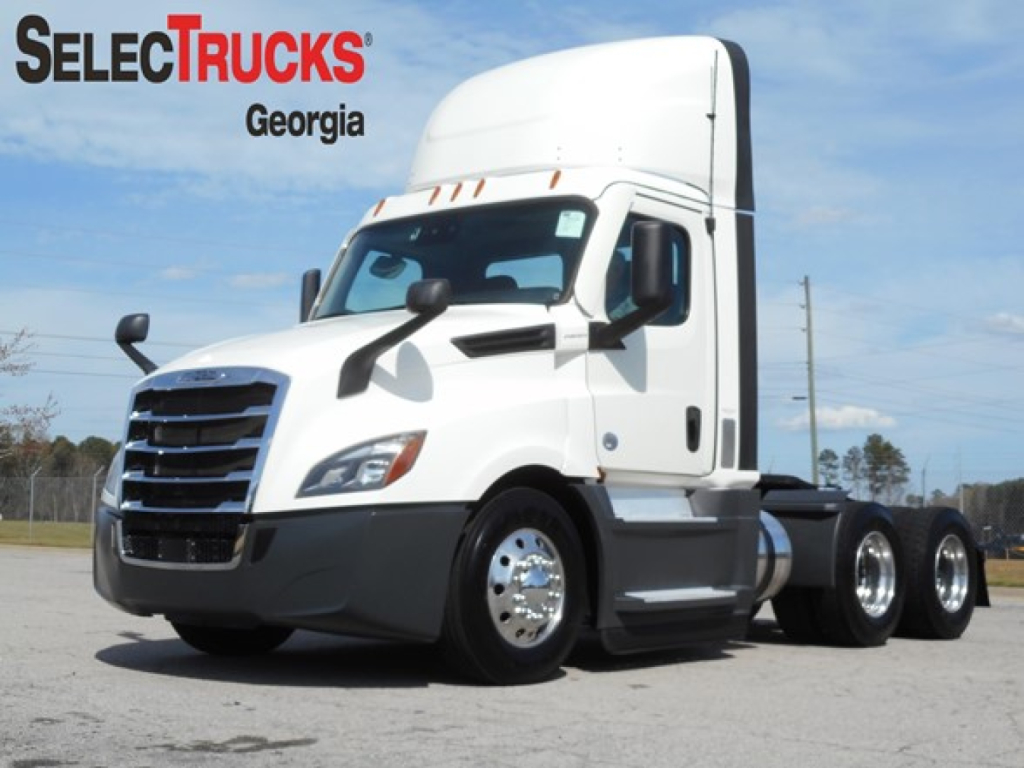
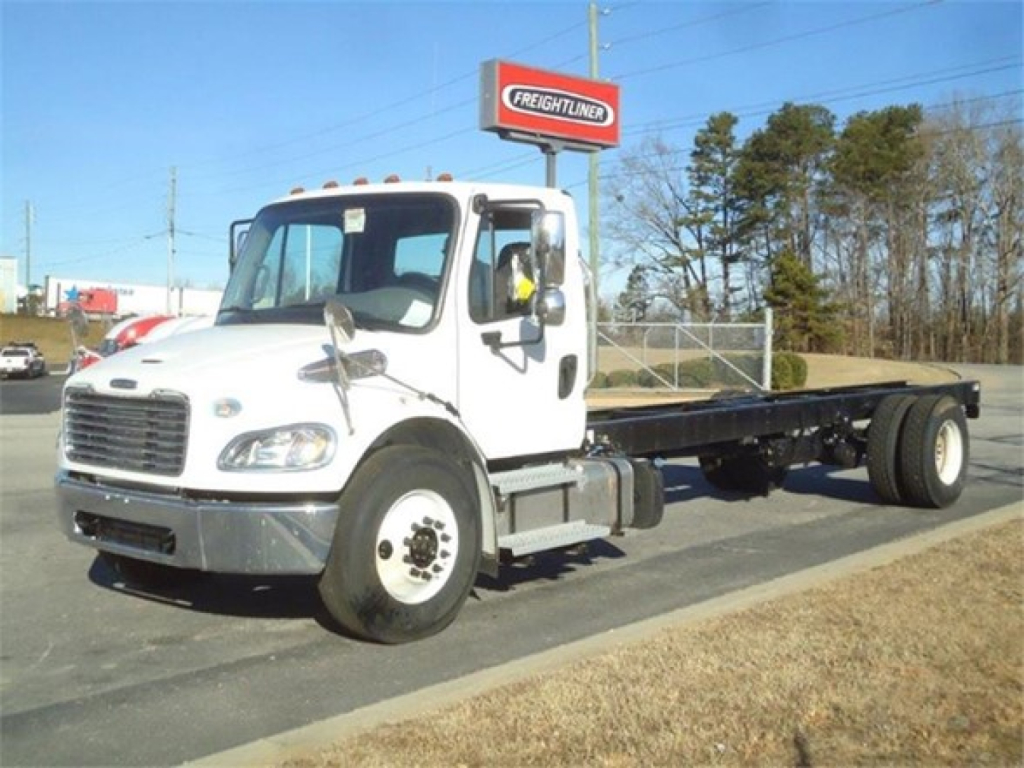
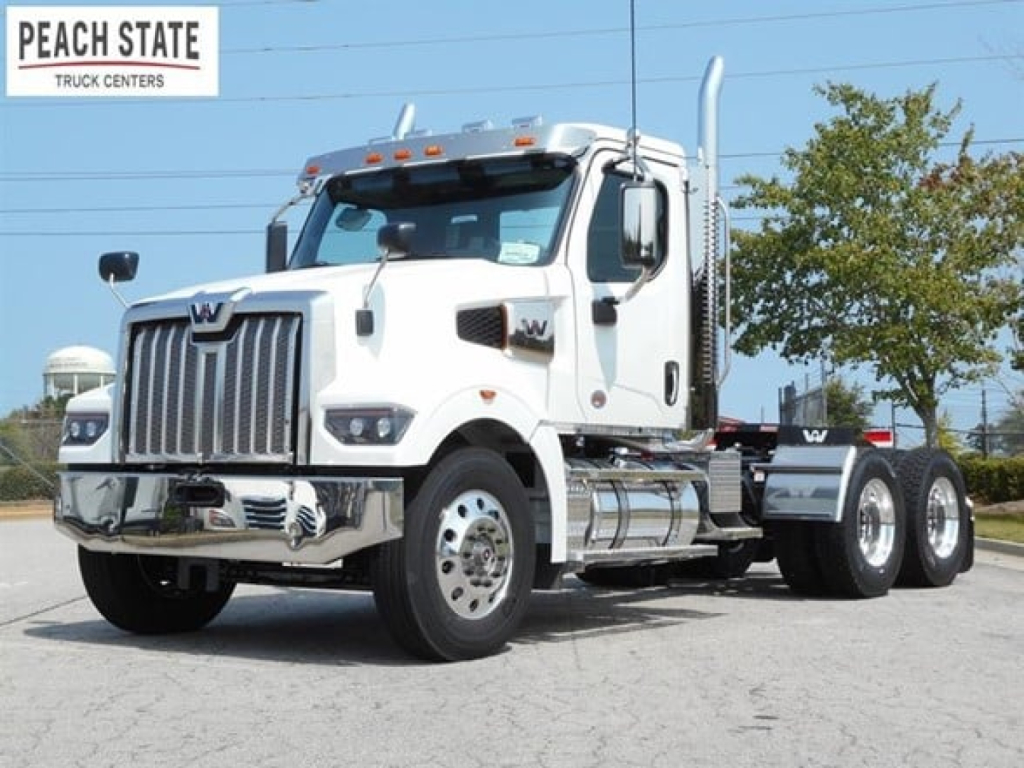
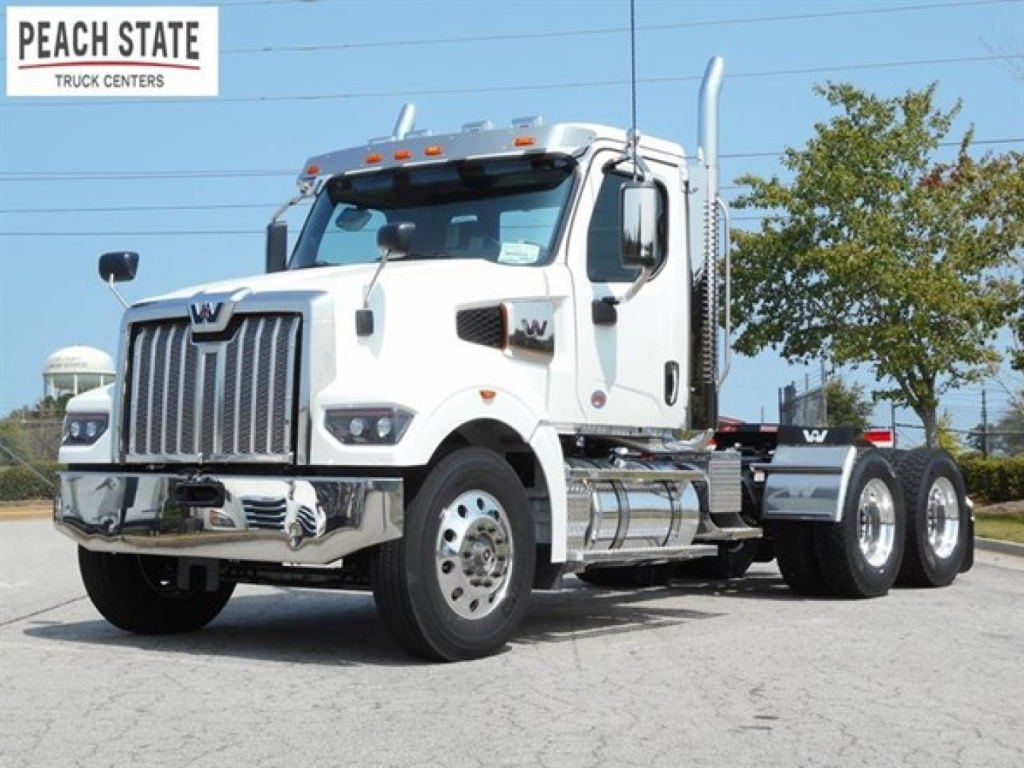
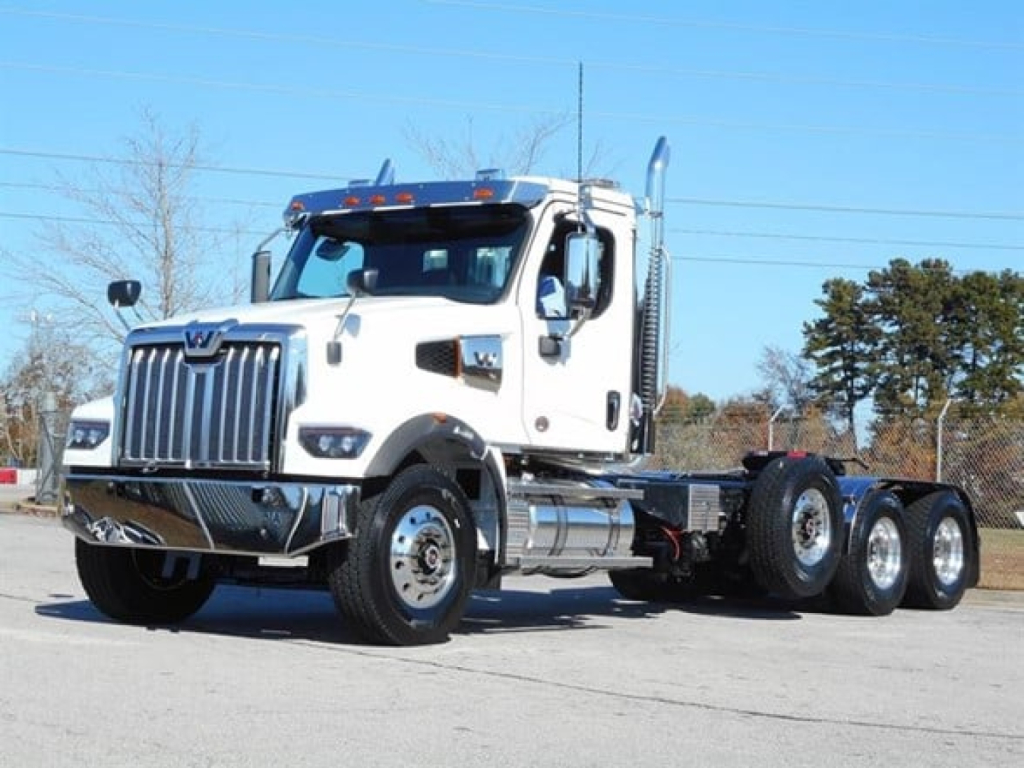

Showing 25 to 40 of 40 results
Have truck to sell? List it here to reach thousands of buyers.
Trucks Near Jefferson, Georgia
Powertrain choice is one of the biggest buying decisions in this category. Many late-model road tractors are spec'd with diesel engines in the 450 to 505 horsepower range, tandem axles, 6x4 drivetrains, and automated manual transmissions such as a 12-speed AMT. That setup is common for general freight because it balances highway performance, driver acceptance, and fuel economy. Medium-duty box trucks often use lower-horsepower diesel engines, single axles, and 4x2 drivetrains, which makes sense for city routes, lighter payloads, and stop-and-go service. Wheelbase, rear axle rating, suspension type, and axle configuration all affect maneuverability, bridge law flexibility, and how well the truck matches the trailer or body it will carry.
Cab and chassis details matter as much as engine specs. On highway tractors, air ride suspension, aluminum wheels, differential lock, collision mitigation, and common highway ratios like 3.08 can indicate a fuel-conscious fleet spec aimed at stable interstate operation. Sleeper buyers should pay attention to bunk size, HVAC performance, idle reduction equipment, refrigerator and bunk heater options, and overall cab condition, because those items affect driver retention and downtime. Day cab buyers usually focus more on wheelbase, visibility, turning radius, PTO compatibility if needed, and how the truck is configured for regional van, flatbed, tanker, or dump transfer work.
For box trucks, the body spec often determines value more than the cab badge. A 26-foot box, translucent roof, tuck-under liftgate, and interior E-track setup can be the difference between a basic moving truck and a freight-ready delivery unit. Buyers should also consider door type, floor condition, body height, dock height compatibility, and whether the truck's GVWR aligns with the intended payload. Across all truck types, smart buyers compare mileage, maintenance history, emissions system condition, tire life, brake wear, and any remaining warranty coverage. A well-matched truck is not just about model year or horsepower. It is about choosing the right class, cab style, axle setup, and body or sleeper configuration for the lanes, loads, and operating costs that define the business.
Frequently Asked Questions about Trucks Near Jefferson, Georgia
What is the difference between a day cab truck and a sleeper truck?
A day cab truck is built without a sleeping compartment and is typically used for local, regional, and dedicated runs where the driver returns home or to a terminal the same day. A sleeper truck includes a bunk area behind the seats and is designed for over-the-road service, longer dispatch cycles, and better driver comfort on multi-day trips. The right choice depends on route length, freight network, driver schedule, and how much cab space is needed for the operation.
What should I look for when buying a used semi truck?
Focus on the total operating picture, not just the odometer. Engine make and horsepower, transmission type, axle ratio, suspension, and wheelbase should all match the intended freight. Review maintenance records, inspect the emissions system, check for fault codes, evaluate tire and brake condition, and confirm whether the truck has been fleet maintained. On sleeper units, also inspect bunk components, HVAC, inverter systems, and any idle reduction equipment because those items affect uptime and resale value.
What makes a box truck a good fit for delivery or moving work?
The body specification is critical on a box truck. Length, interior height, liftgate capacity, E-track, roof construction, and floor condition all affect what kind of freight the truck can handle. A 26-foot box with a tuck-under liftgate is a common setup for furniture, appliance, and route delivery applications because it supports dock and ground-level loading. Buyers should also verify GVWR, axle rating, and payload capacity to make sure the truck can legally and efficiently carry the intended loads.
Are automated manual transmissions common in commercial trucks?
Yes. AMTs are now standard in many fleet and owner-operator truck specs, especially in highway tractors. They help reduce driver fatigue, improve shift consistency, and can support fuel economy goals when paired with the right axle ratio and engine calibration. They are also common in medium-duty applications where ease of operation matters for multi-driver fleets or urban delivery routes. Buyers should still verify service history and software calibration because transmission performance depends heavily on maintenance and application.
How do I choose the right truck class for my business?
Truck class should be based on payload, body type, trailer weight, and route profile. Medium-duty trucks such as many Class 6 units are commonly used for box truck delivery, vocational work, and lighter commercial applications. Class 8 trucks are the standard for tandem axle semis, heavy trailers, and high-GCWR freight operations. If the truck is too light for the job, durability and legal payload become problems. If it is too heavy, acquisition cost, fuel burn, and operating expense may be higher than necessary.