
Used Isuzu Trucks For Sale
Shop used Isuzu trucks including NPR, NQR and FTR models. Compare diesel and gas cabover chassis, GVWR ranges, body types, and applications.
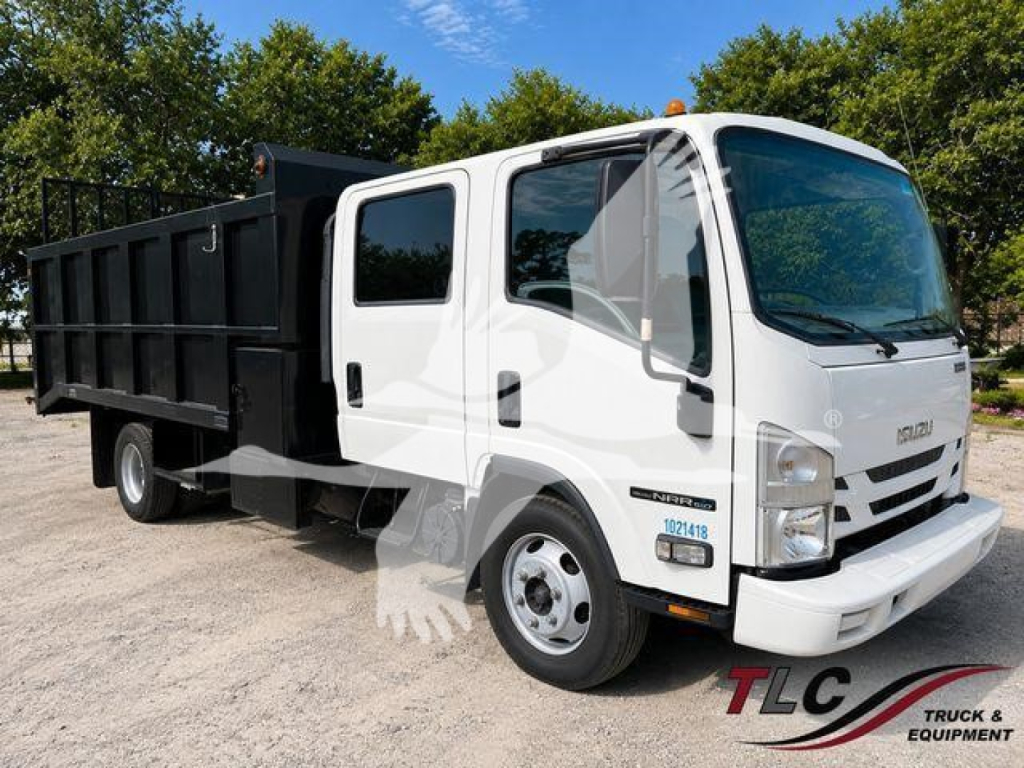
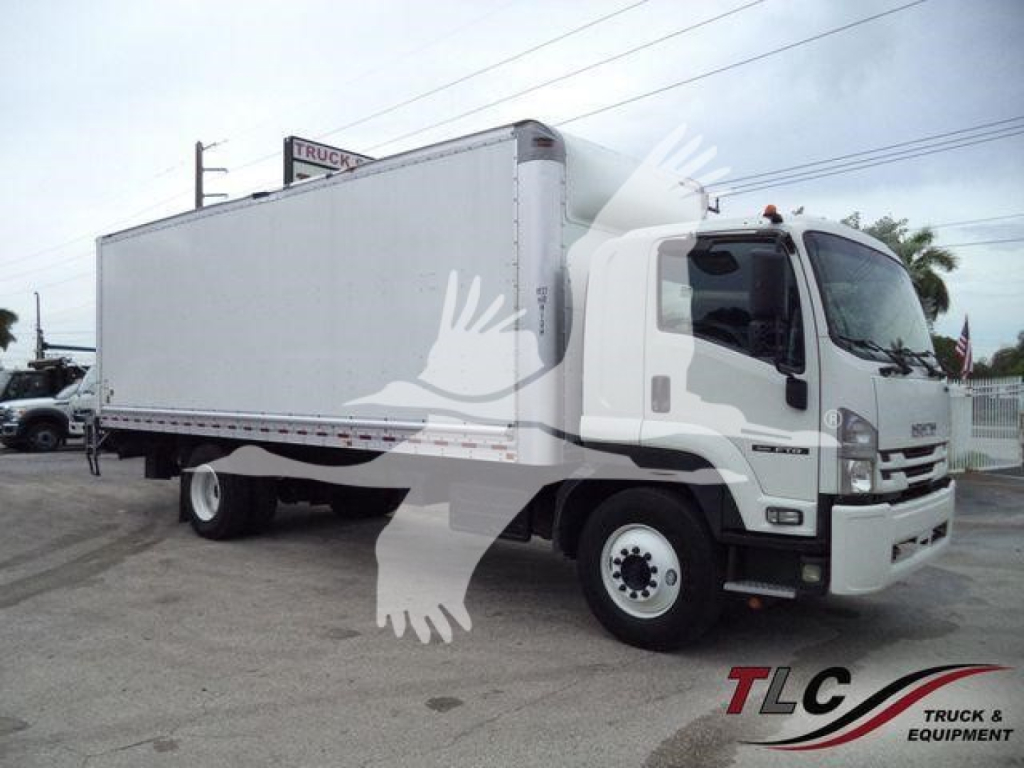
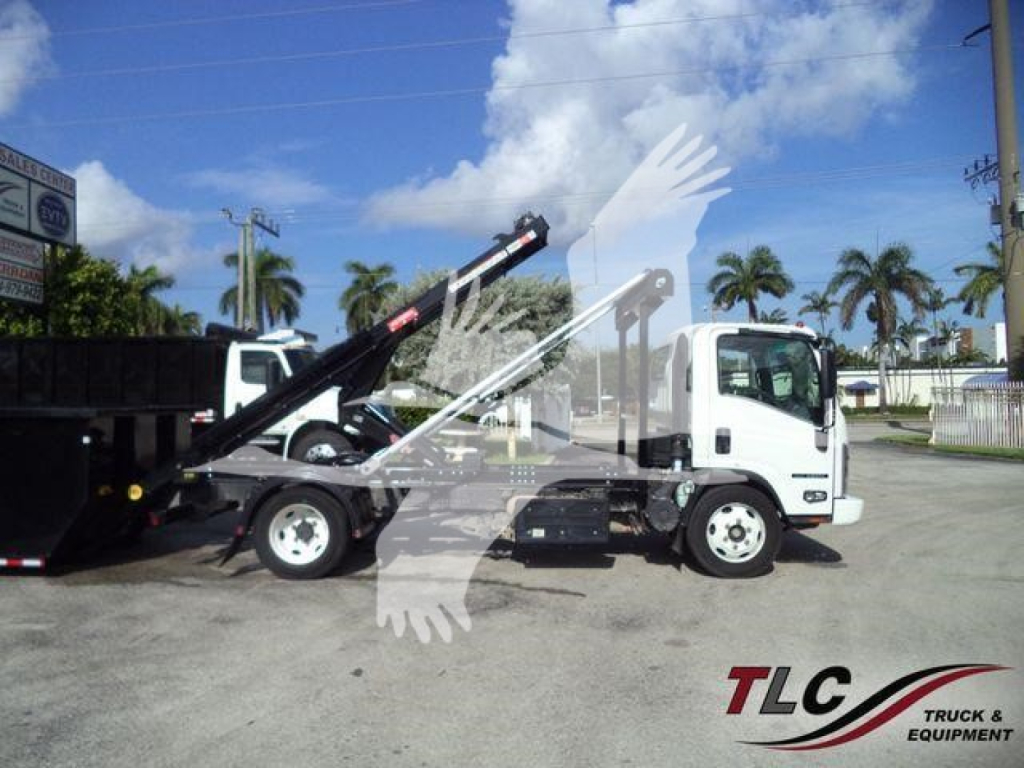
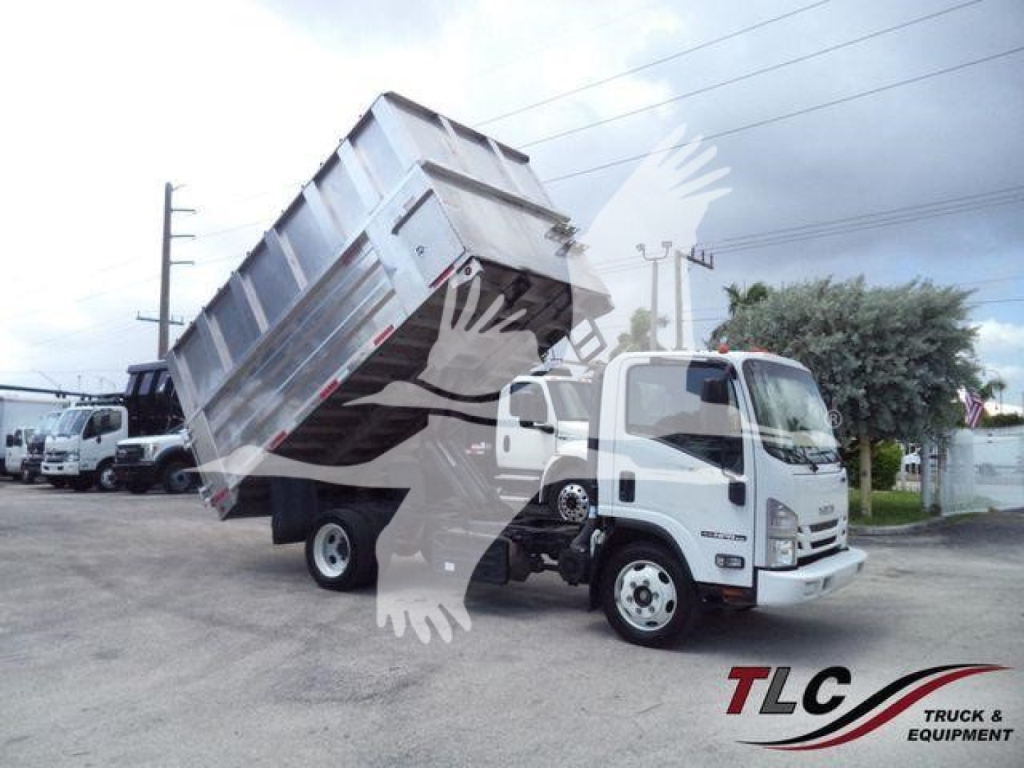
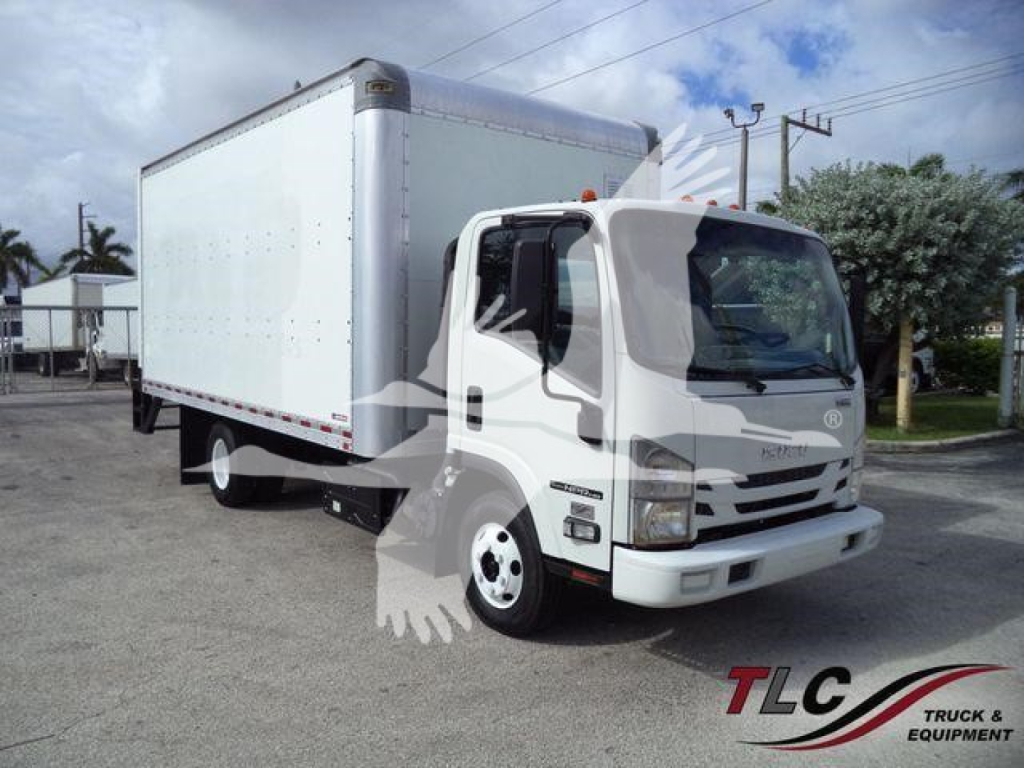
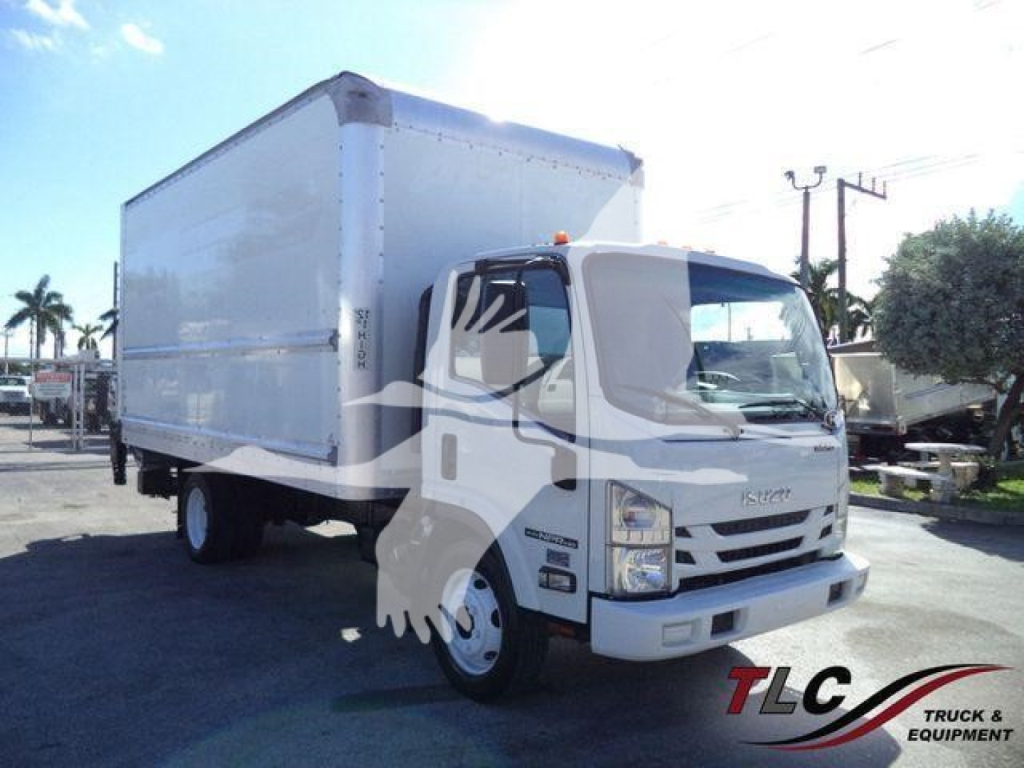
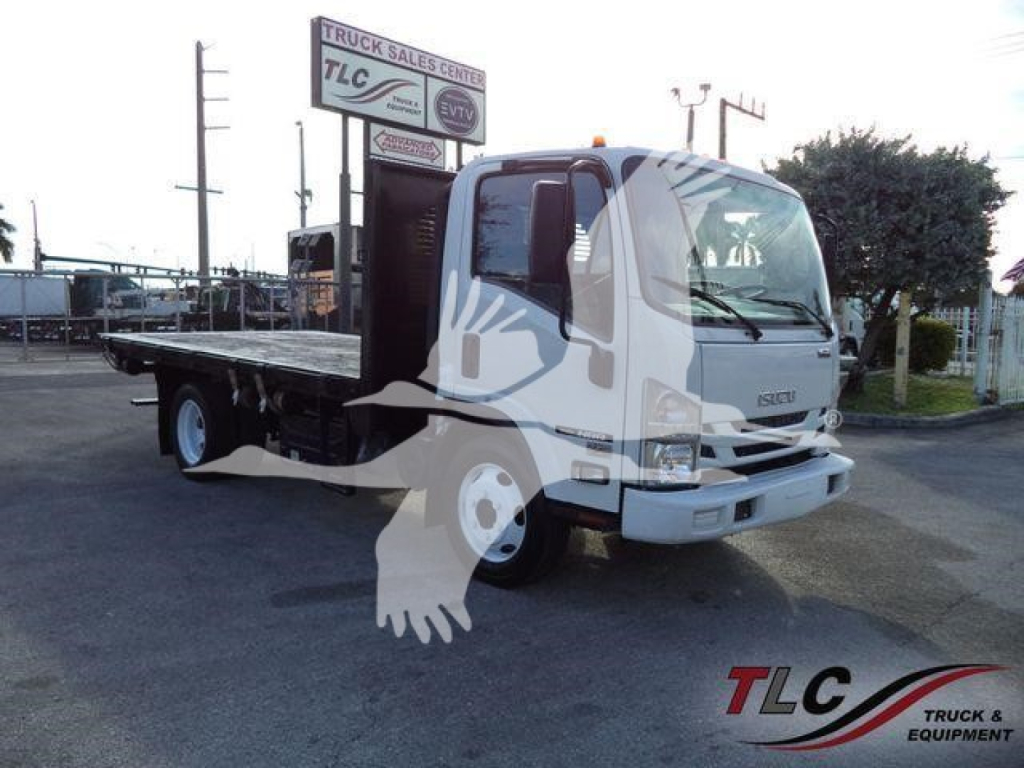
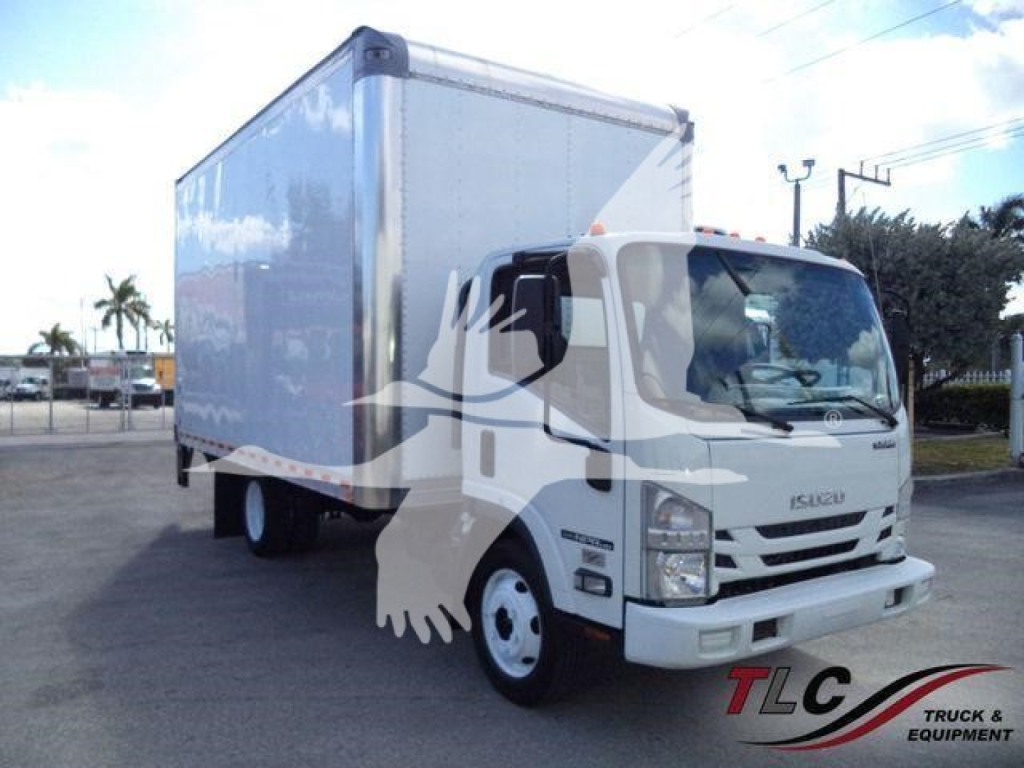
Showing 1 to 24 of 84 results
Have used isuzu truck to sell? List it here to reach thousands of buyers.
Used Isuzu Trucks
A used Isuzu truck buyer should start with GVWR, engine type, and cab-to-axle measurement. NPR and NPR-HD models are often seen in the 12,000 to 14,500 lb GVWR range and are frequently spec'd with gas V8 power or Isuzu diesel engines depending on year and configuration. NQR models step up into the medium-duty range, often around 17,500 lb GVWR, while the FTR moves higher, commonly around 25,950 lb GVWR, for heavier payloads and larger bodies. Many used units are paired with automatic transmissions, especially Allison automatics on medium-duty specs, which are preferred in stop-and-go routes and vocational service.
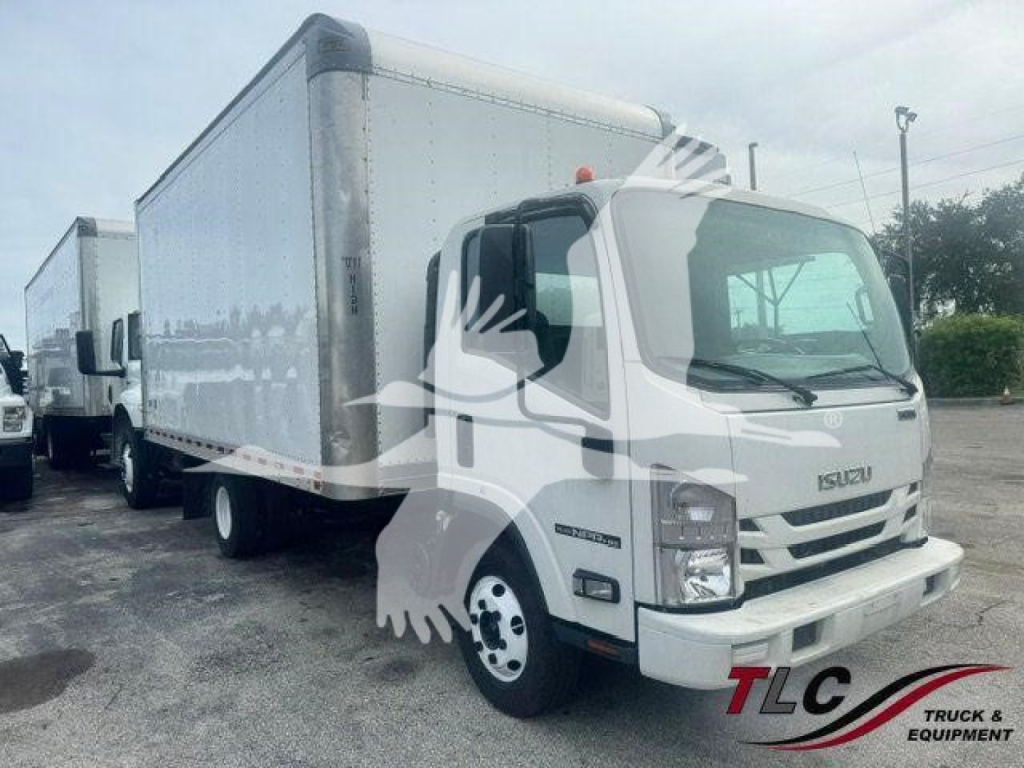
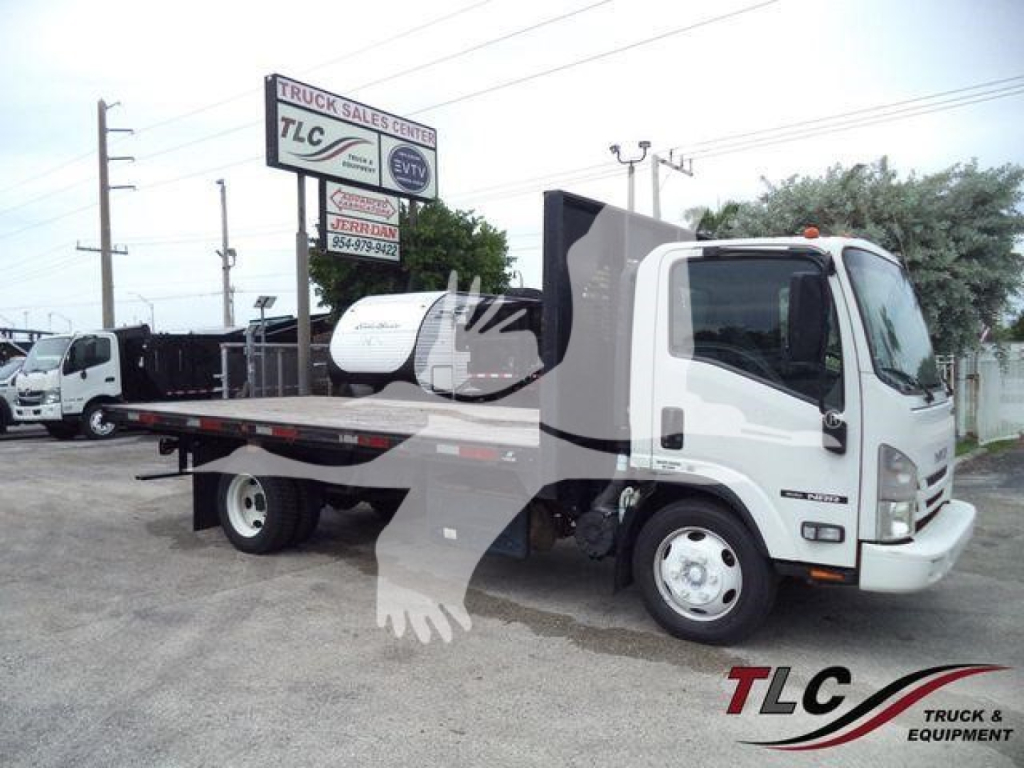
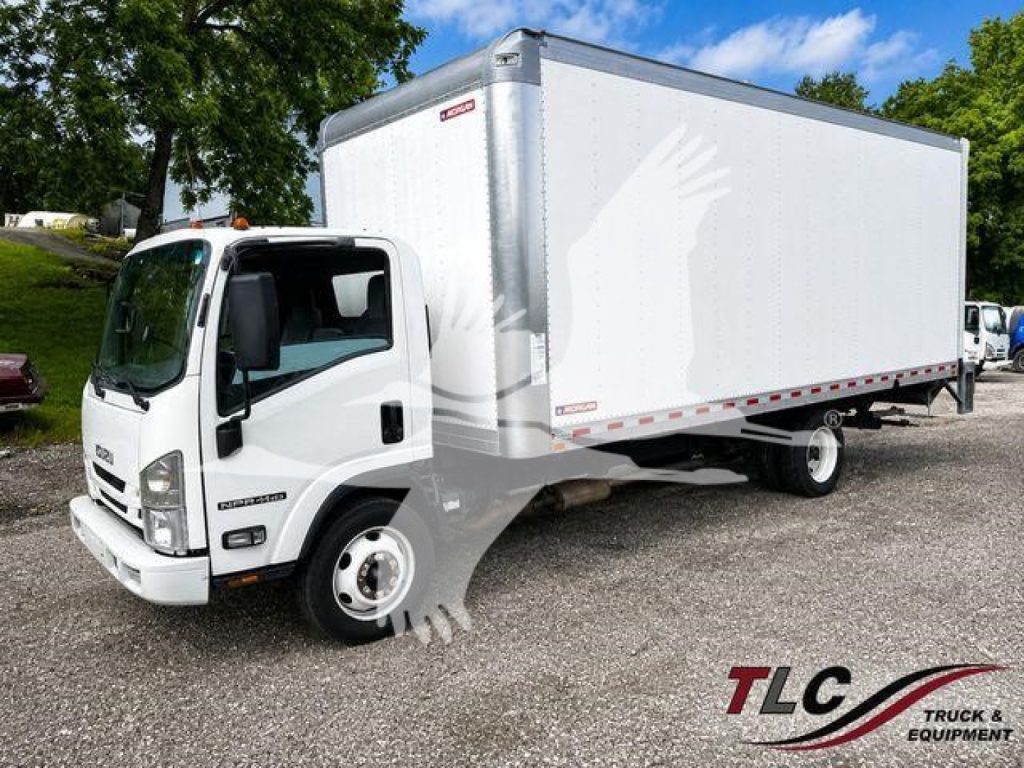
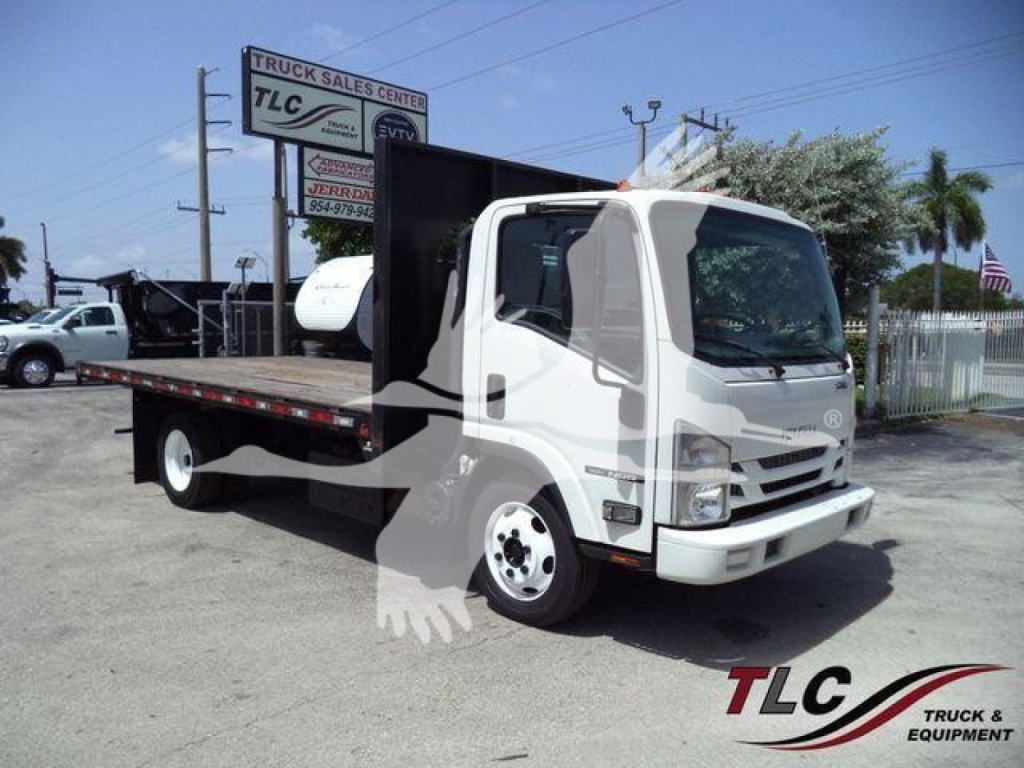
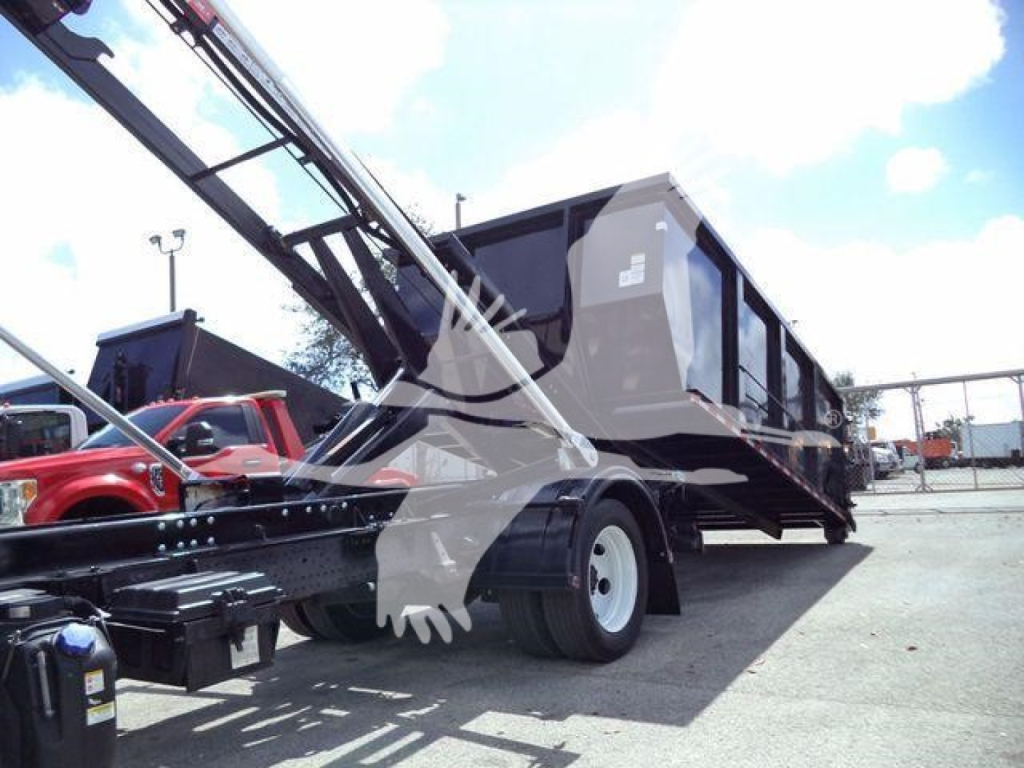
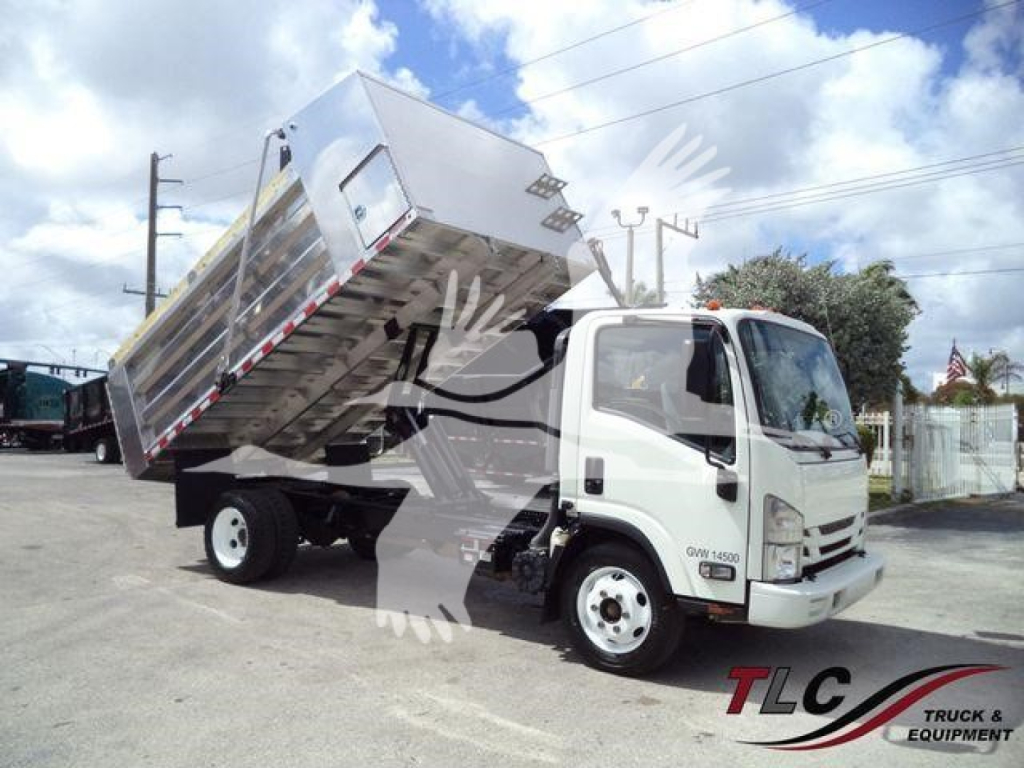
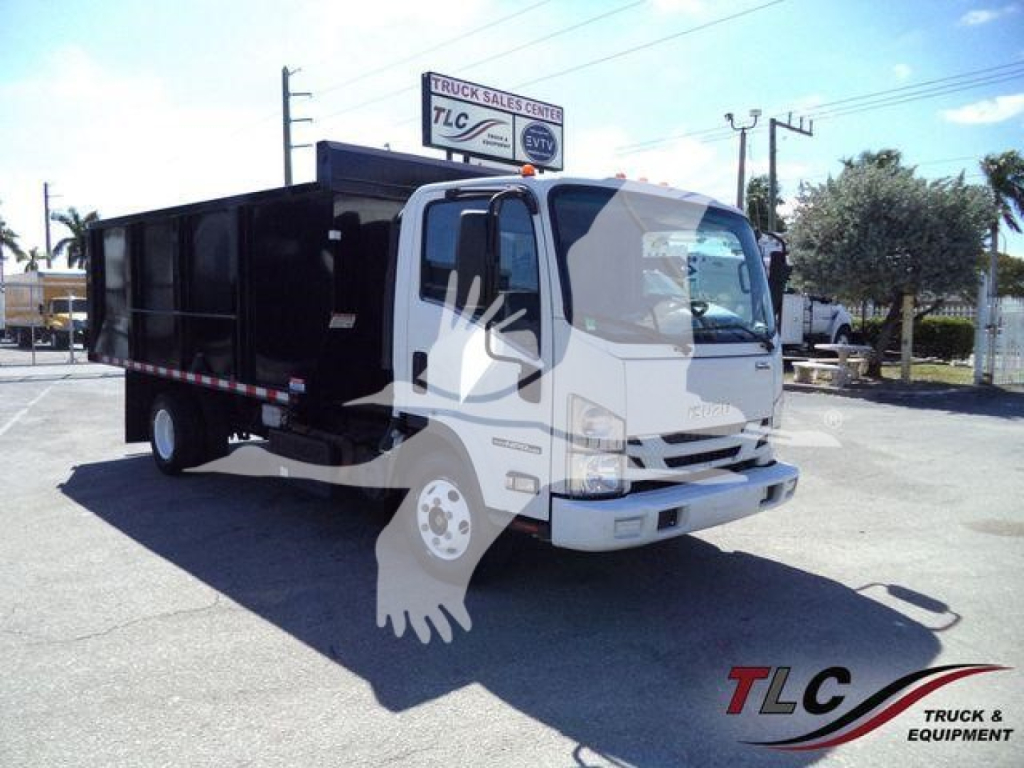
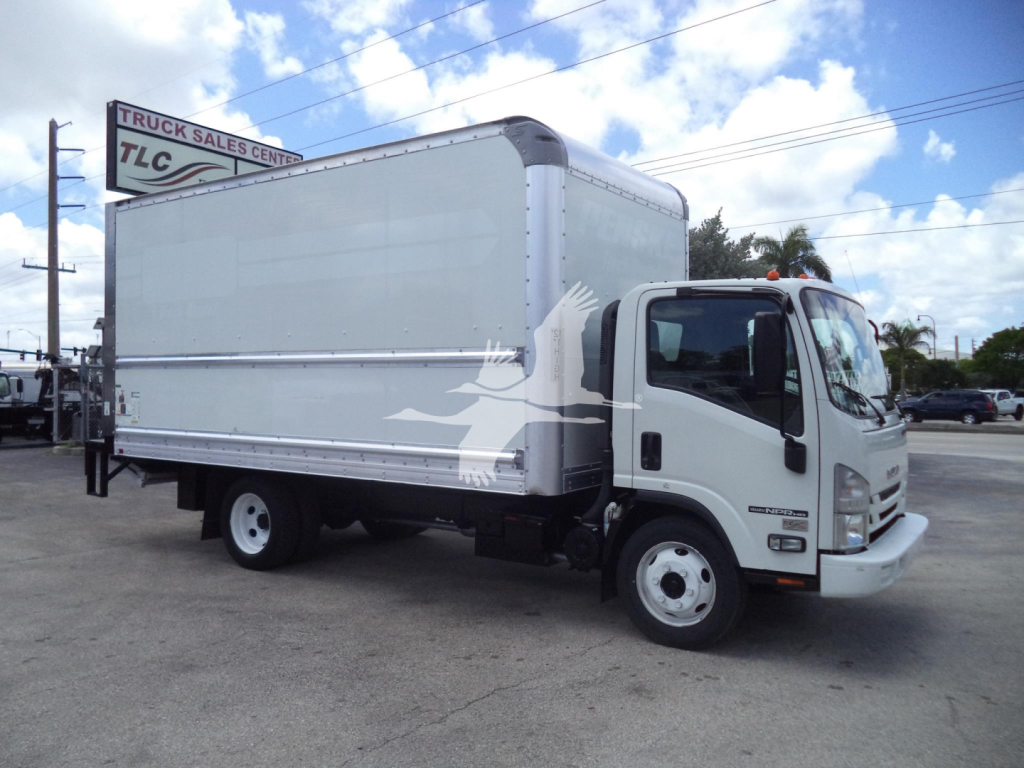
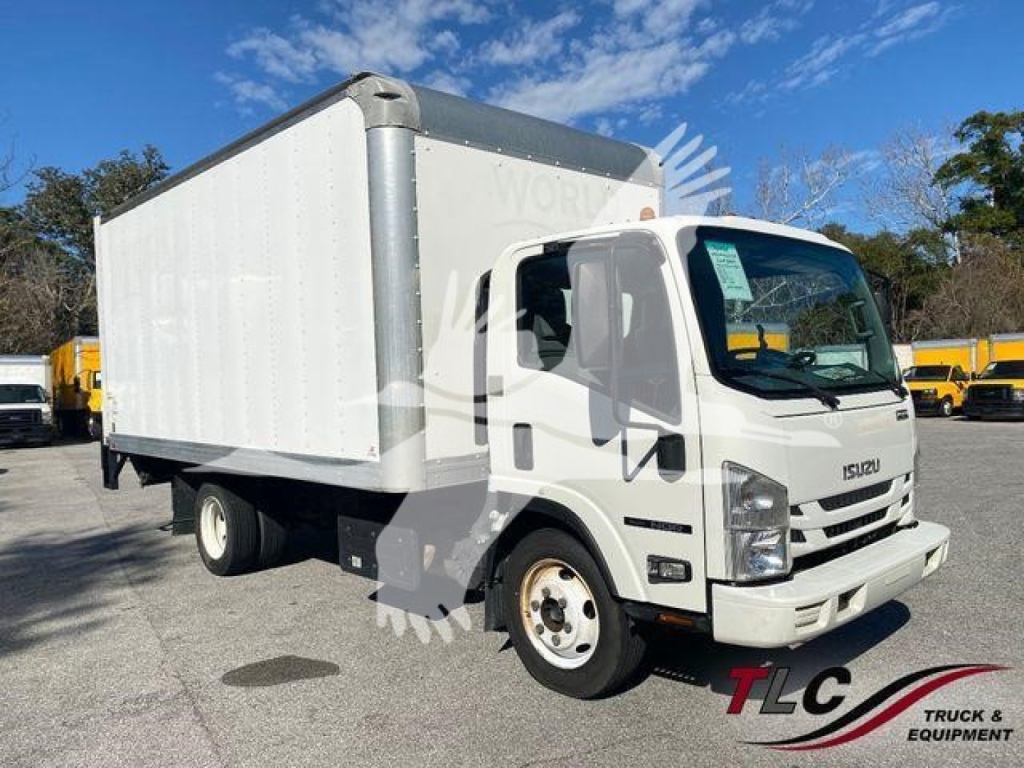
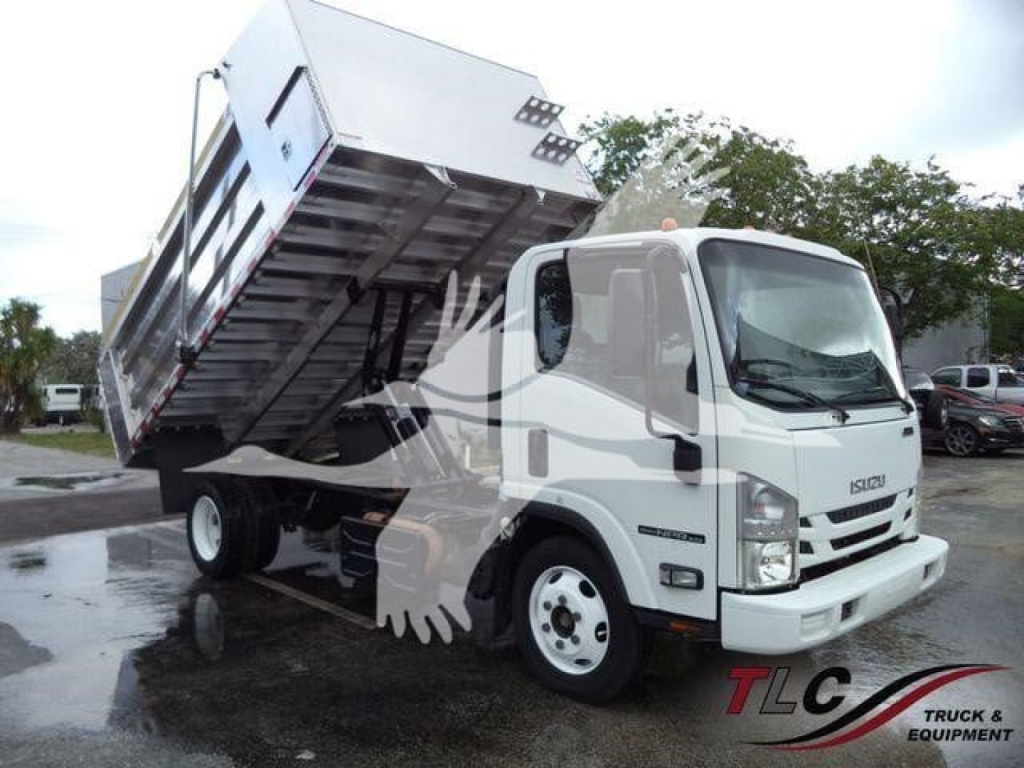
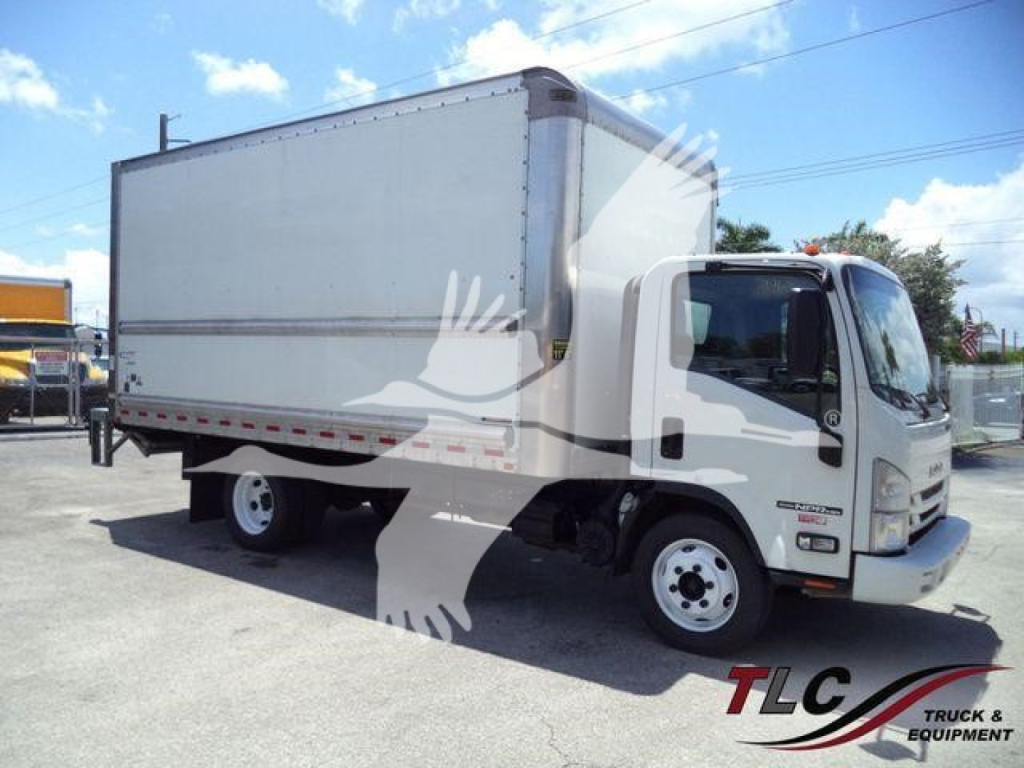
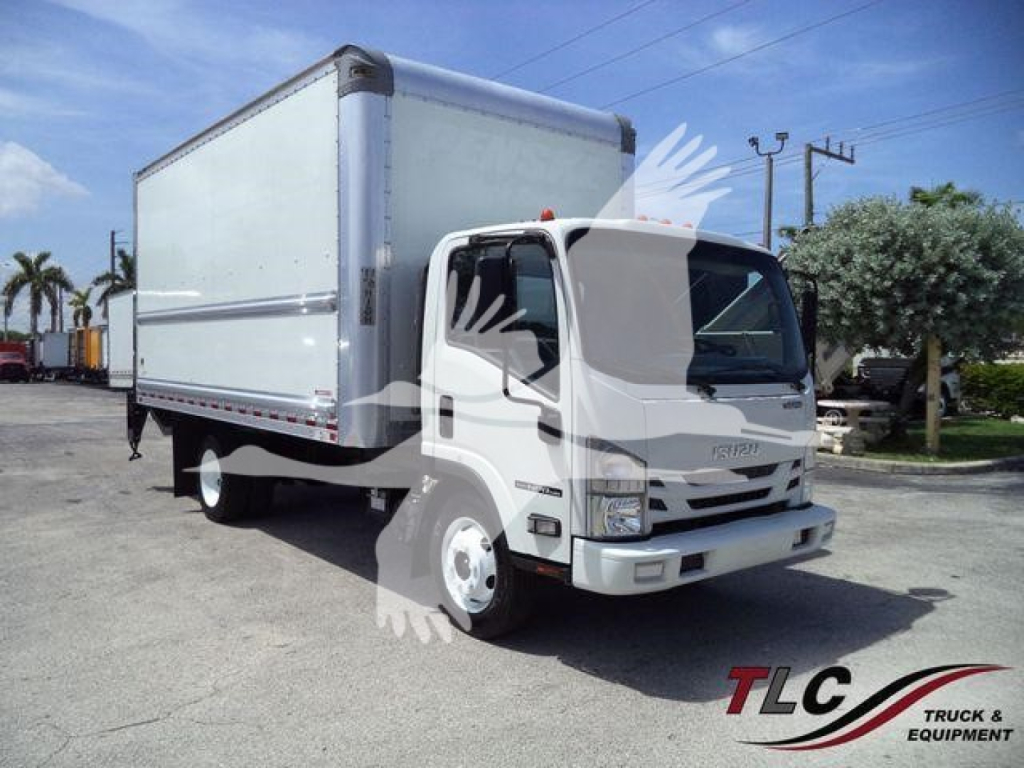
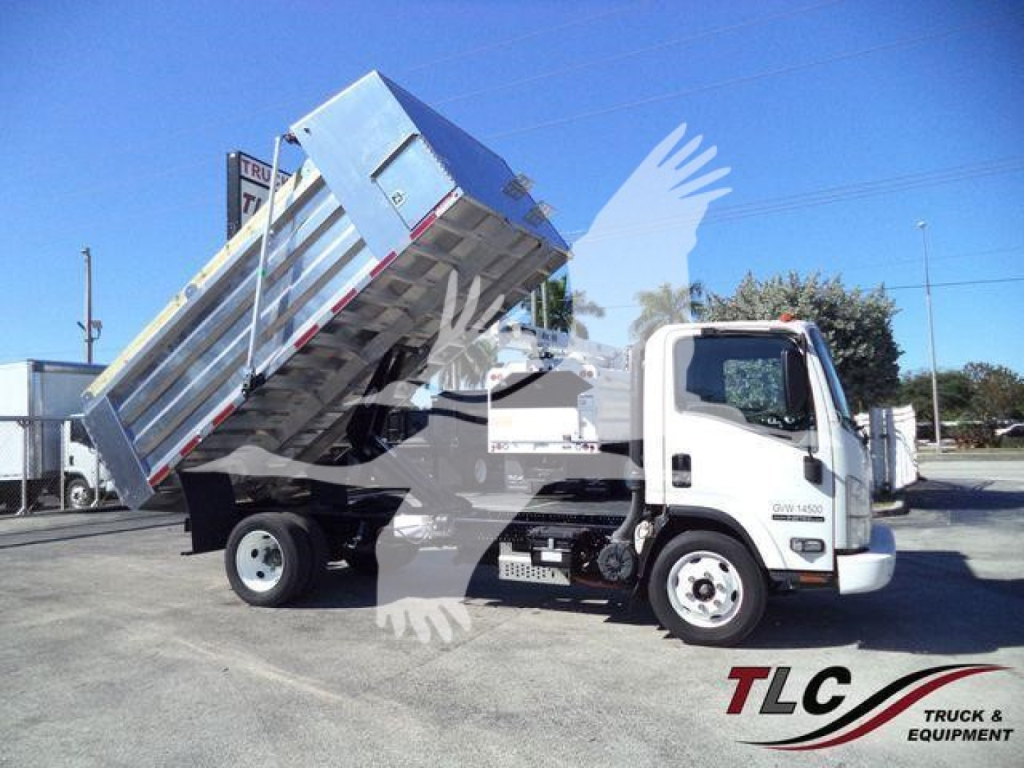
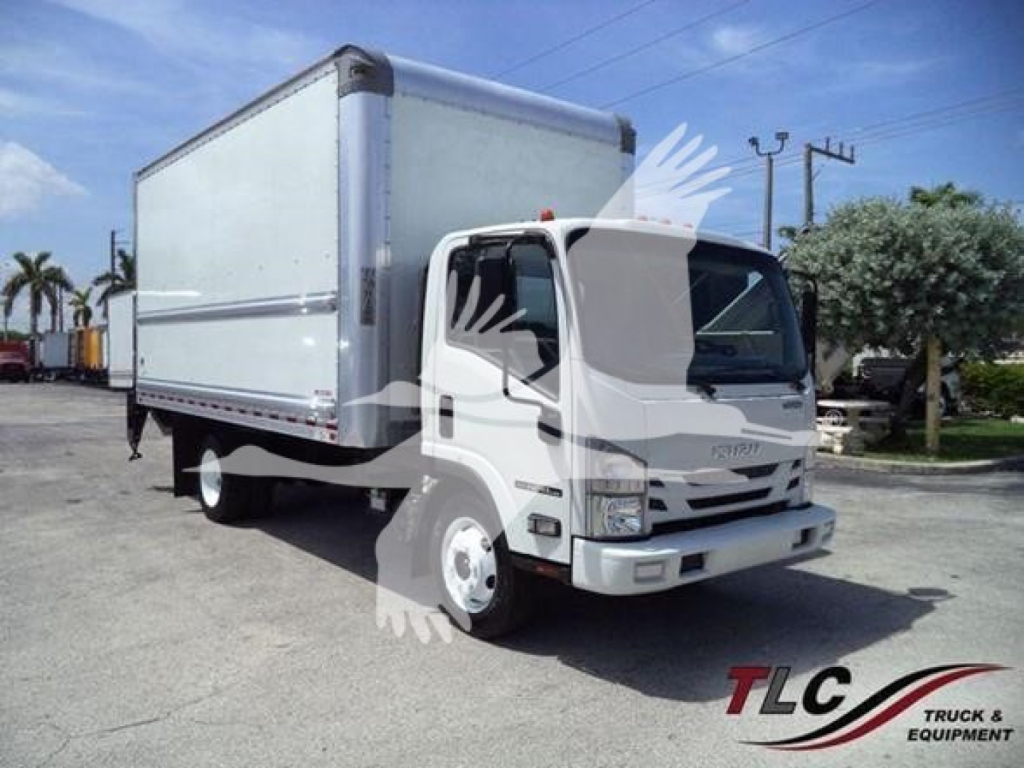
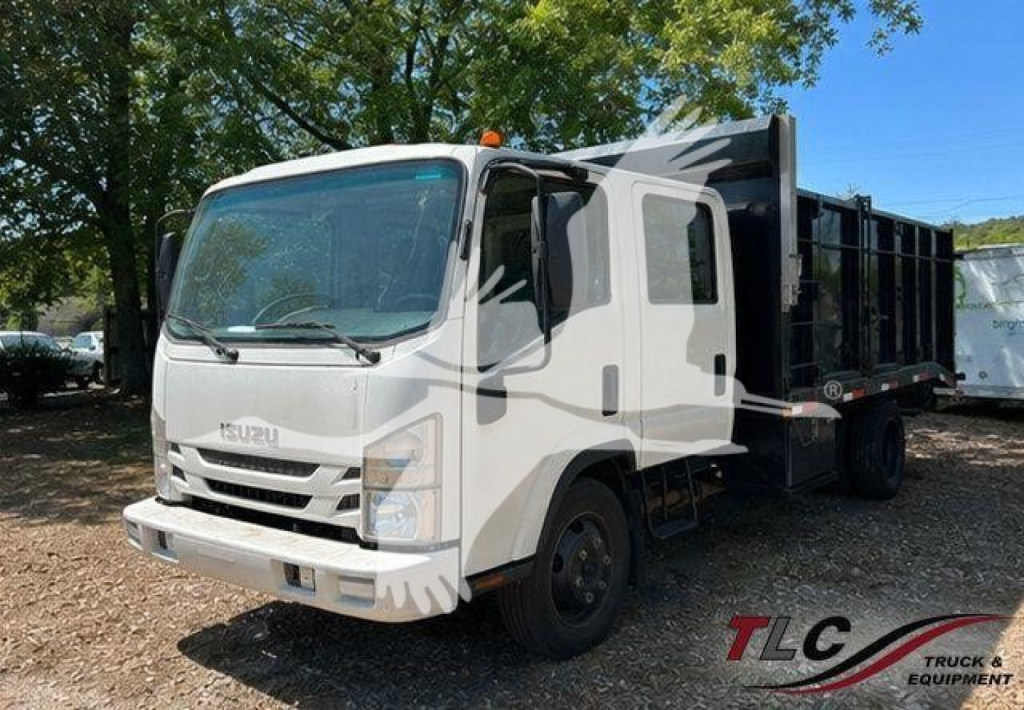
Body spec matters as much as the chassis. A used Isuzu box truck may have a 14 ft to 20 ft body, roll-up rear door, tuck-under liftgate, and interior logistics such as E-track or plywood liners. Landscape and dump configurations often include aluminum or steel bodies, barn doors, manual or electric tarps, PTO-driven hoists, trailer hitches, and toolbox packages. Hooklift and roll-off setups add another layer of value, but buyers should confirm hoist rating, container compatibility, hydraulic condition, and any PTO or electrical controls in the cab. On any used Isuzu truck, pay close attention to frame condition, front axle capacity, brake wear, suspension, tire date codes, and signs of overloading or poor body installation.
Cabover service access and visibility are major reasons fleets stay with Isuzu, but buyers should still verify maintenance history, emissions equipment condition, and parts support for the specific model year. Gas models can make sense for shorter routes and lower annual mileage, while diesel models are often favored for torque, fuel economy under load, and longer-duty cycles. If the truck already has an upfit, confirm that the body matches the intended payload, route profile, and licensing requirements. A used Isuzu truck can be an efficient platform for local and regional work if the chassis rating, wheelbase, and body spec are aligned from the start.
Frequently Asked Questions about Used Isuzu Trucks
What are the most common used Isuzu truck models and what are they used for?
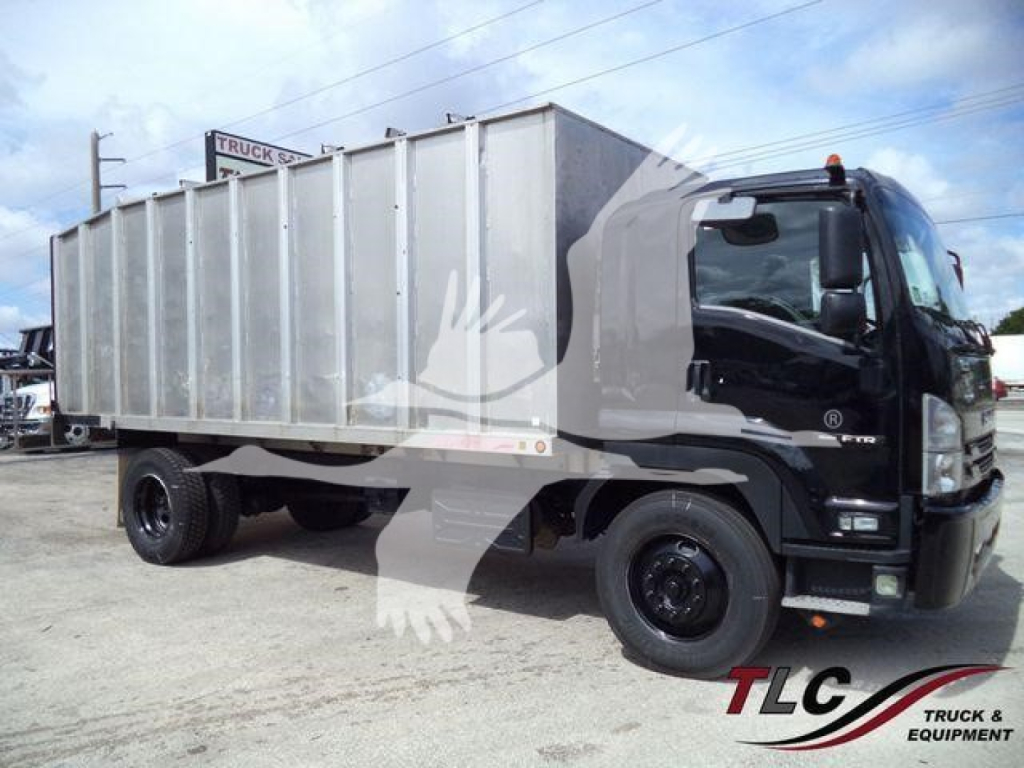
The most common used Isuzu truck models are the NPR, NPR-HD, NQR, and FTR. NPR and NPR-HD trucks are widely used for box truck delivery, service bodies, and light vocational work because they balance compact dimensions with useful payload. NQR models are a step heavier and are often used for dump, landscape, and stake applications. The FTR is a higher-GVWR medium-duty chassis commonly used for larger dump bodies, rollback carriers, reefer bodies, and other heavier upfits.
Is a gas or diesel used Isuzu truck the better choice?
The better choice depends on route type, annual mileage, payload, and maintenance strategy. Gas Isuzu trucks are often a good fit for lower-mileage local work and can be simpler for some fleets to maintain. Diesel Isuzu trucks are usually preferred when the truck runs loaded, sees frequent commercial duty, or needs more low-end torque and better fuel economy over time. On a used truck, condition and service history are often more important than fuel type alone.
What should I check before buying a used Isuzu box truck or dump truck?
Start with the chassis rating and make sure it matches the body and intended payload. Then inspect the engine, transmission, brakes, suspension, tires, frame rails, and cab structure. On box trucks, check the box floor, roof, roll-up door, liftgate, and signs of water intrusion. On dump, landscape, or hooklift trucks, inspect the PTO, hoist operation, hydraulic lines, cylinder seals, body mounts, hinge points, and rear door hardware. A poor upfit or an overloaded history can shorten the life of even a solid chassis.
Why are Isuzu cabover trucks popular for local delivery and urban routes?
Isuzu cabover trucks are popular for urban work because they offer excellent visibility, a short overall length for the amount of body they can carry, and a tight turning radius. That makes them easier to position in alleys, loading docks, residential streets, and crowded commercial areas. The low cab height and easy entry also help on routes with frequent stops, which is one reason these trucks are common in delivery, moving, and service applications.
How important is cab-to-axle length on a used Isuzu truck?
Cab-to-axle length is critical because it determines what body length and body type the chassis can properly accept. A mismatch between wheelbase, cab-to-axle, and body length can hurt weight distribution, turning, and legal axle loading. If a used Isuzu truck already has a body installed, confirm that the body size is appropriate for the chassis and that the truck can still carry the payload you need without exceeding GVWR or axle ratings.