
Isuzu Trucks For Sale in Texas
Browse Isuzu trucks for sale in Texas, including NPR, NRR, and FTR models with diesel or gas power for box, stake, and chassis applications.
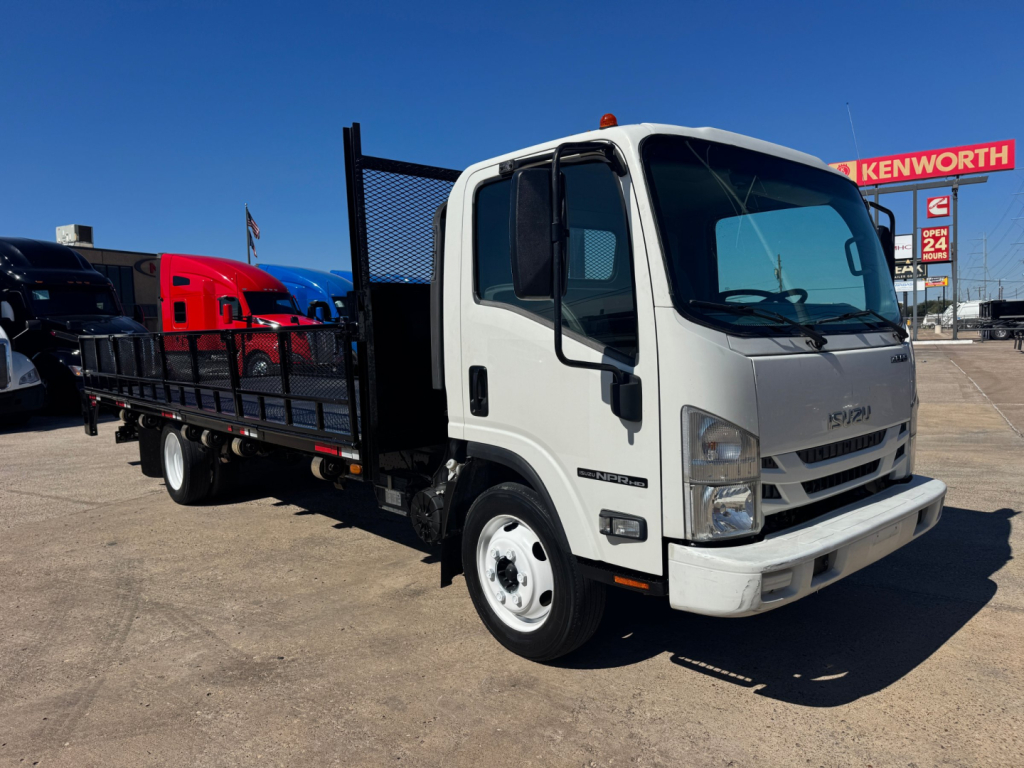
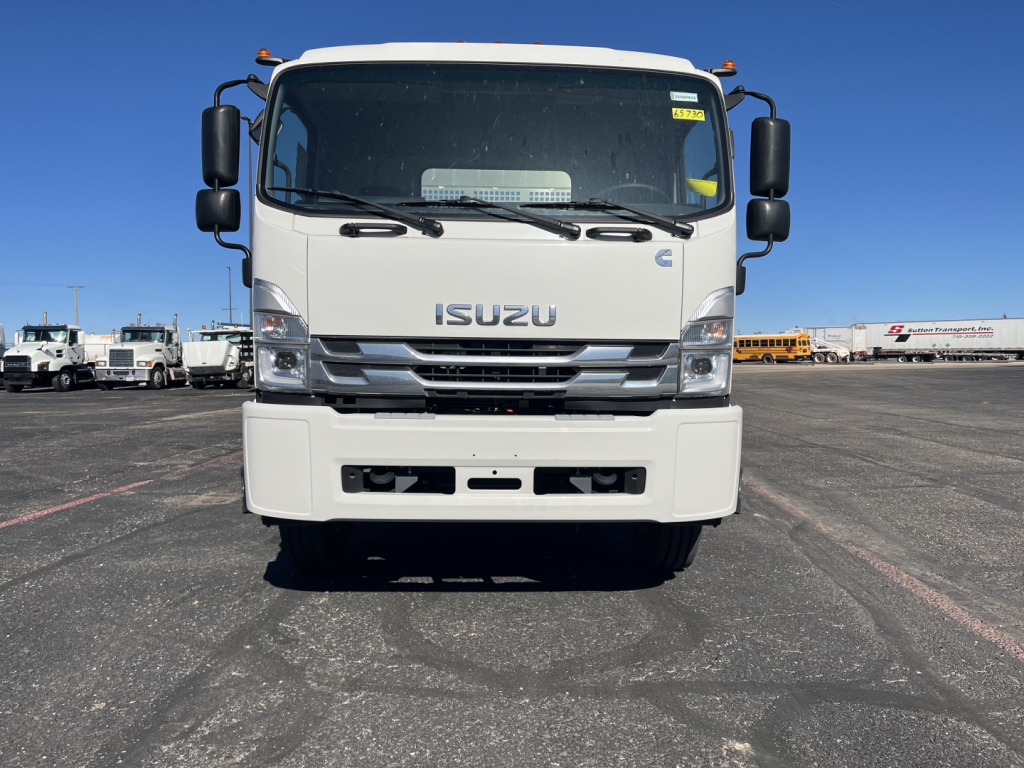
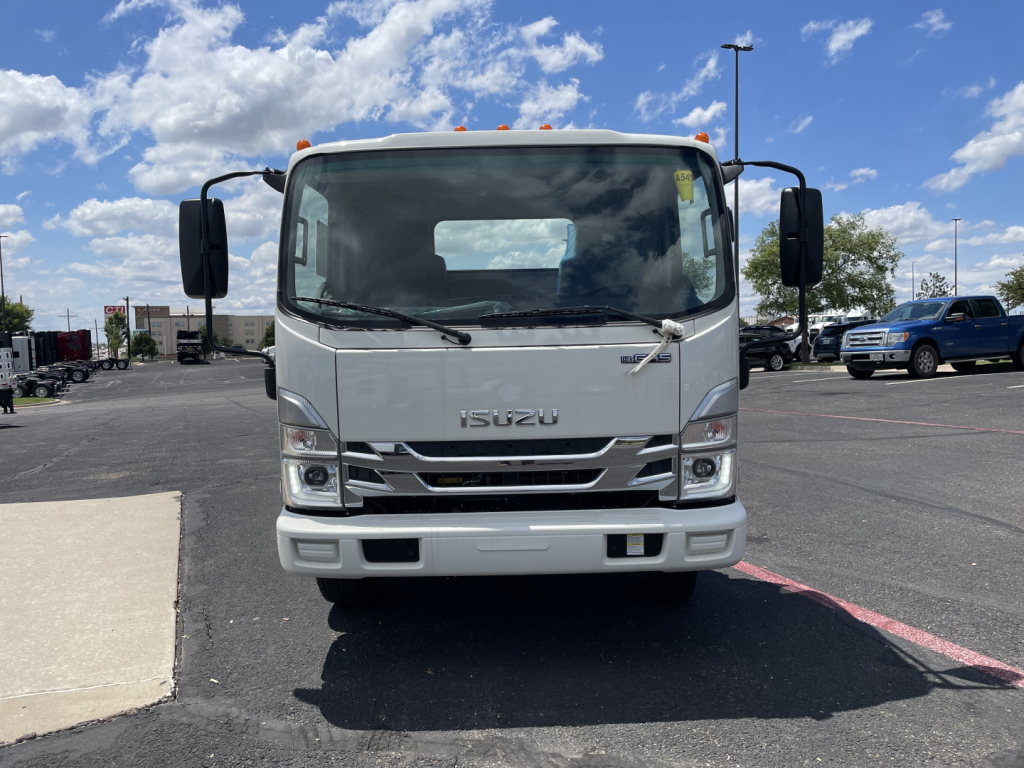
Selling a isuzu truck? List your isuzu truck for sale and reach thousands of commercial buyers.
Isuzu Trucks in Texas
A buyer should start with GVWR, engine type, and body plan. NPR and NPR HD models are common in the Class 4 and 5 range, often set up for parcel, furniture, route delivery, and service applications. NRR trucks push into heavier Class 5 capability and are often chosen when payload and body capacity matter more. FTR models move into Class 6 territory and are better suited for larger stake beds, heavier van bodies, reefer bodies, landscape supply work, and municipal use. Depending on model year and spec, power can come from Isuzu diesel engines such as the 4HK1 series, gas V8 platforms paired with Allison automatics, or larger diesel options in the FTR. Rear axle ratios, commonly in the low-to-mid 4s or mid-5s, affect launch, gradeability, and highway rpm, so they should match the route profile and expected payload.
Body and chassis details matter as much as the badge. Texas buyers often compare wheelbase, cab-to-axle, and axle ratings first because those numbers determine what body can be mounted and how the finished truck will carry weight. Box trucks in this class commonly run 14-foot to 20-foot bodies with roll-up doors, wood floors, E-track, scuff liners or scuff plates, and translucent roofs. Cab and chassis units are frequently selected for dry van, reefer, flatbed, stake, dump, or contractor body installs. Suspension can be spring or air depending on model and intended service. Single rear axle configurations dominate this category, and automatic transmissions are the norm because they reduce driver fatigue and simplify stop-and-go route work.
For Texas operations, cooling performance, uptime, and service access should be part of the buying decision. Isuzu has a long foothold in vocational and last-mile fleets, so parts availability, familiar controls, and straightforward maintenance are part of the appeal. Buyers comparing used units should pay close attention to body condition, door hardware, floor wear, rust at body mounts, and signs of overloading, especially on delivery trucks with frequent stop cycles. On cab and chassis models, confirm wheelbase, front and rear axle capacities, PTO compatibility if needed, and emissions equipment history on diesel trucks. The right Isuzu truck is usually the one that matches payload, body length, turning radius, and route density without paying for more chassis than the job requires.
Frequently Asked Questions about Isuzu Trucks in Texas
What are the main differences between Isuzu NPR, NPR HD, NRR, and FTR trucks?
The main differences are weight class, axle capacity, and intended body size. NPR and NPR HD models are common choices for lighter to mid-range delivery and service work, with the HD version typically offering more capacity than a standard NPR. NRR models step up in GVWR and payload capability while keeping the cabover format that many route fleets prefer. FTR trucks move into a heavier Class 6 platform and are better suited for larger bodies, heavier cargo, and more demanding vocational applications such as stake beds, reefer bodies, and municipal work.
Are Isuzu trucks good for box truck and delivery applications in Texas?
Yes. Isuzu cabover trucks are widely used for box truck, dry freight, and local delivery work in Texas because they offer excellent maneuverability, good visibility, and efficient packaging for urban and regional routes. The short overall length relative to body size is a real advantage in city traffic, alleys, loading docks, and tight customer locations. Many units are also spec'd with automatic transmissions, roll-up rear doors, E-track, scuff protection, and wheelbases that work well with common 14-foot to 20-foot van bodies.
Should I choose a gas or diesel Isuzu truck?
That depends on your duty cycle, annual miles, payload, and maintenance strategy. Gas-powered Isuzu trucks can make sense for lighter local routes, lower annual mileage, and fleets that want simpler emissions systems and familiar service parts. Diesel Isuzu trucks are often preferred for higher mileage, heavier payloads, and applications that benefit from diesel torque and long-term fuel efficiency. The decision should be based on route density, idle time, loaded weight, and total operating cost rather than engine preference alone.
What specs matter most when buying an Isuzu cab and chassis?
The most important specs are GVWR, wheelbase, cab-to-axle dimension, front and rear axle ratings, engine and transmission combination, rear axle ratio, and suspension type. Those numbers determine what body can be installed, how the truck will carry weight, and how it will perform on local versus highway routes. Buyers planning a van body, reefer, stake bed, flatbed, or specialty upfit should verify these dimensions early because even a small mismatch in wheelbase or axle capacity can limit body options or reduce payload efficiency.
What should I inspect on a used Isuzu box truck?
Focus on both the chassis and the body. On the truck itself, review maintenance records, mileage, transmission operation, brake condition, tire wear, suspension wear, and any diesel emissions service history if applicable. On the body, inspect the floor, roof, corners, roll-up door, seals, scuff liners, threshold plate, and body mounts for damage or water intrusion. Delivery trucks often live hard stop-and-go lives, so signs of repeated overloading, curb impact, and rear frame stress deserve close attention.