
Used 2024 International Trucks For Sale
Shop used 2024 International trucks with insight on LT, RH, HX and medium-duty specs, engines, axle ratings, cab setups, and fleet use.
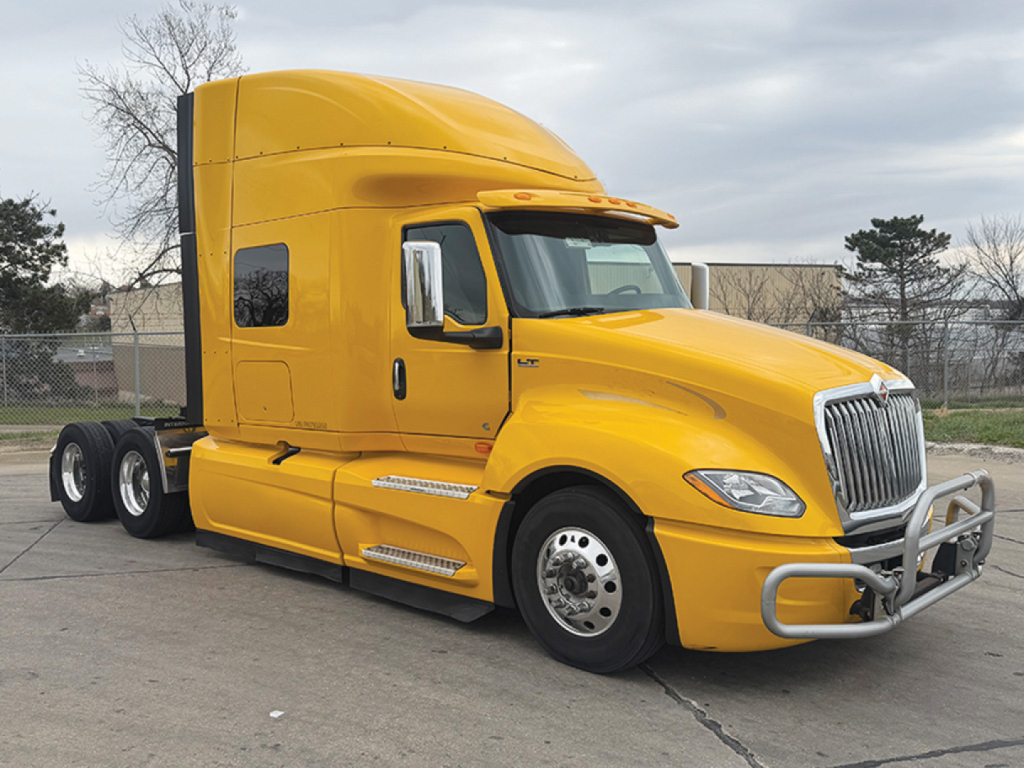
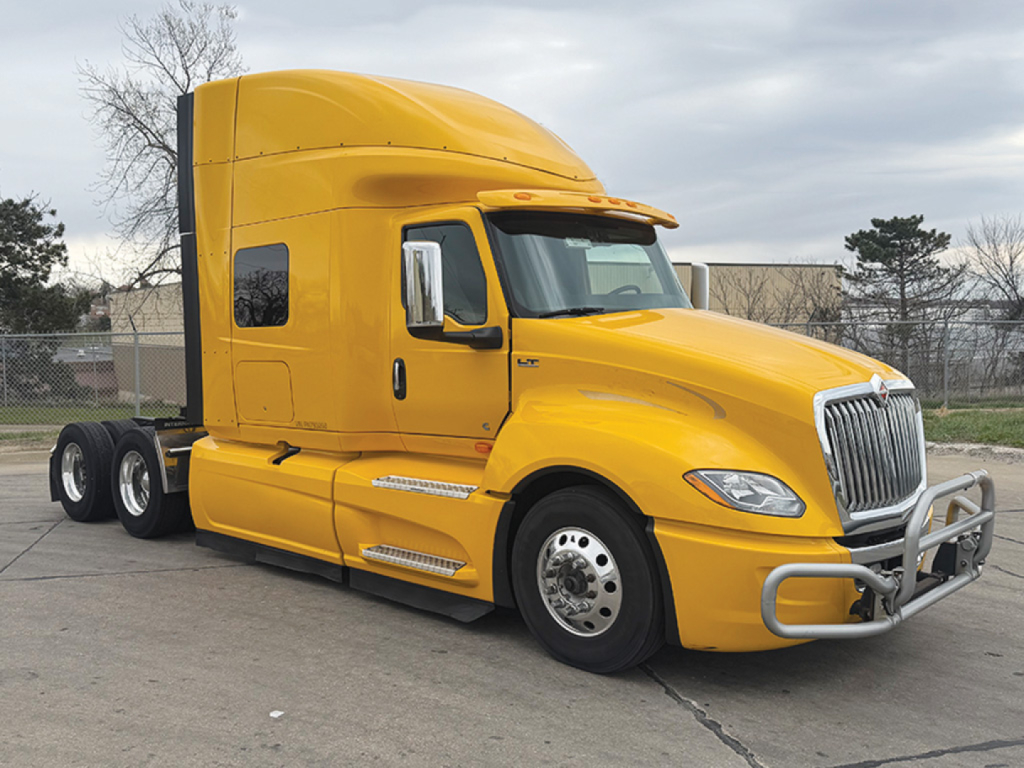
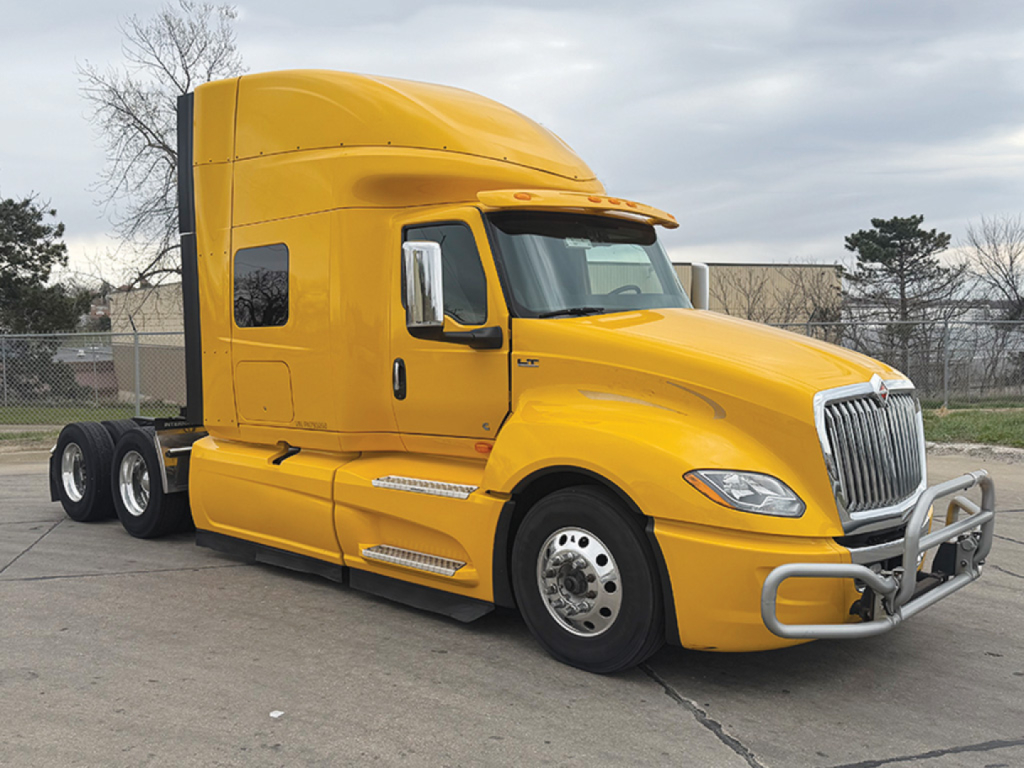
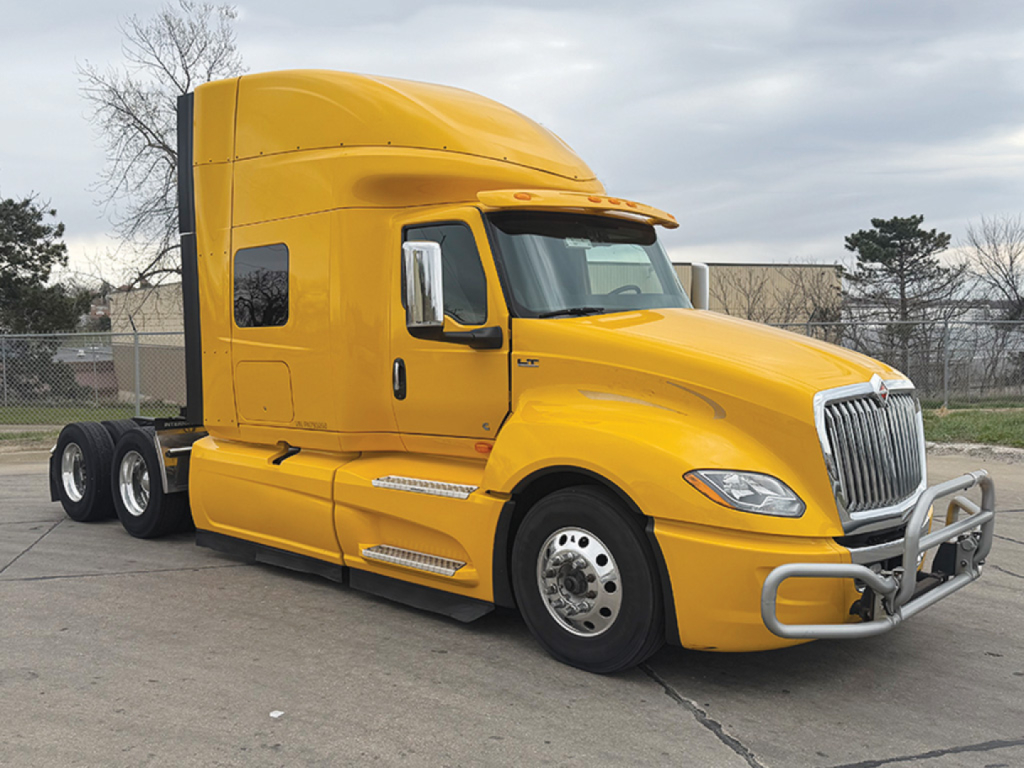
Selling a used 2024 international truck? List your used 2024 international truck for sale and reach thousands of commercial buyers.
Used 2024 International Trucks
The first buying decision is usually application, not badge. A used 2024 International LT day cab or sleeper is built around on-highway efficiency, wheelbase flexibility, and common fleet specs such as 6x4 tandem drives, air ride suspension, integrated collision mitigation, and automated manual or fully automatic transmissions depending on vocation. Engines typically include the International A26 or Cummins X15 in heavier highway units, while medium-duty models may use Cummins B6.7 or L9 power depending on GVWR and body equipment. Buyers should look closely at horsepower and torque ratings, rear axle ratio, wheelbase, and fifth wheel position because those specs determine startability, cruise rpm, bridge compliance, and trailer compatibility more than model name alone.
For straight trucks and vocational chassis, body and upfit details matter as much as the cab and drivetrain. A 2024 International MV or HX may be configured with PTO provisions, double frame reinforcement, front engine PTO capability, snow and ice equipment prep, dump hydraulics, liftgate circuits, air brake or hydraulic brake systems, and varying cab-to-axle dimensions. If the truck is intended for a van body, flatbed, service body, or dump bed, confirm frame height, rear suspension capacity, front axle loading, and any existing electrical integration. On used units, fleet-maintained trucks with documented telematics history, regen and aftertreatment service records, and known idle hours tend to be easier to evaluate than lightly described owner-operator trades.
Late-model used 2024 International trucks also deserve a close review of emissions and driver-assist systems. Check for active fault history, SCR and DPF service events, calibration updates, adaptive cruise or collision mitigation functionality, and any warranty carryover that may still apply. In highway tractors, inspect cab condition, seat wear, fairings, fuel capacity, and tire spec to see if the truck was set up for regional lanes or longer haul. In medium-duty and vocational units, pay attention to PTO operation, body mount integrity, brake type, and turning radius. A used 2024 International can be a strong fit when the spec matches the route, payload, and body requirement, especially for buyers who want a current-generation truck without the lead time and first-owner depreciation of a new one.
Frequently Asked Questions about Used 2024 International Trucks
What are the most common 2024 International truck models on the used market?
The most common used 2024 International trucks usually include the LT for highway tractor work, the RH for regional haul, the HX for severe-duty and vocational applications, and the MV for medium-duty delivery and municipal work. The model alone does not tell the full story, because each can be ordered with very different axle ratings, wheelbases, engine ratings, suspensions, and cab configurations. Buyers should match the exact chassis spec to the job instead of assuming all trucks within the same model line are interchangeable.
Which engines are commonly found in used 2024 International trucks?
Used 2024 International trucks commonly show up with the International A26, Cummins X15, Cummins L9, or Cummins B6.7 depending on class and application. The A26 is typically seen in on-highway Class 8 tractors where fuel economy and lighter engine weight matter. The X15 is common in heavier tractor specs and some demanding vocational applications. The L9 and B6.7 are more common in medium-duty trucks where PTO use, delivery routes, and body equipment are major factors. Engine rating should be evaluated together with transmission, rear axle ratio, and GCWR.
Is a used 2024 International truck a good choice for fleet buyers?
A used 2024 International truck can be a very practical fleet purchase when standardization, serviceability, and driver familiarity are priorities. Many fleets already support International platforms, which can simplify diagnostics, parts stocking, technician training, and spec consistency across multiple units. The main advantage of a recent-model used truck is avoiding the steepest early depreciation while still getting modern safety systems, current emissions equipment, and late-generation cab ergonomics. The best value usually comes from units with complete maintenance records and a spec that closely matches the intended duty cycle.
What should I inspect first on a used 2024 International highway tractor?
Start with the build spec and operating history. Confirm engine model, horsepower, transmission type, rear axle ratio, suspension, wheelbase, and fifth wheel setup, then compare those details to the trailers and lanes the truck will run. After that, review fault codes, aftertreatment history, tire wear pattern, brake condition, and any signs of collision or fairing damage. For fleet tractors, idle hours, telematics records, and maintenance documentation can reveal more about future reliability than odometer reading by itself.
What matters most when buying a used 2024 International straight truck or vocational chassis?
The most important factors are body compatibility, axle capacity, PTO readiness, brake system type, and cab-to-axle measurement. A straight truck or vocational chassis has to support the intended body and payload without creating front axle overload, poor turning clearance, or hydraulic and electrical integration problems. Buyers should also verify frame condition, upfitter wiring, suspension rating, and any existing hydraulic equipment. If the truck already carries a dump, van body, service body, or stake bed, inspect the body mounts and PTO operation as closely as the engine and transmission.