
Used 2024 Hooklift Trucks For Sale
Shop used 2024 hooklift trucks for sale, including under-CDL and medium-duty setups with versatile body-swapping capability.
Learn more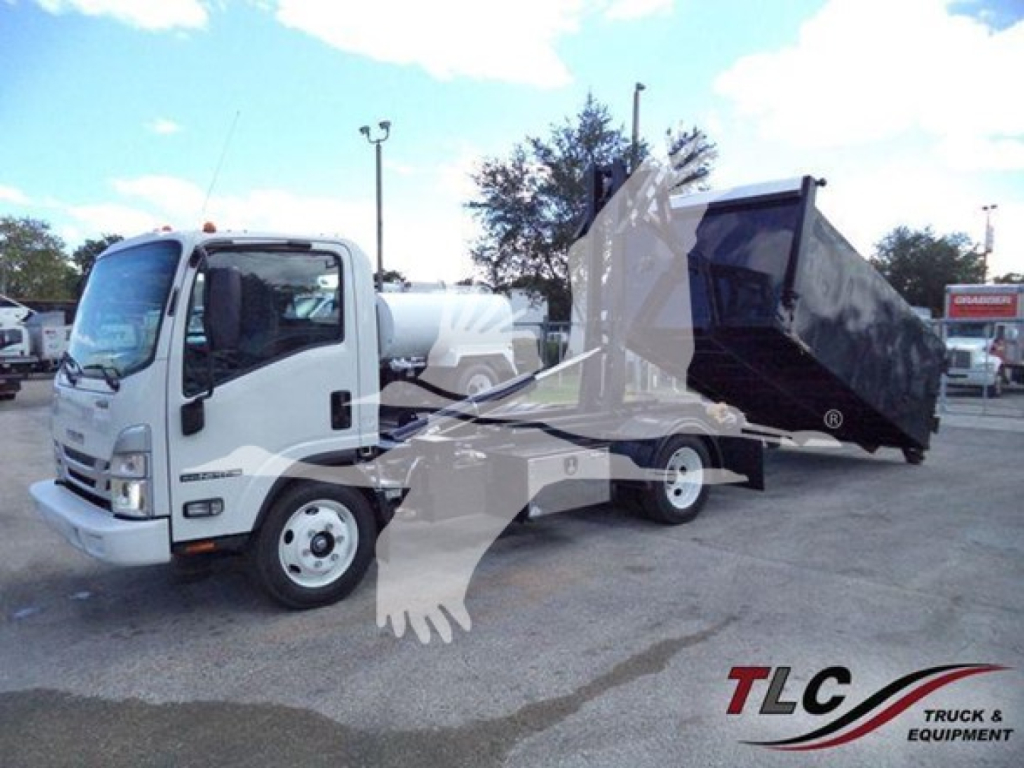
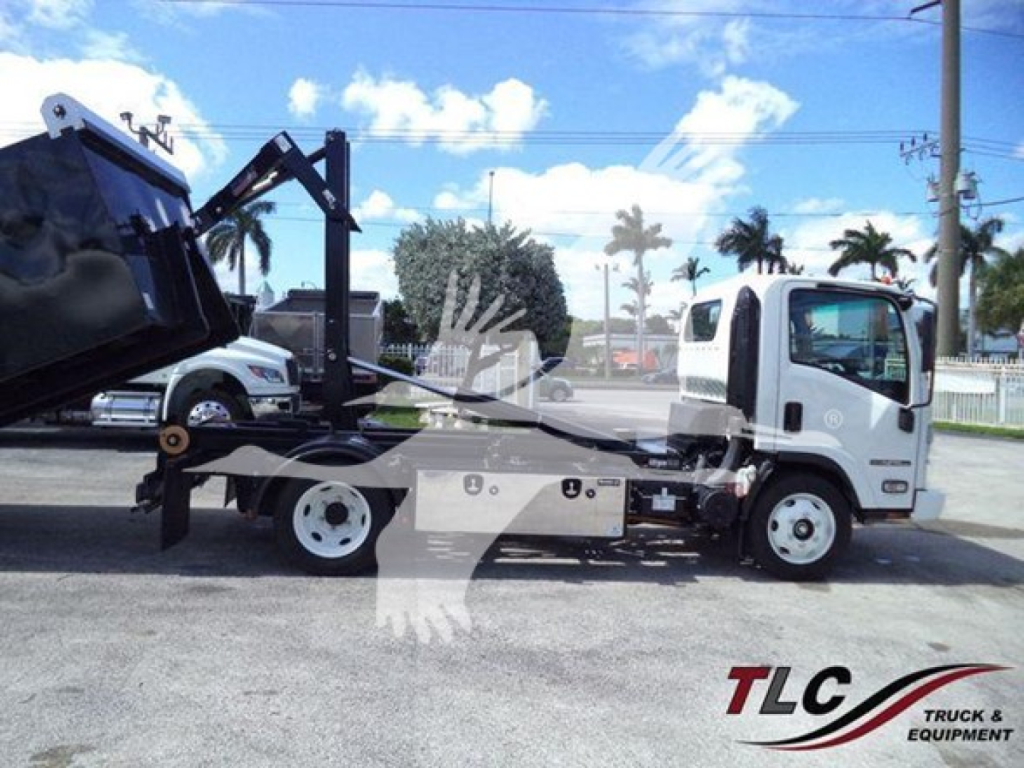
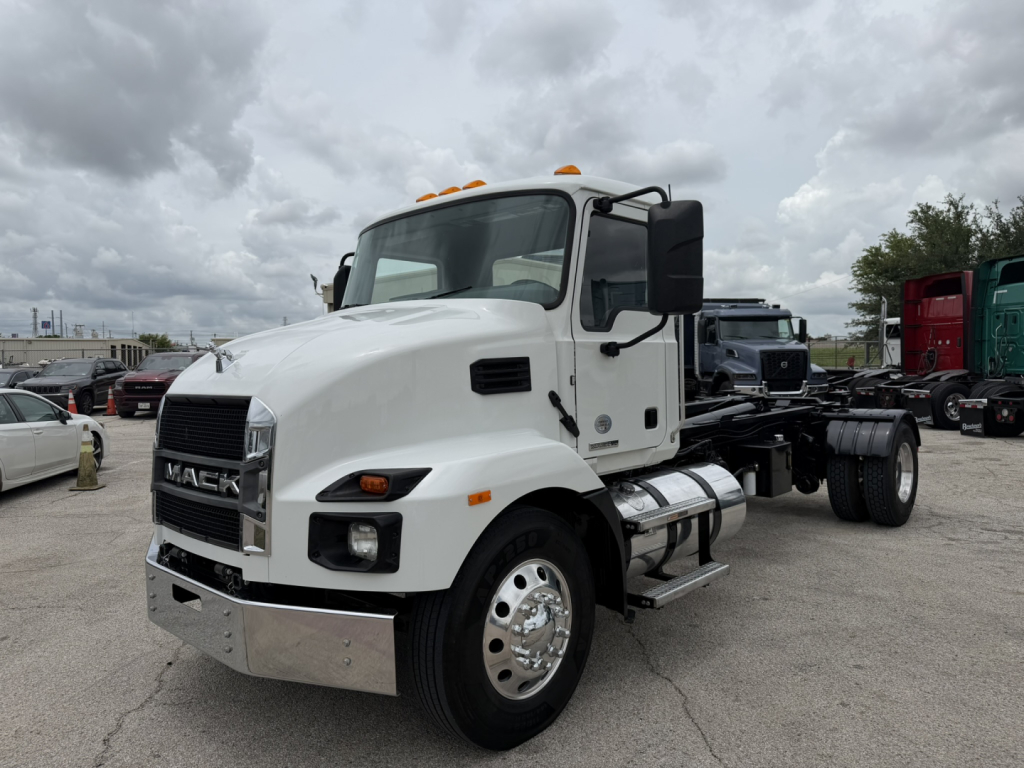
Have used 2024 hooklift truck to sell? List it here to reach thousands of buyers.
About Used 2024 Hooklift Trucks
On 2024-model hooklift trucks, buyers often focus first on capacity, hook height, and chassis class. Common setups range from under-CDL medium-duty trucks to heavier Class 6 through Class 8 units, depending on container size and payload requirements. A lighter truck with a 20,000 to 26,000 GVWR can make sense for urban routes, landscape supply, and municipal departments trying to stay below CDL thresholds. Heavier configurations are better suited for scrap, construction debris, dense materials, and larger cans. Popular specifications include automatic transmissions, diesel power, PTO-driven hydraulics, spring or air suspension, and wheelbases matched to the intended container length.
Hydraulic performance and body compatibility matter as much as engine and transmission choice. Buyers should confirm hooklift rating, jib type, hook center, dump angle, and rail length against the containers they already own or plan to add. A mismatched hook height or body length can create loading issues, poor weight distribution, and reduced stability. It is also worth checking for live-drive PTO operation, in-cab controls, tarping systems, pintle or combo hitches, backup cameras, toolboxes, fenders, and auxiliary lighting. If the truck will see frequent loading on uneven ground, frame reinforcement, rear roller design, and hoist geometry deserve close attention.
Condition on a used 2024 hooklift truck should be evaluated around the hydraulic system, not just mileage. Look for clean cylinder operation, minimal leakage, straight rails, low wear at the hook and pivot points, and no visible frame cracking around body mounts or hoist attachment areas. Review service records for PTO, pump, hoses, and valve maintenance, and confirm the truck has been operated with bodies within its rated limits. For buyers comparing multiple listings, the best value usually comes from matching lift capacity, chassis GVWR, and body interchangeability to the actual work cycle rather than simply choosing the newest cab or lowest odometer reading.
Frequently Asked Questions
What is a hooklift truck used for?
A hooklift truck is used to load, transport, and unload interchangeable bodies or containers on a single chassis. Common applications include debris removal, scrap hauling, landscape material delivery, municipal cleanup, equipment transport, and contractor fleets that need flatbeds, dumpsters, or dump bodies to be swapped quickly throughout the day.
Can a 2024 hooklift truck be spec'd to stay under CDL?
Yes, some 2024 hooklift trucks are built on medium-duty chassis with GVWR ratings at or below 26,000 pounds, which can help operators stay under CDL requirements in many situations. That said, actual licensing needs depend on the truck's GVWR, trailer use, local regulations, and the type of work being performed, so the door sticker and final chassis rating should always be verified before purchase.
What specs matter most when buying a used hooklift truck?
The most important specs are hooklift capacity, chassis GVWR, hook height, rail length, wheelbase, hydraulic setup, and compatibility with your containers or bodies. Buyers should also look at transmission type, PTO configuration, suspension, axle ratings, and the truck's intended payload. A truck that matches your existing body inventory will usually deliver better uptime and lower operating cost than a unit with higher horsepower but poor body fitment.
How do hooklift trucks differ from cable roll-off trucks?
Hooklift trucks use a hydraulic arm with a hook to pick up and set down bodies, while cable roll-off trucks use a cable and hoist system designed mainly for roll-off containers. Hooklift systems are typically faster when changing between multiple body types and are more versatile for mixed-use fleets. Cable roll-off setups are often favored for straightforward waste container work with standardized cans.
What should I inspect on a used 2024 hooklift truck before buying?
Inspect the hydraulic cylinders, pump, valves, hoses, hook assembly, rear rollers, and pivot points for leaks, excessive wear, or signs of overload. Check the frame for cracks or repairs near the hoist mounts, verify smooth loading and dumping operation, and confirm that the truck's hook height and rail dimensions match the bodies you intend to use. Service history, PTO operation, and evidence of proper fleet maintenance are just as important as mileage on this equipment class.