
Used 2019 Hino Trucks For Sale
Shop used 2019 Hino trucks with diesel power, medium-duty specs, and body options for delivery, towing, service, and vocational work.
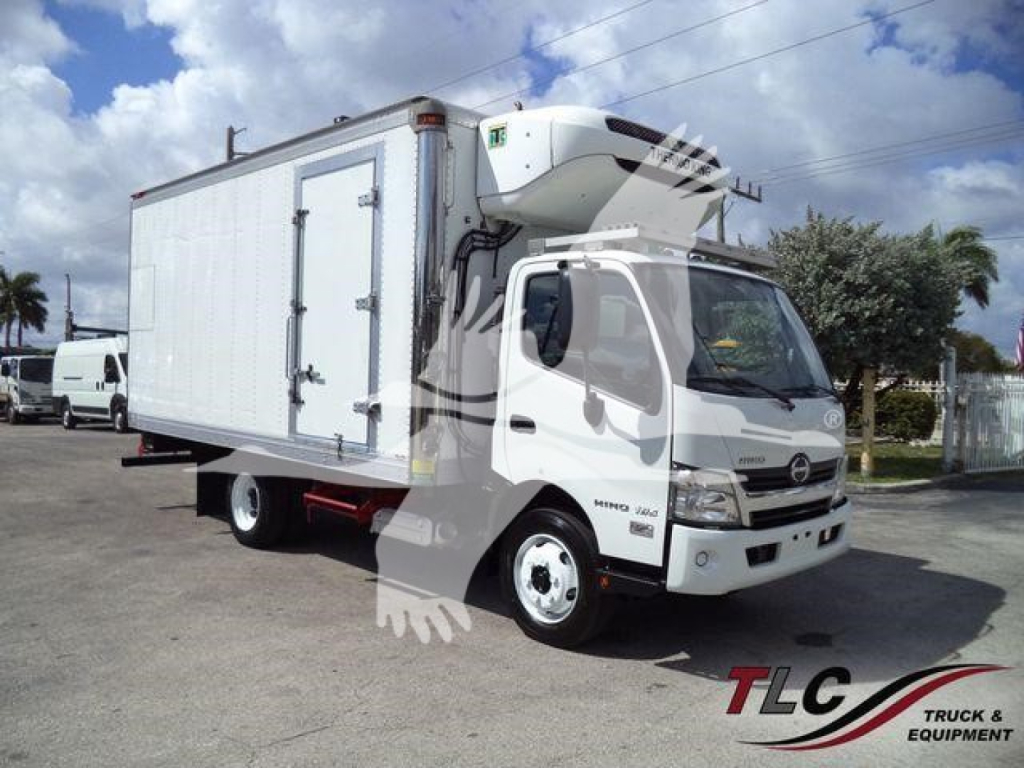
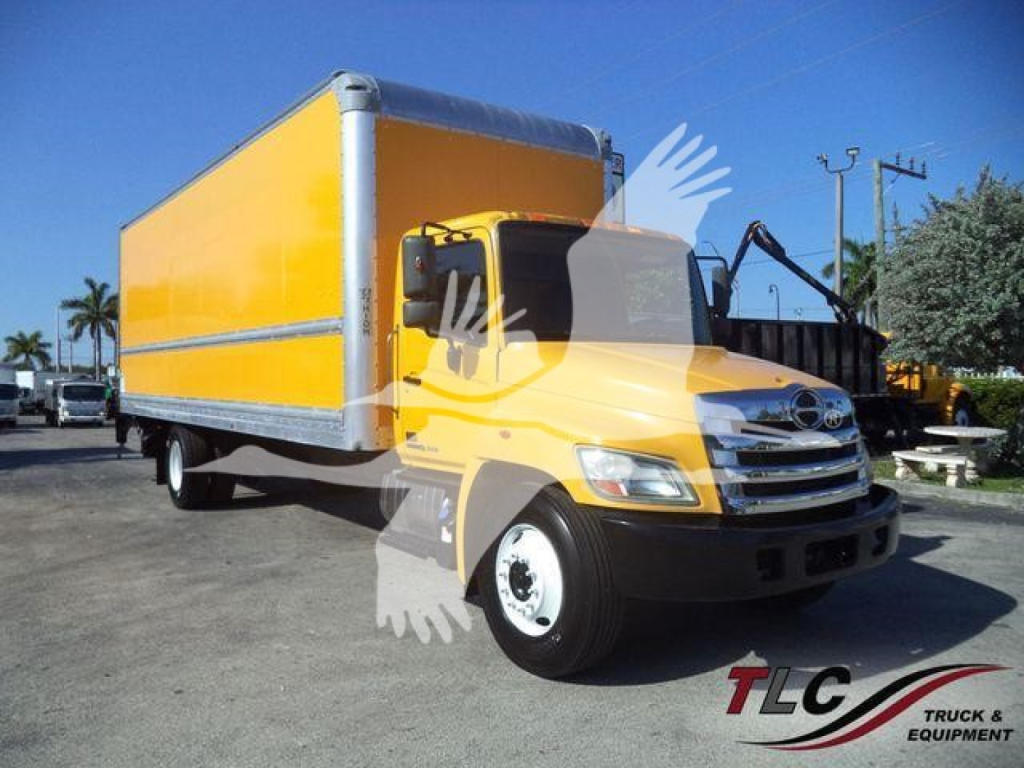
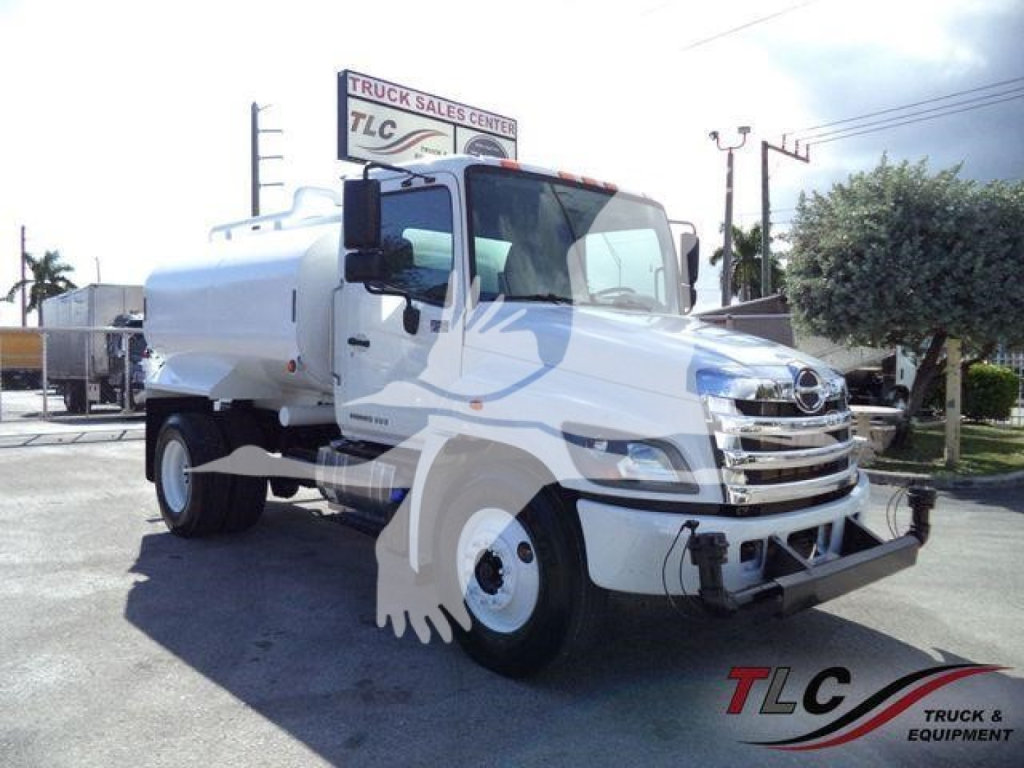
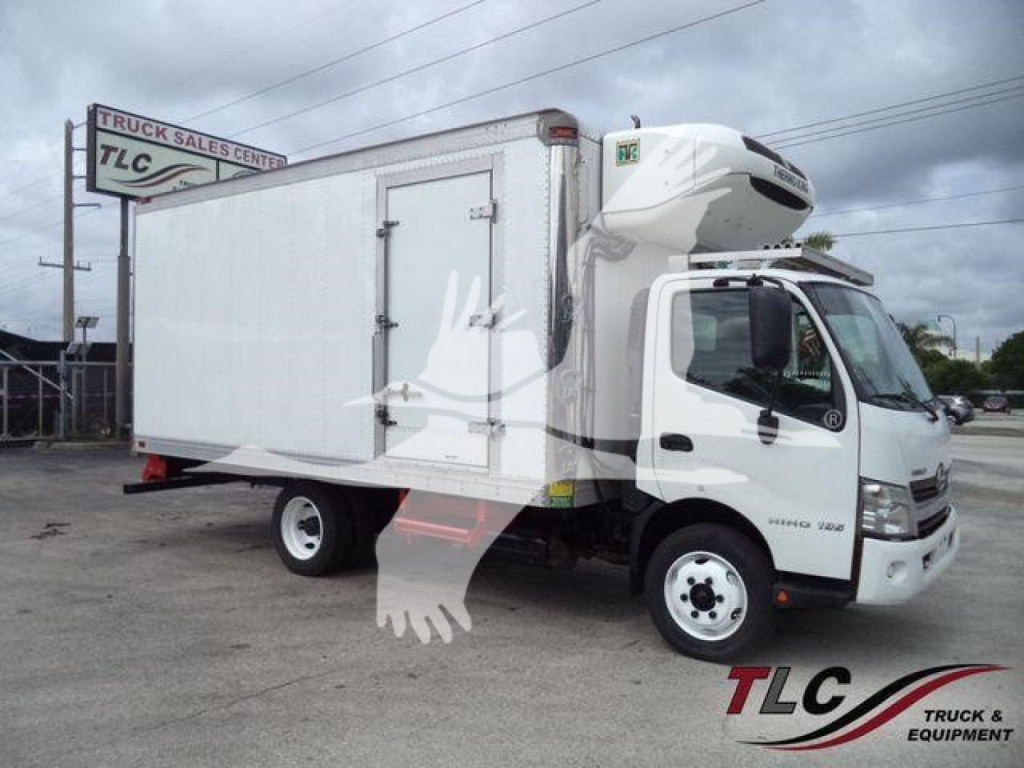
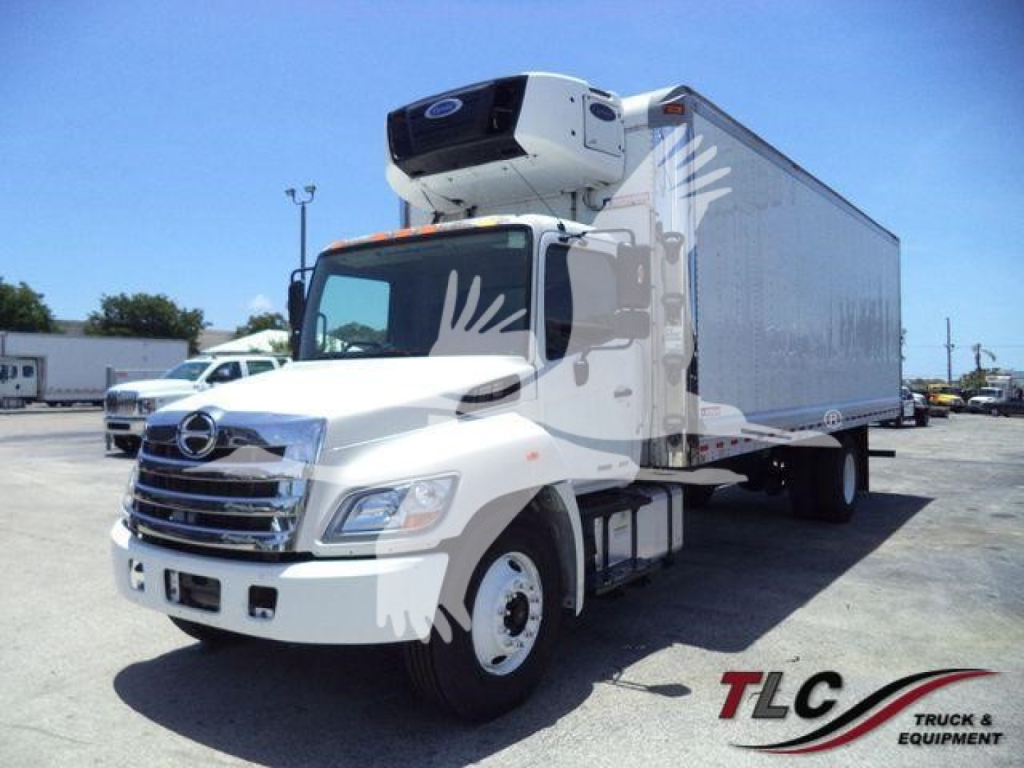
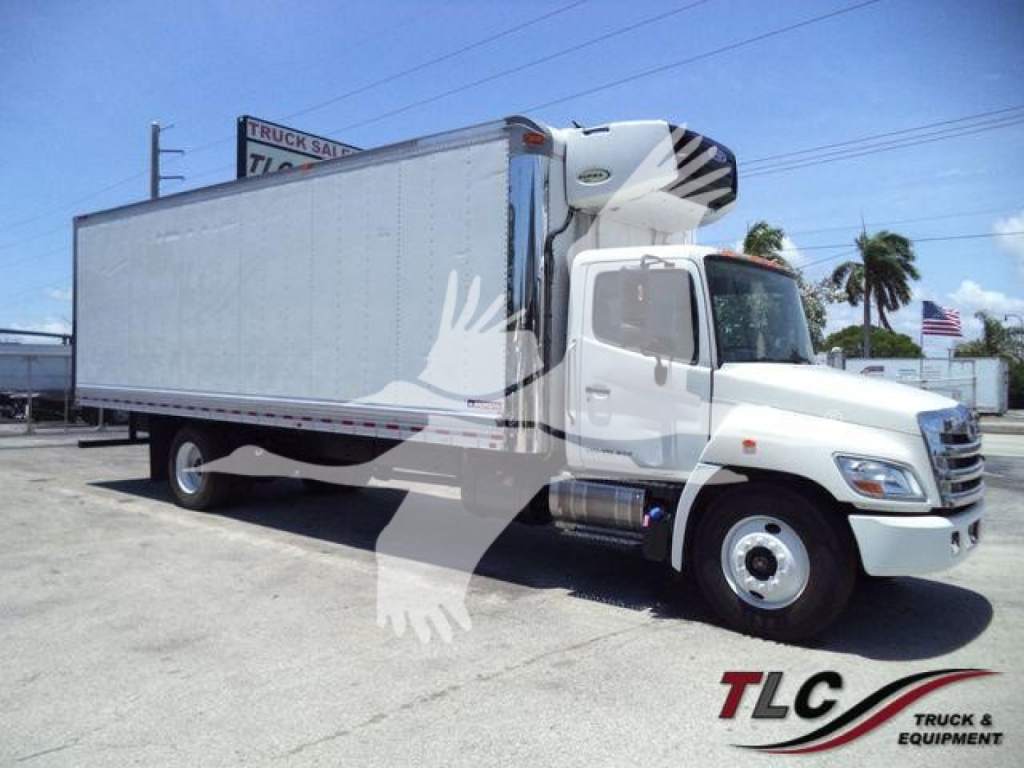
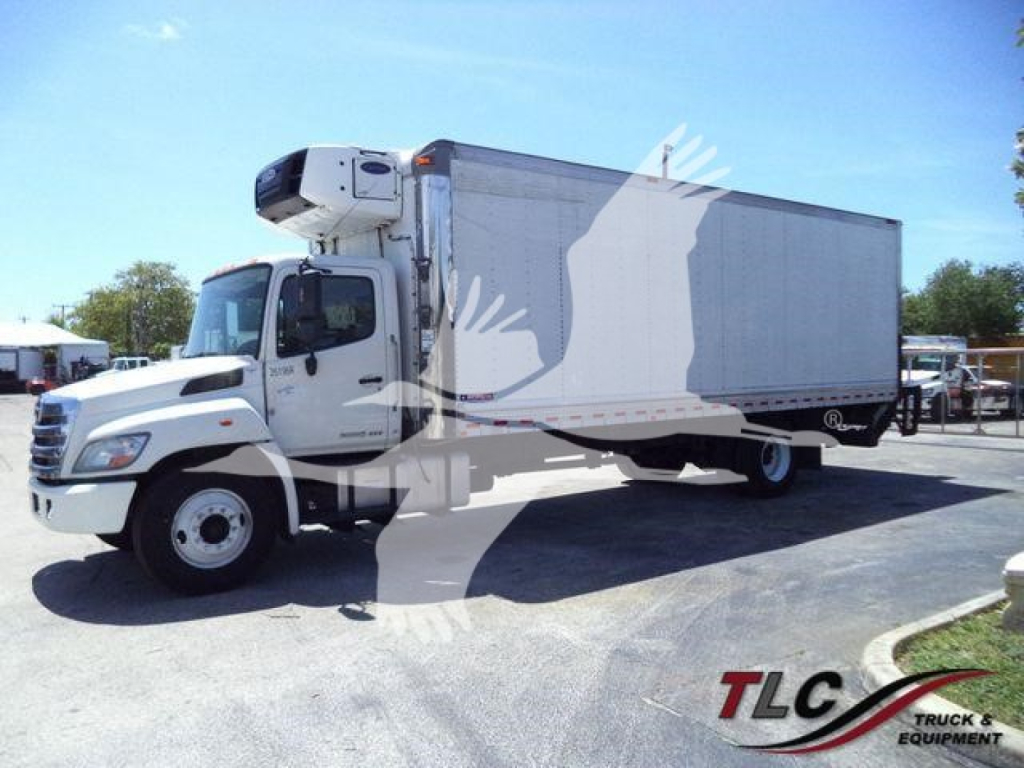
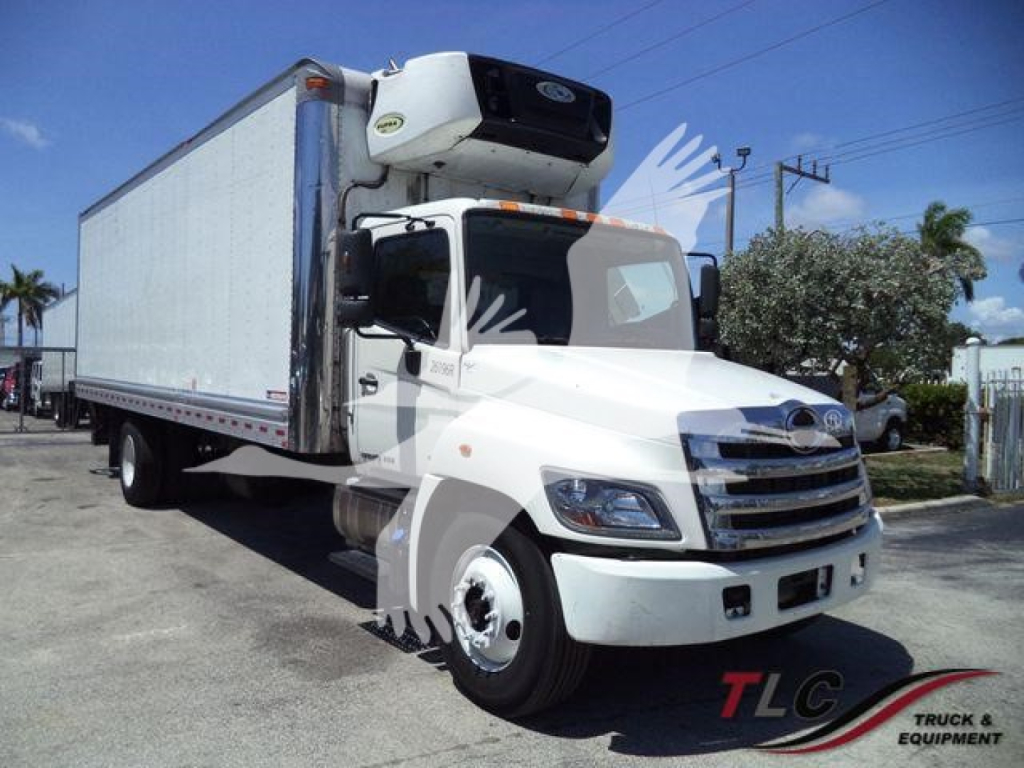
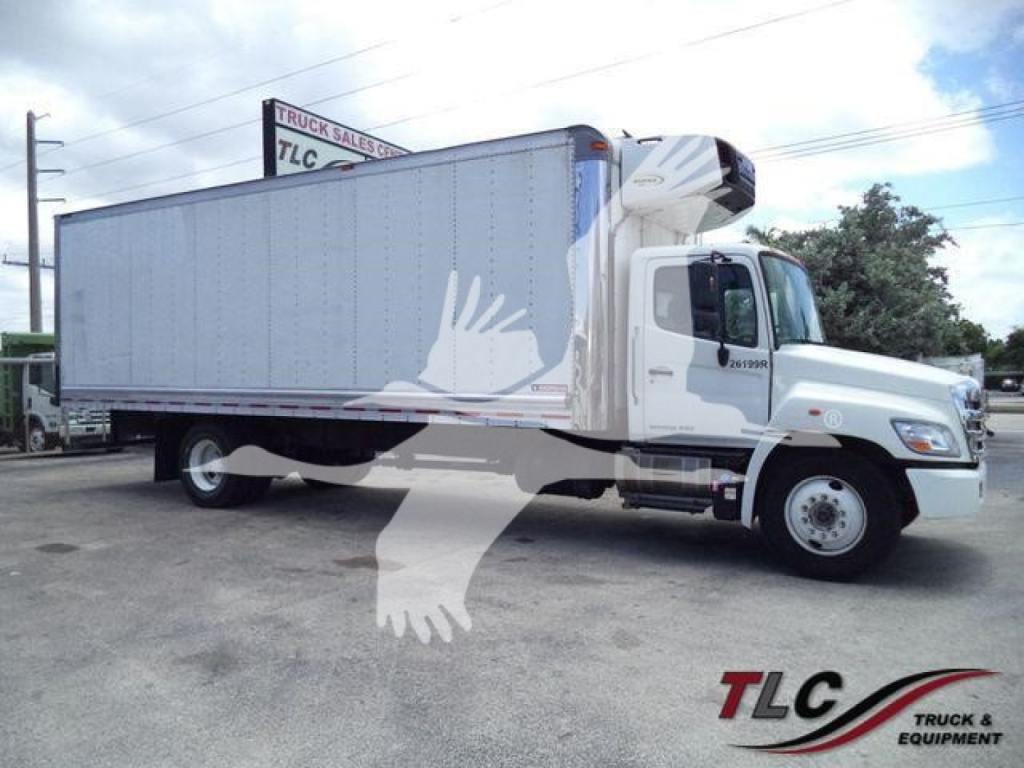

Selling a used 2019 hino truck? List your used 2019 hino truck for sale and reach thousands of commercial buyers.
Used 2019 Hino Trucks
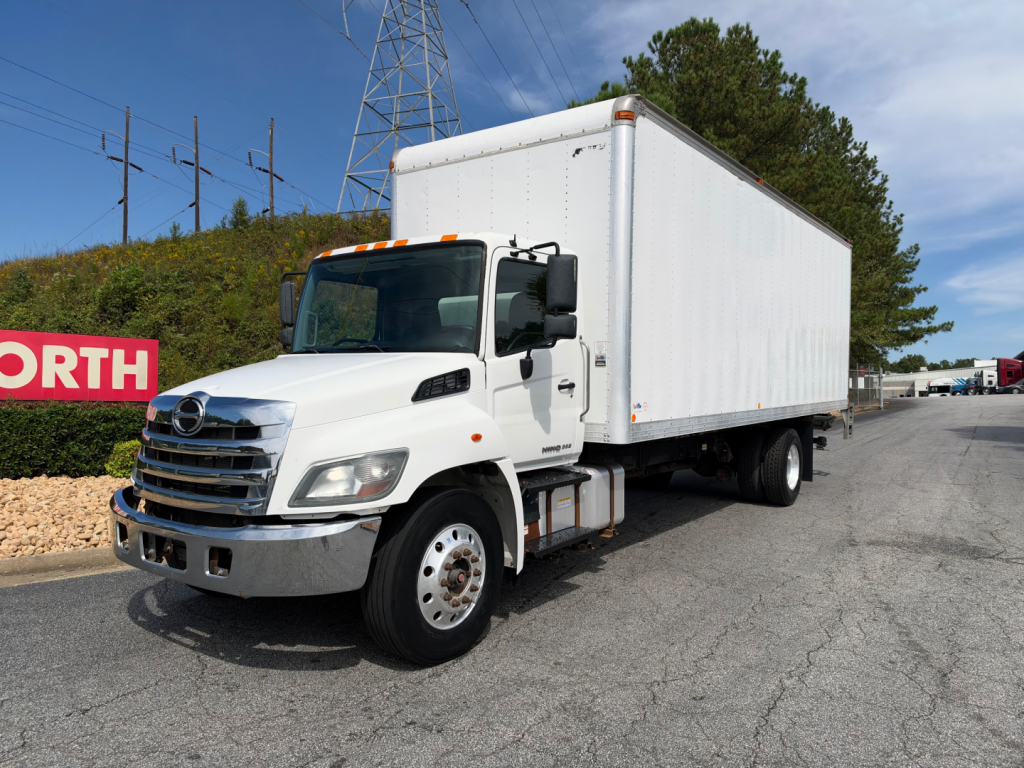
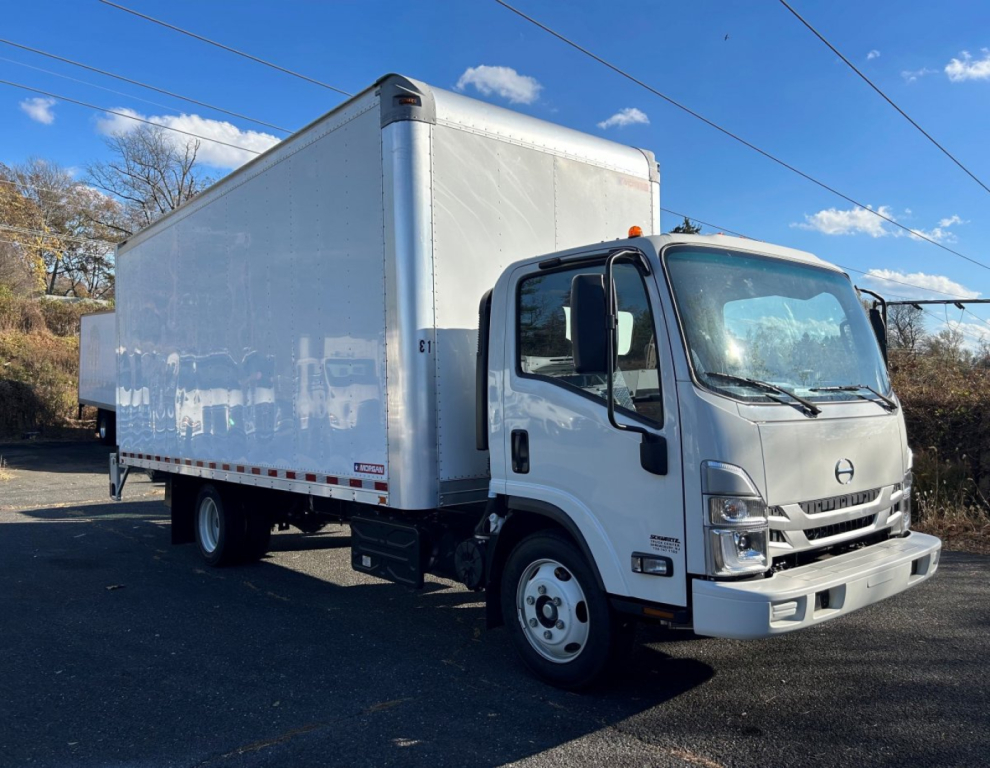
One of the main buying decisions on a 2019 Hino truck is matching chassis capacity to the job. Buyers should look closely at GVWR, wheelbase, cab-to-axle, rear axle rating, and suspension type before focusing on body spec. A 2019 Hino 268 or 338 often appears with van bodies around 24 to 26 feet, liftgates, or rollback carriers, while lighter models such as the 155 and 195 are more common in parcel delivery, landscape, and urban service work. Hino diesel engines in this era are known for solid low-speed torque and compatibility with Allison automatic transmissions, a combination many fleets prefer for stop-and-go routes and drivers with mixed experience levels.
Condition matters more than badge alone in this segment. On any used 2019 Hino truck, buyers should review maintenance history, DPF and SCR service records, brake type, tire size, and suspension wear. Body condition is just as important as chassis condition on box, tow, and vocational units. Check floor integrity, roll-up door operation, liftgate cycle function, deck wear, hydraulic leaks, PTO engagement, and signs of frame modification. For delivery applications, interior body height, E-track, scuff liners, and door opening dimensions affect day-to-day usefulness more than horsepower numbers on paper.
A 2019 Hino truck can be a practical choice for fleets trying to control operating costs without moving into older emissions-era equipment. The cab layout is driver-friendly, parts support is established in most commercial markets, and many used units were fleet maintained on scheduled intervals. Buyers comparing listings should pay attention to axle configuration, brake system, fuel tank capacity, and whether the truck is set up for CDL or non-CDL operation. That detail often determines insurance, driver pool, payload, and route flexibility more than the model name itself.
Frequently Asked Questions about Used 2019 Hino Trucks
What are the most common applications for a used 2019 Hino truck?
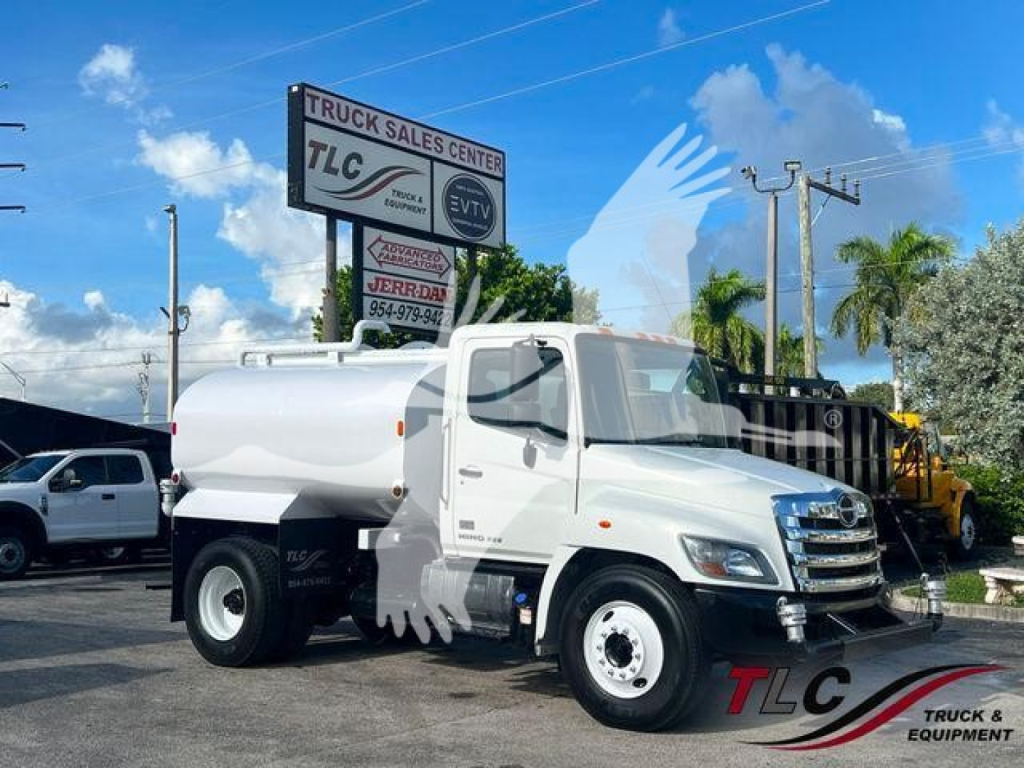
Used 2019 Hino trucks are commonly spec'd for box truck delivery, moving, beverage routes, reefer service, towing, landscape work, and cab-and-chassis upfits. The lighter models are often used in city delivery and service routes, while the 268 and 338 series are frequently found with 24-foot to 26-foot van bodies, liftgates, flatbeds, or rollback bodies. The right application depends on GVWR, wheelbase, body length, and rear axle capacity more than the model badge alone.
Is a 2019 Hino truck good for fleet use?
A 2019 Hino truck is often a good fleet candidate because these trucks were widely used in pickup and delivery, lease fleets, and municipal service. Many were maintained on regular service intervals and spec'd with Allison automatic transmissions, diesel engines, and common medium-duty body configurations. Buyers should still verify service records, emissions system history, and body condition because prior fleet use can mean either disciplined maintenance or heavy route wear depending on the operation.
What should I inspect first on a used 2019 Hino box truck or straight truck?
Start with GVWR, wheelbase, and body dimensions to make sure the truck fits your route and payload requirements. Then inspect engine and transmission performance, DPF and SCR service history, brake condition, suspension wear, tire age, and any fault codes. On box trucks, pay close attention to floor condition, roof leaks, scuff liners, E-track, roll-up door alignment, and liftgate operation. On cab-and-chassis or vocational units, inspect frame rails, PTO function, hydraulic systems, and signs of overload or poor upfit work.
Do 2019 Hino trucks require a CDL?
Some do and some do not. CDL requirement depends on the truck's GVWR or GCWR and how the truck is configured, not simply the fact that it is a Hino. Many medium-duty Hino trucks are available in non-CDL specs under 26,001 pounds GVWR, while others are built at 26,000 pounds or higher for greater payload or heavier body applications. Buyers should confirm the door sticker rating and intended use because a small change in spec can affect driver qualification, insurance, and compliance.
Which specs matter most when comparing used 2019 Hino trucks for sale?
The most important specs are GVWR, wheelbase, cab-to-axle measurement, axle rating, suspension type, engine model, transmission, and body dimensions. For route work, also check fuel capacity, turning radius, interior body height, and liftgate rating if equipped. For towing or vocational use, focus on PTO setup, hydraulic equipment condition, frame integrity, and how the body was installed. These details determine payload, maneuverability, serviceability, and resale value more directly than trim features.