
New Peterbilt Grapple Trucks For Sale in Florida
Have new peterbilt grapple truck to sell? List it here to reach thousands of buyers.
New Peterbilt Grapple Trucks in Florida
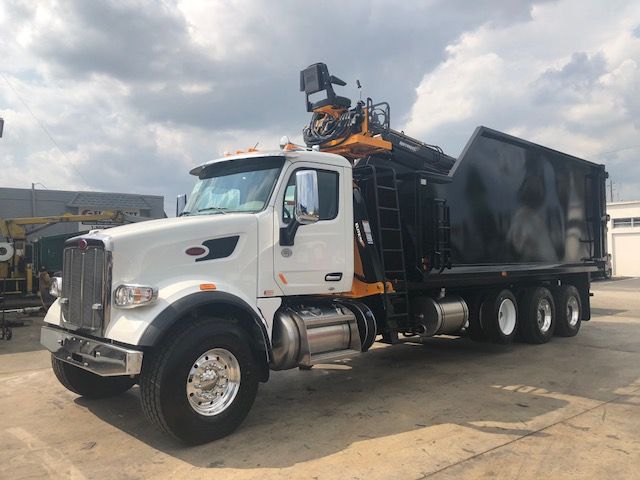
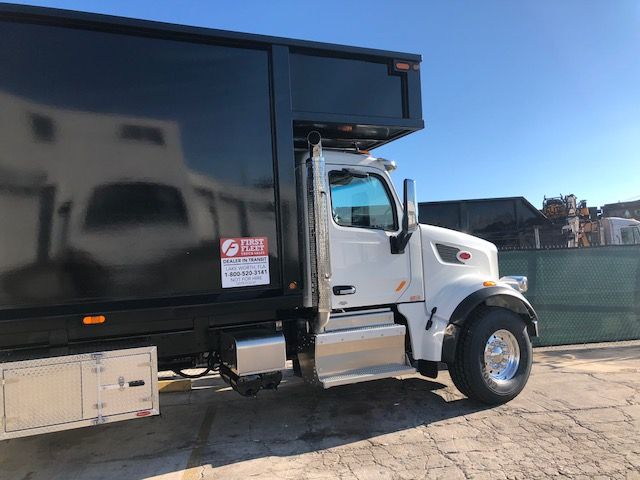
The big buying decisions usually come down to body size, crane brand, boom reach, and transmission choice. Many grapple trucks in this category use 45 to 67 yard debris bodies, often built with abrasion-resistant steel such as Hardox for better wear life in waste applications. Common loader packages include rear-mount units from Serco or Rotobec paired with waste grapples and extended boom options for greater reach into brush piles or transfer areas. A buyer comparing listings should look closely at hydraulic oil cooling, PTO and pump setup, outriggers or stabilizer design, tailgate configuration, and how the loader subframe is integrated into the chassis.
Powertrain specs on new Peterbilt grapple trucks often center on Cummins diesel engines in the upper horsepower bands, especially when the truck is carrying a large body and operating at high gross weights. Automatic transmissions appeal to fleets running multiple drivers or stop-and-go municipal routes, while manual or 8LL-style setups still attract buyers who want direct control in off-road or uneven terrain. Jake brakes, vocational rear axle ratios, lift axles, and suspension ratings all affect how the truck performs when loaded and how well it fits local bridge laws and route restrictions. In Florida, corrosion resistance, cooling performance, and easy service access also deserve attention because these trucks spend long hours idling, cycling hydraulics, and working in heat and humidity.
A well-spec'd Peterbilt grapple truck should match the material stream first, then the route and operator demands. Lighter vegetative debris may justify a larger cubic yard body, while mixed waste and heavier storm material can push buyers toward stronger body construction, robust hoists, and conservative payload planning. It also helps to evaluate cab-to-axle length, kingpin-style body mounting geometry where applicable to hoist design, and legal overall length if the truck will tow support equipment with a rear hitch. For buyers sorting through multiple listings, the best comparison is not just year or engine rating but the complete working package of chassis, loader, body, hydraulics, and axle layout.
Frequently Asked Questions about New Peterbilt Grapple Trucks in Florida
What should I look for first when buying a new Peterbilt grapple truck?
Start with the job the truck will perform most often. Body capacity, grapple type, crane reach, and axle configuration should match the material being loaded, not just the highest advertised yardage. Vegetative debris and storm cleanup often favor larger bodies and extended boom reach, while mixed waste or dense material puts more value on body strength, hoist capacity, and axle ratings. After that, review engine horsepower, transmission type, PTO and hydraulic system design, and service access points because those factors affect daily productivity and downtime.
What body size is common on a grapple truck?
Many grapple trucks use debris bodies in the 45 to 67 yard range, but the right size depends on the density of the material and local weight limits. A large cubic yard body is useful for brush, limbs, and other light debris, especially in storm response work. Heavier waste streams can overload a large body before it is full, so buyers need to balance volume with legal payload, axle spacing, and GVWR. Material type matters more than body size alone.
Are automatic or manual transmissions better for grapple truck service?
Automatic transmissions are common in fleet and municipal applications because they reduce driver fatigue, simplify training, and perform well in stop-and-go work. Manual and 8LL-style transmissions still have a place where operators want more control on soft ground, uneven job sites, or severe-duty loading environments. The best choice depends on driver experience, route profile, and maintenance preferences. Transmission selection should also be matched to engine torque, rear axle ratio, and expected gross operating weight.
Why are tri-axle Peterbilt grapple trucks so common in Florida?
Tri-axle configurations are popular because they help support larger debris bodies, higher gross vehicle weight ratings, and better load distribution for storm cleanup and waste hauling. Florida fleets often need a truck that can carry bulky material efficiently while staying compliant with local road and bridge requirements. A lift axle or additional axle capacity can also improve flexibility across municipal, tree service, and contractor applications where load size changes from job to job.
Which loader and body features matter most on a grapple truck?
The most important features are usually boom reach, grapple capacity, hydraulic cooling, body steel type, and overall loader integration with the chassis. Rear-mount loaders are common because they give good access to debris piles and loading zones. Abrasion-resistant bodies such as Hardox can improve long-term durability in waste service. Buyers should also check stabilizer design, control layout, tailgate operation, and pump capacity because those details directly affect cycle times, operator confidence, and structural longevity.