
New Peterbilt Grapple Trucks For Sale
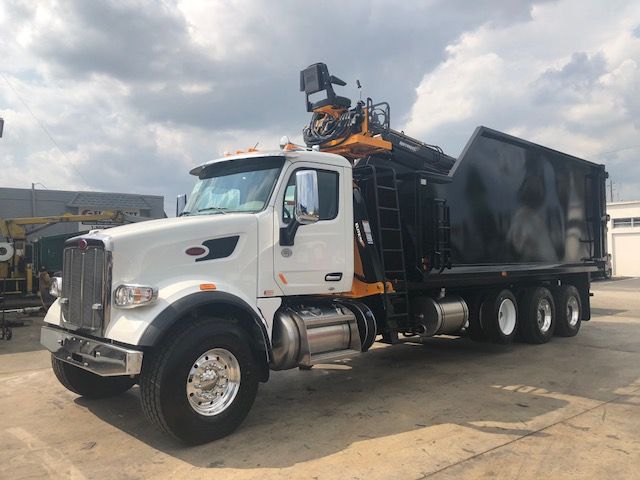
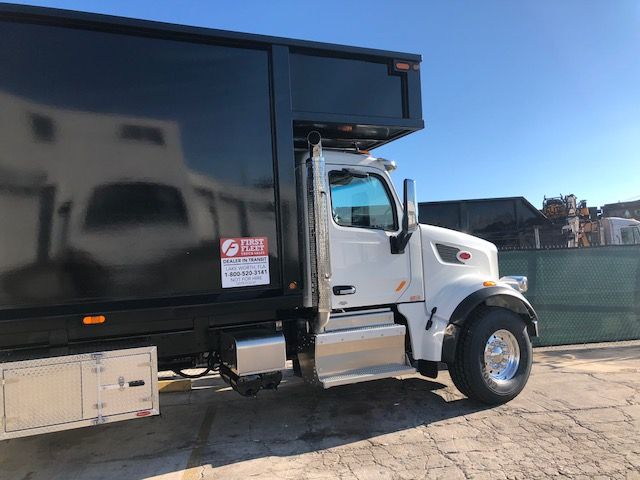
Have new peterbilt grapple truck to sell? List it here to reach thousands of buyers.
New Peterbilt Grapple Trucks
Loader and body specs drive the truck's real value. Common grapple packages include rear-mount knuckleboom loaders from brands such as Rotobec or Serco, often paired with extended boom options for greater reach over piles, containers, and curbside loads. Waste grapples are typically matched with hard-use debris bodies in the 50 to 67 yard range, and Hardox or similar abrasion-resistant steel is a major advantage for buyers handling demolition material, storm debris, and other punishing loads. Details like an oil cooler for the hydraulic system, rear hitch setup, and body design for clean dumping can make a meaningful difference in uptime and operator efficiency.
On the chassis side, Peterbilt grapple trucks are commonly equipped with Cummins power in the 450 to 500 horsepower range, with transmission choice depending on route and operator preference. Some buyers still prefer an 8LL manual for precise low-speed control around job sites and transfer stations, while others want an automatic for stop-and-go municipal routes and easier driver onboarding. A Jake brake is a frequent must-have on heavier specs, especially in areas with frequent starts, hills, or transfer station runs. Suspension, axle ratings, frame reinforcement, and PTO compatibility should all be reviewed closely because a grapple truck puts continuous strain on both the chassis and hydraulic system.
A good Peterbilt grapple truck combines severe-duty vocational spec'ing with operator-friendly serviceability. Buyers should compare boom reach, grapple type, body material, legal GVW, and cab configuration before narrowing down listings. It also helps to confirm whether the truck is set up primarily for waste, brush, recyclables, or mixed debris, because that affects body design, grapple sizing, and payload expectations. Peterbilt remains a strong choice in this category for fleets that want a premium cab, solid vocational support, and a chassis that can handle demanding loader work day after day.
Frequently Asked Questions about New Peterbilt Grapple Trucks
What is the typical use for a Peterbilt grapple truck?
A Peterbilt grapple truck is commonly used for storm debris removal, municipal bulk pickup, vegetative waste collection, construction and demolition debris, and other jobs that require a hydraulic loader and large dump body on one chassis. These trucks are designed to pick up bulky, irregular material efficiently without relying on a separate loader at each stop. Rear-mount grapple configurations are especially common for waste and debris routes because they allow fast loading into the body from the back of the truck.
What body size is common on a grapple truck?
Body size varies by application, but many grapple trucks in this class use debris bodies in the 50 to 67 yard range. A larger body can improve route efficiency by reducing dump trips, but body size must be matched to axle ratings, legal GVW, and the density of the material being hauled. Light brush and storm debris allow more cubic capacity, while heavier C&D material can reach weight limits long before the body is full.
Is a manual or automatic transmission better for a grapple truck?
Both can work well, and the right choice depends on route style and operator preference. Manual options such as an 8LL are valued for low-speed control, durability, and familiarity in heavy vocational work. Automatic transmissions can improve ease of use in stop-and-go service, reduce driver fatigue, and simplify hiring when experienced manual drivers are harder to find. The best decision usually comes down to duty cycle, terrain, and the experience level of the operator pool.
Why does Hardox matter on a grapple truck body?
Hardox and similar abrasion-resistant steel are important because grapple trucks often handle sharp, abrasive, and uneven debris that wears out standard body material quickly. A Hardox body can offer better resistance to dents, gouging, and floor wear, especially in demolition, storm cleanup, and mixed waste applications. For buyers planning heavy daily use, body material has a direct impact on maintenance cost, service life, and resale appeal.
What should I compare first when shopping Peterbilt grapple trucks?
Start with the loader brand and model, boom reach, grapple style, body capacity, axle configuration, and GVWR. After that, review engine horsepower, transmission type, hydraulic cooling, PTO setup, and any frame or suspension upgrades that support loader work. These details determine how well the truck will perform in your specific application and how efficiently it can operate over a full route.