
Used Freightliner Grapple Trucks For Sale in Florida
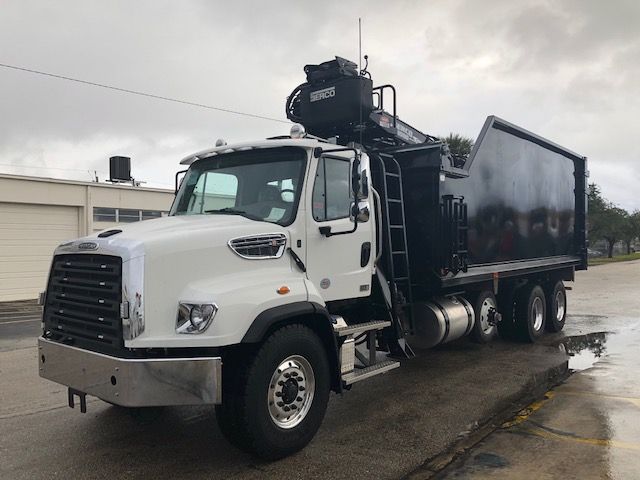
Browse used Freightliner grapple trucks for sale in Florida, including 114SD and M2-112 models built for waste, debris, and municipal hauling.
Learn more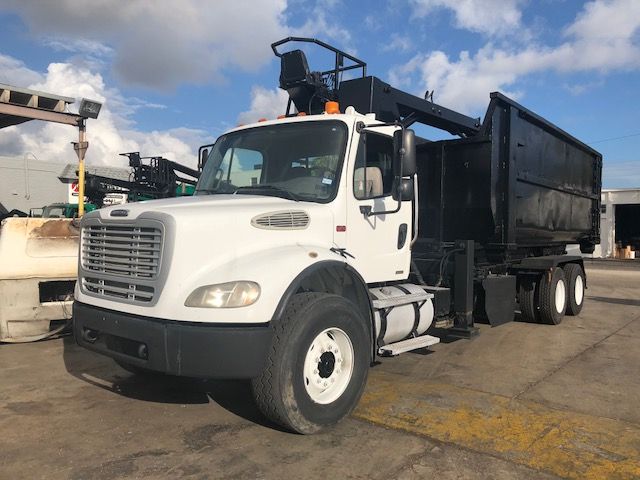
Have used freightliner grapple truck to sell? List it here to reach thousands of buyers.
About Used Freightliner Grapple Trucks in Florida
The key buying decision is usually the truck and crane package as a system, not just the cab and chassis. Common setups include knuckleboom or stiff-boom loaders from brands such as Serco and Palfinger, often paired with waste grapples, extended booms, and large dump bodies or roll-off hoists. Body capacity can run into the 40 to 50 yard range depending on axle layout and intended material. Buyers should verify crane model, reach, grapple size, upper-seat or stand-up controls, hydraulic pump setup, and whether the body is built from abrasion-resistant material such as Hardox for demolition and mixed waste service. A tri-axle 114SD with a large grapple body serves a different job profile than an M2-112 with a roll-off grapple configuration, even if both are marketed as grapple trucks.
On used Freightliner grapple trucks, condition comes down to vocational wear more than cab cosmetics. Pay attention to frame integrity, PTO engagement, hydraulic leaks, boom pin and bushing play, outrigger function, hoist condition, body floor wear, and signs of cracking around crane mounts. Front axle loading is especially important on grapple units, so buyers should confirm axle ratings, lift axle function if equipped, and actual empty weight before estimating legal payload. Engine and transmission history also matter, but in this class the service record on the hydraulic system, crane, and body often tells you more about future uptime than mileage alone.
Freightliner remains popular in this segment because parts access, vocational chassis support, and familiar service networks make these trucks practical fleet units. For buyers comparing used units in Florida, it makes sense to look closely at wheelbase, axle spacing, turning radius, corrosion exposure, and how the truck was previously used. A municipal trade can offer lower annual miles, while a private waste or debris unit may show harder body and loader wear. The best match is the truck with the right axle spec, crane capacity, body style, and legal weight profile for the material you actually haul every day.
Frequently Asked Questions
What is the difference between a Freightliner 114SD grapple truck and an M2-112 grapple truck?
The 114SD is typically the heavier vocational platform, often chosen for larger grapple bodies, tri-axle layouts, and higher gross weight applications. The M2-112 is also a capable vocational chassis, but it is commonly seen in slightly lighter or more specialized configurations such as tandem axle grapple trucks or roll-off grapple combinations. The right choice depends on crane weight, body size, legal payload targets, and how much front axle and frame capacity the application demands.
What should I inspect first on a used grapple truck?
Start with the crane, hydraulics, and body rather than the paint or interior. Check boom wear pads, pins, bushings, cylinder seals, outriggers, PTO operation, hydraulic tank condition, hose routing, and control responsiveness. Then inspect the dump body or roll-off hoist, frame rails, crossmembers, and mounting areas for cracks, repairs, or distortion. These components usually determine uptime and repair cost faster than mileage alone.
Are tri-axle Freightliner grapple trucks better than tandem axle units?
A tri-axle setup usually provides better weight distribution, higher legal carrying capacity, and more flexibility for larger bodies or heavier crane packages. That can be a real advantage in waste, storm debris, and C&D operations. The tradeoff is added complexity, more tires and suspension components to maintain, and potentially reduced maneuverability in tight urban work. Tandem axle trucks can still be the better fit for shorter routes, lighter material, and tighter jobsites.
What body material is preferred on a used waste grapple truck?
For abrasive debris streams, abrasion-resistant steel such as Hardox is a strong advantage because it helps the floor and sidewalls hold up better under repeated loading of concrete, demolition debris, and mixed waste. Standard steel bodies may still be suitable depending on prior use, but buyers should inspect the floor, tailgate, sidewalls, and hinge areas closely for thin spots, patches, and weld repairs. Body construction directly affects long-term maintenance cost.
Why are automatic transmissions common in grapple trucks?
Automatic transmissions are common because grapple trucks spend much of their time in stop-and-go duty, tight access routes, and operator-intensive collection work. An automatic can reduce driver fatigue, simplify training, and improve consistency in urban or residential operation. In vocational service, it can also help protect the driveline when multiple operators use the same truck across demanding daily cycles.