
Used Peterbilt Garbage Trucks For Sale
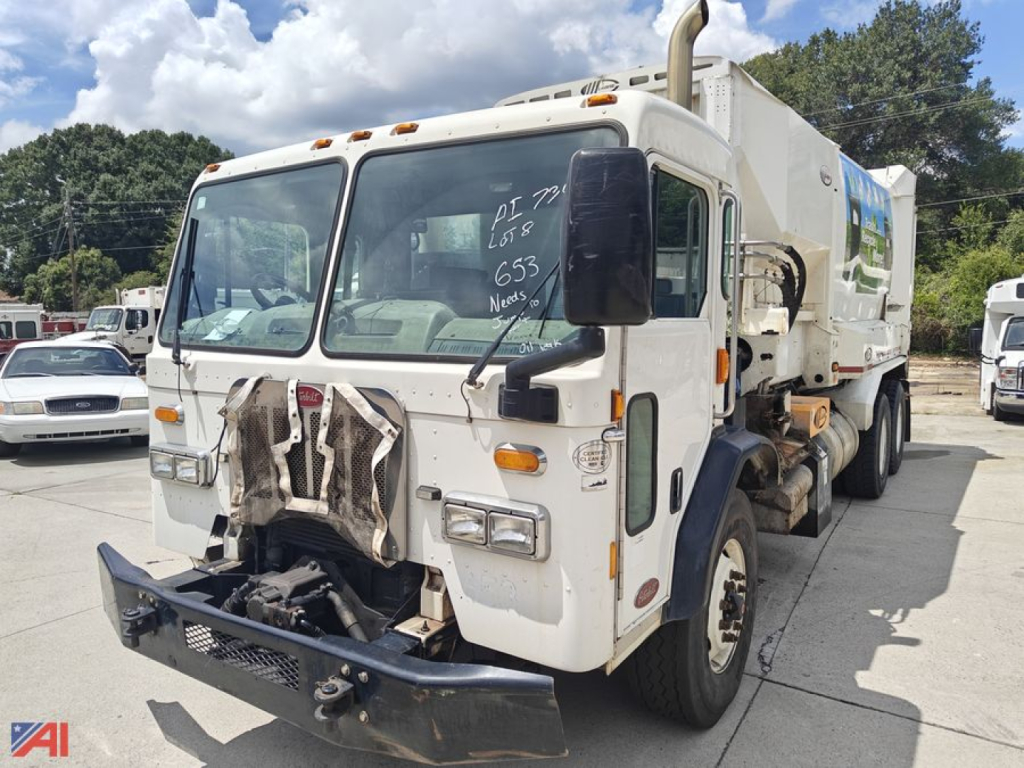
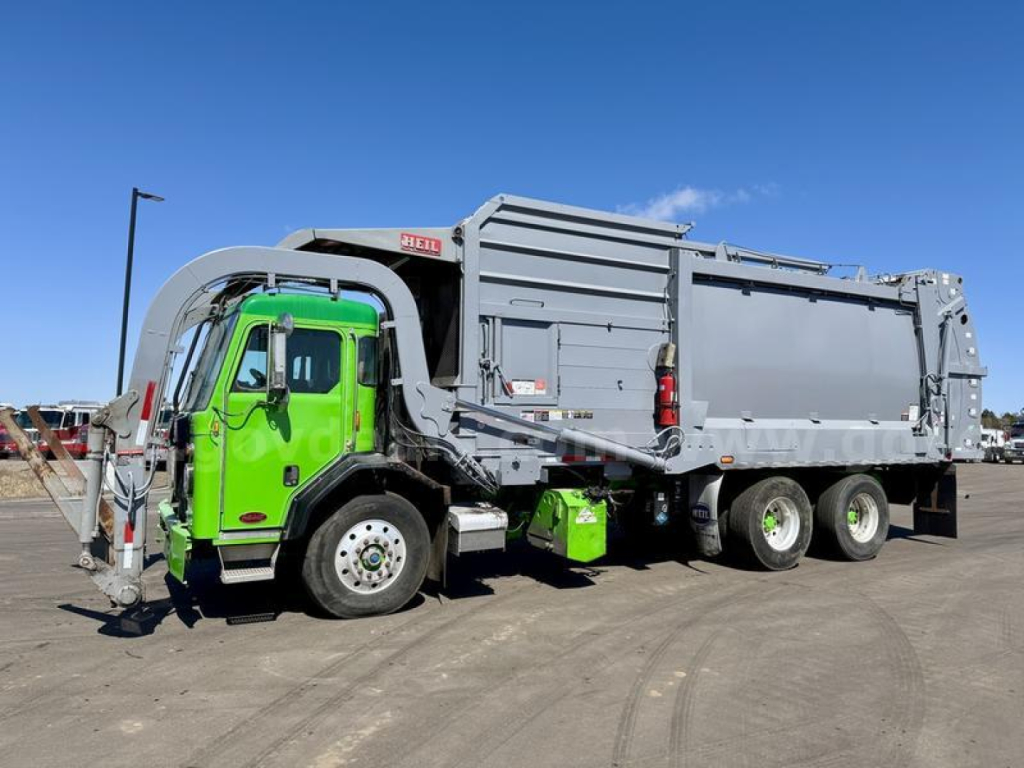

Have used peterbilt garbage truck to sell? List it here to reach thousands of buyers.
Used Peterbilt Garbage Trucks
On the chassis side, Peterbilt refuse trucks are typically spec'd for high-GCWR vocational service with heavy front axles, tag axle options, tight wheelbase layouts, and automatic transmissions suited for repetitive start-stop operation. Many used units carry Heil, McNeilus, New Way, or similar refuse bodies in capacities commonly ranging from the low 20-yard class up to 40 yards depending on application. Front discharge visibility, cab entry height, turning radius, and PTO-driven hydraulic performance all matter in this segment. A used truck should be evaluated for packer cycle function, hopper wear, arm pins and bushings, cylinder leaks, frame condition, and the overall health of the hydraulic system as closely as the engine and driveline.
Engine and emissions history are critical on any used garbage truck because idle time, PTO use, and short-route duty cycles can affect DPF, EGR, and aftertreatment reliability differently than over-the-road service. Maintenance records are especially valuable on refuse equipment, where suspension components, steering gear, brakes, and axle joints can see accelerated wear from curb strikes and high-frequency turns. On trucks with automated side loader systems, inspect arm reach, grabber operation, controls, and body mounts carefully. On tag axle units, buyers should also pay attention to kingpins, suspension wear points, and tire condition, since these items directly affect handling and long-term operating cost.
A Peterbilt garbage truck appeals to buyers who want a proven vocational platform with strong parts support and familiar serviceability. For municipal collection, commercial waste pickup, recycling routes, and transfer station work, the right used spec comes down to route density, container type, legal payload, and maintenance condition. Cab ergonomics, visibility, body manufacturer support, and local emissions compliance all deserve as much attention as engine make or model year when comparing used Peterbilt refuse trucks for sale.
Frequently Asked Questions about Used Peterbilt Garbage Trucks
What is the most common Peterbilt model used as a garbage truck?
The Peterbilt 320 is one of the most common refuse truck platforms in the used market. Its low-cab-forward design gives drivers strong forward visibility, easier entry and exit, and a tight turning radius that works well on residential and urban routes. It is frequently paired with automated side loaders, rear loaders, and other refuse body configurations depending on the collection application.
What should I inspect first on a used Peterbilt garbage truck?
Start with the refuse body and hydraulic system, then move to the chassis. Check packer operation, ejector function, arm movement, cylinders, hoses, pump performance, hopper wear, and body floor condition. After that, inspect steering and suspension wear, axle and kingpin condition, transmission operation, brake life, tire wear, and emissions system service history. Refuse trucks often accumulate wear from route duty that does not show up in mileage alone.
Are automated side loader Peterbilt garbage trucks good for residential routes?
Yes, automated side loader Peterbilt garbage trucks are widely used for residential collection because they reduce manual labor and improve route efficiency. A truck with a hydraulic grabber arm can service cart-based routes quickly, but buyers need to confirm arm reach, control response, and structural condition around pivots and mounts. The route layout matters because narrow alleys, parked cars, and uneven cart placement can affect real-world productivity.
How important are maintenance records on a used refuse truck?
Maintenance records are extremely important because garbage trucks operate in one of the harshest duty cycles in the industry. Frequent stops, PTO use, heavy hydraulic loads, and repeated turning can accelerate wear on steering, suspension, brake, and aftertreatment components. A documented service history helps verify oil change intervals, hydraulic repairs, emissions work, and major component replacement, which can reduce risk when comparing similar used trucks.
What body types are common on used Peterbilt garbage trucks?
Common body types include rear loaders, front loaders, automated side loaders, and manual or semi-automated side loaders. Body capacities and features vary by route type, container style, and payload target. Buyers should match the body design to the work, since residential cart service, commercial dumpster pickup, and transfer applications all require different loading methods, axle setups, and operating clearances.