
Used International Garbage Trucks For Sale
Shop used International garbage trucks including medium and heavy-duty diesel packers with automatic transmissions and refuse-ready chassis.
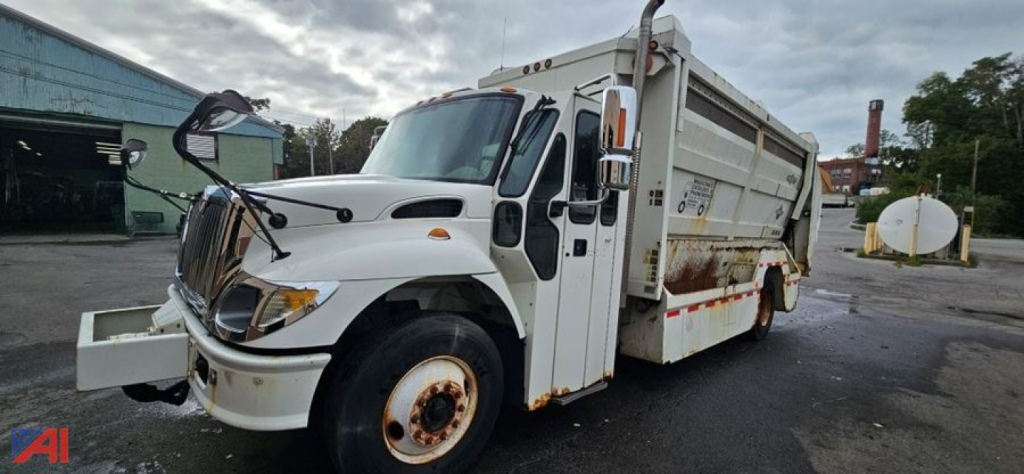
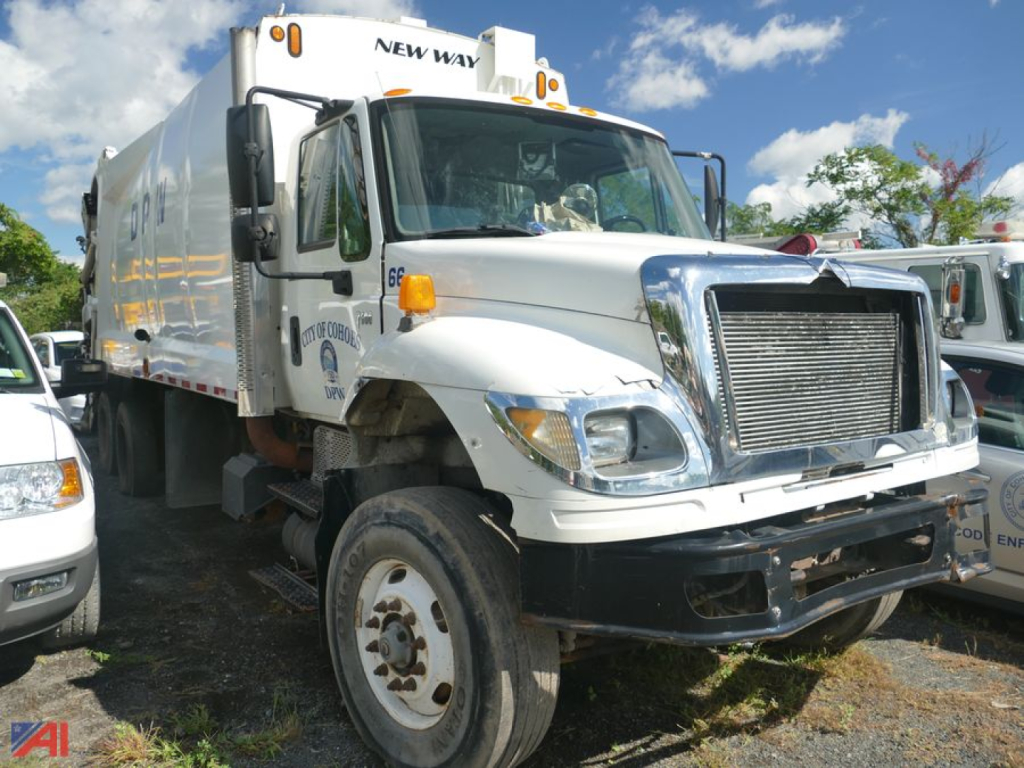
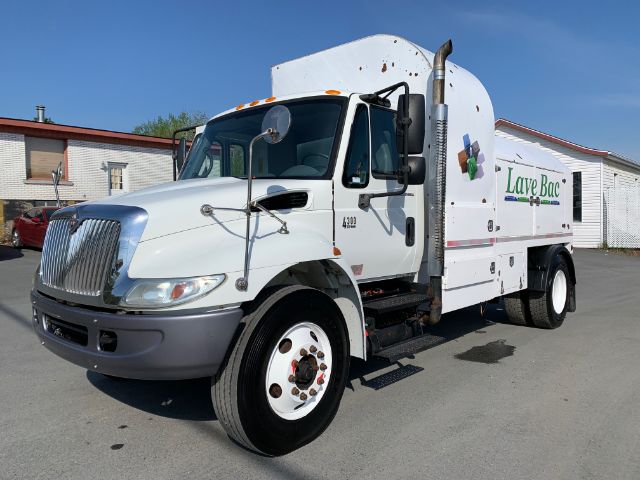
Looking for the easiest place to sell your used international garbage truck? List it here to reach thousands of buyers.
Used International Garbage Trucks
The body configuration matters as much as the cab and chassis. International garbage trucks may carry rear loader, side loader, or front loader bodies, and each one changes the truck's ideal route profile. Rear loaders remain common for mixed commercial and residential pickup because they are versatile and straightforward to maintain. Side loaders can improve route efficiency in residential service, especially with automated collection programs. Front loaders are more typical in commercial dumpster service and require attention to front axle capacity, wheelbase, and frame condition due to repetitive lifting stress. On any used refuse truck, the buyer should inspect packer operation, hydraulic cycle times, hopper condition, floor wear, tailgate seal integrity, and PTO engagement under load.
Powertrain specs on used International garbage trucks often include engines such as the DT466 in older medium-duty models and Cummins L9 power in newer heavy-duty units. Refuse work is hard on transmissions, cooling systems, brakes, and suspension components because the truck spends its life in low-speed, high-cycle operation with constant starts, stops, and PTO use. Automatic transmissions, often Allison units, are preferred for driver consistency and durability in route service. Tandem-drive setups are common on larger packers where legal payload and body weight demand more rear axle capacity, while single-axle trucks remain practical for urban routes with tighter turning requirements.
A strong used truck in this category is not just about mileage. Engine idle history, hydraulic maintenance records, body manufacturer support, and evidence of frame or body corrosion are often more important than odometer readings alone. Buyers should verify axle ratings, suspension type, brake condition, emissions system service history, and whether the truck's wheelbase properly matches the refuse body. It also helps to confirm if the truck was fleet maintained on a fixed service interval, since municipal and contractor units often follow strict inspection schedules. International garbage trucks are widely used because parts support is broad, the cab layout is familiar to most operators, and the platform adapts well to a range of refuse body brands.
Frequently Asked Questions about Used International Garbage Trucks
What should I look at first when buying a used International garbage truck?
Start with the refuse body and hydraulic system, then move to the chassis. A garbage truck lives a much harder life than a typical box truck or tractor because it operates in constant stop-and-go service with frequent PTO engagement. Check the packer blade, hopper, floor, tailgate hinges, cylinders, hydraulic leaks, and cycle times. After that, inspect the frame rails, rear suspension, axle ratings, brake wear, transmission operation, and any signs of excessive corrosion or body cracking around high-stress mounting points.
Are International HV trucks better for garbage applications than an International 4300?
They serve different roles. An International 4300 is a medium-duty platform that fits lighter refuse bodies and tighter route work where maneuverability is important. An International HV, including the HV607, is a heavier vocational chassis built for larger packer bodies, higher GVWRs, and more demanding duty cycles. The better choice depends on body size, target payload, route density, and whether the truck will run residential pickup, commercial collection, or transfer support.
Why are automatic transmissions so common in garbage trucks?
Automatic transmissions are standard in refuse service because collection routes involve constant starts, stops, backing, and low-speed maneuvering. An automatic reduces driver fatigue, improves consistency across multiple operators, and handles repetitive route work better than a manual in most fleets. Many used International garbage trucks are equipped with Allison automatics, which are widely supported in municipal and private refuse applications.
How important is mileage on a used garbage truck?
Mileage matters, but it is not the best standalone indicator of condition. Refuse trucks often accumulate heavy engine idle time and high hydraulic cycle counts while showing relatively modest road miles. A lower-mile truck can still have substantial wear if it spent years on dense urban routes. Service records, engine hours if available, PTO usage, body condition, hydraulic repairs, and evidence of regular fleet maintenance usually tell a more accurate story than odometer readings alone.
What axle and chassis specs matter most on a used refuse truck?
Front axle rating, rear axle rating, wheelbase, suspension, brake type, and GVWR are all critical because refuse bodies are heavy even before they are loaded. Front loaders especially need enough front axle capacity for lifting stress, while larger rear loaders may require tandem rears for legal payload and durability. Buyers should also confirm that the wheelbase and frame length are correct for the installed body, since a poor chassis-to-body match can affect turning radius, weight distribution, and long-term frame life.