
International Garbage Trucks For Sale
Shop International garbage trucks with specs, body options, axle ratings, and vocational features for municipal and refuse fleet use.
Selling a international garbage truck? List your international garbage truck for sale and reach thousands of commercial buyers.
International Garbage Trucks
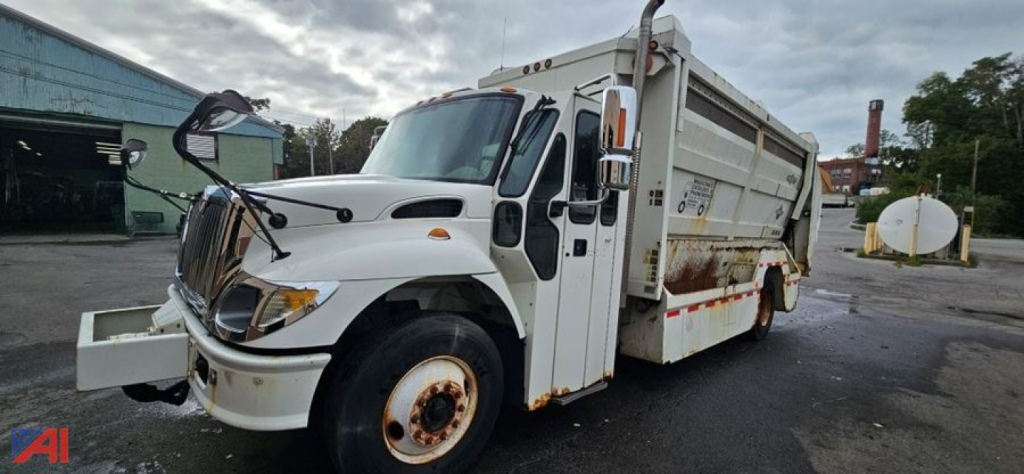
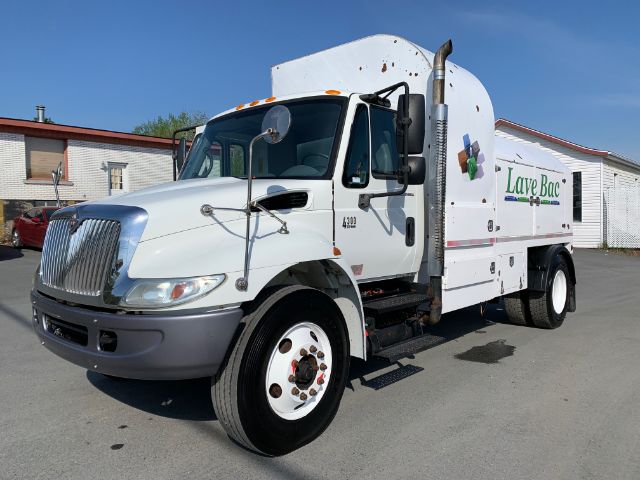
A medium-duty International 4300 is commonly used for lighter refuse applications, container service, and compact rear loader setups where maneuverability matters more than raw payload. The HV607 and similar heavy vocational chassis are better suited for higher GVWR needs, larger packer bodies, and tandem axle configurations. Buyers should pay close attention to engine and transmission pairing, especially common combinations like the DT466, MaxxForce, or Cummins L9 with an Allison automatic. Refuse work depends on smooth low-speed operation, reliable PTO performance, and strong cooling capacity. Front axle rating, rear axle rating, suspension type, brake system, and tire size all affect legal payload and durability on rough transfer station or alley-route conditions.
Body style matters as much as the chassis. A rear loader is straightforward and versatile for manual or semi-automated collection. An automated side loader improves route efficiency but adds hydraulic and electronic complexity. Front loaders are less common on some International chassis in this size range, but they can be used in commercial waste service depending on axle spec and frame strength. Inspect body floor condition, hopper wear, packer blade operation, tailgate seal integrity, cylinder leakage, and corrosion around the body mounts. On the truck side, look closely at frame rail condition, steering components, transmission behavior under repeated engagement, and any signs of hard idle-hour accumulation that may not show up in mileage alone.
For buyers comparing listings, the best International garbage truck is the one matched to route density, payload target, and service support in your area. International trucks are widely used by municipalities and contractors because parts access is generally strong and the chassis are familiar to many fleet technicians. A buyer should verify GVWR, body manufacturer, hydraulic hours if available, PTO setup, emissions system history, and whether the truck was fleet maintained on a fixed inspection schedule. In refuse service, maintenance records often tell more than odometer readings. A clean cab and decent paint matter less than packer function, axle spec, and evidence the truck has handled repetitive collection work without major frame, hydraulic, or driveline issues.
Frequently Asked Questions about International Garbage Trucks
What International models are commonly used as garbage trucks?
The most common International garbage truck platforms are the 4300 for lighter medium-duty refuse work and the HV Series, including the HV607, for heavier vocational applications. The 4300 is often used with smaller rear loader or container service bodies, while the HV chassis is better suited for larger packers, tandem axle setups, and higher GVWR requirements. The right model depends on route density, body size, and legal payload needs.
What should I inspect first on a used International garbage truck?
Start with the refuse body and hydraulic system, because those components often determine the truck’s real value in service. Check the hopper, floor, packer blade, cylinders, hoses, tailgate seals, and body mounts for wear, leaks, or structural corrosion. Then review the chassis for frame condition, suspension wear, steering play, transmission operation, PTO engagement, and brake performance. In refuse service, idle time and hydraulic cycling can be harder on a truck than road mileage.
Is an automatic transmission better for a garbage truck?
Yes, in most refuse applications an automatic transmission is preferred because garbage trucks operate in constant stop-and-go conditions with frequent starts, reverses, and PTO-related work. Allison automatics are common in this segment because they provide smooth low-speed control and reduce driver fatigue on dense routes. Automatic transmissions also help with consistency across multiple drivers in municipal or contractor fleets.
How important are axle ratings on a refuse truck?
Axle ratings are critical because they affect legal payload, body compatibility, and durability. A garbage truck that looks similar on the outside can perform very differently depending on front axle capacity, rear axle rating, suspension spec, and wheelbase. If the refuse body, bin lifter, or packer system adds significant weight to the front or rear, the truck must be spec'd to carry it without overloading. Buyers should compare axle ratings against the body type and expected route load, not just the engine horsepower.
Why do maintenance records matter more than mileage on a garbage truck?
Garbage trucks accumulate wear through repeated collection cycles, long idle periods, PTO use, and constant hydraulic operation, so mileage alone does not tell the full story. A truck with moderate miles can still have very high component wear if it ran dense urban routes every day. Service records help confirm inspection intervals, fluid changes, hydraulic repairs, brake work, and emissions maintenance. For refuse equipment, documented fleet maintenance is often the best indicator of remaining service life.