
Garbage Trucks For Sale in Arkansas
No exact matches found for your search
Showing Garbage Trucks instead.

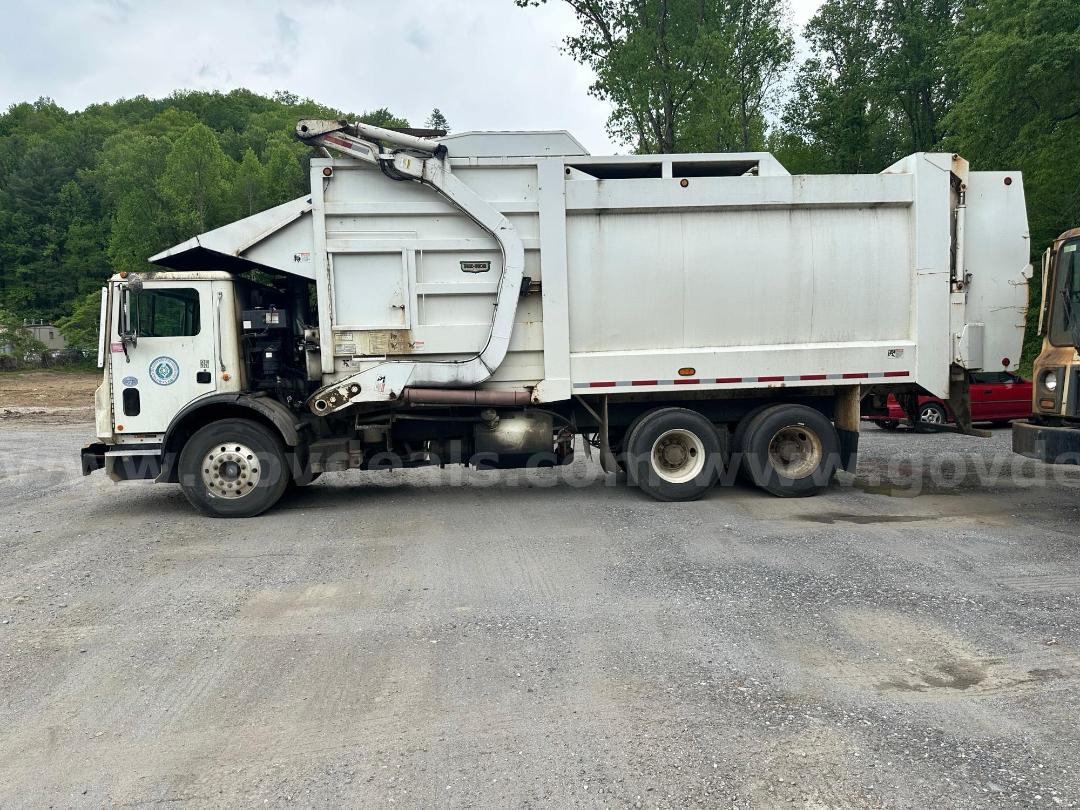
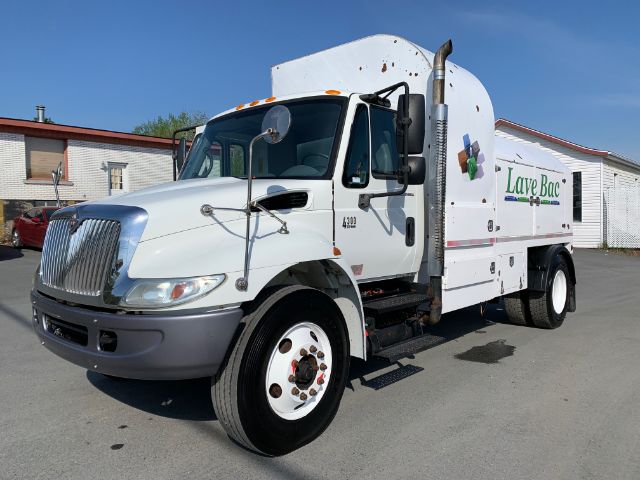
Showing 25 to 29 of 29 results
Have garbage truck to sell? List it here to reach thousands of buyers.
Garbage Trucks in Arkansas
Chassis and drivetrain specs matter because refuse service is severe-duty work with constant starts, stops, PTO operation, and high hydraulic demand. Common garbage truck setups use diesel engines in the mid-range horsepower band, paired with fully automatic Allison transmissions for smooth low-speed performance and reduced driver fatigue. Buyers should pay close attention to GVWR, front axle capacity, rear axle capacity, wheelbase, suspension, and rear ratio. A residential side loader or rear loader may run as a single axle, while larger packers and commercial applications often move into tandem axle territory. In Arkansas, route conditions can vary from tight urban streets to rural roads, so turning radius, bridge formula concerns, and legal loaded weight should be reviewed with the body spec, not just the chassis spec.
The body and hydraulic system are where refuse trucks earn their keep. Key details include packer type, hopper size, arm configuration, cart tipper setup, compaction rating, eject system, and body manufacturer support. Buyers also look for practical durability features such as abrasion-resistant floors, body side reinforcement, greaseable pins, hydraulic oil cooling, and easy-access service points. If uptime is a priority, inspect cycle counts, tailgate seals, pump condition, cylinder wear, and any signs of stress around body mounts or lifting components. For automated units, camera coverage, in-cab controls, and arm reach can affect both safety and route speed.
Used garbage trucks can offer strong value, but they should be evaluated differently than a standard vocational truck. Idle hours, PTO hours, route history, and maintenance records often tell more than mileage alone. Refuse trucks live a hard life, so frame condition, corrosion, suspension wear, transmission behavior, and body cracking deserve close inspection. Buyers in Arkansas should also think about parts and service support for the chassis brand, transmission, and body builder across their operating area. A well-matched garbage truck can lower labor costs, improve route efficiency, and stay productive for years if the body style, axle package, and hydraulic system fit the work.
Frequently Asked Questions about Garbage Trucks in Arkansas
What types of garbage trucks are most common for sale?
The most common garbage truck types are rear loaders, front loaders, and automated side loaders. Rear loaders are widely used for mixed residential and light commercial collection because they can handle bagged waste, carts, and bulky material with crew assistance. Front loaders are built for commercial dumpster service and typically offer fast lift cycles and high-volume efficiency. Automated side loaders are designed for residential cart routes where one driver can complete pickups from inside the cab.
What specs matter most when buying a garbage truck?
The most important specs are body style, body capacity, GVWR, axle ratings, wheelbase, engine horsepower, transmission type, and hydraulic system design. Refuse trucks operate under constant stop-and-go loading, so front axle capacity and suspension ratings are especially important. Buyers should also confirm the body manufacturer, compaction system, cart tipper or arm configuration, rear ratio, and legal loaded weight for the intended route. A truck that is underspecified for payload or hydraulic demand will wear out faster and cost more to run.
Is mileage less important on a used garbage truck?
Mileage is useful, but it is not the best standalone indicator of condition on a used garbage truck. PTO hours, engine hours, route severity, and maintenance history often matter more because refuse trucks spend much of their life working at low speed with frequent stops and constant hydraulic operation. A lower-mile truck with heavy packer use can be more worn than a higher-mile unit with lighter duty. Buyers should inspect the body, hydraulics, frame, suspension, transmission, and lift components as closely as the engine.
Which garbage truck body is best for residential routes?
Automated side loaders are often the best fit for standardized residential cart routes because one operator can handle collection without leaving the cab. They improve labor efficiency and can speed up repetitive suburban service patterns. Rear loaders are still a strong option for residential work when routes include bulk pickup, manual collection, alley service, or mixed stop types. The better choice depends on cart standardization, street width, labor model, and how much manual handling the route requires.
What should Arkansas buyers consider when choosing a garbage truck?
Arkansas buyers should consider route spacing, road conditions, legal weight, and service support across the region. Urban collection may favor maneuverable wheelbases and automated systems, while rural or longer-haul routes may need larger bodies, stronger axle packages, and attention to transfer or landfill distance. Parts access for the chassis, transmission, and refuse body is also important for minimizing downtime. Matching the truck to local route conditions is just as important as selecting the right make or model.