
Freightliner Trucks For Sale in Virginia
Find Freightliner trucks for sale in Virginia, from Cascadia sleepers to M2 vocational. Compare engines, axles, and tech to match your routes.

Selling a freightliner truck? List your freightliner truck for sale and reach thousands of commercial buyers.
Freightliner Trucks in Virginia
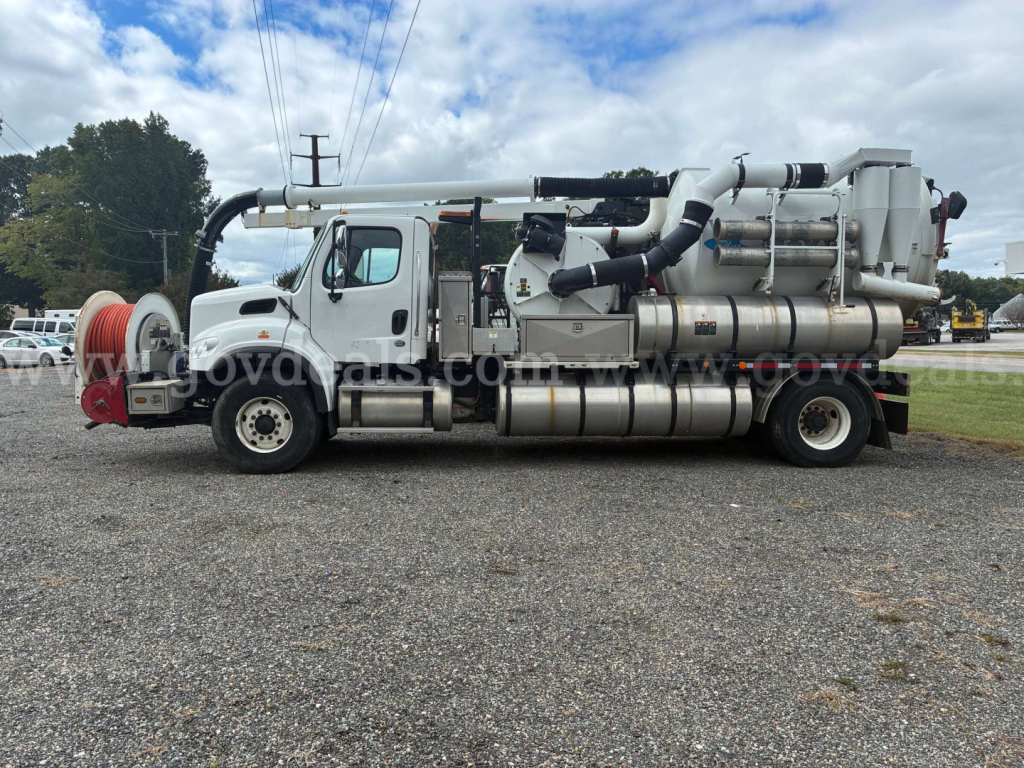
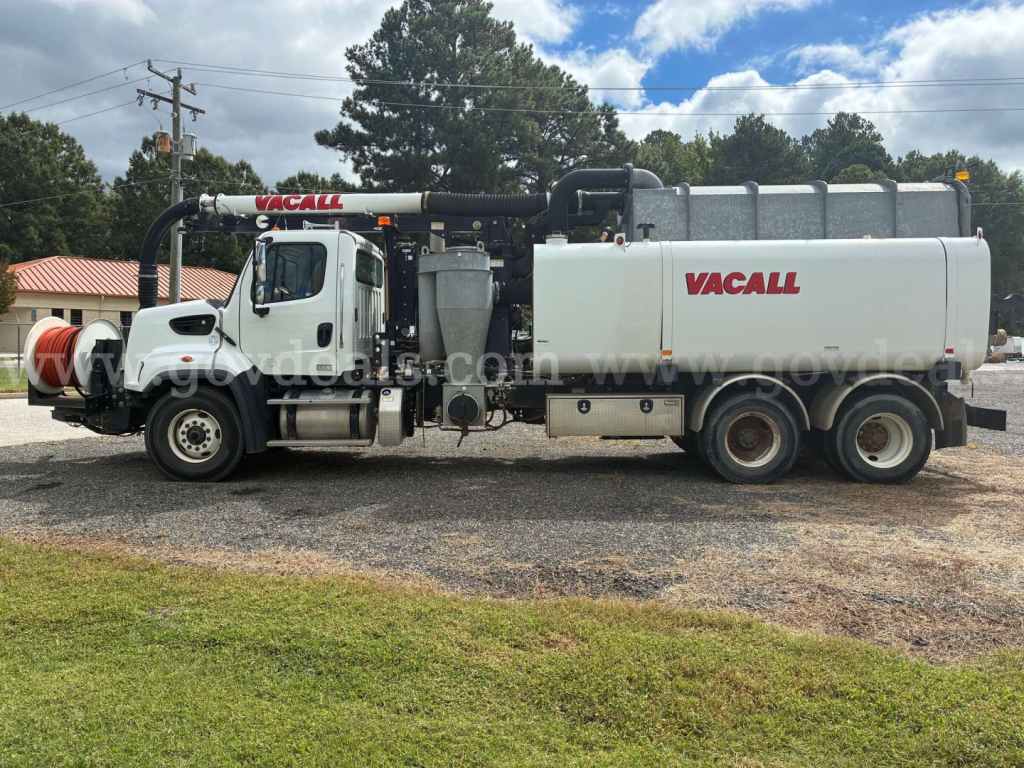
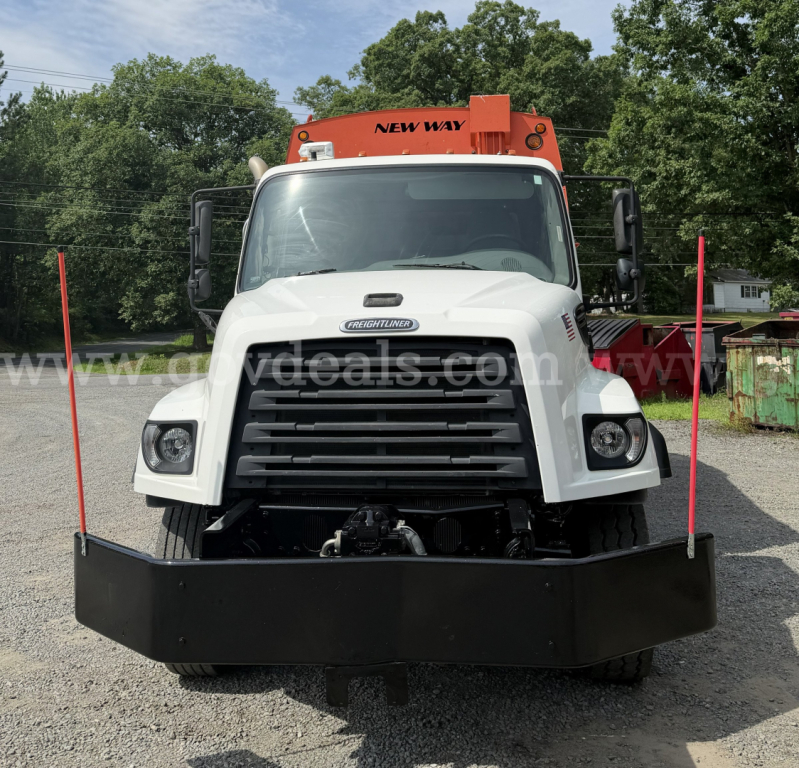
For construction, aggregates, utility, and municipal routes, Freightliner’s M2 106 and 112 and the 108SD or 114SD dominate. These chassis accept dumps, roll-offs, service bodies, tankers, and flatbeds with clean frame rails, multiple PTO options, and body builder friendly wiring. Set-back axle configurations improve wheel cut for jobsites and port terminals around Norfolk, while set-forward steer axles can help with bridge law and axle loading. Popular specs include 16k to 20k steer axles, 40k to 46k rears, double-frame or full-length inserts, heavy front bumpers, and lift axles where state weight rules allow. Airliner suspension rides well on highway, while Hendrickson Haulmaax or Primaax handle off-road duty and dump work.
Cab and sleeper choices are broad. Day cabs suit drayage, local delivery, and vocational roles. Mid-roof and raised-roof sleepers in 60 to 72 inches provide storage, HVAC options, and idle reduction via battery HVAC or APU. Detroit Assurance collision mitigation, adaptive cruise, lane departure alerts, and air disc brakes are common on later Cascadias and help reduce risk on crowded I-95 corridors. Detroit Connect telematics and remote diagnostics, along with multiplexed SmartPlex electrical, streamline maintenance and troubleshooting, which is valuable when coordinating service around Richmond, Roanoke, and the Tidewater region.
On used Freightliner trucks for sale in Virginia, verify emissions system health first. Review DPF ash load, regen history, SCR dosing performance, and NOx sensor replacements. Match axle ratio and tire spec to your route profile and cruise speed, and confirm fifth wheel height, slider travel, and kingpin settings for port chassis and bridge compliance. Inspect frames, crossmembers, and cab mounts for corrosion in coastal areas and for scuff or wiring chafe near DEF tanks on older Cascadias. Strong dealer coverage across the state supports uptime with parts availability and mobile service, which reduces downtime risk for both on-highway and vocational fleets.
Frequently Asked Questions about Freightliner Trucks in Virginia
Which Freightliner model is best for long haul in Virginia?
For long haul and regional OTR, the Cascadia with a Detroit DD15 paired to the DT12 is a strong choice for fuel efficiency and drivability on rolling terrain. A 72 inch sleeper, full aero, and axle ratios in the 2.16 to 2.64 range perform well on I-81 and I-95. If you pull heavier loads in the mountains or run lower average speeds, consider a DD13 or DD15 with a slightly higher ratio like 2.85 to 3.08 for gradeability.
What axle ratio should I choose for Appalachian grades and mixed routes?
If most cruising is 65 to 70 mph with moderate weights, a downsped setup around 2.16 to 2.47 maximizes mpg. Mixed terrain with frequent grades or heavier GCWs typically benefits from 2.64 to 3.08 for better launch and hill hold. Vocational and off-road work often uses 3.55 or deeper ratios. Always pair the ratio with transmission top gear, tire size, and target cruise rpm to avoid lugging.
Is the DT12 automated manual a good fit for port drayage and regional delivery?
Yes. The DT12 provides smooth low speed control, integrated engine brake coordination, and good fuel economy in stop and go operations common to drayage and regional P&D. It reduces driver fatigue and can include creeper gears on some specs. Manuals remain popular for severe vocational duty and specialized PTO needs, but many fleets have moved to automated for consistency and lower training time.
What should I inspect on a used Freightliner emissions system?
Request DPF service records and ash load readings, review forced regen counts, and scan for active or history codes tied to NOx sensors, DEF pump, or dosing valve. Inspect for exhaust leaks, cracked clamps, and turbo or charge air leaks that can trigger derates. A healthy aftertreatment saves fuel and prevents roadside issues, especially on long climbs in western Virginia.
How is Freightliner service and parts support across Virginia?
Coverage is strong, with dealerships and authorized service points around Richmond, Chesapeake, Roanoke, and the Shenandoah Valley. Detroit Connect and Virtual Technician style diagnostics help triage faults before service, while common wear parts for Cascadia and M2 platforms are widely stocked. This support shortens repair cycles for both highway tractors and vocational units.