
Used Freightliner Trucks For Sale in Colorado
Browse used Freightliner trucks in Colorado, including Cascadia and M2 models with DD15 or DD8 power, sleeper and day cab specs.
Learn more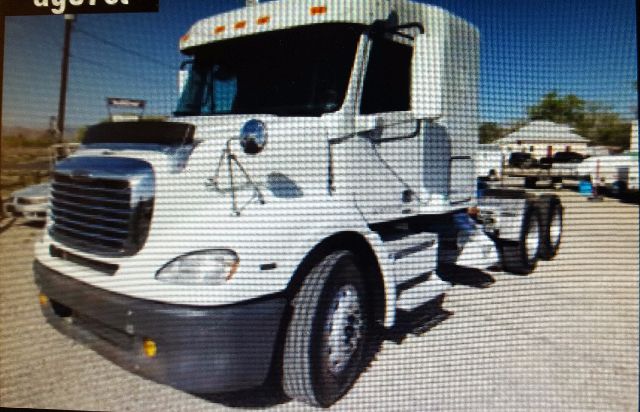
Showing 13 to 13 of 13 results
Have used freightliner truck to sell? List it here to reach thousands of buyers.
About Used Freightliner Trucks in Colorado
For over-the-road freight, used Freightliner Cascadia sleepers are often spec’d with Detroit DD15 engines, DT12 automated manual transmissions, 40,000 lb rear axles, and aerodynamic packages that include side fairings and cab extenders. Common horsepower ratings fall in the 425 to 505 HP range, with rear axle ratios such as 2.64, 2.85, or 3.08 depending on cruise speed, terrain, and freight weight. In Colorado, gearing and engine brake performance matter because mountain grades can quickly expose a weak spec. A 2.64 ratio may favor fuel economy on flatter lanes, while a 2.85 or 3.08 setup can be a better fit for heavier loads, mixed terrain, or regional work with more elevation change. Raised-roof 72-inch sleepers are especially common because they support team operations, extended runs, and better driver retention.
For local and regional operations, a used Freightliner M2 106 day cab or straight truck is a practical platform for box trucks, delivery units, and service bodies. Buyers should pay close attention to GVWR, rear axle rating, body length, door type, and cargo-control features such as E-track, scuff liners, liftgates, and wood floors. A medium-duty Freightliner with a Detroit DD8 and automatic transmission is often chosen for urban and front-range delivery because it is easy to operate, maneuverable, and well supported in fleet service channels. Wheelbase becomes a major decision on straight trucks because it affects body upfit options, turning radius, and bridge law flexibility.
Condition matters more than model year alone on a used Freightliner. Review engine hours, mileage, ECM data when available, brake type, suspension spec, tire condition, and signs of prior fleet maintenance. On Cascadia models, it is smart to inspect emissions system history, aftertreatment service records, fifth wheel condition, and bunk HVAC operation. On M2 trucks, check body integrity, liftgate operation, roll-up door wear, and evidence of repeated dock impact. Freightliner remains a strong used-truck category because buyers can usually find familiar Detroit power, standardized controls, and a service network that supports uptime across Colorado and interstate lanes.
Frequently Asked Questions
What are the most common used Freightliner truck models buyers look for in Colorado?
The most common used Freightliner truck models in Colorado are typically the Cascadia for highway tractor work and the M2 106 for medium-duty straight truck and delivery applications. The Cascadia is widely used in sleeper and day cab configurations for regional and long-haul freight, while the M2 106 is frequently found with van bodies, flatbeds, reefer bodies, and other vocational upfits. The right choice depends on whether the truck will spend most of its time on interstate lanes, mountain grades, city routes, or local delivery stops.
Is a Freightliner Cascadia with a Detroit DD15 and DT12 a good used spec?
A Cascadia with a Detroit DD15 engine and DT12 automated manual transmission is one of the most common and proven used fleet specs in the market. It is popular because it balances fuel efficiency, driver acceptance, and serviceability. Buyers should still look past the basic spec and verify horsepower rating, rear axle ratio, maintenance history, aftertreatment service, clutch and transmission calibration history, and whether the gearing matches the intended freight and terrain.
What axle ratio is best on a used Freightliner in Colorado?
The best axle ratio depends on route profile and payload. A lower numerical ratio such as 2.64 is often selected for fuel economy on highway lanes, while ratios like 2.85 or 3.08 can be better for mountain driving, heavier loads, and regional work with more starts, climbs, and speed changes. In Colorado, axle ratio should be evaluated together with engine horsepower, transmission spec, tire size, and expected cruising speed because those factors determine gradeability and drivability.
What should I inspect on a used Freightliner M2 106 straight truck?
On a used Freightliner M2 106, inspect both the chassis and the body. Confirm engine and transmission condition, brake wear, suspension type, steering feel, and tire condition. Then inspect body-specific items such as the floor, roof, sidewalls, E-track, scuff plates, roll-up door, and liftgate operation. If the truck has spent time on city routes, look carefully for frame corrosion, repeated curb or dock contact, and signs of hard stop-and-go service.
Are used Freightliner trucks easy to service and maintain?
Used Freightliner trucks are generally considered easier to support than many lower-volume brands because they have broad dealer coverage, strong independent shop familiarity, and common drivetrain combinations. That does not remove the need for a detailed inspection, but it does help with parts sourcing and technician access. For buyers running Colorado and surrounding states, that service network can be a meaningful advantage when uptime is critical.