
Used 2022 Freightliner Trucks For Sale in Illinois
Shop used 2022 Freightliner trucks in Illinois, including Cascadia sleepers and day cabs with DD15 power, DT12 transmissions, and aero specs.
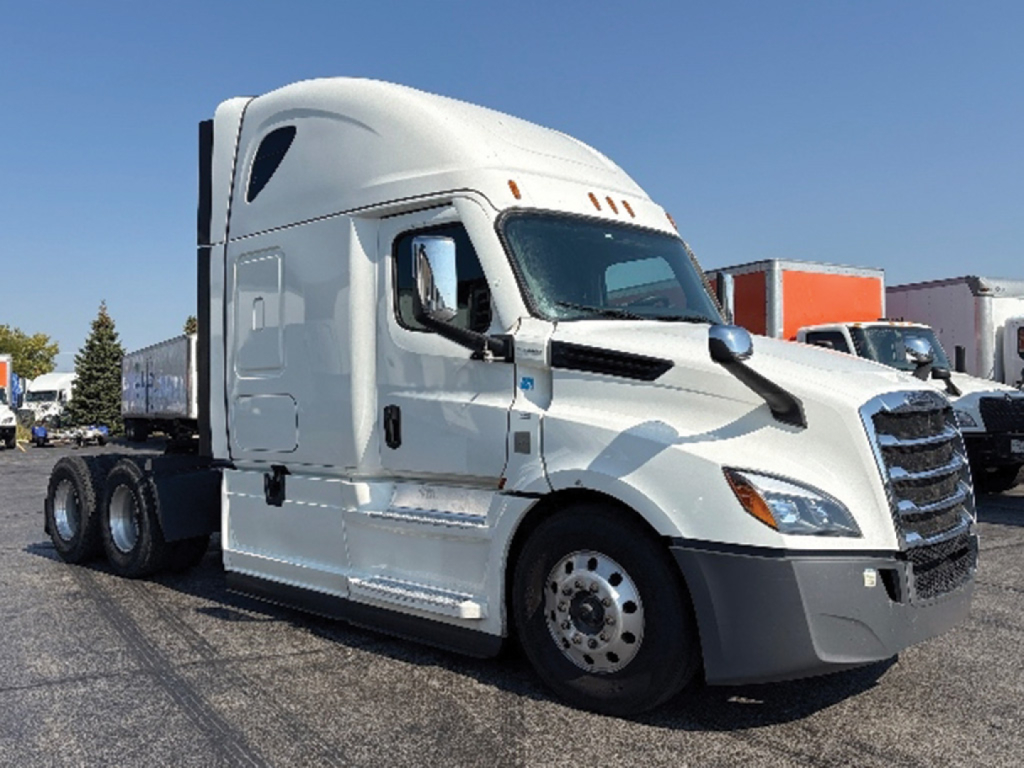

Looking for the easiest place to sell your used 2022 freightliner truck? List it here to reach thousands of buyers.
Used 2022 Freightliner Trucks in Illinois
A 2022 Freightliner Cascadia sleeper is commonly found with a raised-roof bunk, aerodynamic fairings, dual fuel tanks, and a 40,000-pound rear axle setup. That makes it a natural fit for over-the-road freight, regional irregular route work, and dedicated contract lanes where uptime and fuel burn matter more than heavy vocational capability. A day cab version of the same truck is often better suited for local and regional van, reefer, and drop-and-hook operations. In Illinois, that distinction matters. Long-haul lanes running Chicago to the Southeast or Plains states may favor a sleeper with taller gearing, while local freight around intermodal ramps, warehouses, and manufacturing corridors may call for a shorter wheelbase day cab that is easier to maneuver and quicker to turn.
The spec sheet deserves a close read on any used 2022 Freightliner truck. Rear axle ratios such as 2.16, 2.28, or 2.85 change how the truck performs at highway speed and under load. Disc brakes, air ride suspension, air slide fifth wheels, and low-profile 22.5 tires are common road-spec features that affect maintenance planning and resale appeal. Many 2022 Freightliners also carry driver-assist and safety technology such as collision mitigation systems, along with comfort items like bunk heaters, power windows, cruise control, and tilt-telescoping steering. These are not minor details. They directly affect driver acceptance, especially in a tight labor market, and they can reduce preventable downtime tied to neglected ergonomics or poor spec matching.
For most buyers, the value in a used 2022 Freightliner truck comes from balancing emissions-era reliability, remaining service life, and application fit. Freightliner remains one of the most common Class 8 truck brands on the road, which supports parts availability, aftermarket knowledge, and easier resale compared with more limited platforms. A buyer should review engine hours, maintenance records, idle time, tire condition, brake wear, aftertreatment service history, and any telematics or safety system faults before committing. The best 2022 Freightliner truck is rarely just the lowest-mile unit. It is the truck with the right cab configuration, gearing, powertrain, and chassis spec for the lanes it will actually run.
Frequently Asked Questions about Used 2022 Freightliner Trucks in Illinois
What is the most common used 2022 Freightliner truck configuration?
The most common used 2022 Freightliner truck on the highway market is the Cascadia, usually in a conventional tractor configuration. Buyers will often see both raised-roof sleeper models for over-the-road work and day cab models for local or regional hauling. Many are equipped with Detroit DD15 engines, DT12 automated transmissions, air ride suspension, and aerodynamic body components designed to improve fuel economy.
Is a used 2022 Freightliner Cascadia better for long-haul or regional work?
A used 2022 Freightliner Cascadia can work well in both roles, but the exact spec determines the better fit. Sleeper models with larger fuel capacity, raised roofs, and highway-oriented axle ratios are generally better for long-haul freight. Day cabs with shorter wheelbases and local gearing are usually a better choice for regional delivery, intermodal, or dedicated shuttle routes. The key is matching axle ratio, wheelbase, and cab style to the route profile.
What should buyers inspect on a used 2022 Freightliner truck?
Buyers should inspect the engine and aftertreatment history first, including fault codes, DPF and SCR service records, idle hours, and any signs of coolant or oil leaks. Transmission operation, clutch calibration on DT12 units, brake condition, suspension wear, tire wear pattern, and fifth wheel movement should also be checked. A full electronic diagnostic scan and maintenance file review are especially important on late-model Freightliner trucks because many performance and emissions issues show up in data before they become obvious in operation.
Are used 2022 Freightliner trucks expensive to maintain?
Maintenance cost depends heavily on prior care, mileage, and duty cycle, but Freightliner trucks are generally considered manageable to maintain because of their broad dealer network and strong parts availability. Detroit powertrains are widely supported, and many independent shops are familiar with the platform. Costs can rise if a truck has deferred emissions maintenance, heavy idle time, or neglected suspension and brake components, so service history matters more than model year alone.
Why do axle ratio and wheelbase matter on a used 2022 Freightliner?
Axle ratio and wheelbase have a direct effect on fuel economy, maneuverability, drivability, and the kind of freight the truck handles best. A taller ratio can reduce engine rpm at highway speed and improve fuel economy on long runs, while a shorter ratio may provide better pulling power for heavier loads or frequent stop-and-go use. Wheelbase affects turning radius, trailer gap, and ride quality, so it should be matched to the trailer type, lane length, and dock environment.