
Used 2019 Freightliner Trucks For Sale in Nebraska
Browse used 2019 Freightliner trucks in Nebraska, including road-ready fleet specs, common engines, sleeper setups, and buyer-focused details.
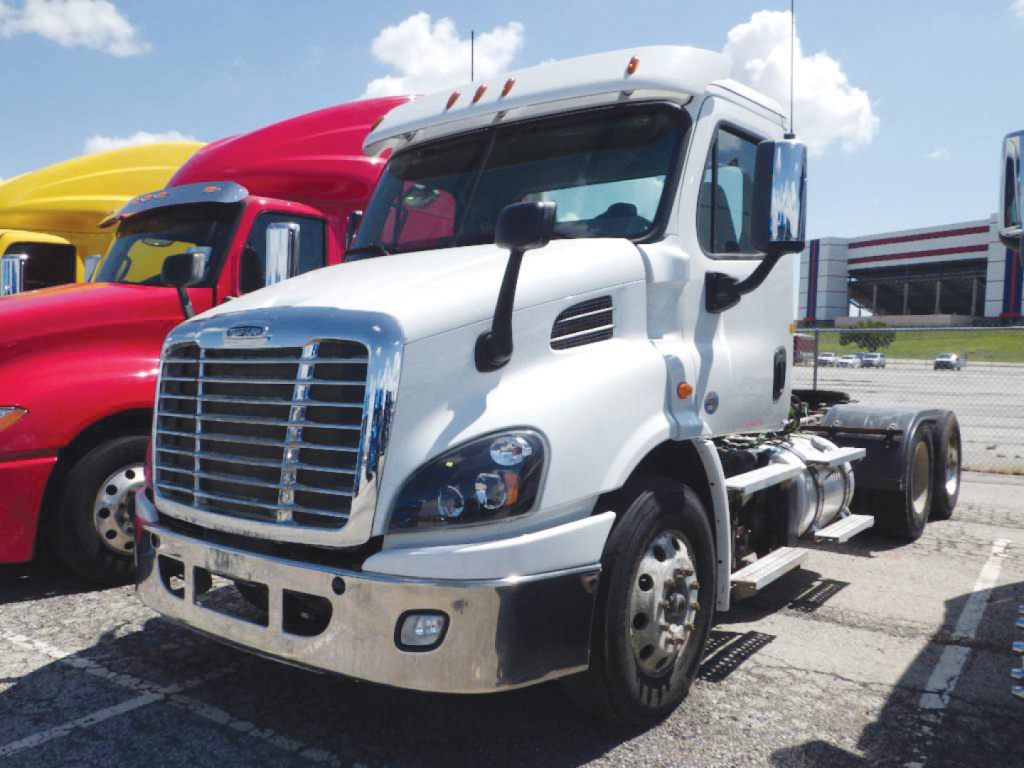
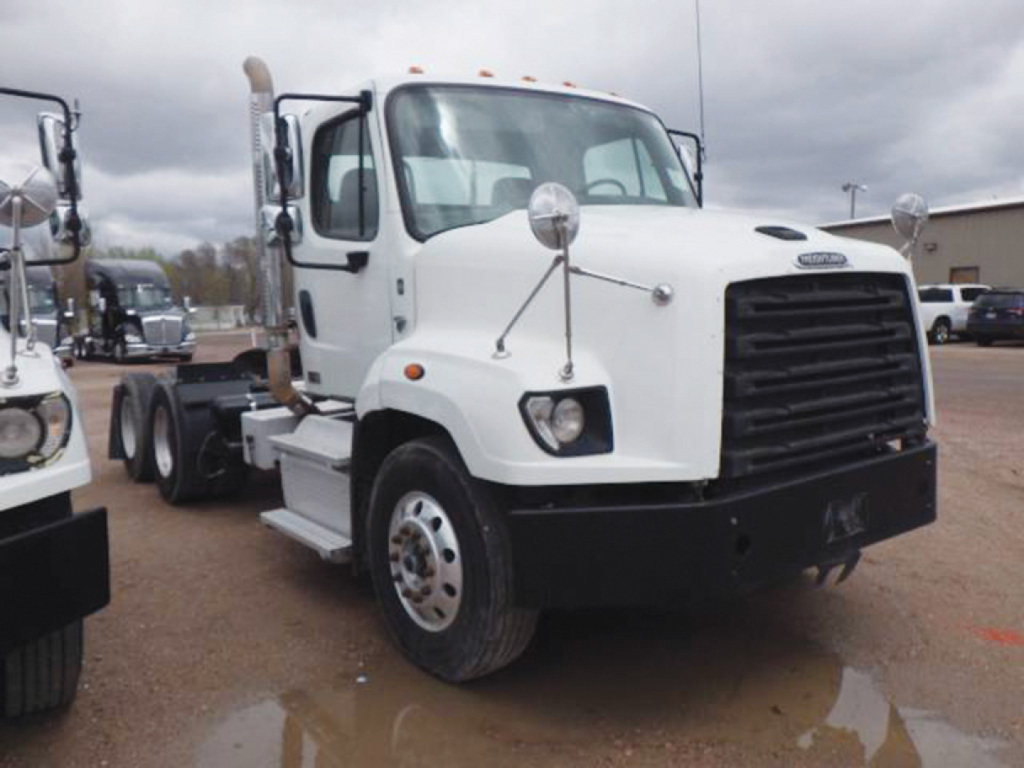
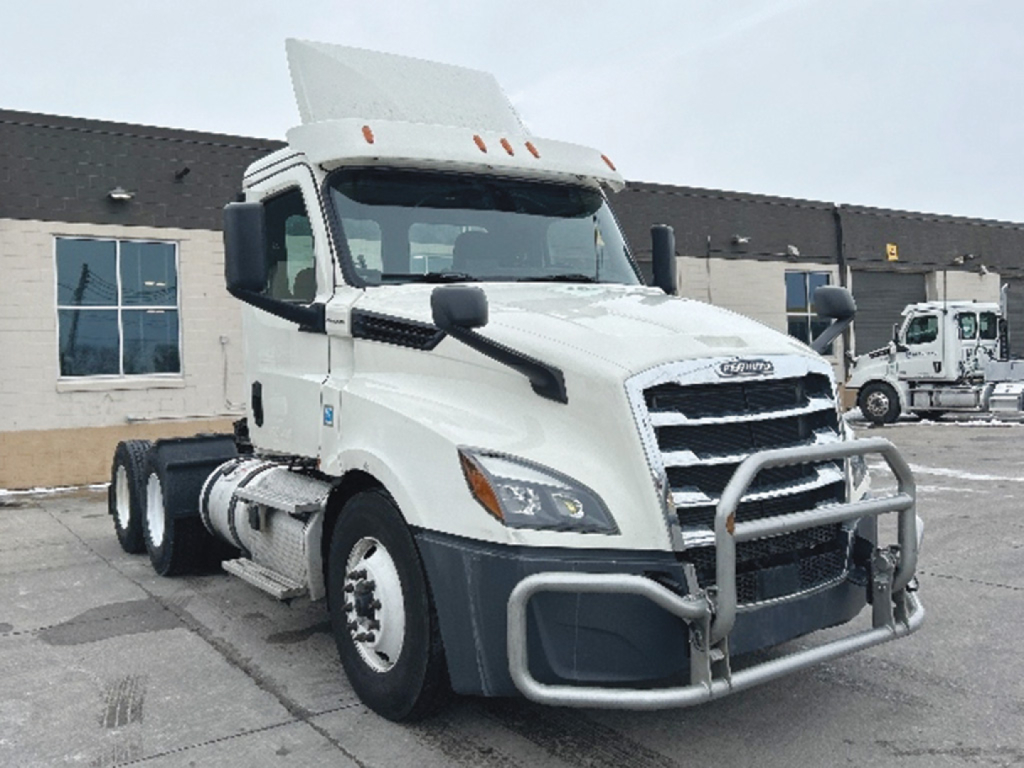
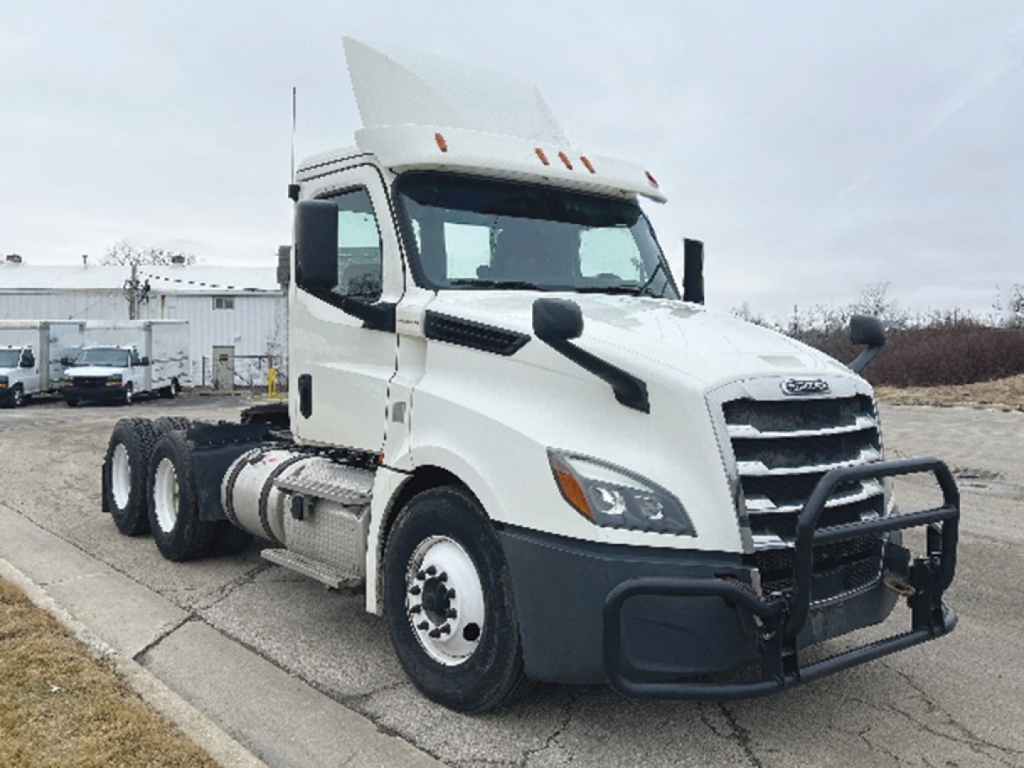
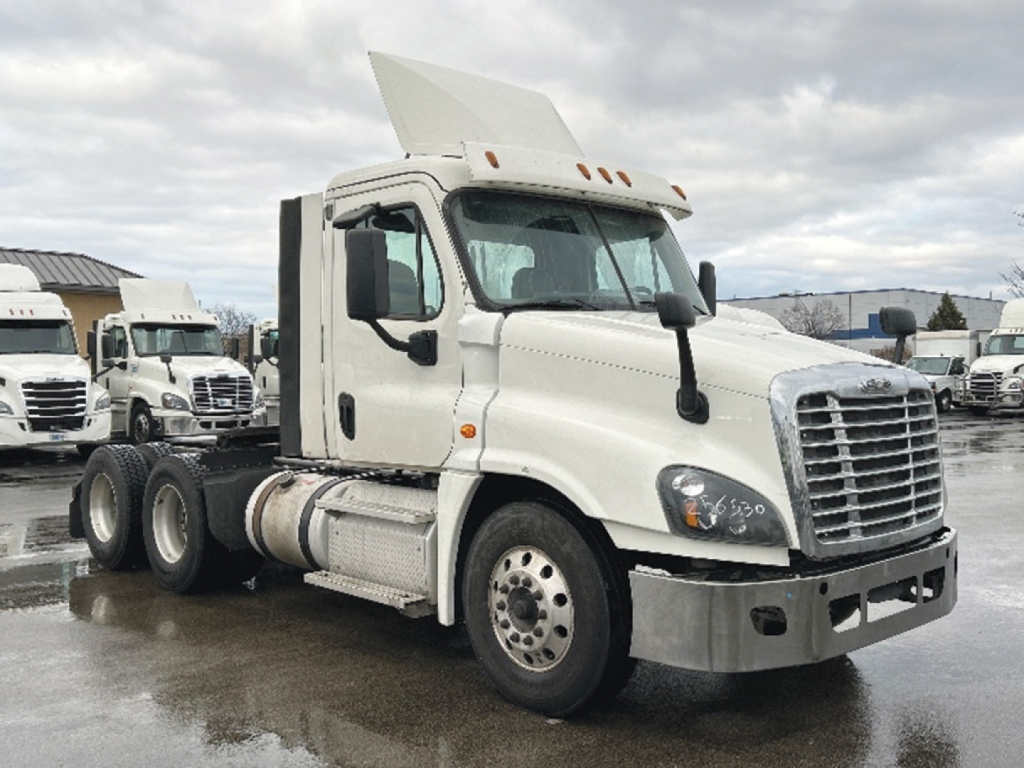
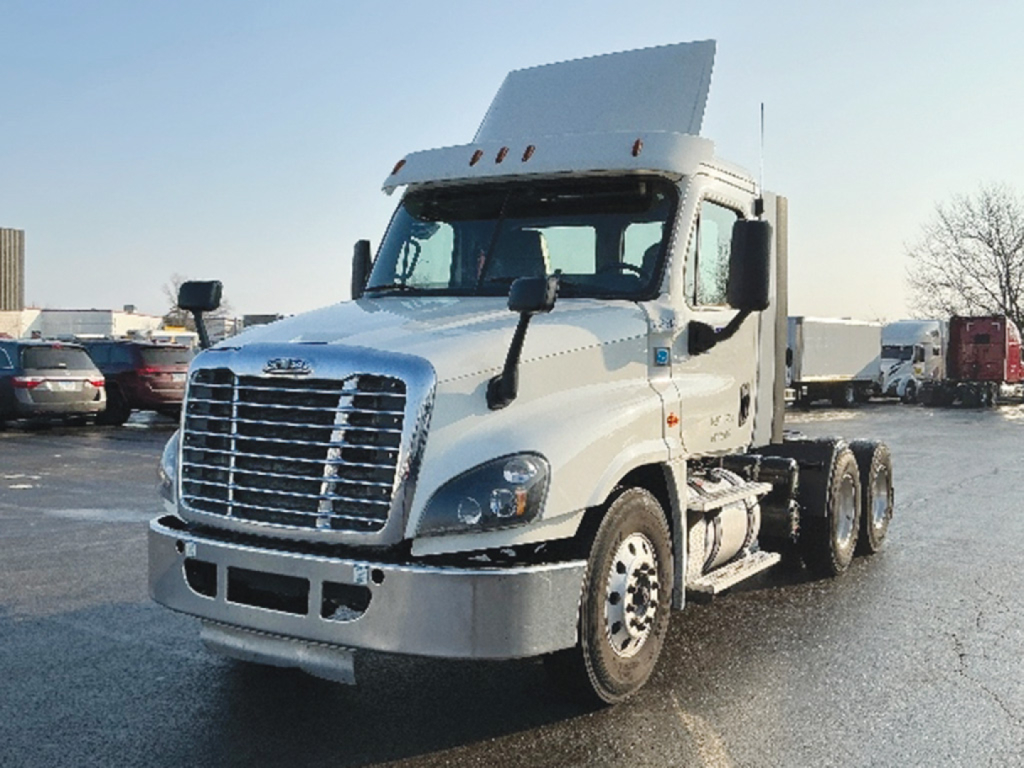
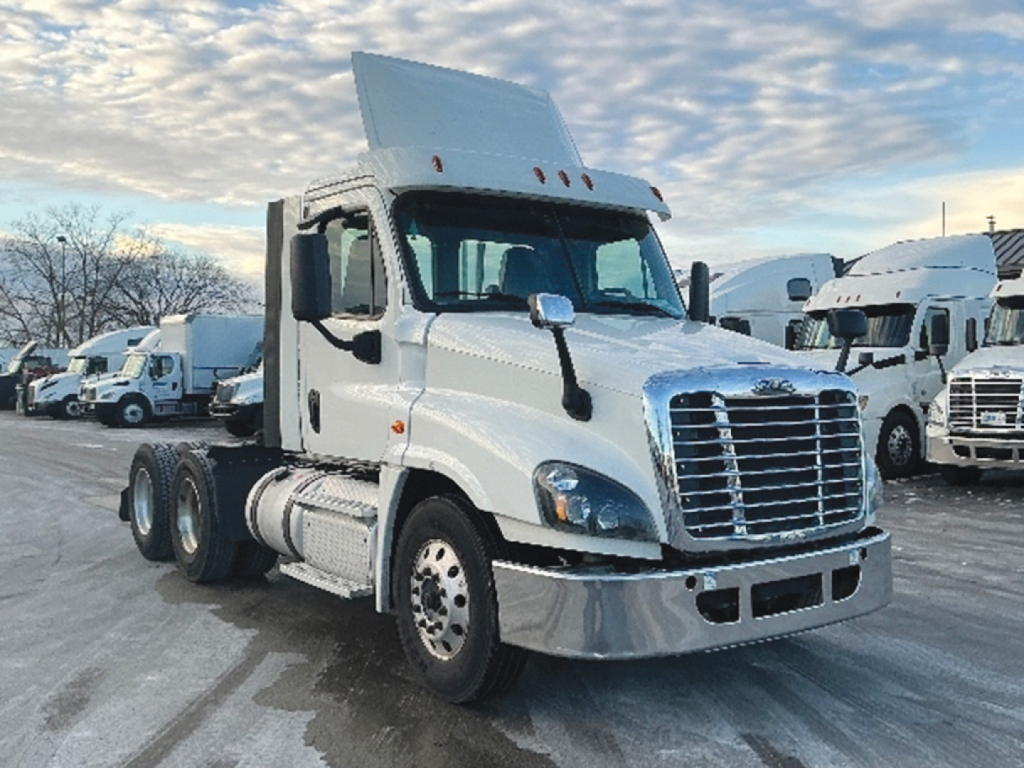
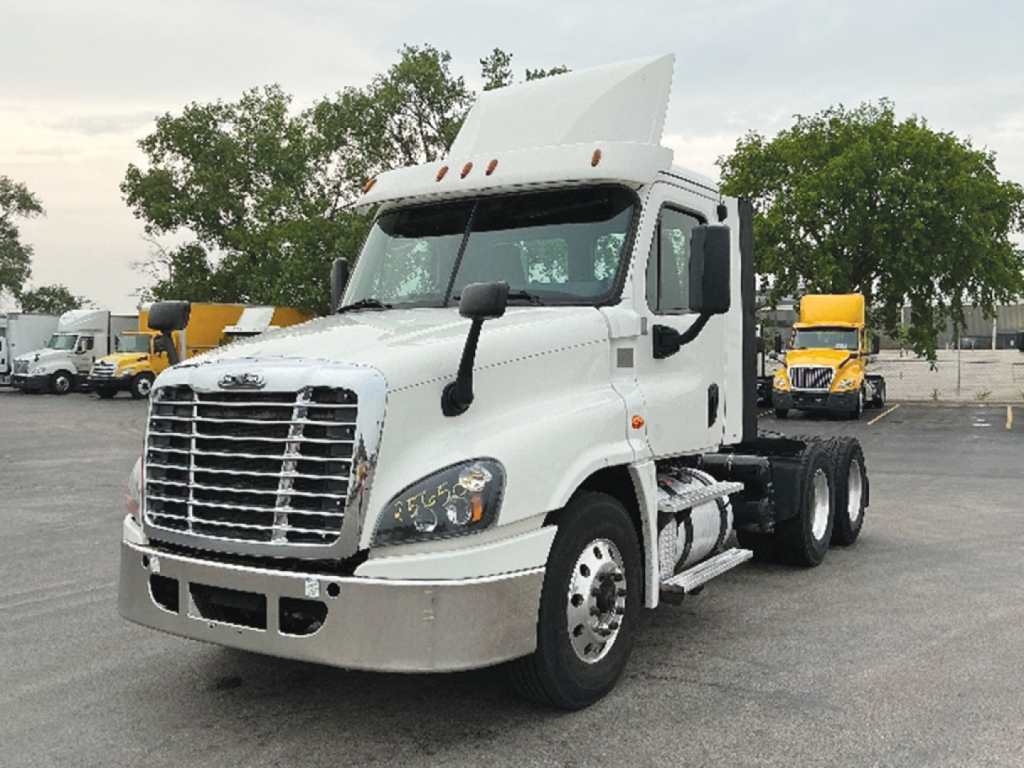

Selling a used 2019 freightliner truck? List your used 2019 freightliner truck for sale and reach thousands of commercial buyers.
Used 2019 Freightliner Trucks in Nebraska
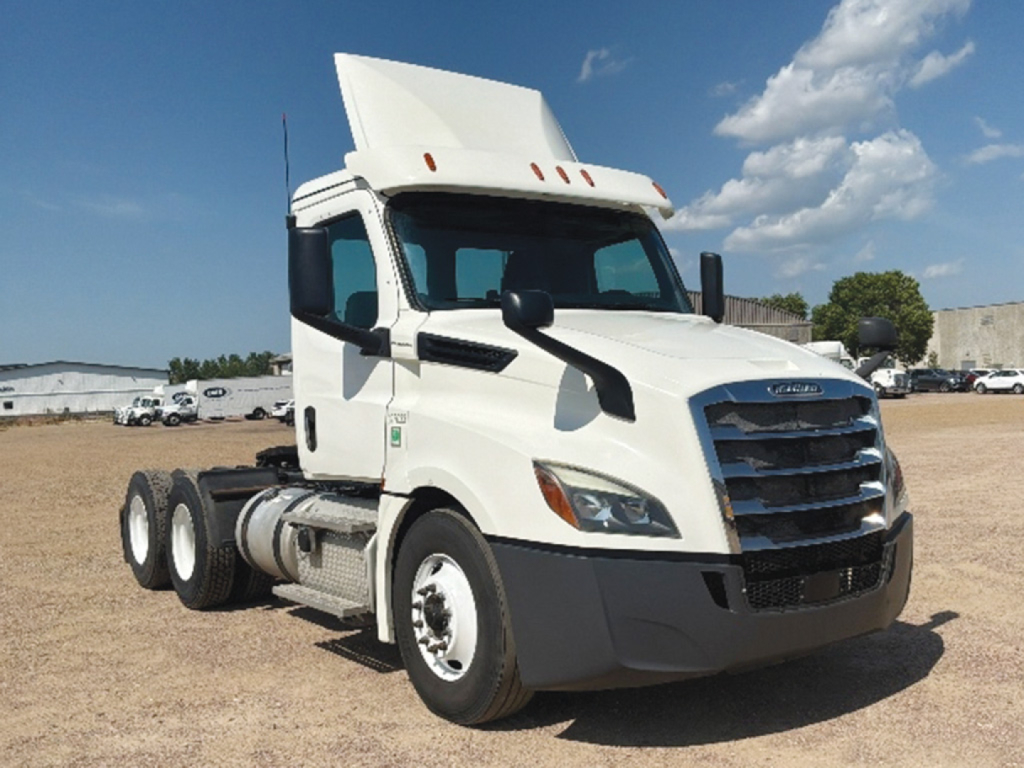
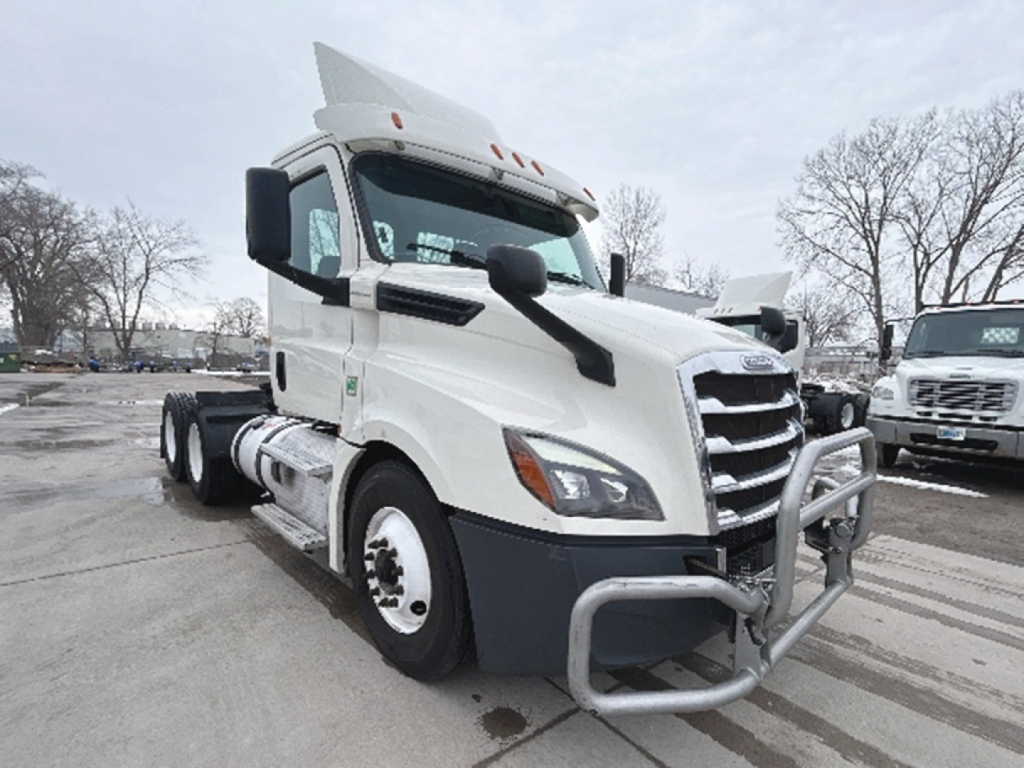
The first buying decision is usually application. A 2019 Freightliner day cab fits local haul, dedicated regional lanes, and vocational-adjacent tractor work where sleeper space is unnecessary. A raised-roof or mid-roof sleeper is better suited for longer turns across I-80 and multistate freight where bunk space, fuel capacity, and wheelbase matter. Common power in this year includes Detroit DD13 and DD15 engines, often paired with the DT12 automated manual transmission, though some units may be spec'd with manual gearboxes or alternative engine packages. Rear axle ratings around 40,000 pounds, ratios such as 2.64, 2.85, or 3.08, and air ride suspension are all worth checking because they directly affect cruise RPM, fuel economy, startability, and ideal lane assignment.
Nebraska buyers should pay close attention to how a 2019 Freightliner was originally spec'd and maintained. Trucks that spent their life in long-haul service may have higher miles but often carry desirable highway specs such as fairings, cab extenders, disc brakes, collision mitigation, air slide fifth wheels, and dual aluminum fuel tanks. Regional or dedicated fleet units may show more stop-and-go wear but can still be strong values if service records are solid. Look closely at emissions history, overhead fault activity, DPF and SCR service, coolant and oil maintenance intervals, kingpin and suspension wear, and the condition of the steering components and driveline. On sleeper trucks, check bunk HVAC, APU operation if equipped, mattress platform condition, and signs of excessive idle hours.
Freightliner remains popular because ownership costs are generally predictable and the trucks are easy to place back into work. Cab ergonomics, good parts availability, and broad dealer coverage help limit downtime, especially for fleets and owner-operators running hard in the central states. A well-bought 2019 Freightliner can still be a very efficient revenue truck, but the right one depends on matching horsepower, wheelbase, axle ratio, sleeper size, and maintenance history to the freight you actually haul.
Frequently Asked Questions about Used 2019 Freightliner Trucks in Nebraska
What are the most common 2019 Freightliner truck configurations buyers look for?
The most common 2019 Freightliner configurations are conventional tractors, especially Cascadia day cabs and sleeper trucks. Day cabs are usually chosen for local delivery, dedicated regional freight, and short-haul operations. Sleeper models, including mid-roof and raised-roof layouts, are more common in over-the-road service where driver comfort, fuel capacity, and wheelbase become more important. Buyers should match the cab style to route length, trailer type, and payload demands rather than shop by appearance alone.
Which engines and transmissions are common in a used 2019 Freightliner?
Detroit powertrains are the most common in 2019 Freightliner highway trucks, especially the DD13 and DD15. Many are paired with the DT12 automated manual transmission, which is popular in fleet service because it simplifies driver operation and can support fuel economy goals. Some trucks may have different engine ratings or transmission specs, so it is important to confirm horsepower, torque, rear axle ratio, and intended duty cycle. Those four items together tell more about drivability and operating cost than engine brand alone.
What should I inspect first on a used 2019 Freightliner truck?
Start with maintenance documentation, engine hours, and any available fault history. After that, inspect emissions components, including DPF and SCR service records, because deferred emissions maintenance can create expensive downtime. Then look at suspension wear, kingpins, steer axle condition, brakes, tires, and driveline play. On DT12-equipped trucks, shift quality and software history also matter. If the truck is a sleeper, verify bunk HVAC, seals, electrical accessories, and idle management equipment before making a final decision.
Is a 2019 Freightliner still a good truck for fleet or owner-operator use?
A 2019 Freightliner can still be a strong fit for both fleets and owner-operators if the truck was spec'd correctly and maintained on schedule. It is new enough to offer modern safety and aerodynamic features, but old enough that purchase pricing is typically more approachable than late-model replacements. Freightliner also benefits from broad parts availability and a large service network, which is important for minimizing downtime. The best value comes from choosing a truck whose mileage, engine rating, axle ratio, and cab configuration match the work it will do.
Why do axle ratio and wheelbase matter on a 2019 Freightliner?
Axle ratio and wheelbase have a direct effect on fuel economy, maneuverability, and job suitability. A taller highway ratio such as 2.64 or 2.85 usually favors lower RPM cruising and fuel savings on long interstate runs. A deeper ratio such as 3.08 may be better when the truck sees heavier loads, more grade changes, or more frequent starts. Wheelbase affects turning radius, fifth wheel placement, bridge law flexibility, and ride quality, so it should be evaluated with the trailer type and operating region in mind.