
Used 2018 Freightliner Trucks For Sale in New York
Shop used 2018 Freightliner trucks in New York. Compare Cascadia specs, DD13 and DD15 engines, sleeper and day cab setups, and axle ratings.
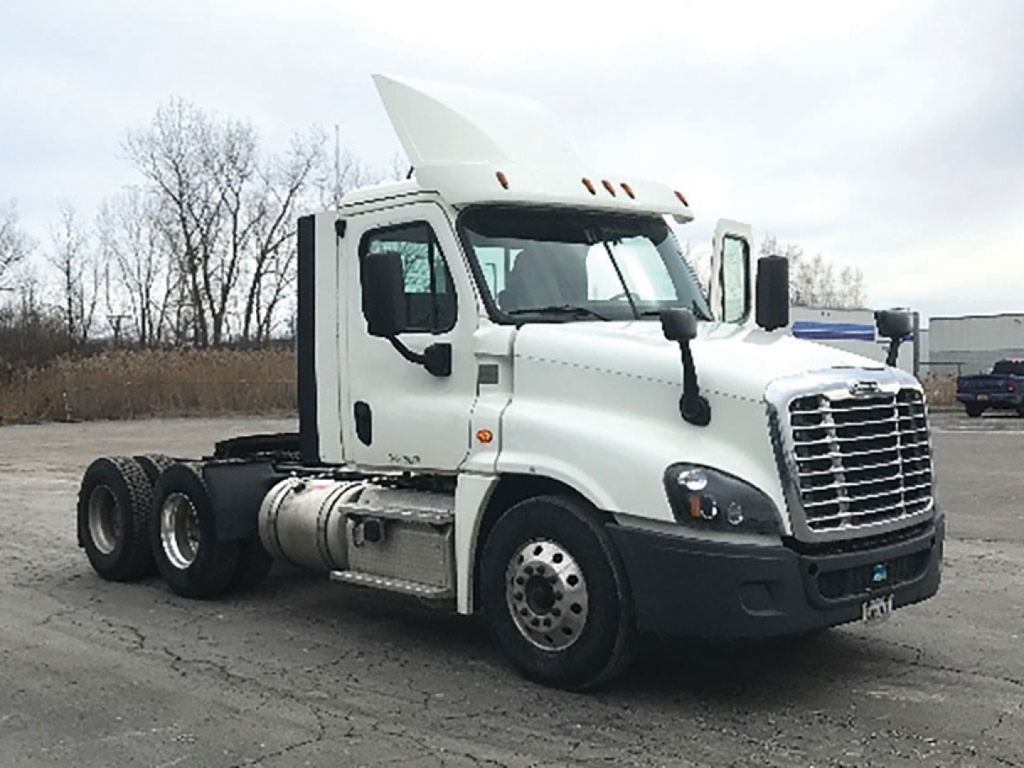
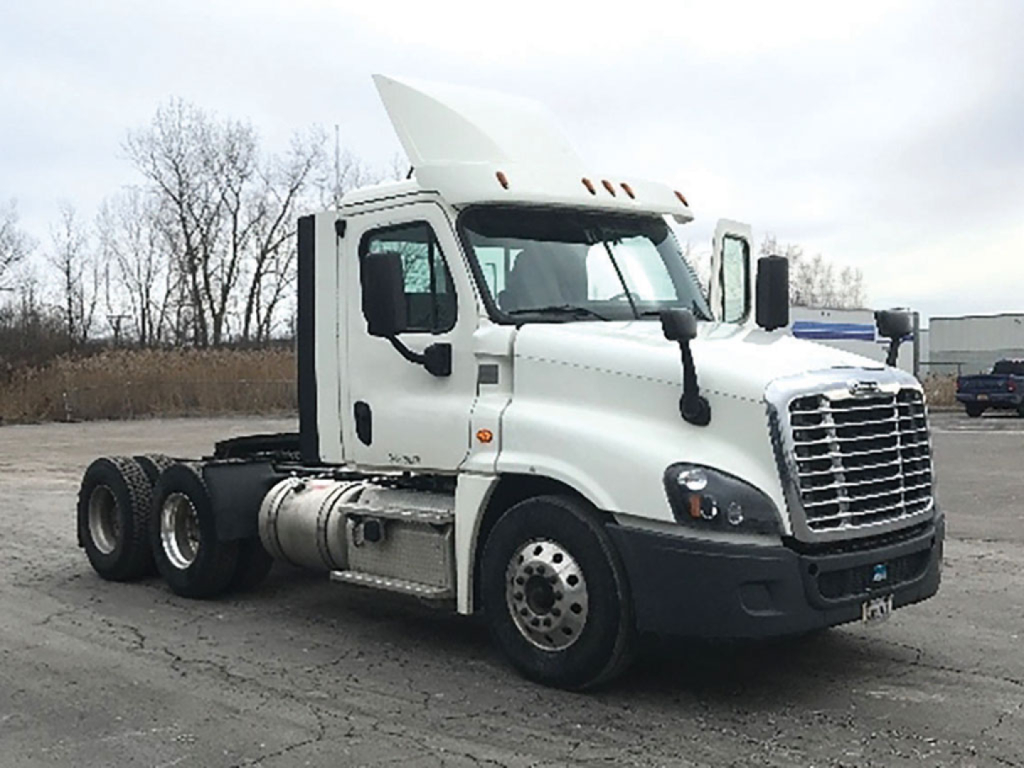
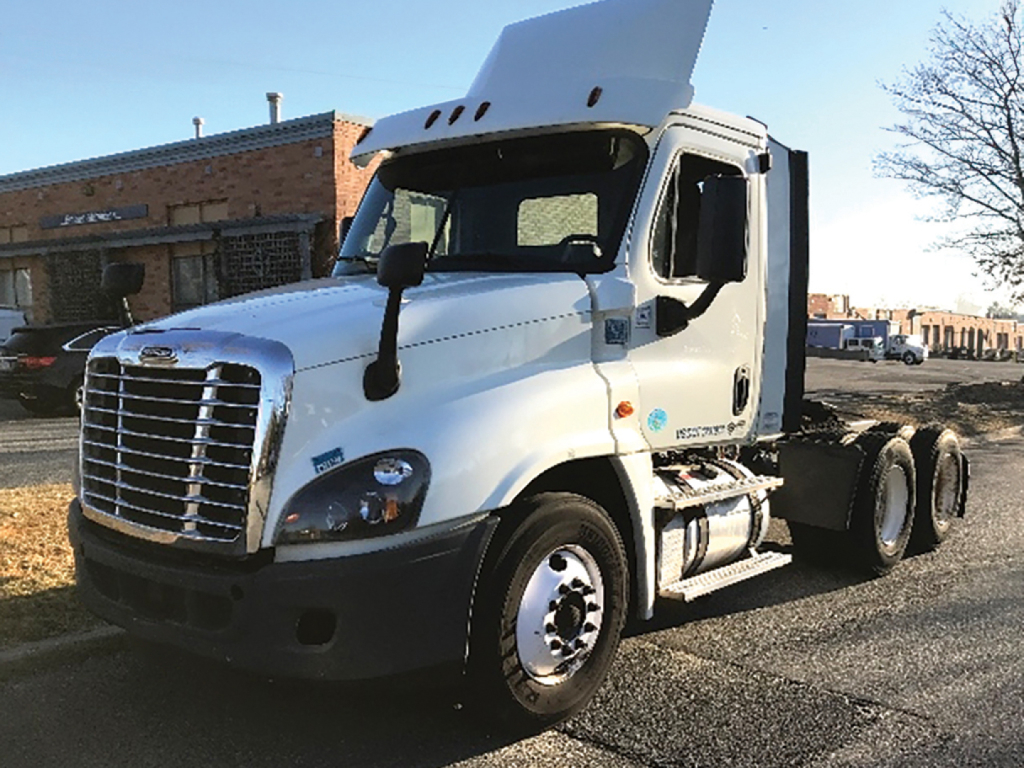
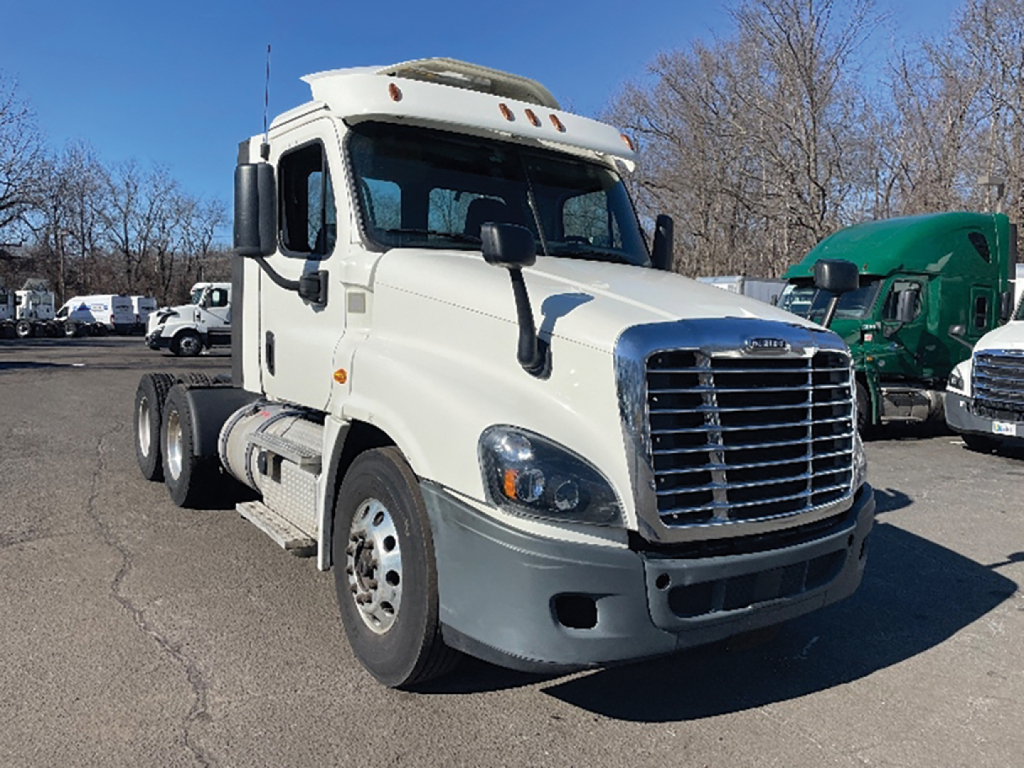
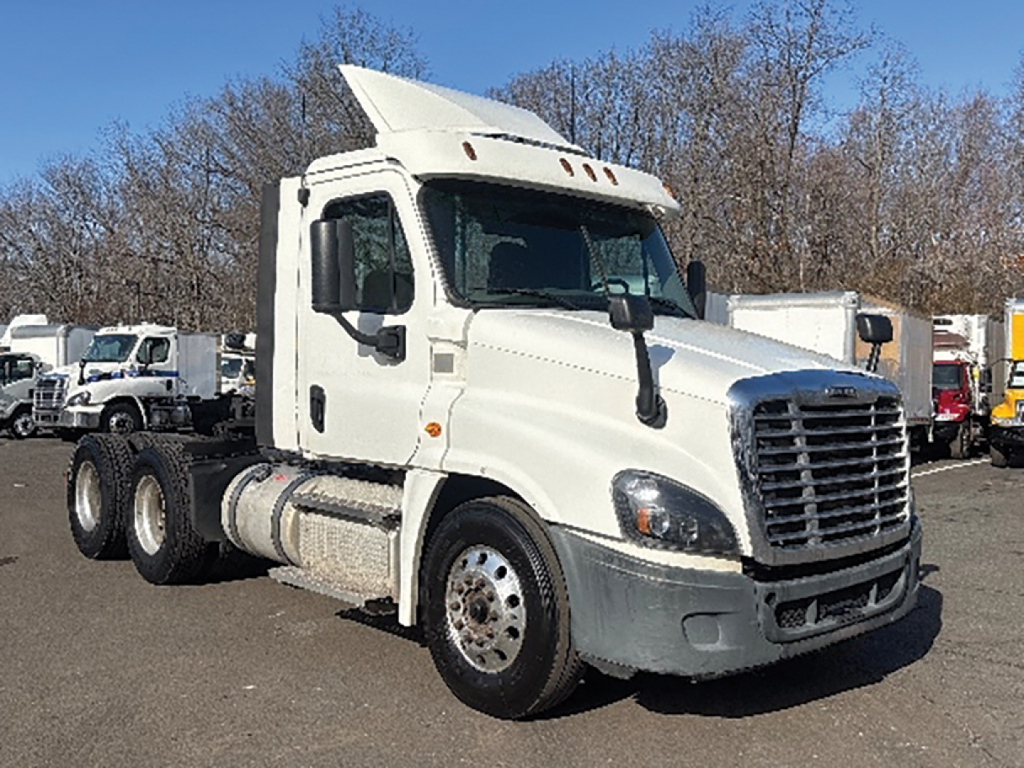
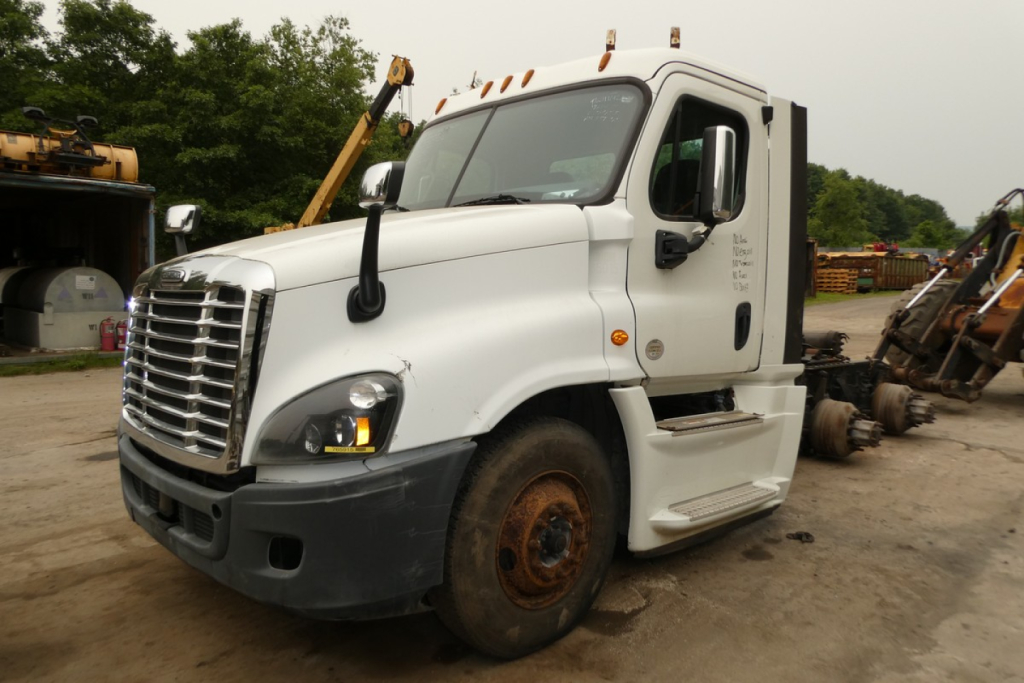
Have used 2018 freightliner truck to sell? List it here to reach thousands of buyers.
Used 2018 Freightliner Trucks in New York
Powertrain choice matters more than almost any other buying decision in a used Freightliner. In this year range, buyers commonly look for Detroit DD13 or DD15 engines paired with a manual Fuller or Detroit DT12 automated transmission. A DD13-equipped truck often makes sense for regional freight and weight-conscious operations, while a DD15 is the usual pick for heavier linehaul and fleets that want stronger torque at highway speed. Rear axle ratings around 23,000 pounds are common on lighter day cabs, while tandem setups with 40,000-pound rears are typical on sleeper tractors. Gear ratios such as 2.64, 2.85, 3.08, or 3.36 can change the truck's personality quite a bit, so buyers should match ratio, transmission, and tire size to their actual routes, average gross weight, and cruise speed.
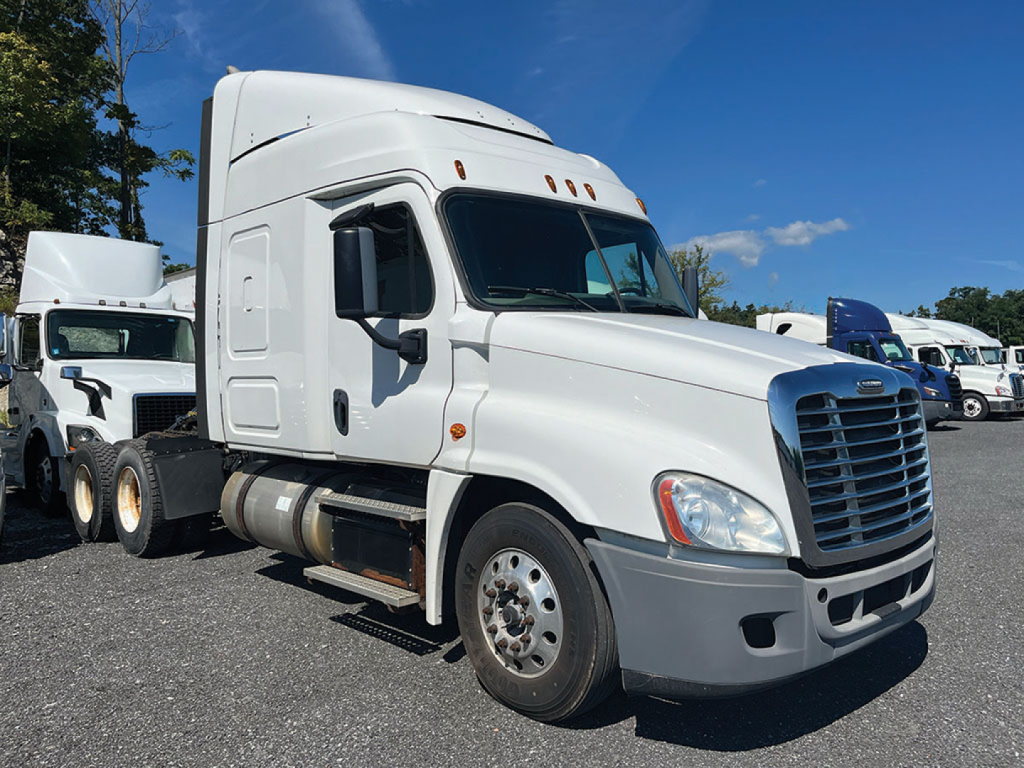
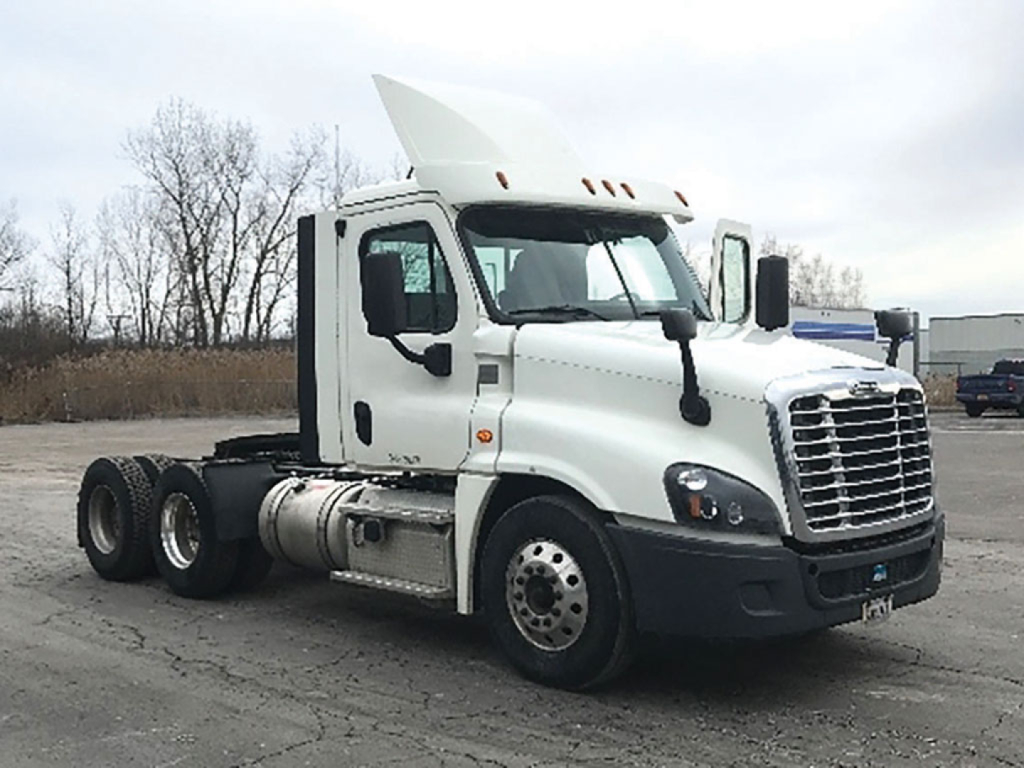
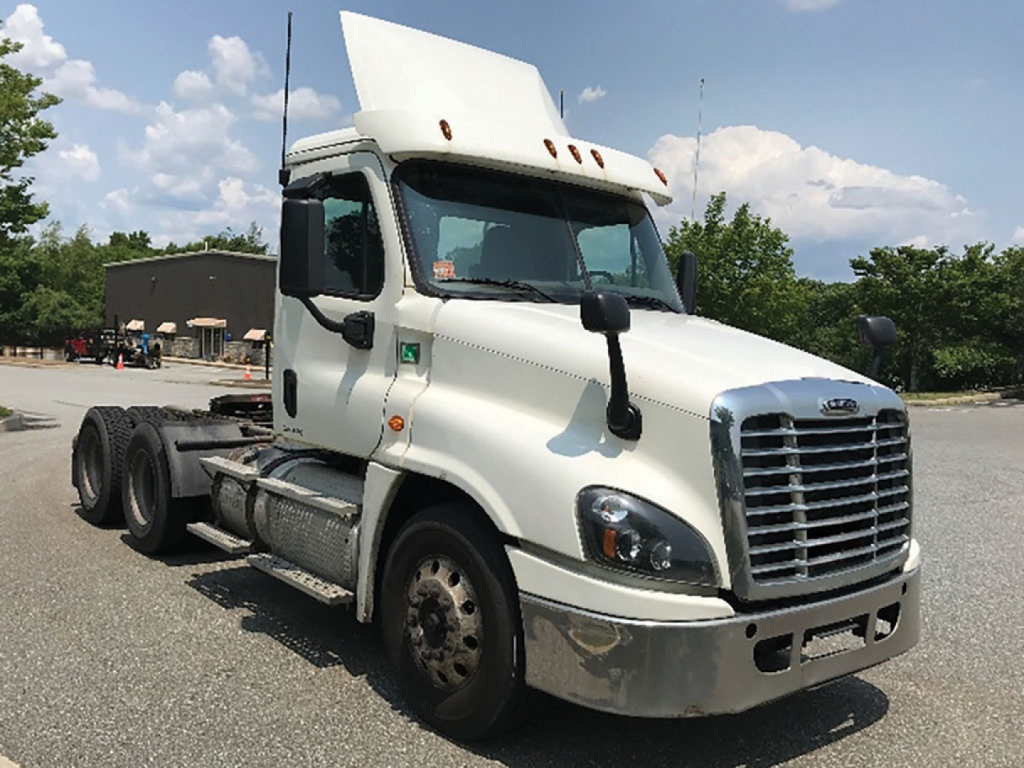
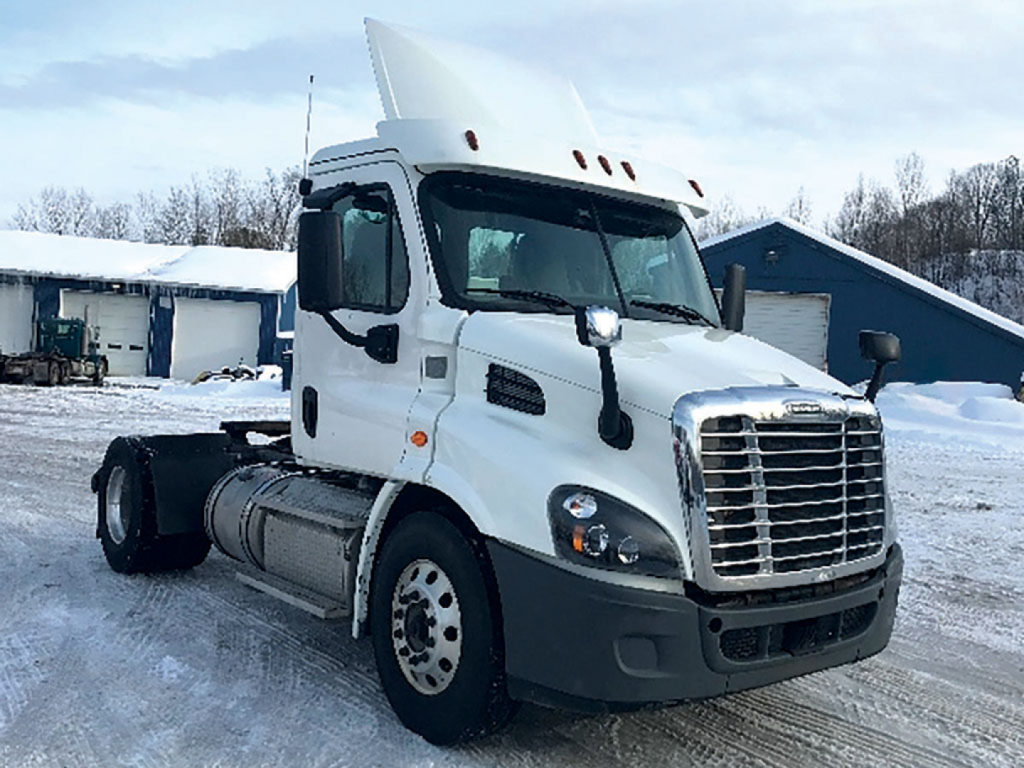
A 2018 Freightliner should also be evaluated on cab and chassis specs, not just engine hours or odometer. Wheelbase, fifth wheel position, fuel capacity, suspension type, and roof height all affect resale and day-to-day usability. New York buyers often need trucks that can handle a mix of interstate work, tighter urban access, toll roads, and winter weather, so practical details like fairings, bunk heater, air ride suspension, locking differentials, and tire condition deserve close attention. For sleeper models, check bunk layout, HVAC performance, and idle-management features. For day cabs, look at frame condition, PTO readiness if needed, and whether the truck has a fixed or sliding fifth wheel. Corrosion around battery boxes, frame rails, crossmembers, and cab mounts is worth a careful inspection in Northeast service.
The best used 2018 Freightliner truck is usually the one with the clearest service history and the right spec for the job, not simply the highest horsepower or lowest price. Buyers should verify aftertreatment service records, fault code history, clutch life on manual units, and calibration updates on DT12-equipped trucks. A strong maintenance file on EGR, DPF, DEF, and turbo components can save significant downtime later. Freightliner trucks from this period are known for driver familiarity, decent fuel economy, and broad parts availability, which makes them a practical choice for single-truck operators and fleets alike. When comparing listings, focus on engine family, transmission type, axle ratio, suspension, wheelbase, and cab configuration first. Those specs determine how well the truck will perform in real freight service.
Frequently Asked Questions about Used 2018 Freightliner Trucks in New York
What are the most common 2018 Freightliner truck models buyers look for?
The most common used 2018 Freightliner trucks are typically Cascadia day cabs and sleeper tractors, especially the Cascadia 113 and Cascadia 126. The 113 is often selected for regional work, local freight, and fleet applications where maneuverability and lighter spec matter. The 126 is more common in long-haul and higher-horsepower sleeper configurations, where buyers want more room for fuel capacity, wheelbase options, and highway-oriented driveline setups.
Is a DD13 or DD15 better in a used 2018 Freightliner?
A Detroit DD13 is usually a strong fit for regional haul, lighter gross weights, and operations focused on fuel economy and lower tare weight. A Detroit DD15 is generally the better choice for heavy linehaul, mountain routes, and applications that need more torque reserve at highway speed. The better engine depends on average trailer weight, terrain, annual miles, and transmission pairing. Service history is just as important as engine model when evaluating a used truck.
What should I inspect first on a used 2018 Freightliner truck in New York?
Start with the emissions system, maintenance records, and chassis condition. On a Northeast truck, rust and corrosion around frame rails, suspension components, battery boxes, and crossmembers can be as important as engine condition. Buyers should also check DPF and DEF system history, active and inactive fault codes, tire wear, brake condition, kingpins, suspension bushings, and evidence of collision or frame repair. A truck that looks clean but has poor aftertreatment history can become expensive quickly.
Are 2018 Freightliner trucks good for fleet use and owner-operators?
Yes. Used 2018 Freightliner trucks are commonly chosen by both fleets and owner-operators because they are familiar to drivers, relatively easy to service, and widely supported for parts. Fleets often value the consistency of Detroit powertrains and standardized cab layouts, while owner-operators tend to focus on fuel economy, ride quality, and a lower purchase price than newer model years. The key is choosing the right cab style and driveline spec for the intended work.
What specs matter most when comparing used 2018 Freightliner listings?
The most important specs are engine model, horsepower and torque rating, transmission type, rear axle ratio, wheelbase, suspension, axle ratings, and cab configuration. Those items affect fuel economy, payload suitability, maneuverability, and driver comfort more than cosmetic details. Buyers should also compare fuel tank size, sleeper height, fifth wheel setup, and tire size, because those details change how the truck fits a specific lane or trailer type.