
Used 2017 Freightliner Trucks For Sale in Pennsylvania
Browse used 2017 Freightliner trucks in Pennsylvania, including Cascadia and M2 models for regional haul, vocational work, and fleet use.
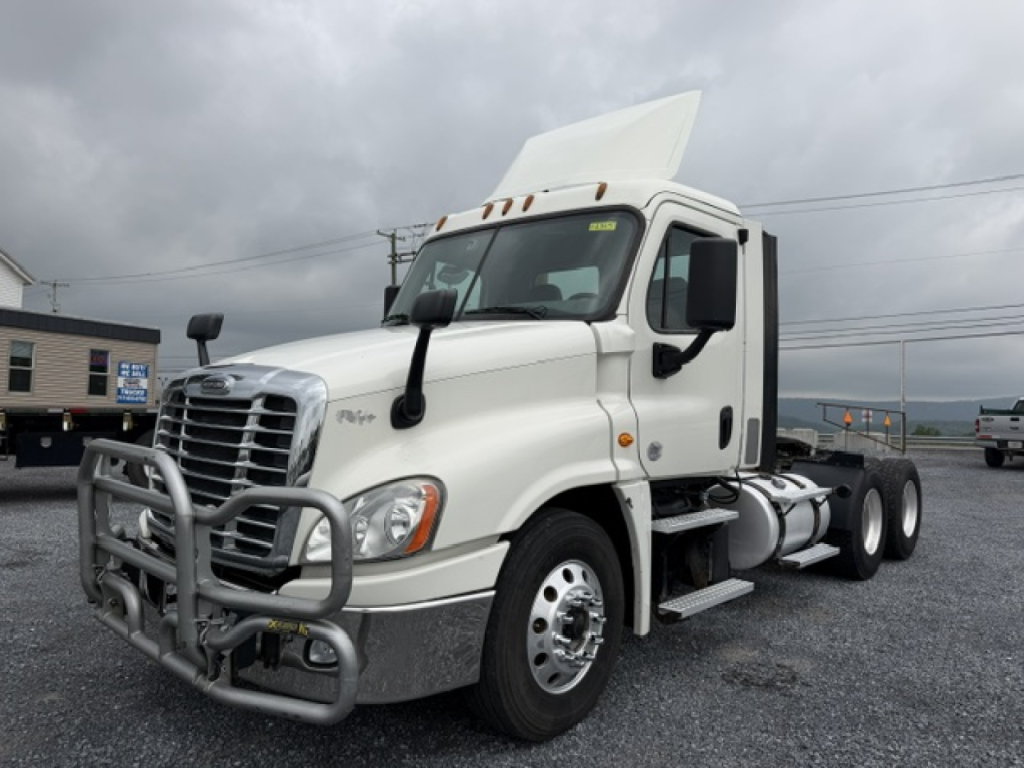
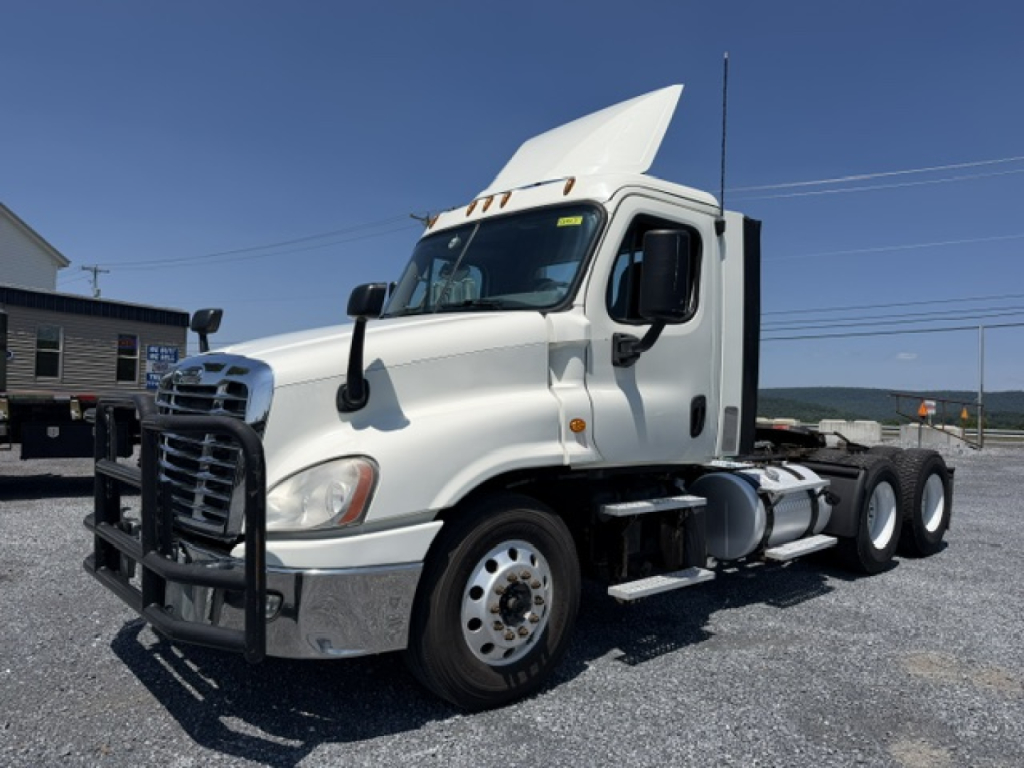
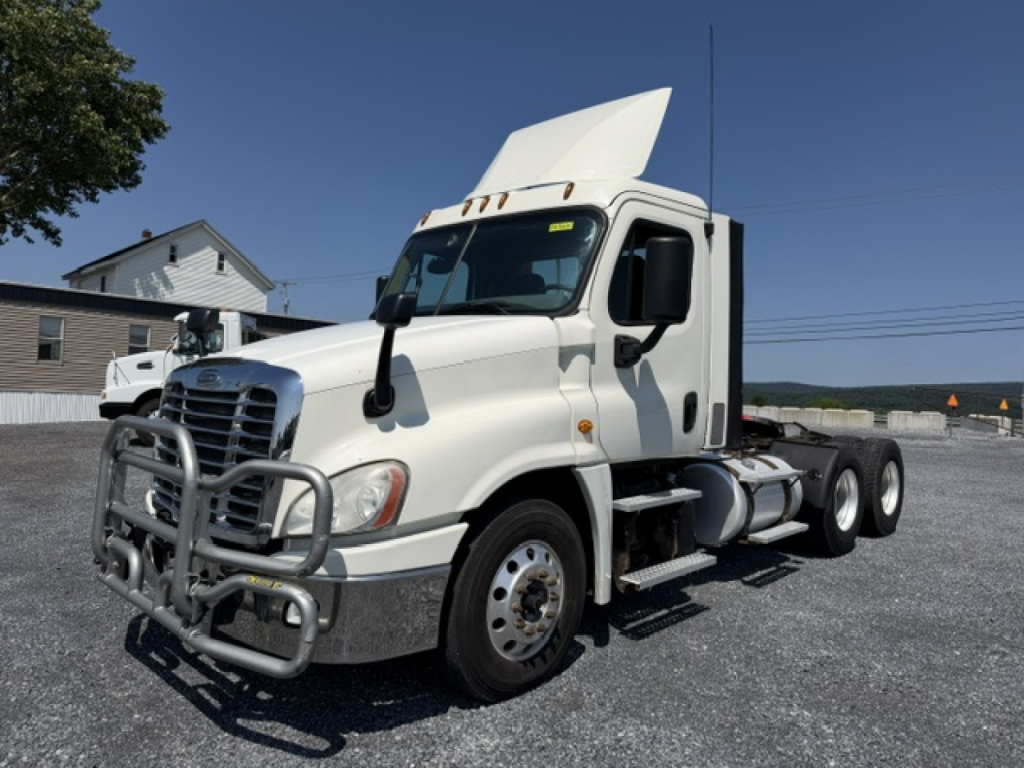
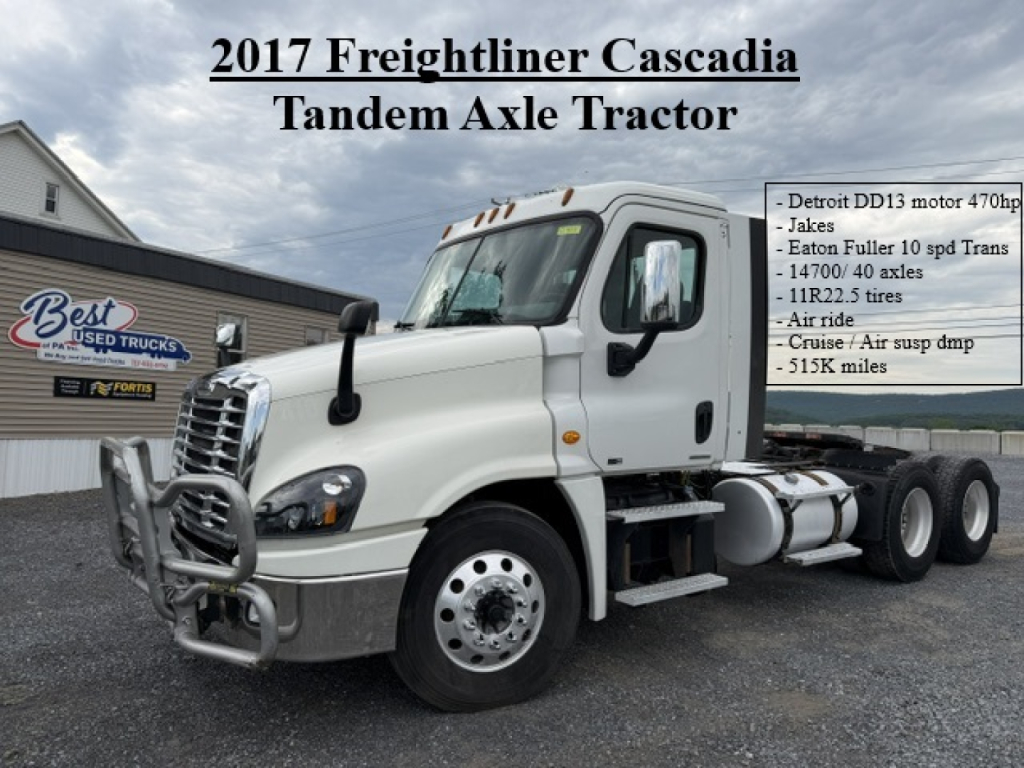
Selling a used 2017 freightliner truck? List your used 2017 freightliner truck for sale and reach thousands of commercial buyers.
Used 2017 Freightliner Trucks in Pennsylvania
For highway tractors, a 2017 Freightliner Cascadia is typically evaluated around engine and drivetrain combination first. Detroit DD13 and DD15 engines are common, with automated manual transmissions or 10-speed manual setups depending on the original fleet application. Rear axle ratios, wheelbase, and fifth wheel setup matter if the truck will stay on dry van, reefer, tanker, or flatbed work. Buyers in Pennsylvania should also pay attention to corrosion exposure, frame condition, suspension wear, and prior road salt use, especially on trucks that spent years in northeastern service. A clean ECM history, documented aftertreatment maintenance, and signs of proper DPF and DEF system care can be more important than cosmetic condition.
On the medium-duty side, the 2017 Freightliner M2 is a common choice for box truck, reefer, stake body, rollback, and service body applications. Popular specs include Cummins power, Allison automatic transmissions, hydraulic brakes on under-CDL units, and air brakes on heavier GVWR configurations. Body length, liftgate capacity, reefer hours, front axle rating, and payload need to line up with the job, especially for foodservice, beverage, final-mile, and regional route work. If the truck has an insulated body or refrigeration unit, buyers should inspect floor condition, door seals, bulkheads, E-track, and unit service records just as closely as the chassis.
A used 2017 Freightliner truck is usually a practical buy when the spec matches the route and the maintenance file supports the miles. Focus on axle ratings, cab configuration, horsepower, transmission type, suspension, brake setup, and emissions service history before comparing cosmetic extras. Freightliner remains one of the most common makes on the road, which helps with technician familiarity and replacement parts sourcing across Pennsylvania and surrounding states. For many buyers, that translates into less downtime risk and easier fleet standardization.
Frequently Asked Questions about Used 2017 Freightliner Trucks in Pennsylvania
What are the most common 2017 Freightliner truck models buyers look for?
The most common 2017 Freightliner trucks on the used market are typically Cascadia highway tractors and M2 medium-duty trucks. Cascadia models are widely used in over-the-road, regional, and dedicated fleet service as day cabs or sleepers. M2 models are common in box truck, refrigerated, flatbed, dump, rollback, and service body applications. The right choice depends on GVWR, body type, axle ratings, and how the truck will be used day to day.
What should I inspect first on a used 2017 Freightliner in Pennsylvania?
Start with frame condition, cab corrosion, suspension wear, brake condition, and signs of rust related to northeastern road salt exposure. After that, review engine hours, mileage, idle time if available, and maintenance records for the emissions system, including DPF cleaning history, DEF components, and any injector or sensor work. On a tractor, inspect the fifth wheel, driveline, and rear suspension. On a medium-duty truck, inspect the body, liftgate, PTO equipment if equipped, and any refrigeration unit service history.
Are 2017 Freightliner Cascadia trucks good for regional and fleet use?
A properly maintained 2017 Freightliner Cascadia is commonly considered a solid platform for regional haul and fleet work because it offers widely supported drivetrain options, good parts availability, and familiar service procedures for most shops. Buyers should match horsepower, transmission, rear axle ratio, and wheelbase to the intended lanes and trailer type. A fleet buyer may also prioritize collision mitigation systems, automated manual transmission specs, and fuel economy-oriented axle ratios.
What matters most when buying a 2017 Freightliner M2 box or reefer truck?
The most important factors are GVWR, payload capacity, body dimensions, axle ratings, brake type, and the condition of the body equipment. For a reefer truck, refrigeration unit hours, cooling performance, insulation condition, floor wear, and door seal integrity are critical. For route delivery applications, buyers should also verify liftgate rating, cab access, turning radius, and whether the truck is under CDL or requires a CDL based on actual gross vehicle weight rating.
Is parts and service support still strong for used 2017 Freightliner trucks?
Yes. One reason Freightliner remains a popular used truck choice is the broad dealer and independent service network, plus strong availability for common replacement parts. That support matters for both owner-operators and fleets because it can reduce downtime and simplify repairs. The practical benefit is that many technicians already know the platform, especially on common Cascadia and M2 configurations.