
Used 2017 Freightliner Trucks For Sale in New York
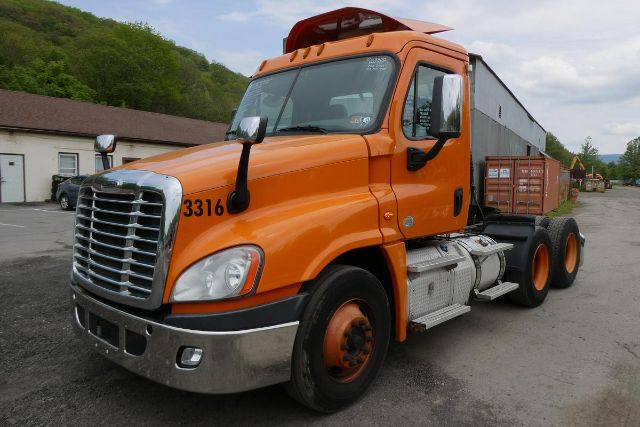
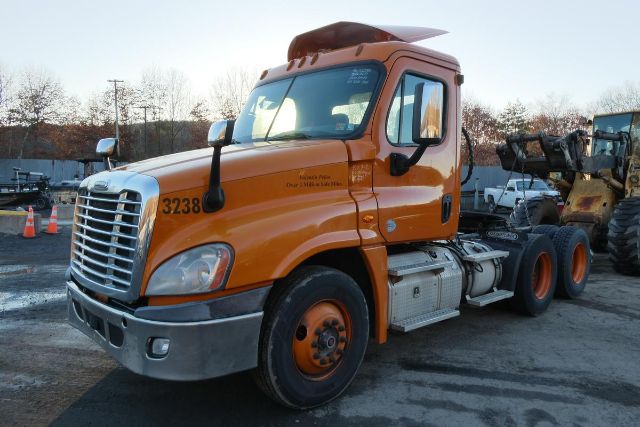
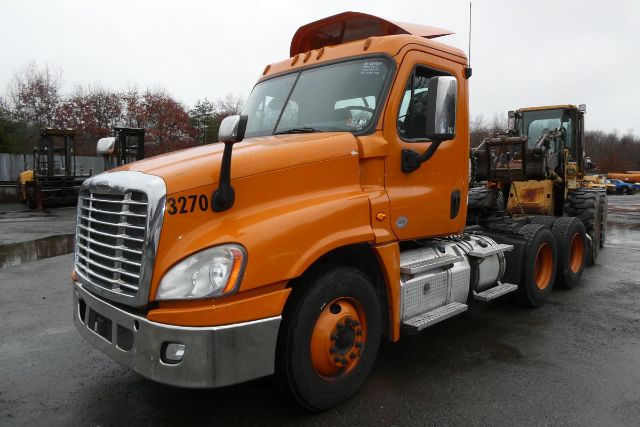
Browse used 2017 Freightliner trucks in New York, including Cascadia daycabs and cab & chassis models with Detroit power and fleet-ready specs.
Learn more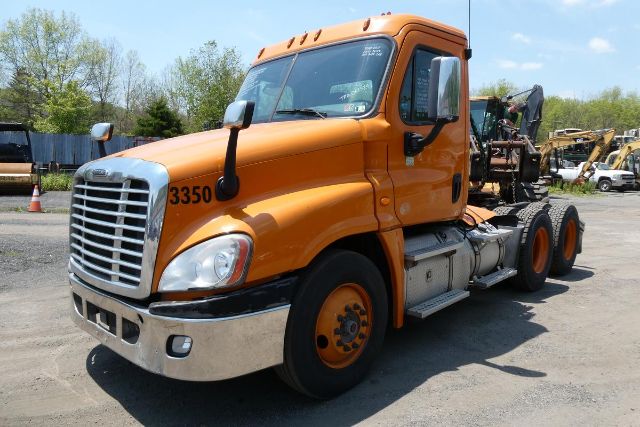
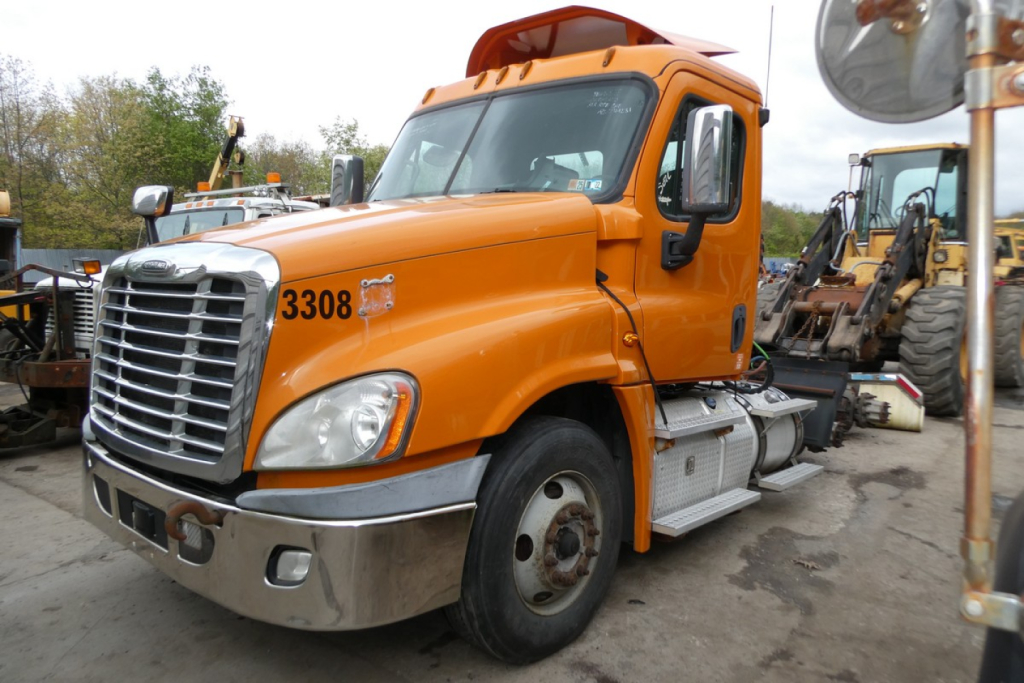
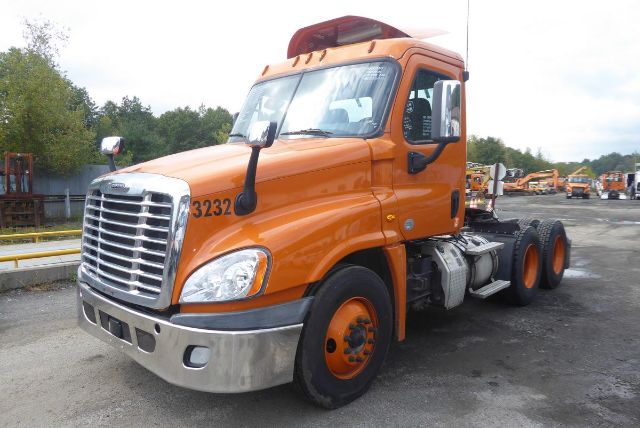
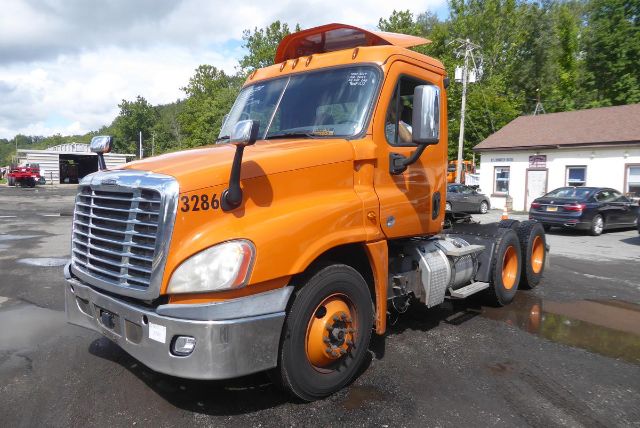
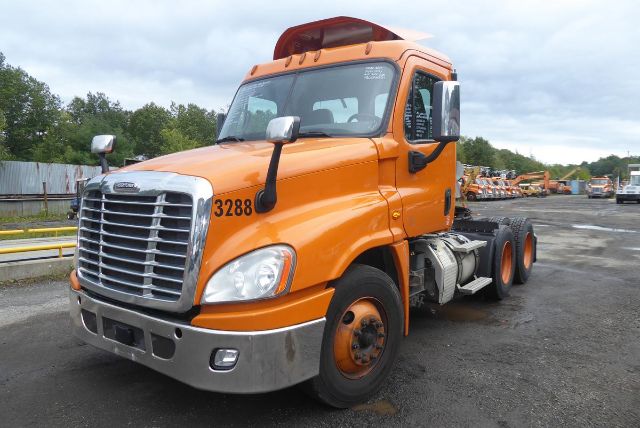
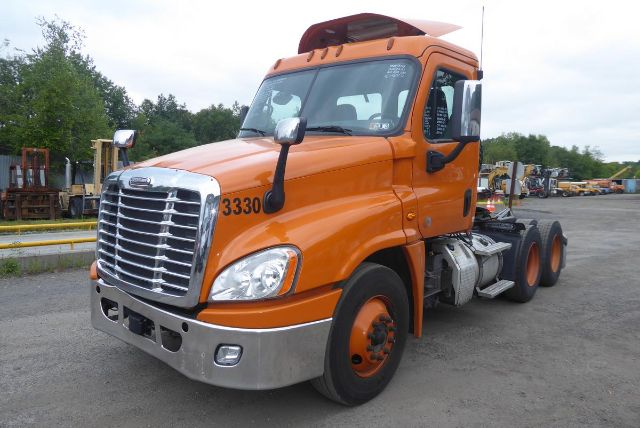
Showing 13 to 21 of 21 results
Have used 2017 freightliner truck to sell? List it here to reach thousands of buyers.
About Used 2017 Freightliner Trucks in New York
The first decision is usually application. A 2017 Freightliner day cab is a practical choice for regional haul, port work, intermodal, local delivery, dump, tanker, and vocational tractor use depending on axle ratings and wheelbase. Cab and chassis units in this year range can also be a good starting point for box truck, rollback, hooklift, flatbed, utility, or municipal body installations. Key specs to compare are front axle capacity, rear axle rating, suspension type, wheelbase, cab-to-axle, and gross vehicle weight rating. For tractor applications, buyers should also pay attention to fifth wheel type, frame configuration, ratio, and whether the truck is set up for lighter regional duty or heavier tandem work.
For a used 2017 Freightliner, the drivetrain deserves close inspection. Common New York fleet buyers will want engine hours matched against odometer readings, along with a clear picture of aftertreatment history, DEF system condition, and any fault codes tied to the one-box, sensors, or emissions components. On automated units, shift performance under load and clutch actuator behavior matter as much as the transmission model itself. Suspension and brake spec also change the truck's value in real use. Air ride setups like AirLiner are popular for regional freight, while air disc brakes can be a plus for stopping performance and maintenance consistency. Tire size, wheel type, and axle ratio all affect fuel mileage, launch feel, and suitability for city versus highway work.
A well-matched 2017 Freightliner can still offer a favorable cost-per-mile if the spec lines up with the job. Buyers in New York often place extra value on corrosion condition, frame integrity, winter starting performance, and the availability of dealer or independent service support in dense regional lanes. Look closely at service records, idle time, ECM data, and signs of prior fleet maintenance rather than judging on mileage alone. Freightliner trucks from this period are popular because they are easy to source parts for, generally straightforward to upfit, and available in a wide range of vocational and on-highway configurations.
Frequently Asked Questions
What should I check first on a used 2017 Freightliner truck?
Start with the truck's application-critical specs and then move to drivetrain health. Confirm wheelbase, cab-to-axle, axle ratings, suspension, and GVWR fit the job you need the truck to do. After that, review engine hours, ECM mileage, fault codes, aftertreatment history, and transmission operation. On a 2017 Freightliner, emissions system condition is especially important because unresolved DEF or one-box issues can turn a low purchase price into a high repair bill quickly.
Are 2017 Freightliner Cascadia trucks good for regional and local work in New York?
Yes, many 2017 Freightliner Cascadia day cabs are well suited for regional and local work if they are properly spec'd. They are commonly used for intermodal drayage, terminal shuttles, short-haul freight, tanker, and vocational tractor applications. The key is matching rear ratio, wheelbase, axle capacity, and fifth wheel setup to the route and payload. In New York service, maneuverability, corrosion condition, and stop-and-go durability often matter more than highway sleeper features.
What engines and transmissions are common in used 2017 Freightliner trucks?
Detroit engines are the most common in this model year, especially the DD13 and DD15 depending on the truck's class and intended use. Transmission choices often include the Detroit DT12 automated manual along with manual Eaton Fuller options in some configurations. Buyers should not choose by brand name alone. Shift quality, clutch or actuator condition, software calibration, and maintenance history are more important than the transmission badge when evaluating a used truck.
How important are engine hours on a used 2017 Freightliner?
Engine hours are very important because they show how the truck accumulated its life. A truck with moderate mileage but very high hours may have spent a lot of time idling, which can increase wear on the engine and emissions system. Comparing odometer mileage to ECM mileage and engine hours helps identify whether the truck was used for city work, regional hauling, or extended idle operations. That is especially useful when evaluating day cabs and vocational units.
Is a used 2017 Freightliner cab and chassis a good platform for upfitting?
A 2017 Freightliner cab and chassis can be a very practical upfit platform if the frame length, cab-to-axle measurement, axle ratings, and PTO compatibility fit the body you plan to install. Buyers commonly use these trucks for box bodies, flatbeds, tow bodies, utility bodies, and municipal applications. Before purchase, verify frame modifications, added extensions, suspension type, brake system, and overall electrical condition so the chassis will accept the body and equipment without costly rework.