
Freightliner Trucks For Sale in California
Freightliner trucks for sale in California. Compare Cascadia, M2, and SD specs, engines, emissions compliance, and vocational options to fit your routes.
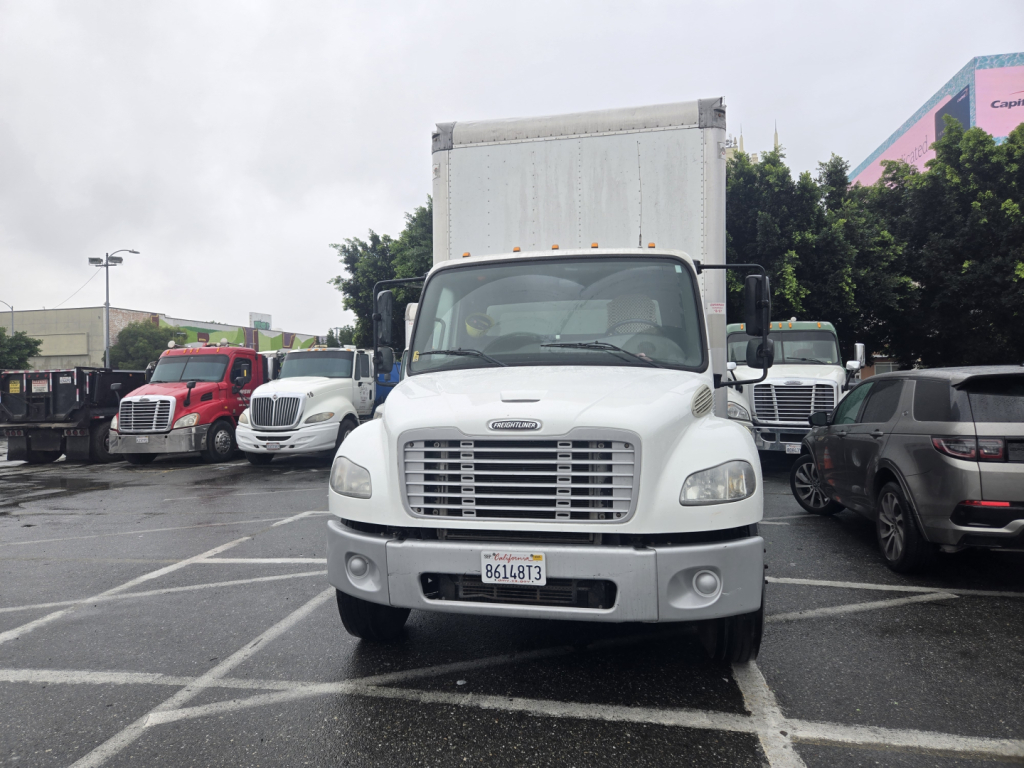
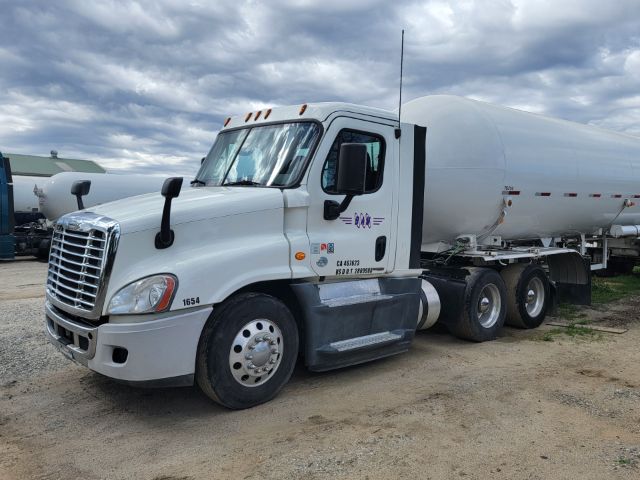
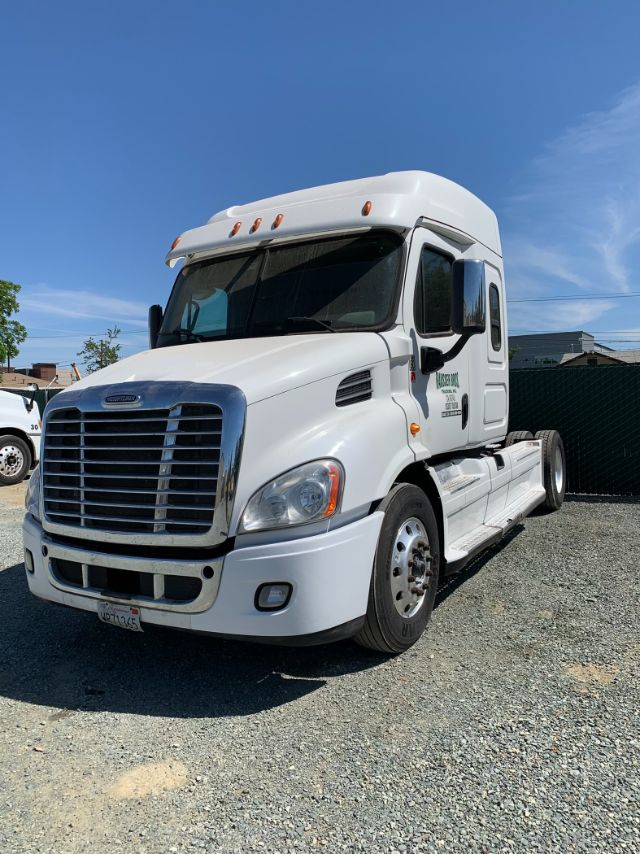
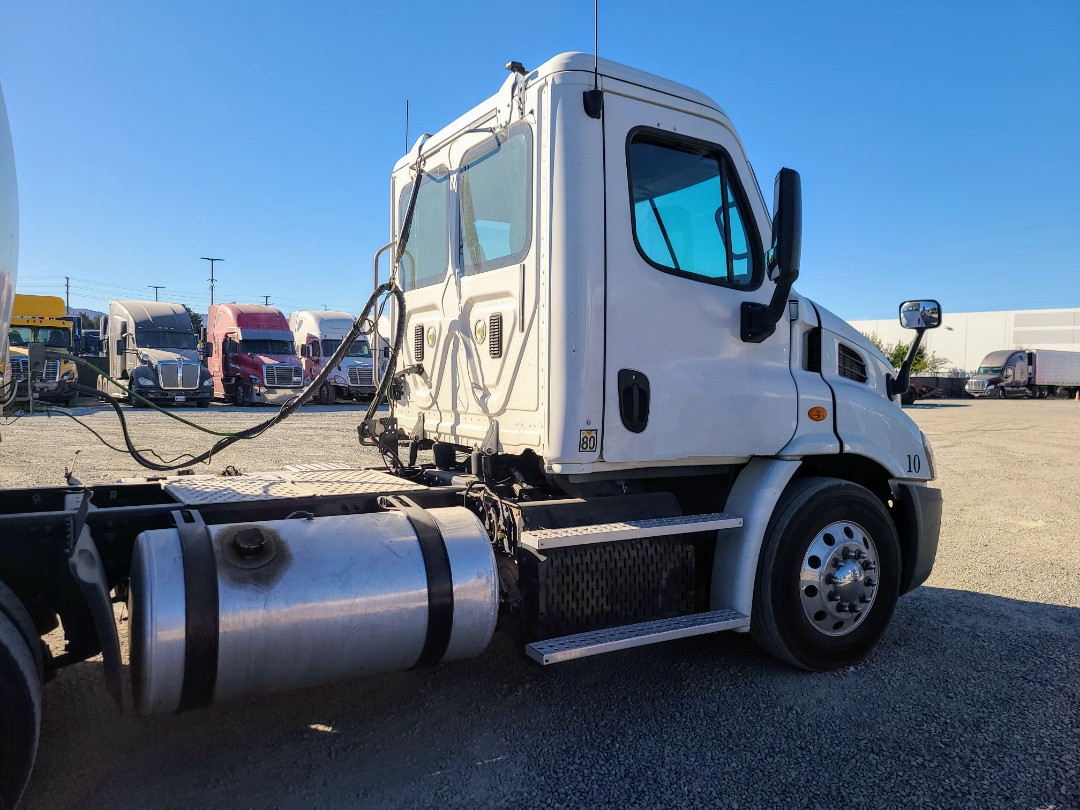

Showing 1 to 28 of 33 results
Selling a freightliner truck? List your freightliner truck for sale and reach thousands of commercial buyers.
Freightliner Trucks in California
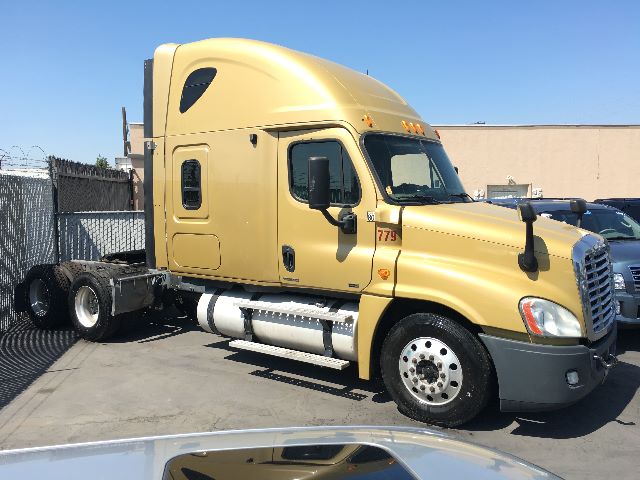
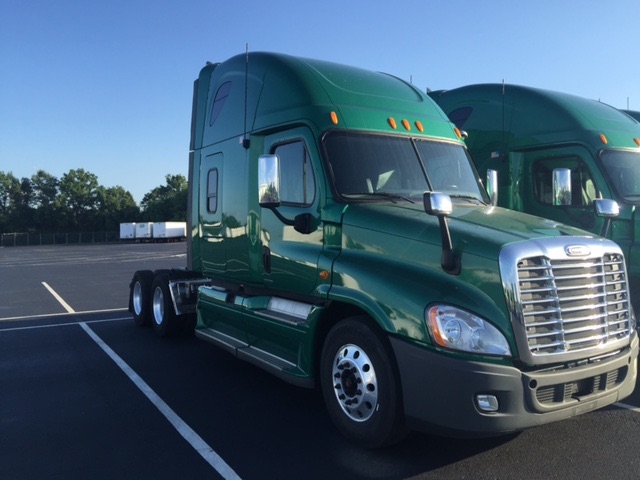
For highway work, the Freightliner Cascadia dominates because of its aerodynamics, quiet cab, and integrated powertrain options. Detroit DD13 is common for regional and weight-sensitive lanes, DD15 for long haul, and DD16 for heavy GCW. Pairings with the DT12 automated manual deliver smooth shifts, downspeeding, and predictive features that cut fuel burn on I-5 over the Grapevine or I-80 over Donner. Common rear ratios range from the low 2s to mid 2s with overdrive top gears, often combined with 11R22.5 or low-profile 22.5 rubber. Collision mitigation, adaptive cruise, and lane-departure systems are widely available, and air disc brakes are increasingly spec’d for fade resistance in the mountains, though drums can lower acquisition cost and simplify service in some shops.
Medium and vocational buyers typically look at the M2 106 for box, reefer, flatbed, and utility bodies, and at the 108SD or 114SD Plus for dump, mixer, roll-off, and municipal builds. Cummins diesel choices pair well with Allison automatics for stop-and-go and PTO work, while Eaton manual or AMT setups offer gearing control off road. Frame RBM, crossmember spacing, double-frame options, and front axle position matter for bridge legality and body integration. Set-forward steer axles help with weight distribution on dumps and mixers, while set-back axles improve maneuverability in urban delivery. Look for factory PTO provisions, front frame extensions, and high-capacity cooling for severe-service applications.
Total cost of ownership hinges on matching the powertrain to your routes and hills, then verifying serviceability. An integrated Detroit powertrain can maximize mpg and unlock factory telematics like Detroit Connect with remote diagnostics, yet a Cummins and Eaton mix can offer broader parts commonality across a mixed fleet. Review DPF cleaning intervals, SCR dosing history, and EGR cooler or turbo replacements. Check suspension configuration, ride height, and fifth wheel position to keep axle weights legal with 53 ft trailers. California fleets increasingly evaluate zero-emission options like the eCascadia and eM2 for return-to-base operations, where predictable 150 to 250 mile daily routes and depot charging align with incentives and utility programs.
Frequently Asked Questions about Freightliner Trucks in California
Which Freightliner model is best for California long haul or regional routes?
For long haul with 53 ft dry van or reefer, the Cascadia with a DD15 and DT12 typically delivers the best fuel economy and driver comfort. Regional and port work often favors a Cascadia or M2 day cab with shorter wheelbase for tight turns and easier axle-weight management. Choose fuel capacity and sleeper size to match your typical stage length and parking needs, and consider disc brakes and engine brake performance for mountain corridors like the Grapevine and Donner.
What engines and transmissions are common on Freightliner trucks and how do they affect performance and mpg?
Detroit DD13, DD15, and DD16 are common on Cascadia tractors and integrate well with the DT12 automated manual for smooth shifting and downspeeding. Cummins X12 or X15 show up frequently in vocational and mixed-fleet specs, often paired with Eaton manuals or AMTs for control on grades. Allison full automatics are preferred for stop-and-go or PTO duty. Taller rear axle ratios and predictive cruise improve mpg on highway lanes, while slightly shorter gearing improves launch and gradeability in hilly or heavy applications.
How can I confirm a used Freightliner is compliant with California regulations?
Check the underhood emissions label for model year, emissions family, and the presence of DPF and SCR. Look for a Clean Idle sticker if you idle in restricted areas. Review maintenance records for aftertreatment service and verify there are no tampering indicators. Make sure the truck can pass California Clean Truck Check requirements, including OBD readiness and smoke opacity testing. For port or drayage use, confirm applicable registration and local requirements before purchase.
What axle, wheelbase, and suspension specs work well in California?
A 6x4 tandem with a 12k to 13.2k steer axle and 40k to 46k rears is typical for highway tractors, with wheelbase set to balance bridge weights and turning needs. Shorter wheelbases aid maneuverability for urban delivery and drayage, while set-forward steer axles help vocational units carry legal payloads on short wheelbase dumps or mixers. Spec ride height, fifth wheel position, and fuel tank placement to keep axle weights compliant when pulling 53 ft trailers under California bridge and off-tracking constraints.
Are electric Freightliner trucks viable for California operations?
Battery-electric models like the eCascadia and eM2 can fit return-to-base routes where daily mileage is within the usable range and depot charging is available. They reduce tailpipe emissions and can qualify for state and utility incentives, and they work best on predictable lanes with planned charging windows. Evaluate route energy use, grade profiles, charging capacity, and payload impacts, and plan technician training and parts support just as you would for diesel equipment.