
2014 Freightliner Trucks For Sale in California
Shop 2014 Freightliner trucks in California. Compare Cascadia and other models by engine, axle setup, cab style, mileage, and application.
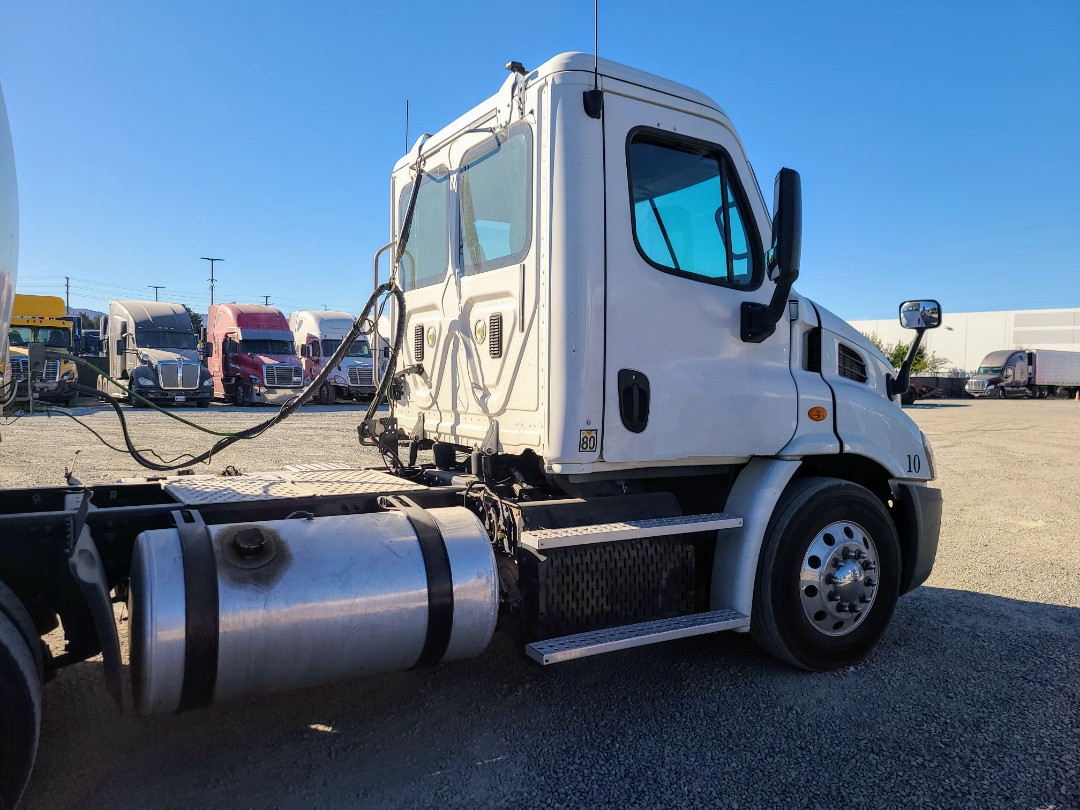

Selling a 2014 freightliner truck? List your 2014 freightliner truck for sale and reach thousands of commercial buyers.
2014 Freightliner Trucks in California
For most buyers, the real decision starts with application. A 2014 Freightliner Cascadia spec'd for over-the-road work may carry a Detroit DD13 or DD15, and in some cases Cummins power, paired with manual or automated manual transmissions. Horsepower ratings commonly land in the mid- to upper-400 range on linehaul units, while rear axle ratios, wheelbase, and sleeper size will tell you more about the truck's intended duty cycle than the badge on the hood. A shorter wheelbase day cab with a 3.42 or 3.55 ratio fits port, regional, and heavier start-stop work differently than a raised-roof sleeper with taller highway gearing and dual fuel tanks.
On a used 2014 Freightliner, buyers should pay close attention to aftertreatment performance, fault code history, transmission behavior, and suspension wear. DEF system repairs, DPF service records, injector condition, turbo response, and signs of excessive idle time matter on this generation. If the truck is set up for California operation, verify CARB compliance status, registration pathway, and any documentation tied to emissions updates. Brake type, tire size, tandem rating, fifth wheel style, and cab amenities such as bunk heater, fairings, and air slide fifth wheel also affect operating cost and resale value, especially if the truck will stay in a fleet rotation.
Freightliner trucks from 2014 remain popular because parts availability is strong, service support is broad, and the platform is familiar to drivers and independent shops. That matters if uptime is the priority. A well-spec'd 2014 Freightliner can still fit dry van, reefer, flatbed, dedicated route, and regional freight applications, provided the engine, axle, and cab configuration match the work. Buyers comparing multiple listings should look past paint and polish and line up the core numbers first: engine model, transmission type, rear ratio, wheelbase, suspension, emissions status, and documented maintenance.
Frequently Asked Questions about 2014 Freightliner Trucks in California
What are the most common 2014 Freightliner truck models buyers look for?
The most commonly searched 2014 Freightliner trucks are usually Cascadia conventional tractors, including both day cab and sleeper versions. Depending on the operation, buyers may also look for medium-duty or vocational Freightliner models, but the Cascadia dominates used highway truck demand because of its widespread fleet use, established parts support, and familiar Detroit powertrain options.
What should I check first on a 2014 Freightliner in California?
Start with emissions compliance, engine fault history, and service records. In California, CARB-related requirements and the truck’s aftertreatment condition can affect registration, operating flexibility, and repair cost. After that, review the DPF and DEF system history, confirm the engine and transmission specification, and inspect cooling system components, suspension wear, and signs of extended idle or neglected maintenance.
Which engine is common in a 2014 Freightliner truck?
Detroit engines are the most common in 2014 Freightliner highway trucks, especially the DD13 and DD15 in Cascadia tractors. Some units may also be equipped with Cummins engines depending on the original fleet spec. The right choice depends on the truck’s intended use, service history, local dealer support, and how the engine is paired with gearing, transmission, and axle rating.
Is a 2014 Freightliner good for regional or long-haul work?
Yes, if the truck is spec'd correctly for the job. A 2014 Freightliner day cab with the right axle ratio and wheelbase can work well in regional, drayage, or dedicated route service, while a sleeper with larger fuel capacity, fairings, and highway gearing is better suited for long-haul freight. The application matters more than the model year alone, so buyers should match the truck’s configuration to average load, route length, and stop frequency.
What specs matter most when comparing 2014 Freightliner trucks for sale?
The most important specs are engine model, horsepower, transmission type, rear axle ratio, wheelbase, suspension, brake setup, and cab configuration. Buyers should also compare tandem capacity, fifth wheel type, fuel tank capacity, tire size, and sleeper height if applicable. On a used 2014 unit, documented maintenance and emissions system condition are often more important than appearance.