
2023 Freightliner Trucks For Sale in Georgia
Shop 2023 Freightliner trucks in Georgia, including Cascadia and M2 models, with specs for sleeper, vocational, and regional haul use.
Learn more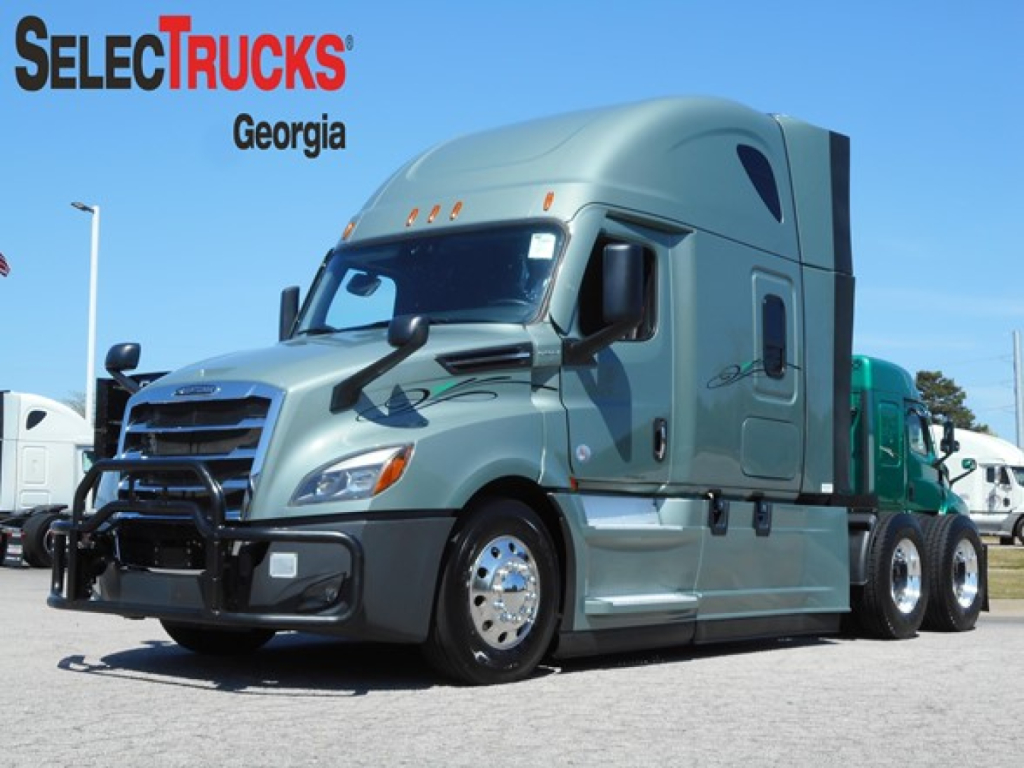
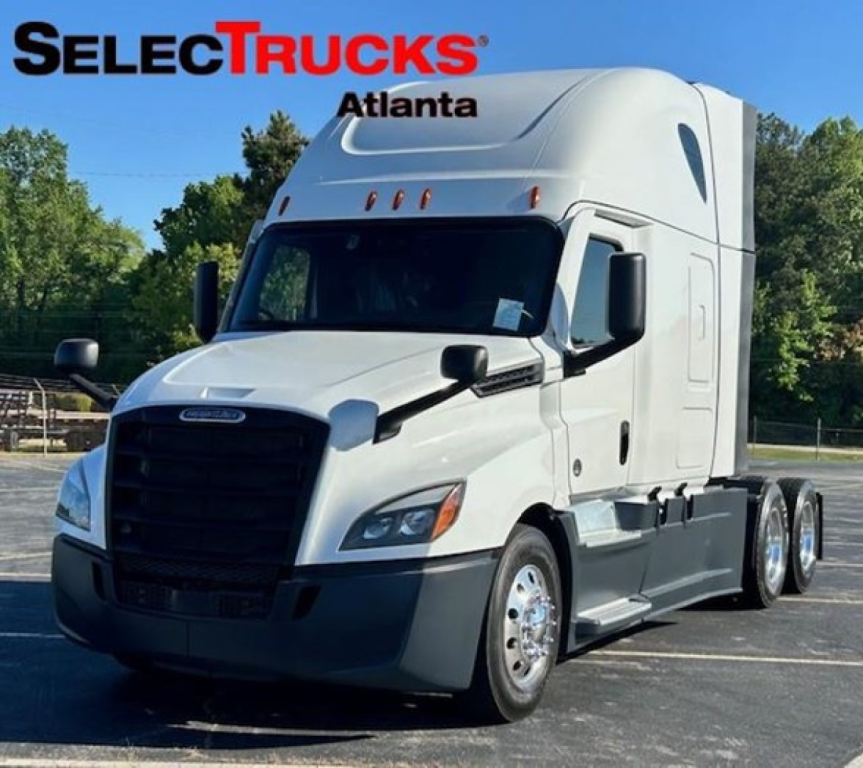
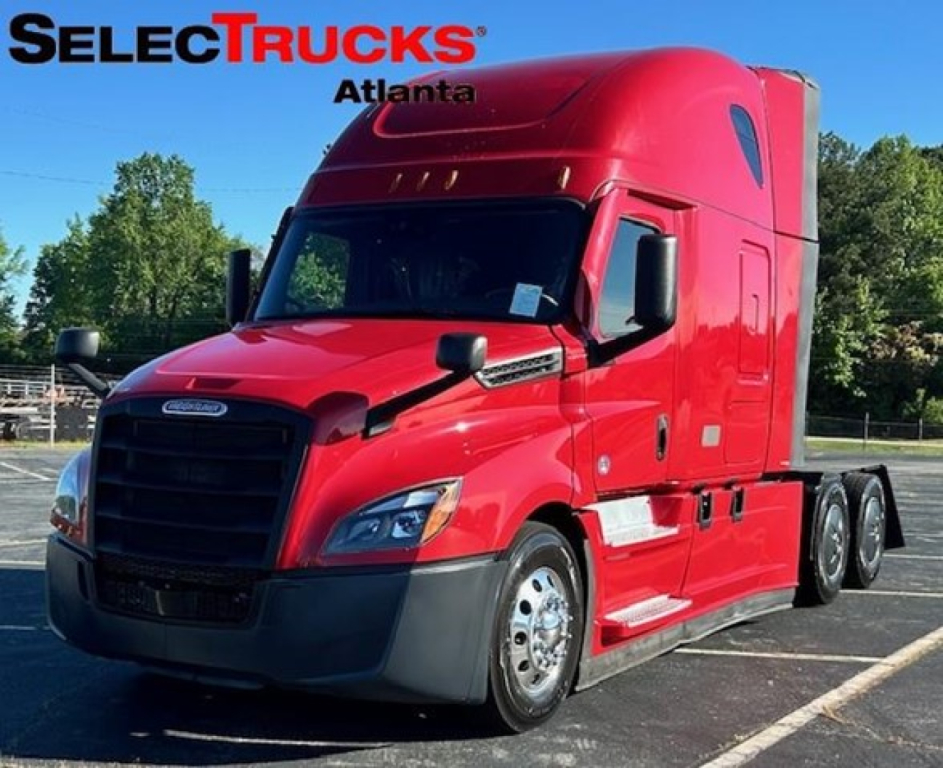
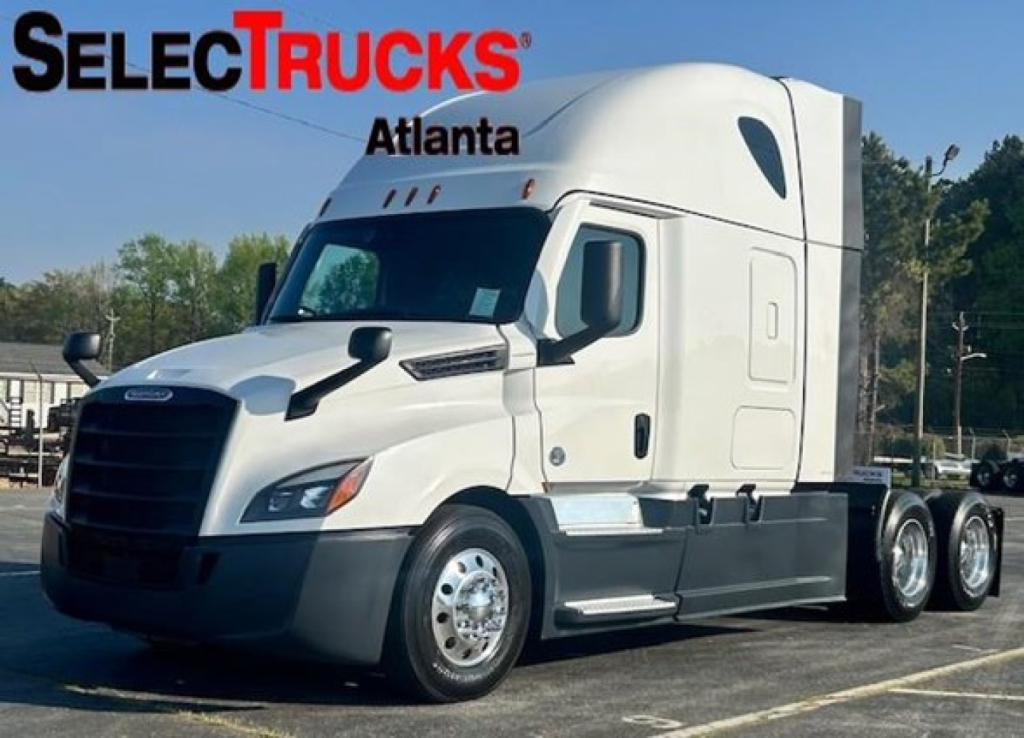
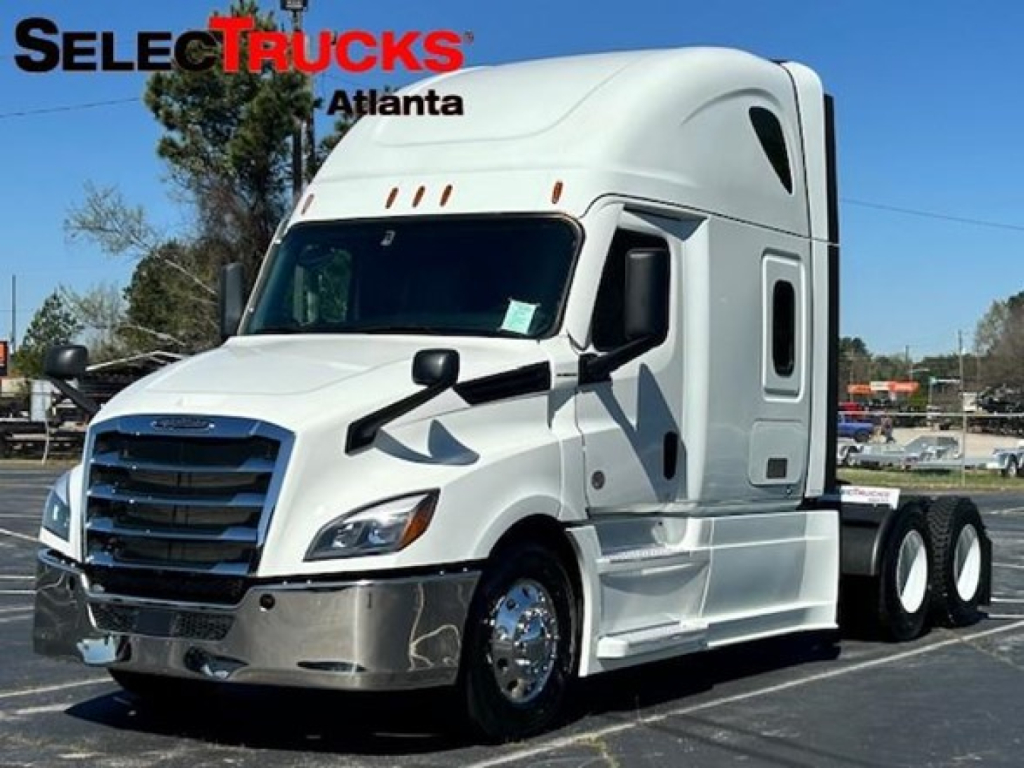
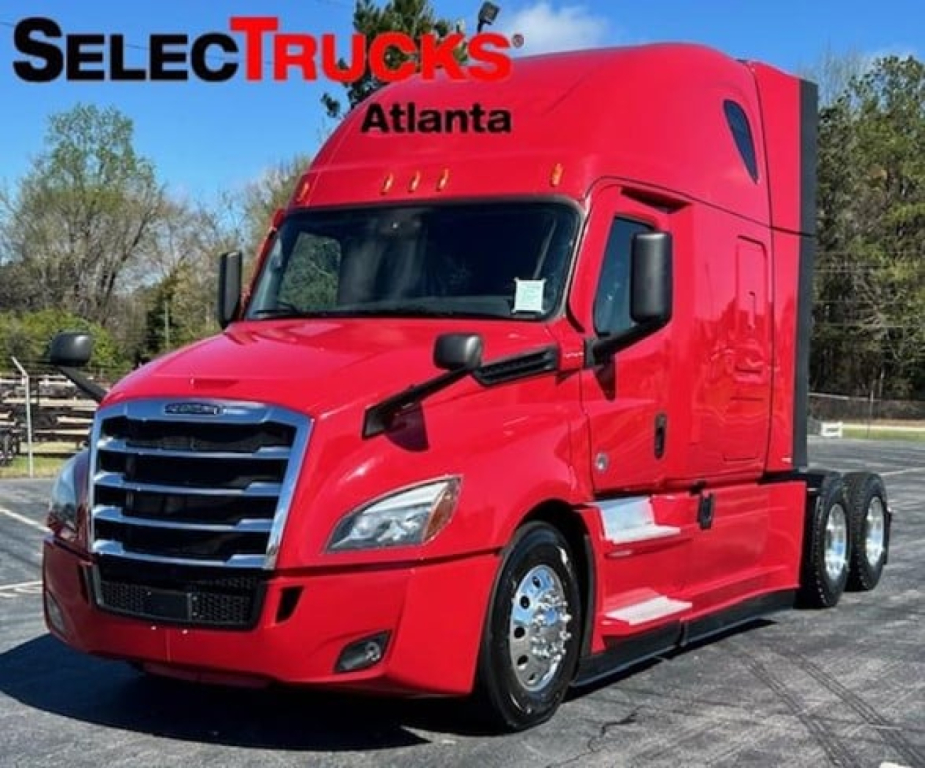
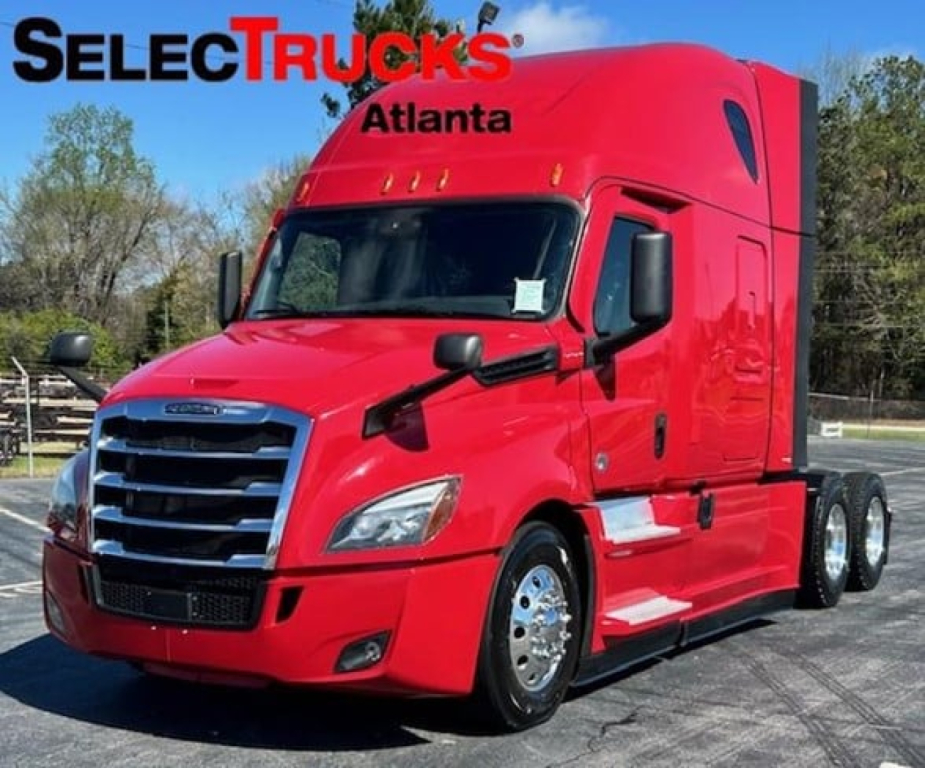
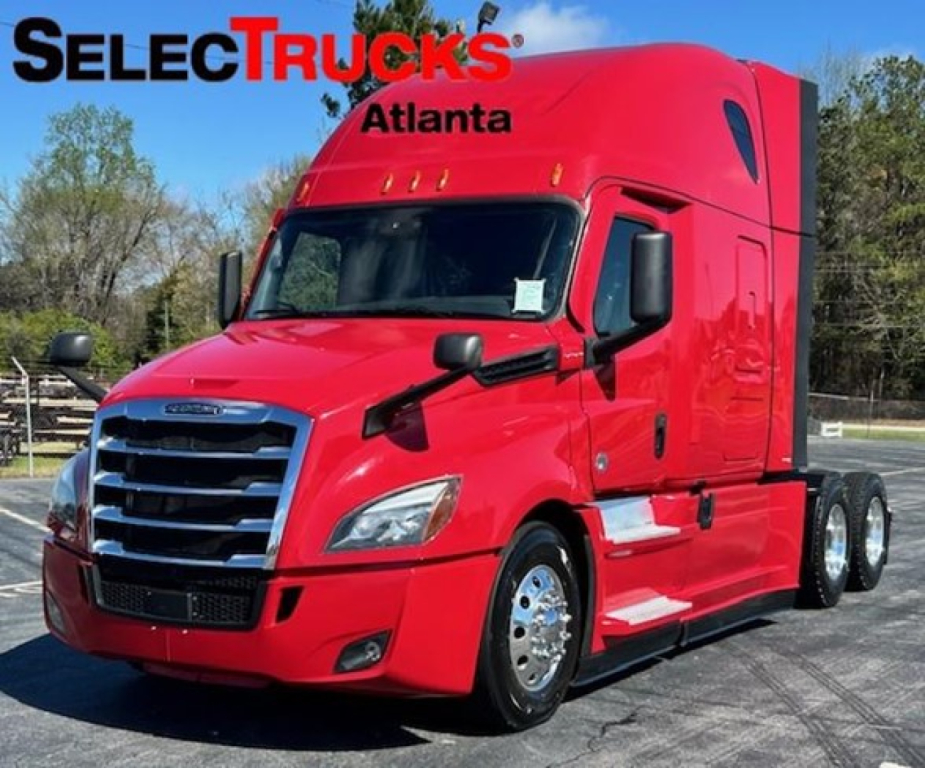
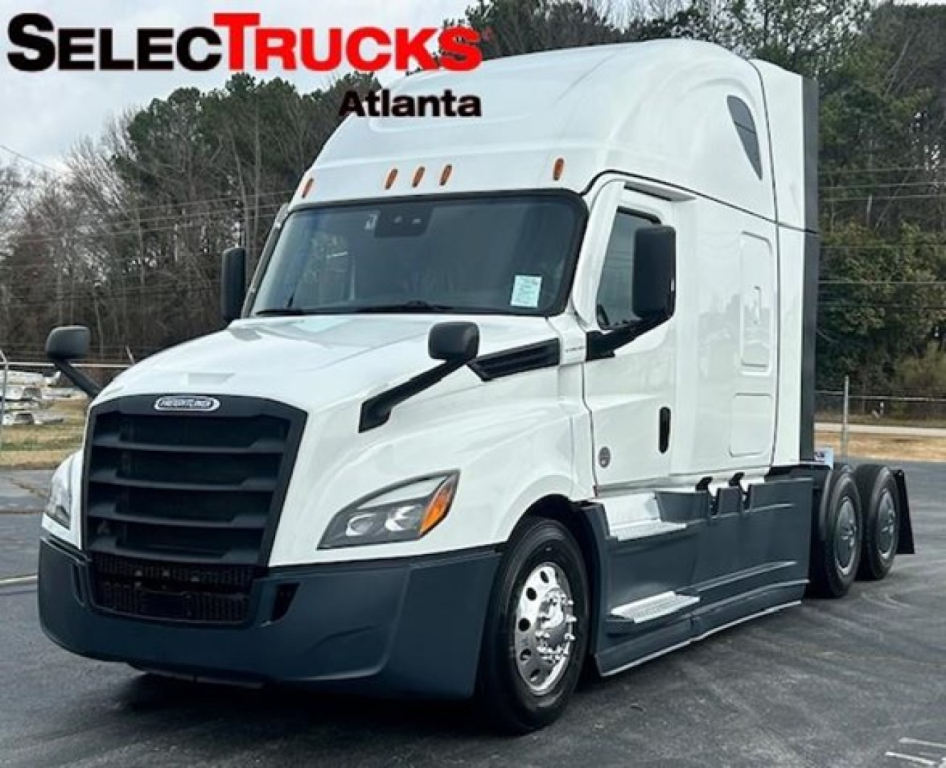
Showing 1 to 12 of 14 results
Have 2023 freightliner truck to sell? List it here to reach thousands of buyers.
About 2023 Freightliner Trucks in Georgia
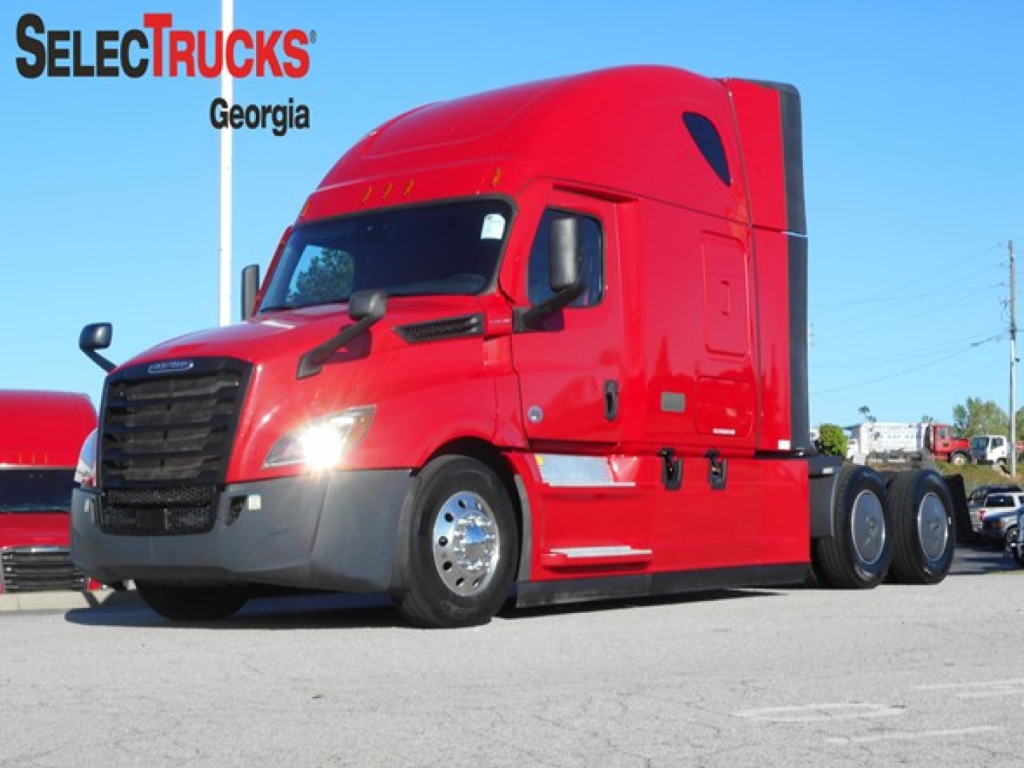
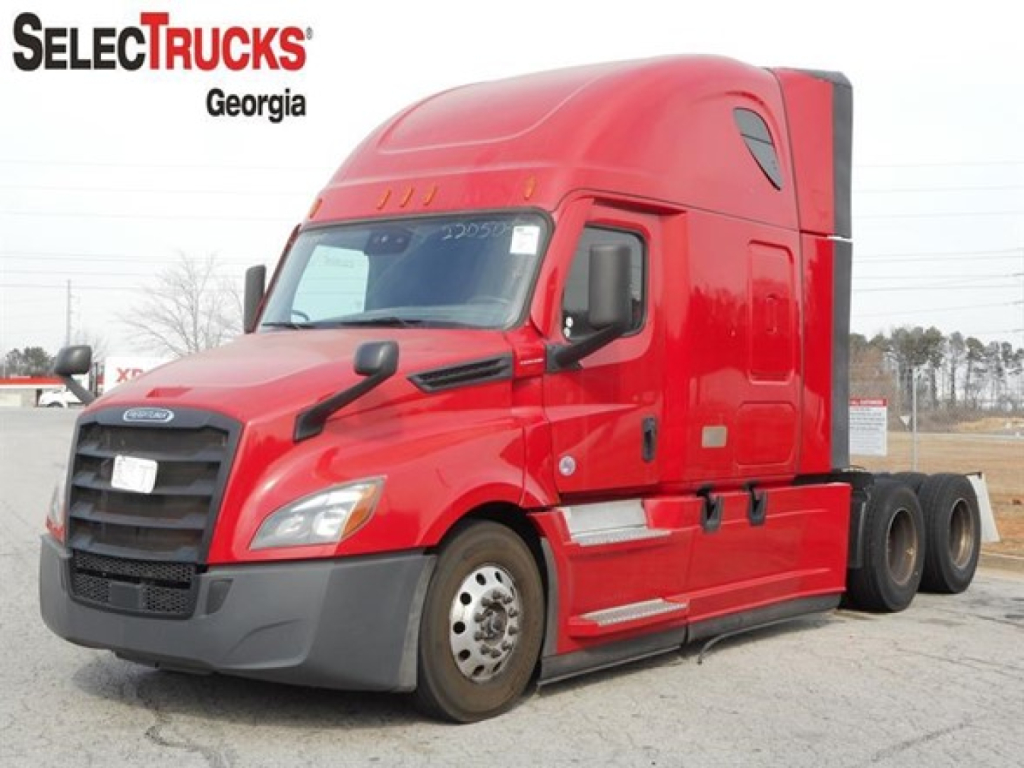
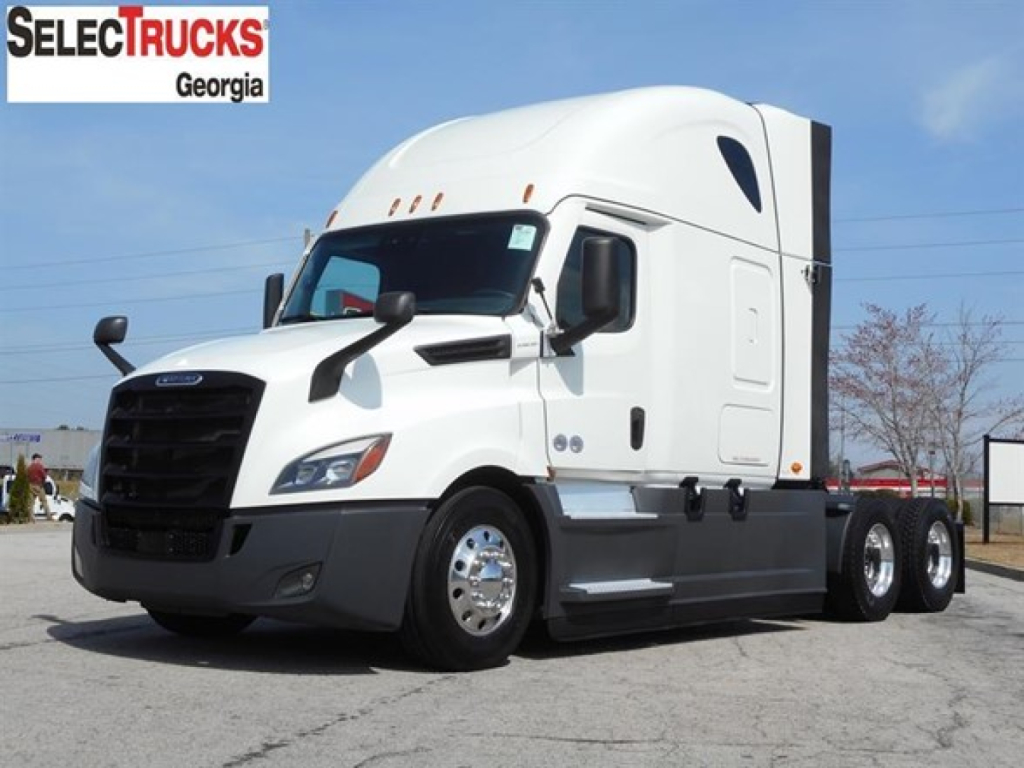
On highway spec trucks, the 2023 Freightliner Cascadia is one of the most common aerodynamic conventional tractors on the road. Typical specs include Detroit DD13 or DD15 engines, DT12 automated manual transmissions, and 6x4 tandem axle layouts. Sleeper configurations often range from day cabs up to raised-roof double bunk sleepers, with common buyer touchpoints including bunk heater, refrigerator prep, inverter, air slide fifth wheel, wheelbase, rear axle ratio, and fuel capacity. Safety systems are also a major part of the 2023 buying decision. Many trucks in this year group are equipped with Detroit Assurance features such as forward collision mitigation, adaptive cruise control, lane departure warning, and side object detection. Buyers comparing similar listings should pay close attention to horsepower rating, transmission calibration, brake spec, and whether the truck has drum or air disc brakes, since those details directly affect driver acceptance, stopping performance, and maintenance cost.
If the truck is intended for Georgia freight lanes, weight distribution and duty cycle deserve close review. A sleeper tractor running Atlanta to the Southeast may benefit from a different rear ratio and wheelbase than a truck assigned to heavier long-haul freight or dedicated drop-and-hook operations. Used 2023 models often show up with premium driver comfort features such as heated seats, power mirrors, Bluetooth radios, refrigerators, and double bunk layouts, but the more important inspection points are service history, tire condition, aftertreatment status, and any signs of downtime related to emissions sensors or automated transmission components. On vocational Freightliner trucks like the M2, buyers should verify PTO setup, frame rail condition, body integration, and front axle capacity before focusing on cosmetic items.
Freightliner remains popular because the platform is easy to source parts for, familiar to most technicians, and widely accepted by fleets and owner-operators alike. That matters in a late-model truck where uptime, software support, and dealer access are just as important as the base engine spec. A 2023 Freightliner can be a practical purchase for buyers who want modern aerodynamics, current safety technology, and a truck that fits established fleet maintenance programs. The best value usually comes from matching the truck’s exact configuration to the intended haul, then confirming that the engine, transmission, axle ratio, sleeper package, and brake system support that workload without overbuying or underspec'ing.
Frequently Asked Questions
What is the most common 2023 Freightliner truck for over-the-road use?
The 2023 Freightliner Cascadia 126 is the most common over-the-road Freightliner configuration. It is widely used in long-haul, regional, and dedicated freight because it offers aerodynamic fuel efficiency, Detroit powertrain options, and a broad range of sleeper and chassis specs. Buyers typically compare DD15 engine ratings, DT12 automated transmissions, wheelbase, rear axle ratio, and sleeper size when shopping this model year.
What should I look for when buying a used 2023 Freightliner Cascadia?
Start with service records, engine hours, mileage, and any history involving the aftertreatment system, transmission calibration, or collision mitigation sensors. Then review tire wear, brake type, alignment condition, suspension wear, and whether the truck has been fleet maintained or independently serviced. On a 2023 model, it is also important to verify software updates and proper operation of driver-assist systems such as adaptive cruise control, lane departure warning, and forward collision mitigation.
Are 2023 Freightliner trucks good for Georgia regional hauling?
Yes, many 2023 Freightliner trucks are well suited for Georgia regional freight, especially Cascadia day cabs and sleeper tractors spec'd for Southeast lanes. The right setup depends on payload, trailer type, and average trip length. Buyers in Georgia often focus on axle ratio, fuel capacity, and wheelbase to balance highway efficiency with maneuverability around distribution centers, ports, and urban freight routes.
What engines are common in 2023 Freightliner trucks?
Detroit engines are the most common in 2023 Freightliner highway trucks, especially the DD13 and DD15. The DD15 is especially common in Cascadia sleeper tractors because it supports higher horsepower and torque ratings for linehaul work. Medium-duty and vocational Freightliner models may use different engine packages depending on GVWR and body application, so the engine choice should always be matched to the truck’s actual duty cycle.
Is a 2023 Freightliner M2 different from a 2023 Cascadia?
Yes, they serve different jobs. The Cascadia is a Class 8 conventional tractor designed mainly for highway freight, while the M2 is a medium-duty or vocational platform commonly used for bodies such as box trucks, utility trucks, dump setups, and specialty municipal equipment. A buyer choosing between them should focus first on application, GVWR, axle ratings, cab configuration, and body or PTO requirements rather than comparing them as if they serve the same role.