
2021 Freightliner Trucks For Sale in Florida
Have 2021 freightliner truck to sell? List it here to reach thousands of buyers.
2021 Freightliner Trucks in Florida
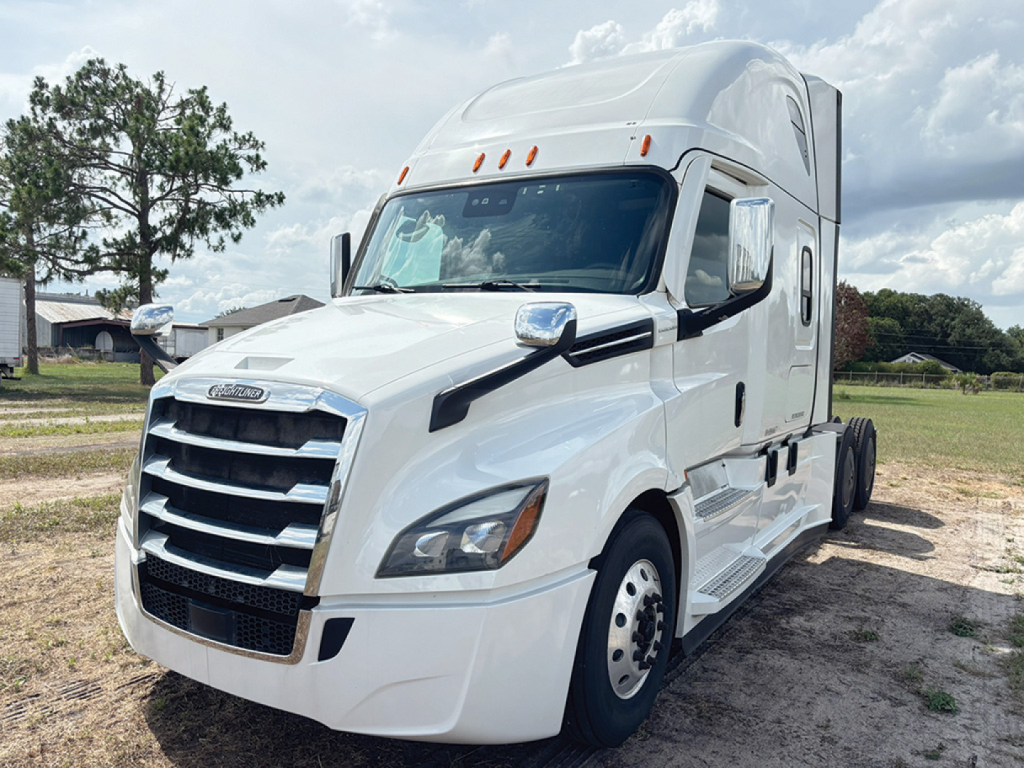
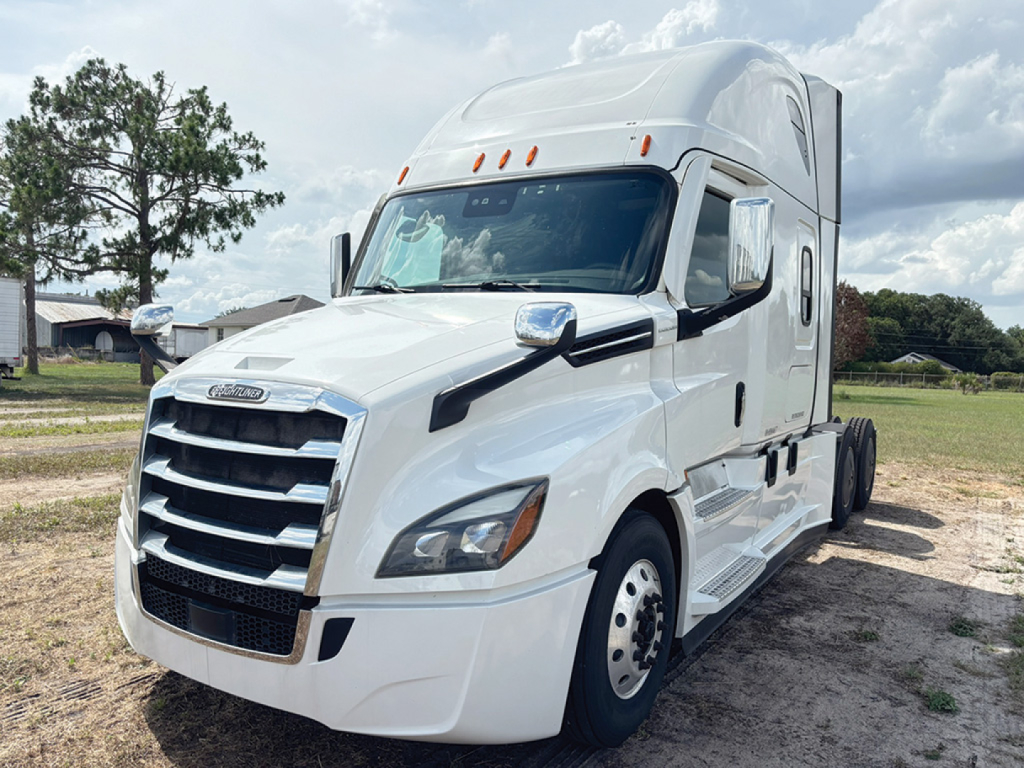
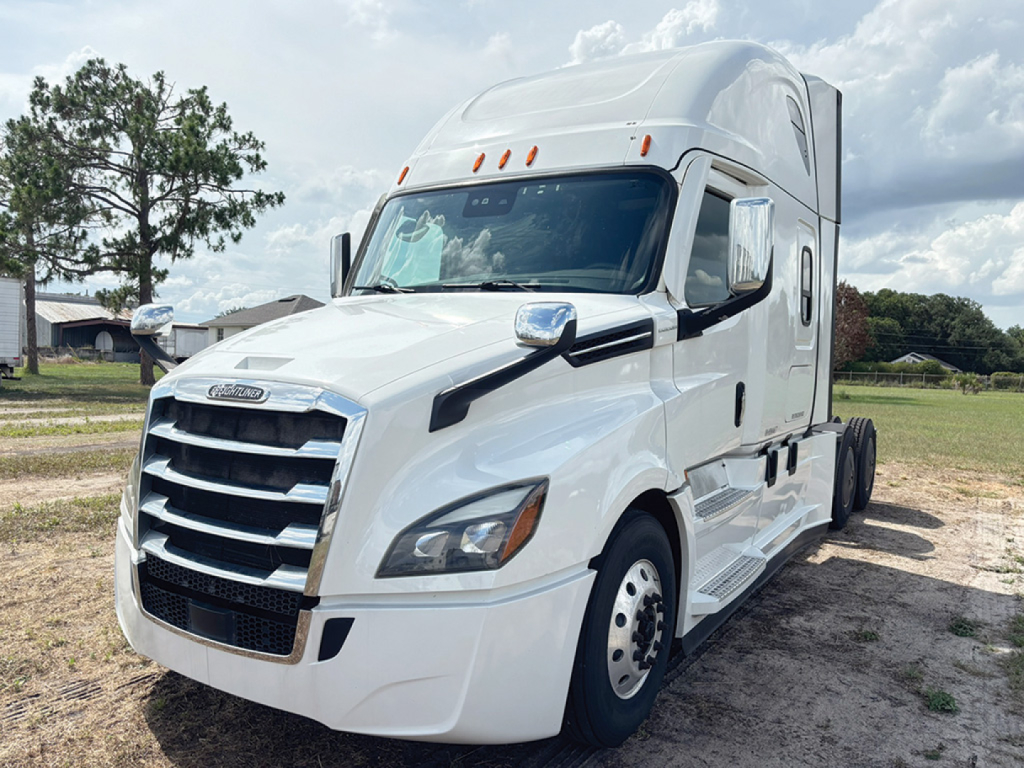
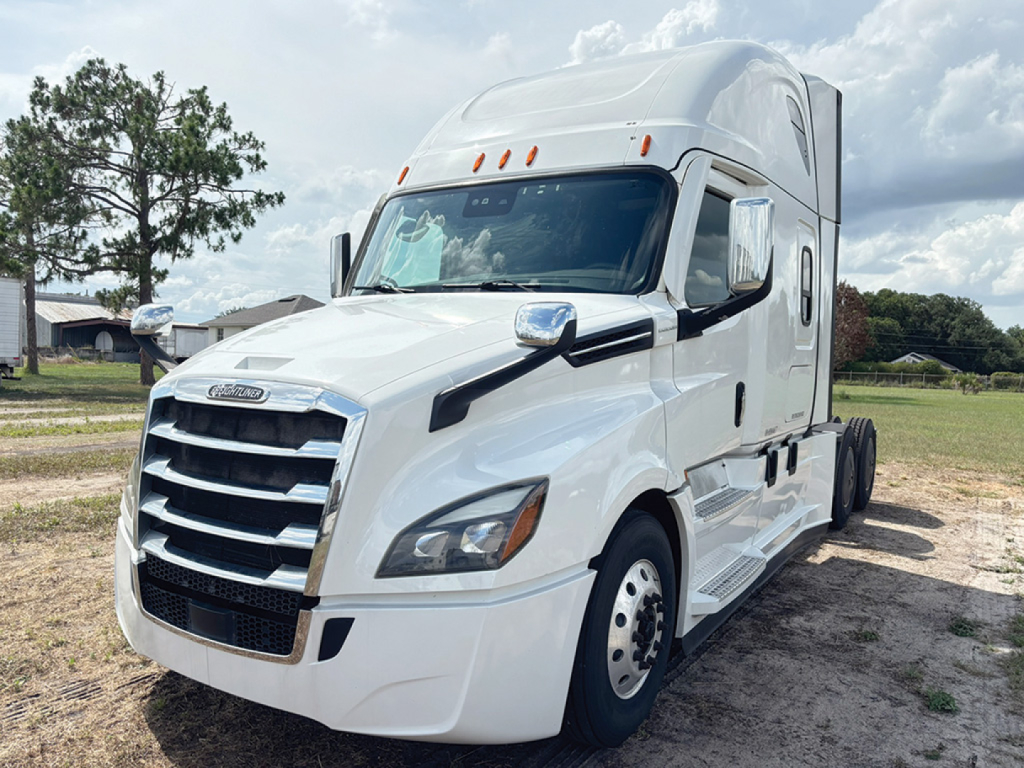
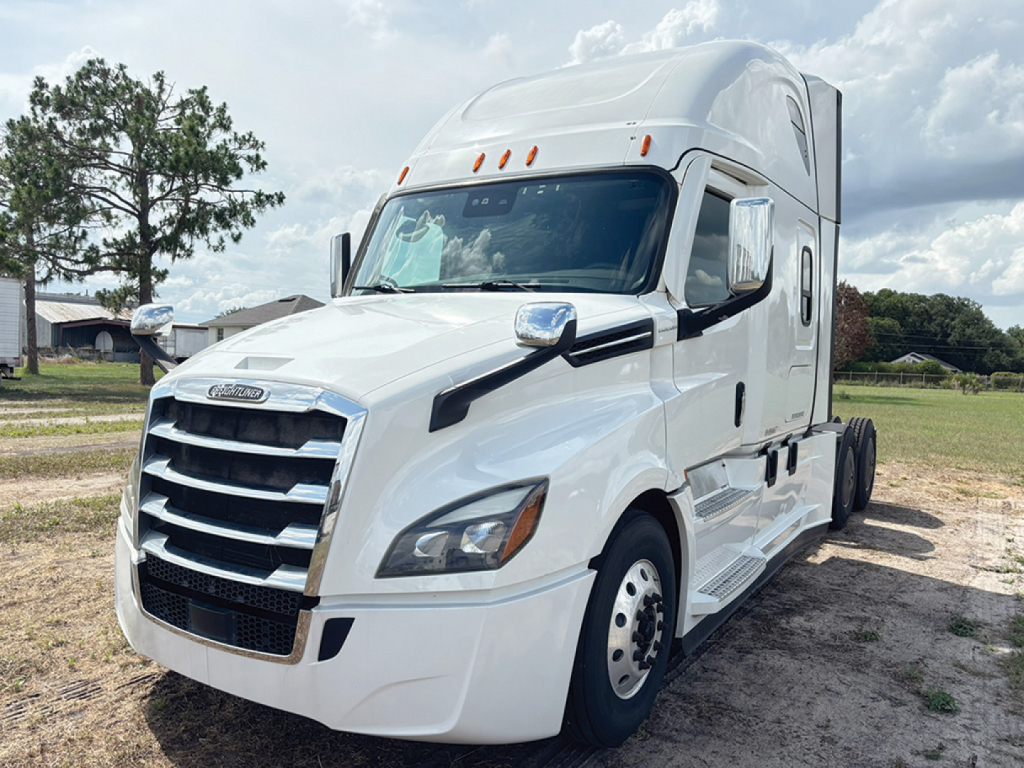
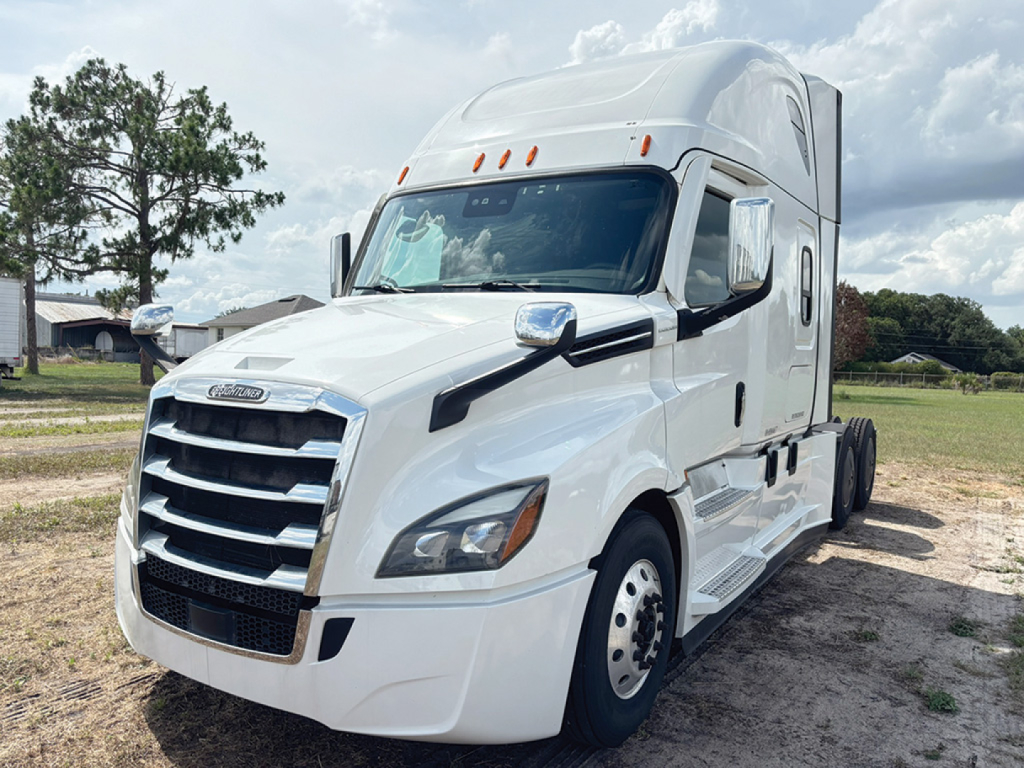
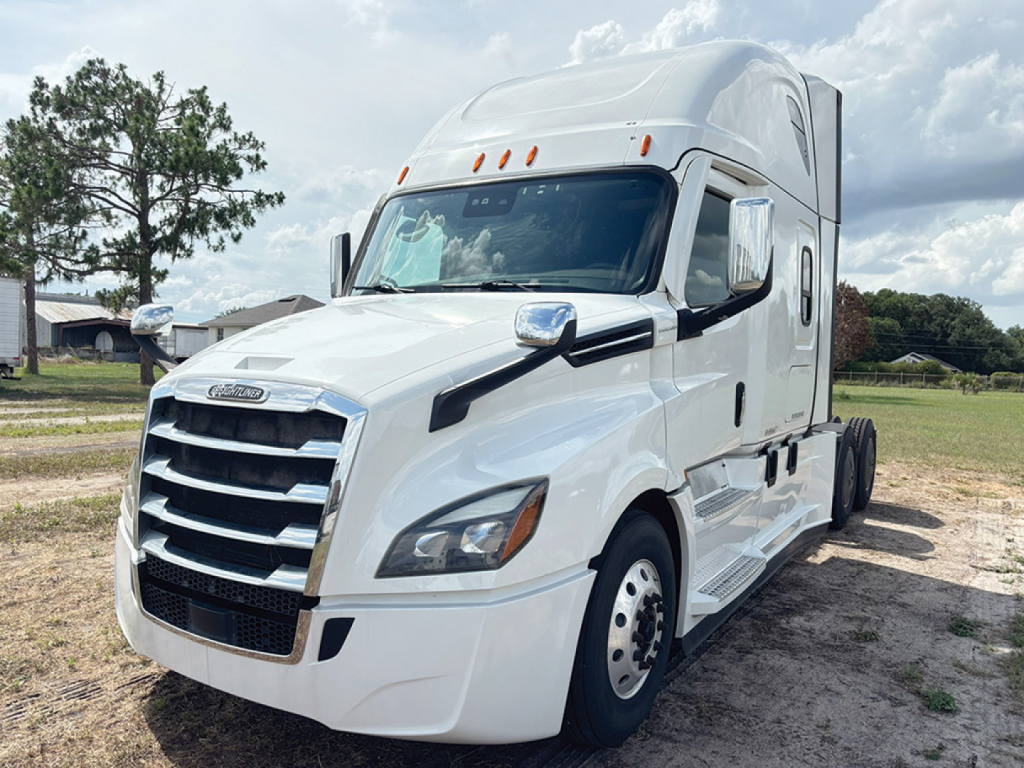
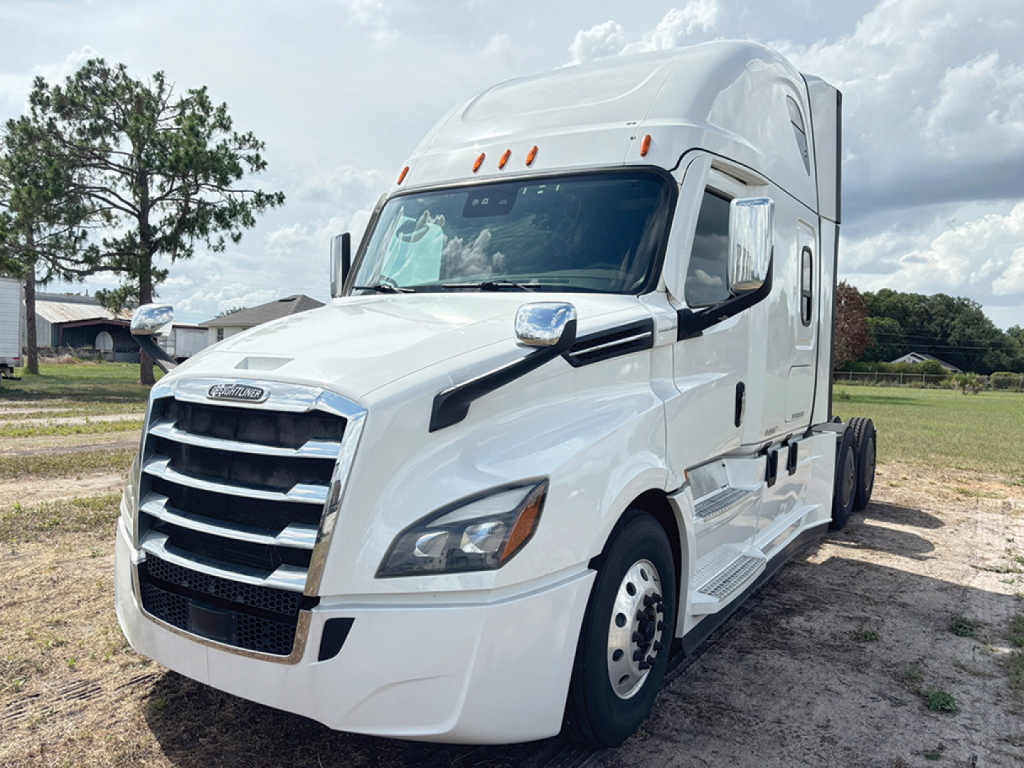
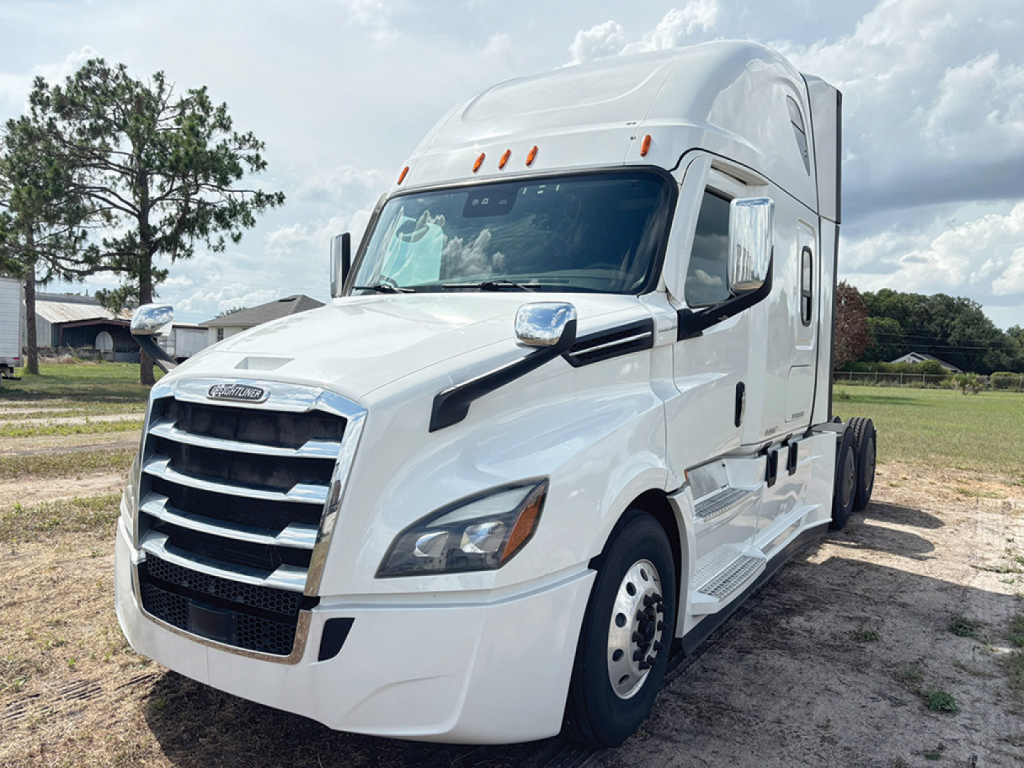
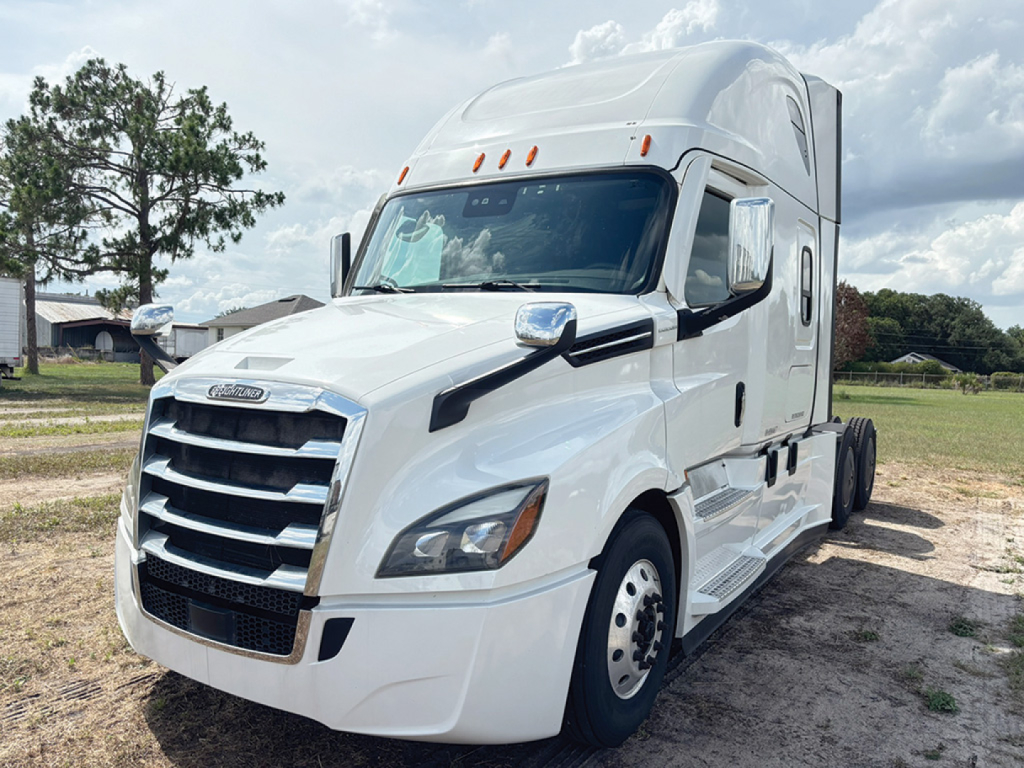
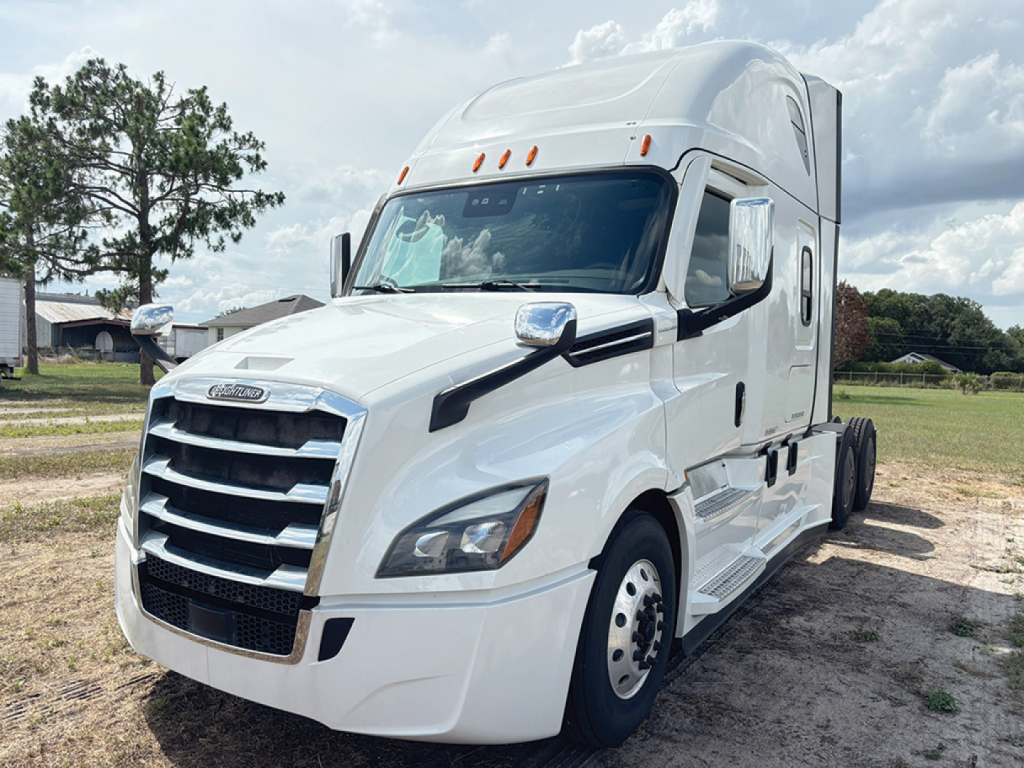
The biggest decision is usually sleeper versus day cab. A 72-inch raised-roof Cascadia sleeper is built for over-the-road work, team service, and longer dwell times between terminals. A day cab is better suited for regional freight, dedicated lanes, port work, and drop-and-hook operations where wheelbase, turning radius, and weight savings matter more than living space. Common specs in this year range include Detroit DD15 power around 455 horsepower, DT12 automated manual transmissions, 40,000 lb rear axles, and fuel-efficient rear ratios such as 2.47 or 2.85 depending on intended cruise speed and terrain. Buyers should match axle ratio, tire size, and wheelbase to freight profile, not just engine rating.
On 2021 Freightliner trucks, equipment details can make a major difference in total operating cost. Collision mitigation systems, engine brakes, air ride suspension, air slide fifth wheels, low-profile 22.5 tires, and aerodynamic packages with side fairings and cab extenders are common features worth comparing unit to unit. Sleepers may also include APUs, bunk heaters, and upper bunks, which directly affect idle reduction and driver comfort. For Florida-based operation, air conditioning performance, cooling system condition, and corrosion exposure deserve close attention, especially on trucks that have seen coastal service or high annual mileage. Brake type, tire condition, wheel material, and service records are often just as important as odometer reading.
Freightliner trucks from this model year are also attractive because the platform is familiar across large fleets, lease returns, and independent operations. That translates into easier sourcing for body parts, aftertreatment components, and drivetrain service. Buyers comparing 2021 Freightliner trucks should look closely at idle hours, maintenance history, DPF and DEF system performance, transmission calibration history, and any active fault codes. A well-spec'd Cascadia with the right cab configuration, rear ratio, and safety package can serve long-haul, regional, or dedicated freight efficiently for years, especially when the truck's prior application lines up with the next one.
Frequently Asked Questions about 2021 Freightliner Trucks in Florida
What are the most common 2021 Freightliner truck models for sale in Florida?
The most common 2021 Freightliner trucks on the market in Florida are typically Cascadia highway tractors, including both conventional sleeper and conventional day cab configurations. The Cascadia is Freightliner’s flagship aerodynamic on-highway model, and it is widely used in long-haul, regional, and dedicated fleet service. Depending on prior use, buyers may also see medium-duty Freightliner models, but the Cascadia generally makes up the bulk of late-model used Freightliner truck listings.
Is a 2021 Freightliner Cascadia better as a sleeper or a day cab?
The right choice depends on the freight lane and operating pattern. A sleeper is better for over-the-road work, multi-day runs, and operations that need driver living space, idle reduction equipment, or team capability. A day cab is usually the better fit for regional routes, local distribution, drayage, and terminal-based work where shorter wheelbase, lighter tare weight, and easier maneuverability are more important than bunk space. Buyers should choose the cab style based on actual route structure rather than resale assumptions alone.
What engine and transmission specs are common on 2021 Freightliner trucks?
Many 2021 Freightliner Cascadia trucks are equipped with a Detroit DD15 engine and a DT12 automated manual transmission. Horsepower around 455 HP is a common fleet specification because it supports highway freight efficiently without overspec'ing the truck. Rear axle ratings around 40,000 lbs and fuel-economy-oriented axle ratios such as 2.47 or 2.85 are also common. Exact specs should be evaluated with wheelbase, intended payload, average cruise speed, and terrain to make sure the truck is geared correctly for the job.
What should I inspect first on a used 2021 Freightliner truck?
Start with maintenance records, engine hours, idle hours, and fault code history. On a 2021 Freightliner, special attention should go to the aftertreatment system, including DPF and DEF operation, along with transmission behavior, brake wear, tire condition, and suspension components. If the truck is a sleeper, inspect the APU, bunk heater, HVAC performance, and all cab electronics. A professional diagnostic scan and a review of service history are usually more valuable than judging the truck by appearance alone.
Are 2021 Freightliner trucks a good choice for Florida operations?
Yes, 2021 Freightliner trucks are generally well suited for Florida freight because they are widely supported, aerodynamic, and commonly spec'd for fuel-efficient highway use. Their broad dealer network and strong parts availability are especially useful for fleets that need fast turnaround. For Florida buyers, it is smart to pay close attention to cooling system performance, air conditioning output, and any signs of corrosion from humidity or coastal exposure. Those regional factors can affect long-term reliability just as much as mileage.