
2019 Freightliner Trucks For Sale in Oklahoma
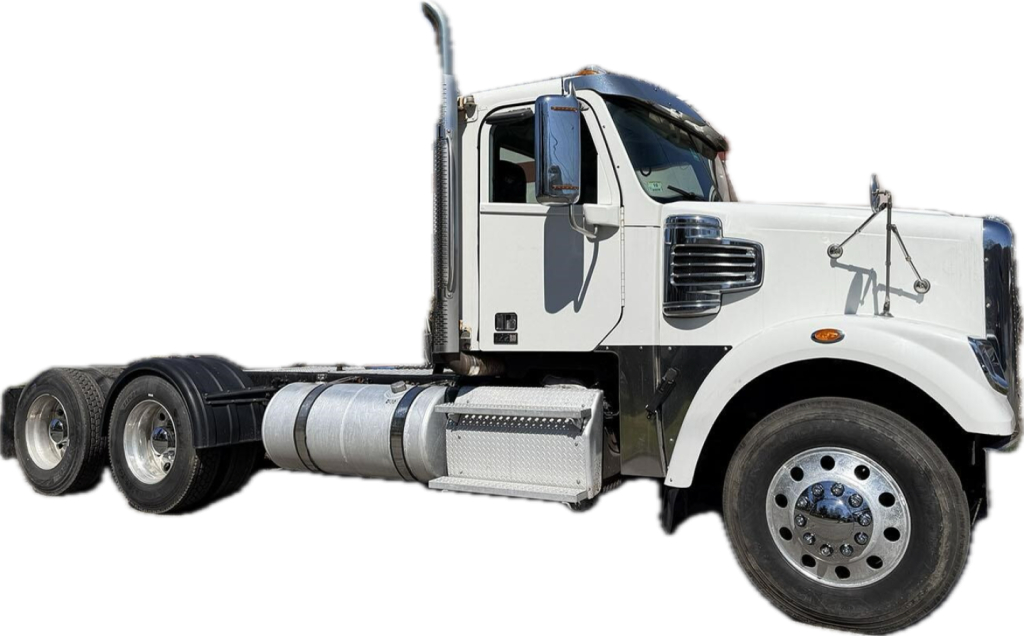
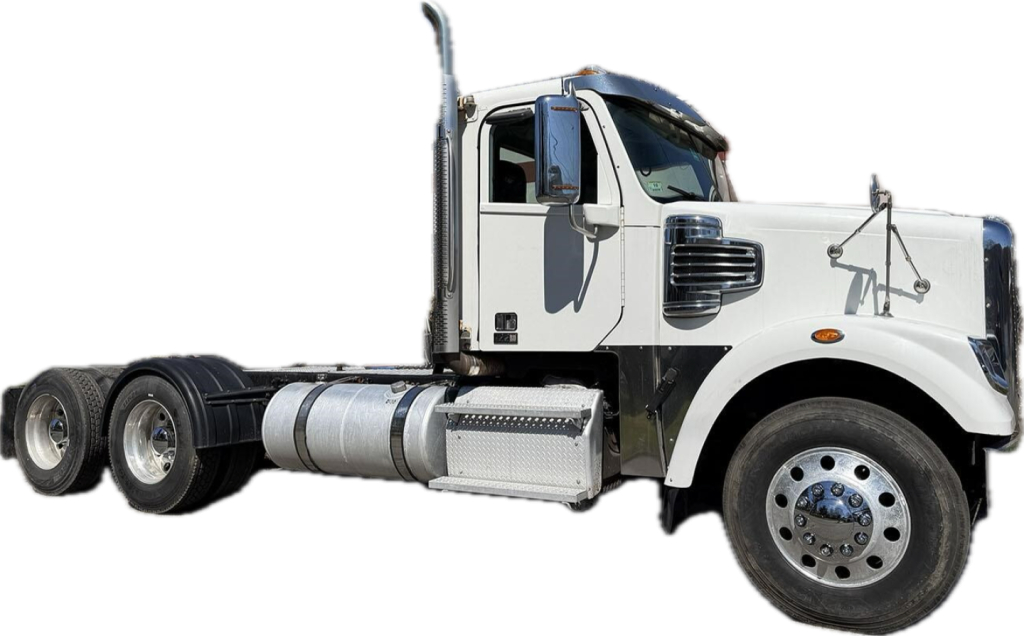
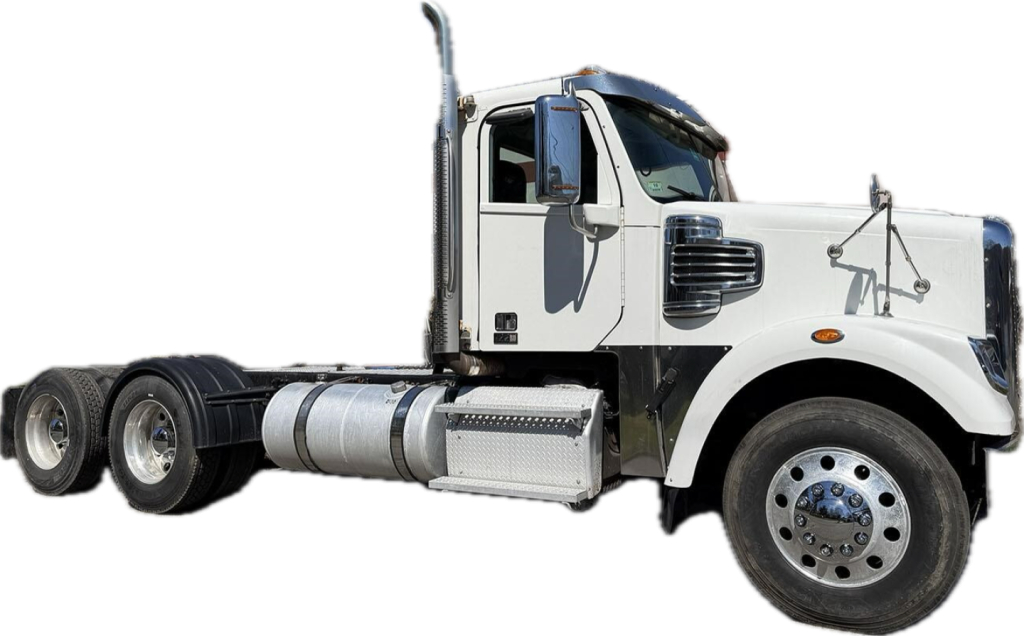
Browse 2019 Freightliner trucks for sale in Oklahoma, including 122SD and M2 models built for vocational, heavy-haul, and roll-off work.
Learn more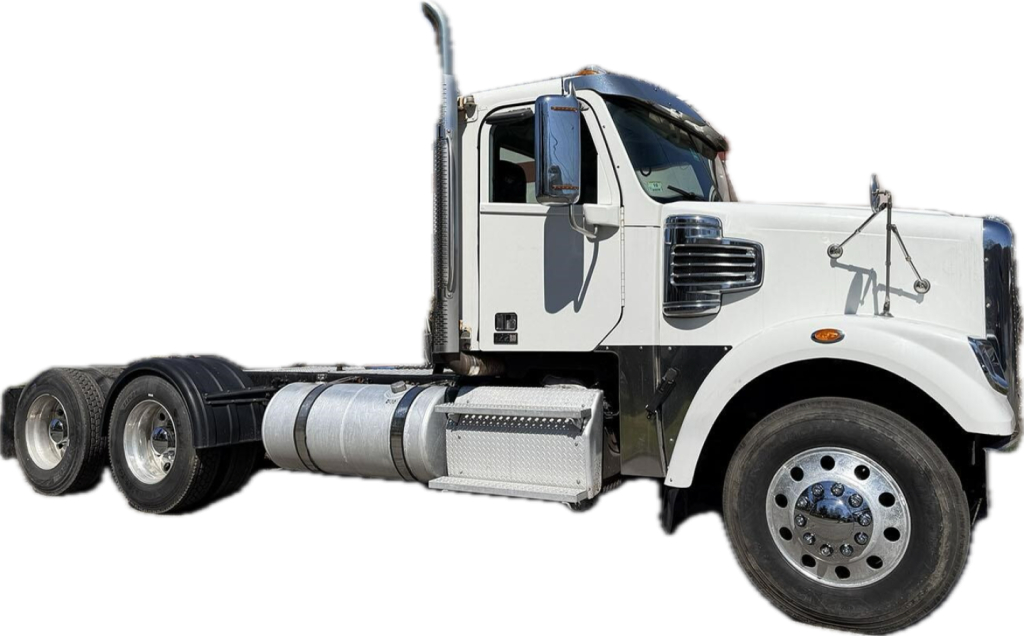
Have 2019 freightliner truck to sell? List it here to reach thousands of buyers.
About 2019 Freightliner Trucks in Oklahoma
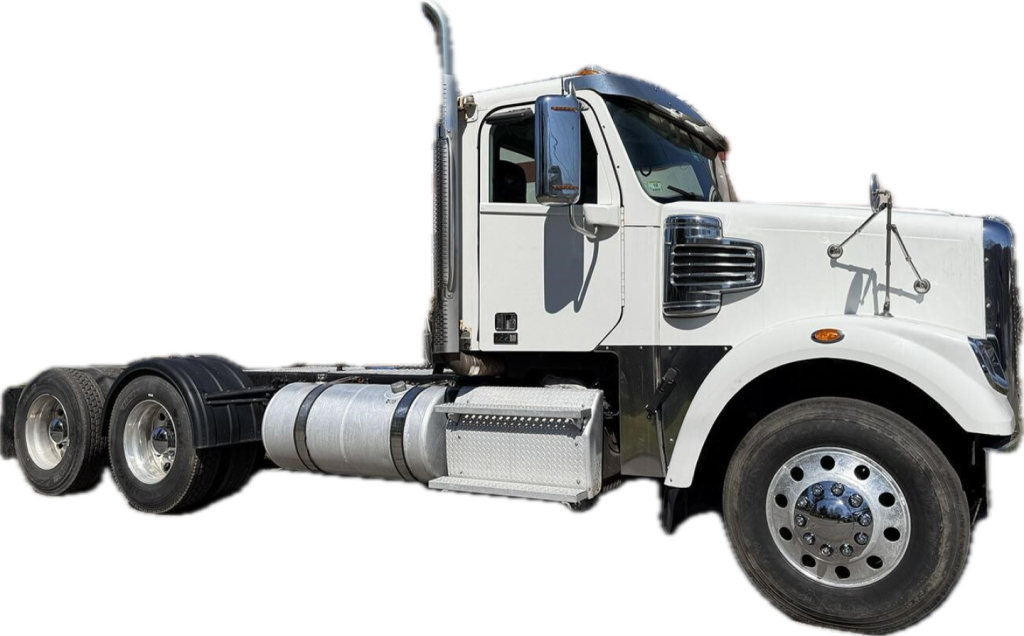
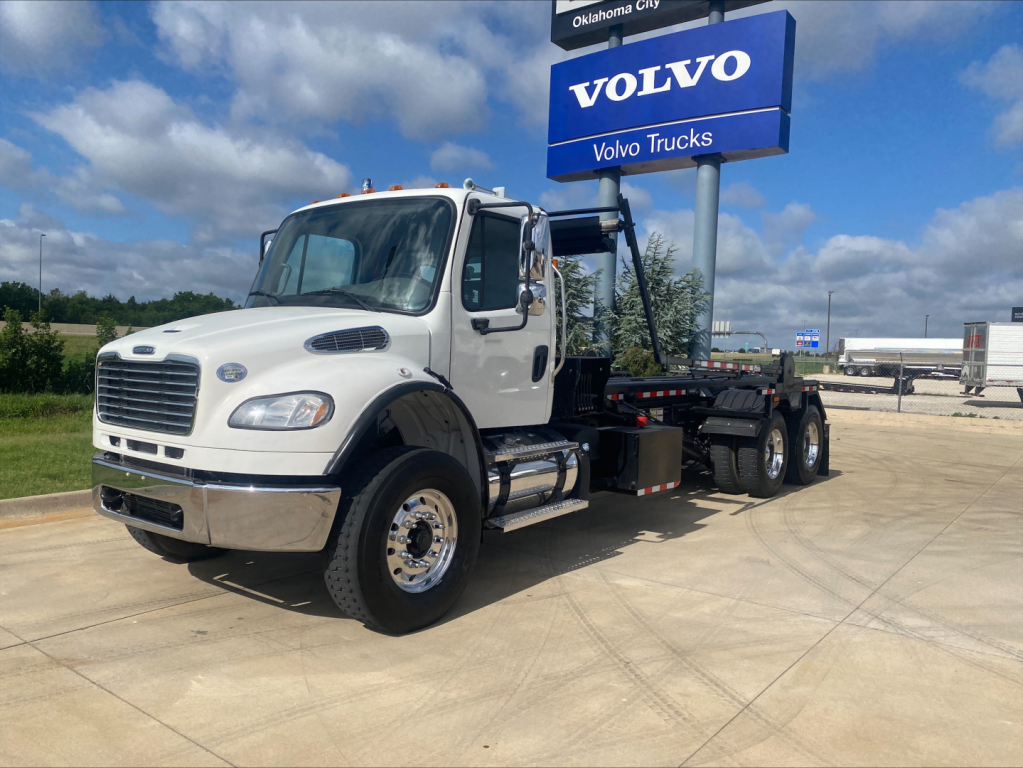
For many buyers, the key decision is chassis configuration before engine brand or trim level. On a 2019 Freightliner 122SD, common items to evaluate include front axle rating, rear axle capacity, suspension type, wheelbase, frame specs, PTO provisions, and transmission choice. Listings in this year range often show Detroit DD15 power in the 122SD, sometimes paired with 13-speed manual transmissions, 40,000-pound rear axles, and ratio options that affect startability, road speed, and off-road drivability. A long wheelbase day cab can be a good match for wet kits, headache racks, or specialized body installations, but buyers should confirm bridge law fit, turning radius, and overall frame space for the intended upfit. On a 2019 M2, body compatibility matters just as much. Roll-off applications should be checked for hoist capacity, rail dimensions, PTO operation, hydraulic condition, and whether the truck is set up for the container sizes used in the local market.
Oklahoma buyers often put extra weight on cooling performance, suspension durability, and driveline simplicity because these trucks may see a mix of highway miles, jobsite access roads, and high-temperature operating conditions. A severe-duty Freightliner should be inspected for frame corrosion, fifth wheel or body mount wear, suspension bushing condition, driveline vibration, and signs of PTO or hydraulic leaks. On a used 2019 unit, emissions health is still a major purchase factor. Review the aftertreatment service history, fault code activity, regen behavior, and any recent work on the DPF, DOC, SCR system, or sensors. For manual transmission trucks, clutch life, shift quality, and driveline lash deserve attention, especially on units that have worked in stop-start or heavy-load service.
Freightliner remains popular because parts access, dealer support, and familiar component specs make these trucks easier to integrate into mixed fleets. That matters on 2019 models, where uptime depends less on age alone and more on how well the truck was spec'd for its original job. A buyer comparing 2019 Freightliner trucks should focus on axle ratings, powertrain match, wheelbase, body or fifth wheel setup, and maintenance records before looking at cosmetic details. A properly spec'd 122SD can be a durable vocational truck for heavy chassis work, while a 2019 M2 can be a practical choice for local routes and specialized bodies that need a versatile medium-duty platform.
Frequently Asked Questions
What are the most common applications for a 2019 Freightliner 122SD?
The 2019 Freightliner 122SD is commonly used in severe-duty and vocational service, including dump work, heavy haul, oilfield support, equipment transport, winch applications, and some tractor day cab operations. Buyers value it for heavier axle ratings, set-back front axle design options, robust frame configurations, and powertrain choices that can handle demanding loads and rougher operating environments than a typical on-highway tractor.
What should I check first on a used 2019 Freightliner truck?
Start with the truck's original and current application, then verify that the axle ratings, wheelbase, frame, suspension, and transmission match the job you need it to do. After that, review engine hours, mileage, maintenance records, fault codes, and emissions-system history. On vocational trucks, body installation quality, PTO function, hydraulic condition, and frame modifications are just as important as engine and transmission condition.
Is a 2019 Freightliner M2 a good choice for roll-off work?
A 2019 Freightliner M2 can be a good roll-off truck when the chassis is correctly spec'd for hoist capacity, container size, axle weight, and route conditions. The M2 is often chosen for local work because it is maneuverable, body-builder friendly, and easier to service in many municipal or contractor fleets. Buyers should confirm PTO setup, hydraulic performance, rail and hoist condition, and legal payload capacity before making a decision.
What engine and transmission specs are common on 2019 Freightliner severe-duty trucks?
On 2019 Freightliner 122SD trucks, Detroit power is common, especially DD15 engines in higher horsepower ratings for heavier vocational work. Manual transmissions such as 13-speed setups are still found in some severe-duty specs, particularly where drivers want tighter control in heavy haul, off-road, or jobsite conditions. Final drive ratio, rear axle rating, and suspension type are equally important because they determine how the truck starts, pulls, and cruises under load.
Why do axle ratings and wheelbase matter so much on a 2019 Freightliner?
Axle ratings and wheelbase determine what the truck can legally and practically do. Front axle capacity affects body compatibility, steer tire loading, and severe-duty suitability. Rear axle ratings and suspension design affect payload and traction. Wheelbase drives turning radius, bridge compliance, ride quality, body fitment, and the amount of frame space available for equipment such as wet kits, hoists, toolboxes, or specialty upfits.