
2019 Freightliner Conventional Daycab Trucks For Sale in Oklahoma
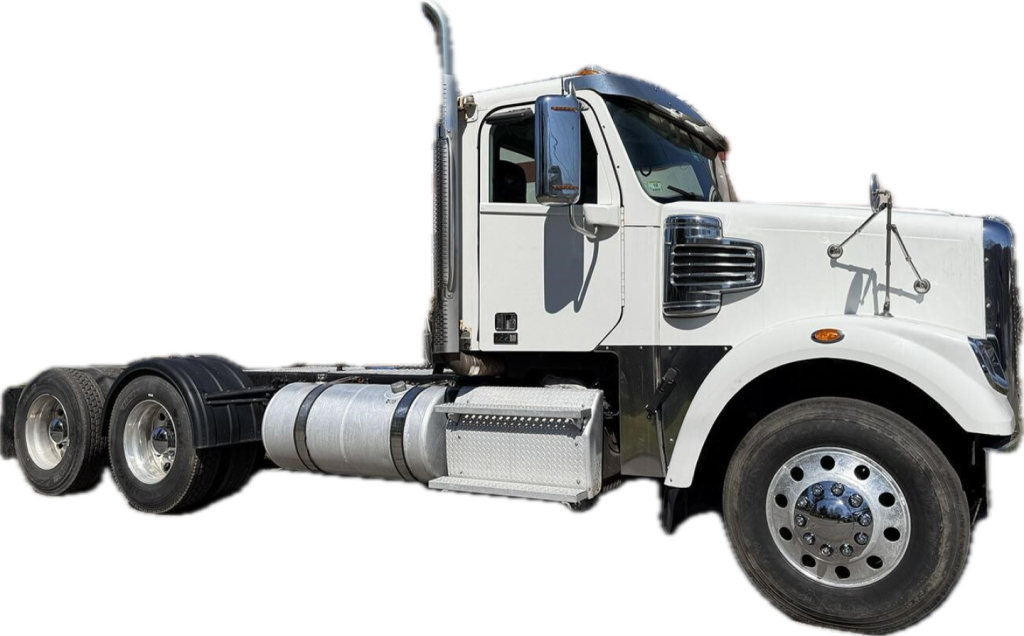
Shop 2019 Freightliner conventional daycab trucks in Oklahoma. Compare 122SD specs, wheelbases, axle ratings, and drivetrain setups.
Learn more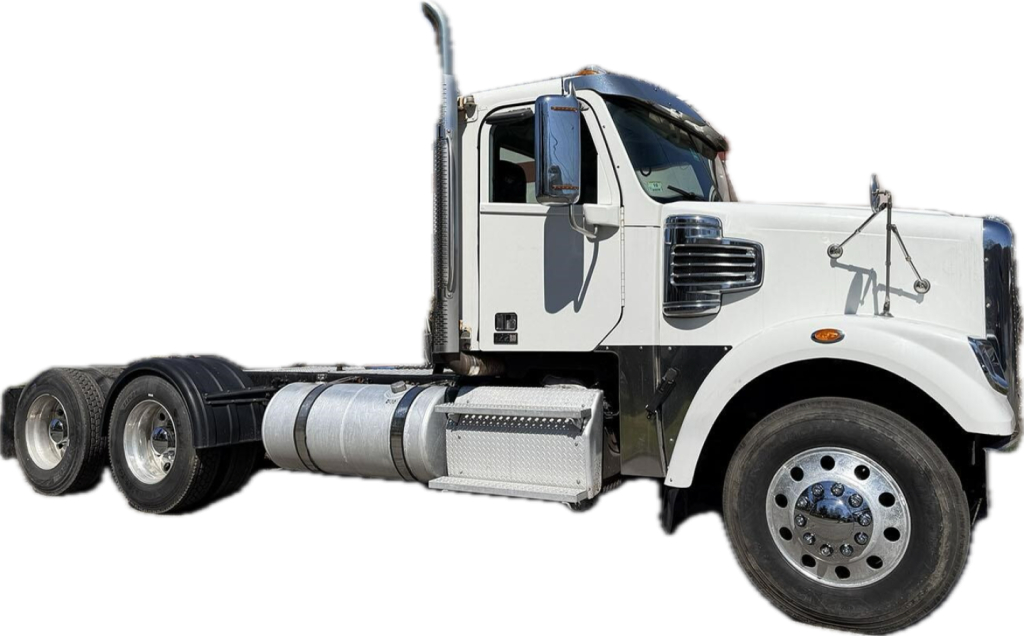
Have 2019 freightliner conventional daycab truck to sell? List it here to reach thousands of buyers.
About 2019 Freightliner Conventional Daycab Trucks in Oklahoma
For this category, the key buying decisions are usually under the hood and behind the cab. Many 2019 Freightliner daycabs in this class are equipped with Detroit DD15 power in the 500 hp range, paired with 13-speed manual transmissions. That combination appeals to operators pulling heavy loads, running varied terrain, or wanting closer gear splits than a standard 10-speed. Buyers should also compare rear axle ratios such as 3.31, 3.70, or 3.73, because gearing changes how the truck feels on the road. A 3.31 ratio can favor lower cruise rpm, while 3.70 or 3.73 gearing generally suits heavier starts and more demanding pull applications. Front axle ratings around 12,000 to 13,300 pounds and 40,000-pound rear axles on air ride are common markers that these trucks are set up for serious work.
Wheelbase matters more than many buyers expect in a conventional daycab. A shorter wheelbase, around 210 inches, can improve maneuverability in tighter work zones and urban delivery environments. A longer wheelbase, such as 225 to 235 inches, can better support frame-mounted equipment, headache racks, larger fuel capacity, or a smoother ride under certain trailer combinations. Fifth wheel position, kingpin setting, and frame layout should match the trailer type you plan to pull. If the truck will handle flatbeds, lowboys, hopper bottoms, or vocational trailers in Oklahoma and surrounding states, make sure the wheelbase and axle placement support legal bridge spacing and practical turning radius.
Condition still comes down to how the truck was spec'd and maintained. On a used 2019 Freightliner daycab, buyers should pay close attention to clutch life on manual transmission units, suspension wear, driveline condition, emissions system history, and tire wear patterns that may point to alignment or suspension issues. It is also worth verifying PTO provisions, locking differential spec, exhaust layout, and brake configuration if the truck will be repurposed for vocational duty. A well-matched Freightliner conventional daycab can serve as a strong regional tractor or work truck, especially when the horsepower, gearing, wheelbase, and axle package line up with the loads you actually haul.
Frequently Asked Questions
What is a 2019 Freightliner conventional daycab best suited for?
A 2019 Freightliner conventional daycab is typically best suited for regional hauling, vocational tractor work, heavy flatbed service, equipment transport, and short- to mid-range runs where a sleeper is not necessary. The conventional hood layout allows for larger engine options and heavier front axle ratings than many aerodynamic fleet tractors, which makes this class attractive for demanding applications.
Why does axle ratio matter on a Freightliner daycab?
Axle ratio has a direct effect on startability, grade performance, cruise rpm, and fuel economy. A lower numerical ratio such as 3.31 generally supports lower engine speed at highway cruise, while higher numerical ratios like 3.70 or 3.73 are often preferred for heavier loads, more frequent stop-and-go work, or operations that need stronger pulling power.
Is a 13-speed manual a good transmission choice in this category?
A 13-speed manual is a strong choice for many conventional daycab applications because it gives the driver better control over engine rpm and gear selection under changing load and terrain conditions. It is especially useful in heavy haul, regional work, and mixed highway-jobsite operation. Buyers should still evaluate clutch condition, shift quality, and the experience level of the intended driver pool.
How important is wheelbase on a conventional daycab truck?
Wheelbase is critical because it affects turning radius, ride quality, bridge law compliance, trailer compatibility, and room for accessories or frame equipment. A shorter wheelbase usually helps in tight areas, while a longer wheelbase can improve stability and allow for larger fuel tanks or specialized setups. The correct wheelbase depends on the trailer type, average payload, and operating environment.
What should buyers inspect first on a used 2019 Freightliner daycab?
Start with the engine and emissions history, transmission condition, axle ratings, suspension, brakes, and tire wear. On trucks in this class, it is also smart to confirm wheelbase, fifth wheel placement, rear ratio, and any PTO or vocational provisions. Service records and a current inspection can reveal whether the truck's spec matches the work it is expected to do.